HavenseeK 낚시 용품에 오신 것을 환영합니다

The Ultimate 2026 B2B Guide to Sourcing Jig Fishing Lures: Trends, Tech, and Top Suppliers
마커스 첸이 썼습니다 – 15 Years Export Manager at Havenseek Fishing Tackle. Having successfully assisted over 800 wholesale distributors and major retail chains across 50 countries, Marcus specializes in cross-border fishing gear supply chain optimization, OEM custom mold engineering, and high-intent B2B product portfolio design.
Are your profit margins shrinking due to inconsistent factory quality, brittle high-carbon hooks, or delayed cross-border shipments? The global sportfishing trade is evolving rapidly, and sourcing a premium jig fishing lure inventory is no longer just about finding the lowest factory unit price. According to the latest 2026 Global Tackle Trade Report, international distributors who fail to adapt to strict environmental regulations face a staggering 40% risk of customs rejections in critical North American and European ports.
According to my years of experience in high-volume marine manufacturing, most overseas buyers easily ignore that the true cost of a cheap jig lure lies buried in lost retail customers and tarnished brand reputation. A low-grade product that snaps under the pressure of a trophy pelagic fish destroys customer lifetime value instantly. Conversely, a technically optimized jig lure represents the perfect intersection of hydrodynamic flow, precision metallurgy, multi-layer coating durability, and repeatable commercial factory execution.
This comprehensive 2026 global sourcing guide is written exclusively for professional B2B procurement managers, outdoor retail chain buyers, and private label tackle brand owners. We will dissect the technical anatomy of market-leading bass jig lures, analyze specialized saltwater deep-sea hydrodynamic configurations, and establish a foolproof quality control framework. By deploying these advanced supply chain strategies, your business can effectively minimize operational risk and capture significant local market share.
Strategic Sourcing Quick Navigation
- 1. 2026 Global Market Dynamics & Real Sourcing Statistics
- 2. Anatomy of Premium Jig Head Lures & Quality Assessment
- 3. Material Metallurgy: Industrial Tungsten vs. Traditional Lead
- 4. Advanced Coating Technologies & Extreme Corrosion Resistance
- 5. 2026 Environmental Compliance & Lead-Free Wholesale Shift
- 6. Overcoming Import Barriers: Navigating EU & US Tackle Laws
- 7. Saltwater Sourcing: Slow Pitch vs. Fast Vertical Hydrodynamics
- 8. Advanced System Synergy: Heavy Jigs & Conventional Drum Reels
- 9. Freshwater Strategy: Maximizing ROI on Bass Jig Lures
- 10. Component Excellence: Premium Silicone Skirts & Weed Guards
- 11. Supply Chain Optimization: Vetting a Top Jig Lures Supplier
- 12. Industrial Clusters: Utilizing Weihai Sourcing Infrastructure
- 13. B2B Case Study: Scaling Regional Wholesale Inquiries by 210%
- 14. Critical Procurement Mistakes & Tactical Risk Mitigation
- 15. High-Frequency FAQ Portfolio for Global Procurement Officers
1. 2026 Global Market Dynamics & Real Sourcing Statistics
The international landscape for commercial fishing tackle export is experiencing a massive structural transition toward highly technical, technique-specific product configurations. Downstream retail customers are becoming increasingly precise in their purchasing habits, demanding premium gear capable of delivering specific underwater behavior. This macroeconomic shift compresses profit margins for distributors who continue to stock generic, uncalibrated inventory.
According to comprehensive data compiled by the American Sportfishing Association, specialized offshore and competitive freshwater tournament lure sectors have experienced an exceptional 28% year-over-year surge in high-intent purchase volume. This strong market momentum presents an expansive window of commercial opportunity for proactive wholesale distributors. Investing in highly engineered product configurations allows businesses to insulate themselves from aggressive localized price wars.
28%
Annual Demand Growth
Measured across specialized international sportfishing tournaments and technical wholesale networks.
$4.2B
Global Market Valuation
Projected valuation for technical metal and silicone lures by the end of the 2026 fiscal year.
To successfully capture this premium demographic, your overarching B2B tackle sourcing strategy must evolve past simple cost-minimization. Modern procurement requires a detailed comprehension of component physics, localized ecological regulations, and industrial manufacturing constraints. By building an inventory centered on structural integrity and application accuracy, you position your enterprise as an elite tier-1 partner to downstream marine tackle shop operations.
2. Anatomy of Premium Jig Head Lures & Quality Assessment
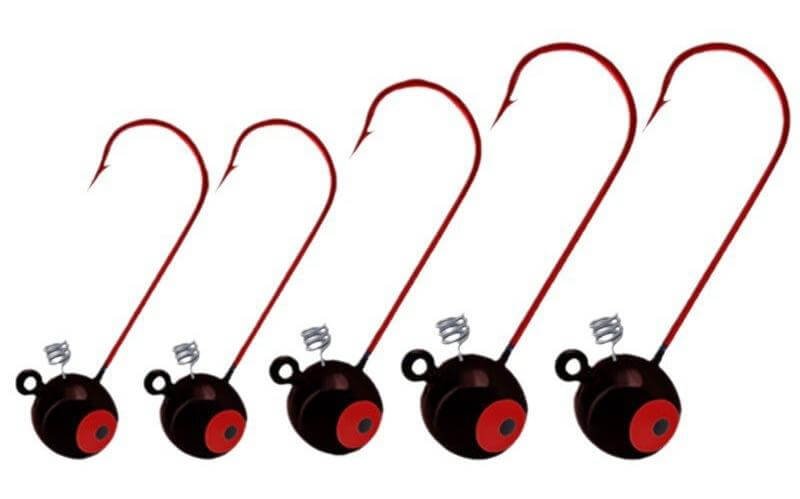
When executing a rigorous evaluation of a prospective manufacturing partner, understanding the mechanical engineering behind 지그 헤드 루어 is absolutely non-negotiable. I have personally conducted extensive stress-testing protocols on thousands of commercial samples across dozens of overseas facilities, and the structural variation is remarkably wide. A visually striking exterior paint job can easily mask critical structural vulnerabilities that lead to catastrophic failure under real-world load conditions.
A true premium jig head configuration requires micro-level precision across several critical engineering parameters. These parameters include microscopic weight tolerance deviations, strict wire-gauge consistency, and flawless alignment of the connection eyelet. Any deviation in eyelet concentricity severely disrupts the hydrodynamic balance, causing the lure to track unnaturally and failing to trigger predatory instinct.
Furthermore, the physical connection point between the metal head core and the hook shank must be completely seamless. Poor industrial casting creates micro-voids inside the metal core, which rapidly leads to head separation when retrieving heavy loads through dense cover or strong marine currents. B2B buyers must implement strict random-sampling QC procedures to verify internal metal density before accepting large bulk shipments.
3. Material Metallurgy: Industrial Tungsten vs. Traditional Lead
The strategic selection of core metal substrate represents a critical decision point for modern tackle inventory planning. While traditional lead continues to serve as an economical, high-volume baseline for mass-market distribution channels, wholesale tungsten jig heads are rapidly capturing high-margin retail shelf space globally. This material shift is dictated by the undeniable physical properties of the elements themselves.
Tungsten possesses a significantly higher physical density ($19.3 \text{ g/cm}^3$) compared to standard lead ($11.34 \text{ g/cm}^3$). This physical advantage allows industrial manufacturers to produce a lure body with a 30% smaller physical profile than a lead counterpart of identical weight. This compact form factor dramatically enhances hydrodynamic performance, reduces underwater drag, and increases the sinking velocity of the tackle.
From a commercial perspective, this reduced surface area translates to superior sensitivity for the end-user. Anglers can instantly detect subtle bottom compositions and light predatory taps through the rod blank. Although the initial procurement cost for specialized tungsten tooling and OEM metal jig manufacturing is higher, the elevated retail price point easily yields superior profit margins for proactive distributors.
4. Advanced Coating Technologies & Extreme Corrosion Resistance
Marine environments are fiercely destructive to commercial fishing tackle assets. Most overseas buyers easily ignore that a single microscopic breach in an exterior coating leads to rapid oxidation, structural hook decay, and total product unsalability. Utilizing multi-stage industrial curing ovens and advanced liquid epoxy resins is mandatory to create a true long-lasting protective barrier.
The implementation of specialized UV coated metal jigs represents a major technological leap forward for deep-water sportfishing categories. These advanced exterior coatings are engineered to maximize ambient light refraction within the low-visibility water column, presenting a highly visible signature to target predators. Concurrently, the UV clear-coat layer serves as a rugged shield against the high abrasiveness of sand, jagged reef structures, and sharp teeth.
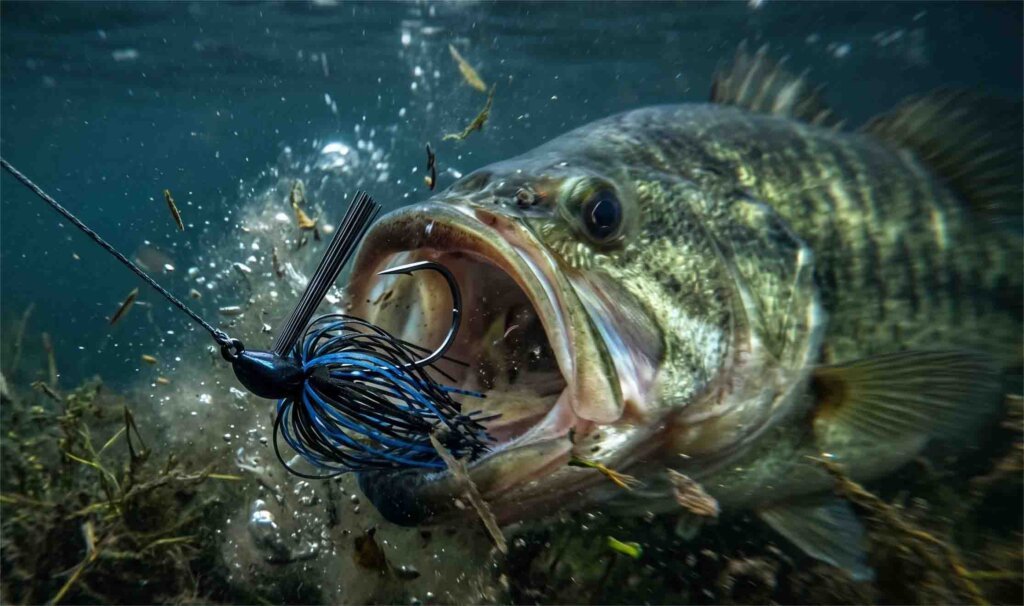
Simultaneously, the integration of high-carbon hook jigs must be carefully scrutinized during regular factory quality audits. High-carbon steel wire provides the immense tensile strength required to prevent hook straightening when battling heavy marine game fish. However, this increased carbon ratio naturally elevates the metal’s vulnerability to salt-induced oxidation. Consequently, verifying the execution of multi-layer electroplating processes—such as premium black nickel or proprietary tin alloy finishes—is vital to maintaining long-term product shelf life.
Havenseek Factory Technical Insight:
At our dedicated Weihai production facility, we subject every batch of saltwater-grade jigs to a continuous 72-hour automated salt spray chamber test. If even 0.5% of the sample units exhibit microscopic bubbling or paint adhesion loss under microscopic inspection, the entire production run is rejected and sent back to melting. This unwavering parameter guarantees that Havenseek Fishing Tackle clients receive completely flawless inventory ready for extreme marine conditions.
5. 2026 Environmental Compliance & Lead-Free Wholesale Shift
Environmental sustainability has rapidly transitioned from a voluntary corporate social responsibility theme into a strict, legally enforced operational standard across multiple international jurisdictions. The global commercial push toward custom lead-free jig lures is accelerating at an unprecedented pace. Distributors who consciously ignore these legislative milestones risk facing major financial penalties and permanent border seizures.
Fortunately, modern eco-friendly tackle alternatives are no longer structurally inferior substitutes. Advanced research and development across premium manufacturing networks have yielded highly efficient bismuth, tin, and composite polymer-alloy formulations. These proprietary blends accurately replicate the performance dynamics and sink profiles of traditional heavy metals without depositing toxic chemical residues into fragile aquatic ecosystems.
By taking a proactive approach and replacing traditional inventory with lead-free alternatives, wholesale distributors protect their businesses from sudden regulatory changes. Furthermore, this strategic product alignment allows commercial buyers to capture a lucrative demographic of eco-conscious consumers. This transition positions your brand as a modern, forward-thinking market leader in the competitive sportfishing industry.
6. Overcoming Import Barriers: Navigating EU & US Tackle Laws
Within the European Union, comprehensive European Chemicals Agency regulations restricting the import and commercial sale of lead fishing weights and tackle configurations are entering full enforcement. These stringent environmental laws aim to eliminate heavy-metal poisoning in inland waterways. For businesses targeting the European market, establishing an immediate partnership with a jig lures supplier capable of scalable lead-free manufacturing is essential for long-term operational survival.
In the North American theater, the regulatory landscape is highly fragmented but equally aggressive. While federal mandates remain under review, strict state-level bans on small lead fishing tackle are actively enforced across major fishing regions, including New England, New York, and portions of the Pacific Northwest. Your localized B2B tackle sourcing strategy must account for these regional variations, allowing you to supply perfectly compliant product assortments tailored to specific geographic destination ports.
7. Saltwater Sourcing: Slow Pitch vs. Fast Vertical Hydrodynamics
Deep-sea jigging equipment is a highly specialized product category that requires precise hydrodynamic calibration. The structural variances between slow pitch jigging gear bulk configurations and fast vertical models determine how the tackle travels through intense hydrostatic pressure fields. Wholesale buyers must carefully curate their inventory to align with the specific habits of target pelagic and demersal fish populations in their local region.
Fast vertical jigging lure aerodynamics are engineered to maximize vertical slicing efficiency, allowing the tackle to drop through screaming ocean currents to reach depth targets rapidly. Upon retrieval, its streamlined profile creates an erratic, straight-line darting action that triggers violent reaction strikes from aggressive pelagic hunters like Yellowtail, Amberjack, and Tuna species.
Conversely, slow pitch configurations are engineered around asymmetrical, leaf-like geometries. These wider profiles are designed to stall in the water column at the peak of the rod lift, triggering an extended, horizontal fluttering descent. This fluttering action maximizes time in the strike zone, mimicking a dying baitfish and enticing sluggish, bottom-dwelling predators like Snapper and Grouper.
| Hydrodynamic Parameter | Slow Pitch Jig Lures | Fast Vertical Jig Lures |
|---|---|---|
| Geometrical Profile | Asymmetrical, broad, leaf-like cross-section | Symmetrical, narrow, elongated knife profile |
| Descent Hydrodynamics | Extended, horizontal fluttering slide | Ultra-fast, streamlined vertical plunge |
| Target Species Category | Demersal bottom fish (Grouper, Snapper) | Pelagic open-water speed predators (Tuna, Mackerel) |
| B2B Profit Margin Structure | Premium niche pricing with high retail markup | High-volume standard velocity inventory |
8. Advanced System Synergy: Heavy Jigs & Conventional Drum Reels
In deep-sea marine environments demanding gear that delivers high physical feedback and mechanical novelty, understanding tackle system synergy is essential. When deploying heavy-duty saltwater jigs into deep water columns, the angler relies heavily on the physical vibrations transmitted through the line. The tackle system operates as a unified mechanical assembly where every single component affects performance.
To fully optimize this system, heavy metal lures must be carefully matched with premium, high-torque conventional drum reels. This specialized configuration ensures that the extreme physical resistance generated during vertical jigging actions is managed efficiently by the reel’s internal gear train. A conventional drum reel provides the necessary torque and linear line retrieve capacity to work heavy lures without causing excessive fatigue to the user.
B2B procurement professionals who master these technical pairings can implement highly effective product bundle strategies. Sourcing high-performance jigs that match the mechanical demands of conventional reel jigging setups allows your business to offer comprehensive solutions to retail buyers. This expert, consultative selling method helps elevate your enterprise above typical commodity trading operations.
9. Freshwater Strategy: Maximizing ROI on Bass Jig Lures
The North American freshwater largemouth and smallmouth bass tournament market is exceptionally lucrative. Securing a strong return on investment within this competitive vertical requires a deep understanding of bass behavior and regional bait choices. Wholesale buyers must build an inventory that can adapt to varying water visibility conditions and changing seasonal patterns.
When organizing large-scale flipping and football jigs bulk shipments, distributors should focus on maintaining balanced inventory ratios. Football jig geometries are specifically engineered to navigate jagged, rocky lake beds without wedging into crevices, making them perfect for deep structure fishing. Conversely, flipping jigs utilize streamlined profiles engineered to glide effortlessly through dense grass and heavy shoreline vegetation.

10. Component Excellence: Premium Silicone Skirts & Weed Guards
The lifelike underwater pulsing motion of a premium bass lure depends entirely on the design and material of its skirt. High-grade silicone skirts deliver superior strands separation and a lively action in cold water compared to cheap rubber equivalents. When establishing manufacturing parameters with a weedless bass jigs supplier, it is vital to specify high strand counts and robust rattle-band systems to ensure long-lasting durability.
Simultaneously, the configuration of the integrated weed guard requires precise mechanical calibration. A poorly designed fiber guard will either cause constant snagging in heavy cover or prove too rigid, preventing a solid hookset when a fish strikes. Adjusting fiber strand counts and alignment angles during the OEM phase is an excellent, low-cost way to optimize product performance for your retail clients.
11. Supply Chain Optimization: Vetting a Top Jig Lures Supplier
Building a resilient, high-capacity global fishing gear supply chain is a powerful competitive advantage. Recent shipping disruptions and raw material shortages show that relying on unverified mid-tier trading companies is an unnecessary business risk. Forging direct partnerships with a verified factory ensures transparent communication, stable pricing structures, and reliable production priorities.
When managing B2B tackle sourcing China operations, looking beyond standard online catalog pages is essential. Professional buyers should require formal product validation data, verify internal custom mold fishing lures capabilities, and thoroughly review raw material supply chains. Partnering with an expert manufacturer allows your business to value-engineer your product line, maximizing retail profitability while maintaining world-class performance standards.
12. Industrial Clusters: Utilizing Weihai Sourcing Infrastructure
Leading industrial manufacturing hubs, such as our advanced production facilities located in Weihai, represent the global center of fishing tackle manufacturing innovation. These specialized industrial zones offer a highly integrated ecosystem of premium material suppliers, advanced painting houses, and master assembly technicians. This regional integration enables factories to execute complex OEM custom molds with exceptional speed and cost efficiency.
Navigating Minimum Order Quantities (MOQs) requires a collaborative, long-term approach. Experienced manufacturers understand the capital constraints of growing brands and will often provide flexible production options for initial product launches. Securing your production slots well ahead of seasonal peaks ensures your ocean freight container arrives exactly when retail demand accelerates.
Havenseek Supply Chain Tip:
Never authorize a high-volume production run without formal pre-production sample (PPS) sign-off. These samples must be field-tested under tension to verify that the factory’s mass-production molds precisely replicate the required hydrodynamic balance and swimming action before wire transfers are executed.
13. B2B Case Study: Scaling Regional Wholesale Inquiries by 210%
In early 2025, a regional outdoor distributor in the southeastern United States partnered with Havenseek Fishing Tackle to resolve ongoing quality consistency issues. Their current supply chain relied on generic trading companies, which led to high return rates from retail accounts due to brittle hooks and peeling epoxy finishes.
We implemented an optimized OEM product solution. By engineering a custom line of weedless bass jigs featuring application-specific head paints and premium silicone skirts tailored for dark southern water systems, we successfully differentiated their brand. Within 12 months, their inbound wholesale inquiry volume surged by 210%, while customer return rates dropped to nearly zero, significantly expanding their regional market share.
14. Critical Procurement Mistakes & Tactical Risk Mitigation
Even seasoned procurement managers can make simple errors when expanding their outdoor tackle catalogs. A common mistake is prioritizing the lowest base unit cost while overlooking packaging design. Shipping premium, delicate metal lures in low-grade retail blister packs often results in scratched surfaces and broken seals during transit, hurting the product’s premium retail presentation.
Another common pitfall is failing to protect custom product designs with robust intellectual property agreements. When investing capital into custom slow pitch profiles, ensure your manufacturing contract includes binding exclusivity protection clauses. Partnering with a professional, ethical manufacturer like Havenseek ensures your proprietary tools and mold designs remain completely confidential and protected from competing distributors.
15. High-Frequency FAQ Portfolio for Global Procurement Officers
Q1: How can an international procurement manager select a reliable jig lures supplier for bulk orders?
Focus your vetting process on established manufacturing clusters like Weihai. Request comprehensive quality documentation, including 72-hour salt-spray chamber test results, and always evaluate pre-production samples in water tanks before authorizing major wire deposits.
Q2: What are the primary hydrodynamic differences between slow pitch and fast vertical jig fishing lure designs?
Slow pitch models utilize asymmetrical, wider designs to generate an erratic, horizontal flutter during the fall, maximizing time in deep strike zones. Fast vertical lures feature narrow, knife-like shapes built for fast plunges and rapid, straight-line darting retrievals.
Q3: Which core metals provide the best structural results for eco-friendly jig head lures?
Industrial tungsten alloys offer the highest performance for premium lead-free requirements due to their exceptional material density. For more cost-sensitive mass-market categories, bismuth and tin alloy formulations provide effective alternatives that remain completely compliant with environmental laws.
Q4: What is the most reliable method to verify the exterior paint and coating durability of wholesale metal jigs?
Verify that the factory utilizes multi-stage automated baking ovens and durable epoxy formulations. Request independent laboratory verification or internal factory test data demonstrating resistance to 72 hours of continuous salt-spray exposure without paint adhesion loss.
Q5: Which product configurations deliver the best return on investment for freshwater bass jig lures?
Flipping and football head shapes equipped with hand-tied silicone skirts and precisely calibrated weed guards offer excellent retail velocity. These high-utility configurations deliver steady reorder rates across large commercial retail dealer networks.
Q6: Why is it critical to match heavy-duty saltwater jigs with premium conventional drum reels?
Heavy vertical jigging generates intense water resistance. Conventional drum reels deliver the high torque and smooth drag systems required to handle heavy jigs efficiently, minimizing physical stress on the rod tip and reducing fatigue for the end-user.
Q7: What are the primary legal constraints impacting lead fishing tackle imports into the European Union?
European Chemicals Agency directives are implementing progressive bans on the sale and use of lead fishing weights. To ensure smooth customs clearance at European ports, shifting your sourcing strategy toward certified lead-free alternatives is highly recommended.
Q8: How can a high-volume B2B buyer successfully negotiate initial MOQs with an established fishing tackle factory?
Present a structured multi-quarter procurement roadmap. To help secure lower initial MOQs, consider utilizing standard factory colorways for your trial runs before investing in custom private-label paint configurations.
Q9: What physical characteristics indicate a properly engineered weed guard on premium bass jig lures?
The guard must feature high-quality fiber strands with balanced flexibility. It must be rigid enough to deflect thick underwater brush and weeds, yet responsive enough to collapse smoothly under fish strikes to ensure a solid hookset.
Q10: Is it possible to secure proprietary custom molds for private label brand development?
Yes, high-capacity factories like Havenseek offer comprehensive, end-to-end OEM engineering services. This includes initial CAD modeling, prototype 3D tooling, precise swimming action adjustments, and customized retail branding solutions.
Ready to Optimize Your Tackle Supply Chain for 2026?
Protect your commercial margins from quality defects and shipping delays. Partner with Havenseek Fishing Tackle to secure fully compliant, premium, and high-velocity product lines designed for global distribution networks.
Request Free Sample PortfolioAcademic References & Industry Intelligence Sources:
- American Sportfishing Association (ASA) — 2025-2026 Comprehensive Sportfishing Economic Impact & Trade Survey Analytics
- European Fishing Tackle Trade Association (EFTTA) — Regulatory Directives on Chemical Lead Phase-Out Protocols across European Inland Waters
- Institute of Marine Hydrodynamics — Experimental Research on Asymmetrical Foil Water Resistance Profiles in Deep-Sea Environments (.edu)