Bienvenido a HK Fishing Tackle

Barbless Hooks: A Sustainable Fishing Option
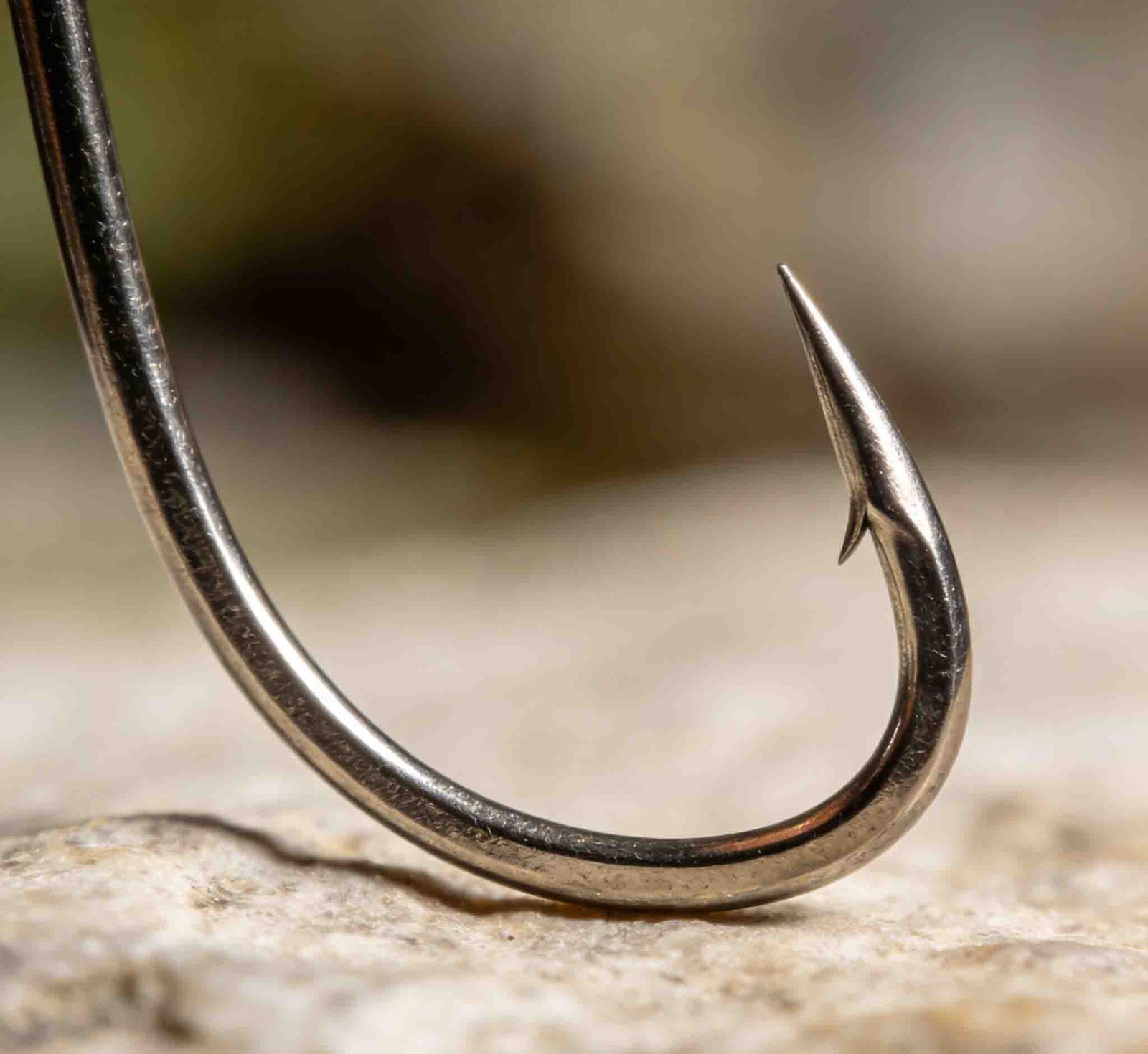
Fishing is not only a beloved pastime but also a vital source of food and income for many communities around the world. As environmental concerns continue to grow, sustainable fishing practices have become increasingly important. One of the most effective ways to promote sustainability in fishing is by using barbless hooks. In this article, we’ll explore the benefits of barbless fishing hooks, different types of fishing hooks, and why choosing barbless hooks can make a significant difference in preserving our aquatic ecosystems.
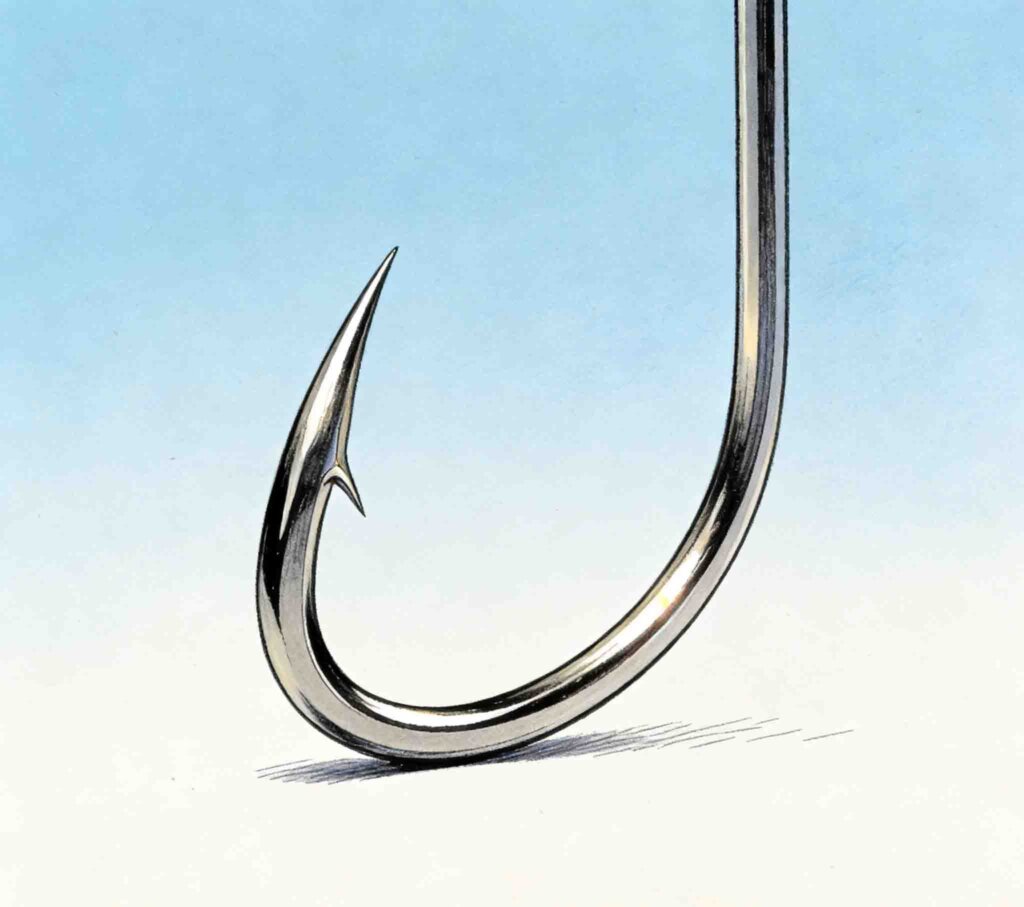
Barbless hooks are designed without the small, backward-facing projection found on traditional barbed hooks. This feature makes them easier to remove from a fish’s mouth, reducing injury and stress on the fish. The absence of a barb also means that anglers must rely more on technique and skill to keep the fish on the line.
Benefits of Barbless Hooks
Using barbless hooks offers several advantages, not only for the fish but also for the angler and the environment. Here are some key benefits:
- Reduced Fish Mortality: Barbless hooks significantly decrease the likelihood of injuring or killing fish. Since they are easier to remove, they minimize tissue damage and bleeding, increasing the chances of survival for catch-and-release practices.
- Faster and Easier Release: Anglers can quickly release fish back into the water with minimal handling. This reduces the stress on the fish and allows them to recover swiftly, which is crucial for maintaining healthy fish populations.
- Enhanced Angling Skills: Fishing with barbless hooks requires more skill and attention. Anglers must maintain steady pressure on the line and use proper techniques to prevent the fish from escaping. This can lead to a more rewarding and challenging fishing experience.
- Environmental Impact: By reducing fish mortality and promoting catch-and-release, barbless hooks contribute to the sustainability of fish populations. They help maintain the balance of aquatic ecosystems and ensure that future generations can enjoy fishing.
Different Types of Fishing Hooks
Before diving deeper into barbless hooks, it’s essential to understand the various types of fishing hooks available. While barbless hooks are gaining popularity, traditional barbed hooks remain widely used. Here’s a brief overview of some common fishing hook types:
1. Barbed Hooks

Barbed hooks are the most common type and feature a small, sharp projection on the hook’s shank. This barb helps keep the fish securely hooked but can cause more damage during removal.
2. Circle Hooks
Circle hooks are designed to hook fish in the corner of the mouth, reducing the chances of deep hooking. They are often used in catch-and-release fishing due to their fish-friendly design.
3. Treble Hooks
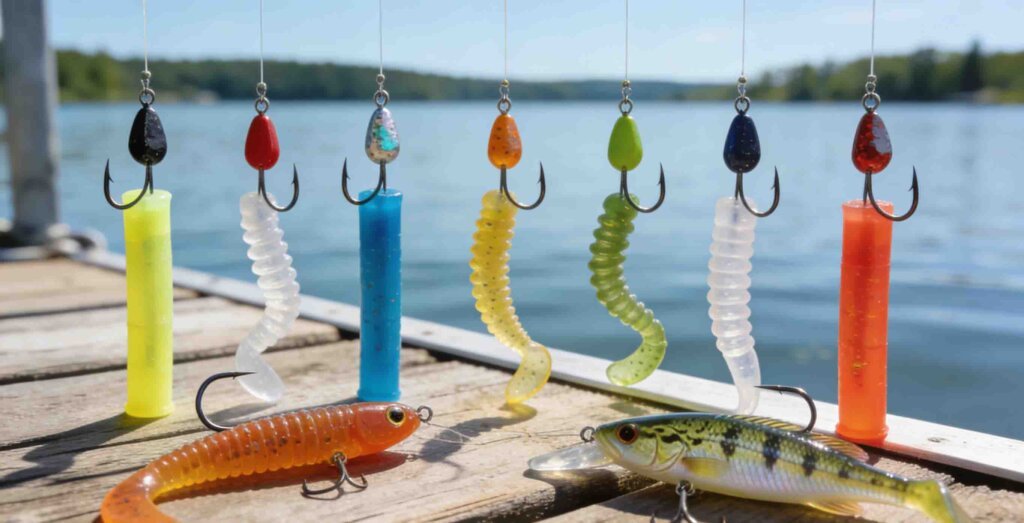
Treble hooks consist of three hooks joined at a single shank. They are commonly used in artificial lures and are effective for catching aggressive fish. However, they can cause more harm during removal.
4. Offset Hooks
Offset hooks have a bent shank that allows for better bait presentation. They are versatile and can be used in various fishing techniques.
Why Choose Barbless Hooks?
Given the variety of fishing hooks available, why should anglers choose barbless hooks? The answer lies in their numerous benefits, particularly in promoting sustainable fishing practices.
Improved Catch-and-Release Success
Barbless hooks enhance the success rate of catch-and-release fishing. By minimizing injury and stress, they ensure that more fish survive after being released. This practice is crucial for maintaining healthy fish populations and preserving biodiversity.
Legal Requirements and Conservation Efforts
In some regions, the use of barbless hooks is mandatory, especially in areas with strict conservation regulations. These rules aim to protect endangered species and fragile ecosystems. By using barbless hooks, anglers can comply with these regulations and contribute to conservation efforts.
Ethical Fishing Practices
For many anglers, fishing is not just about the catch but also about respecting nature. Using barbless hooks aligns with ethical fishing practices, emphasizing the importance of preserving fish populations and their habitats.
Tips for Using Barbless Hooks
If you’re new to barbless fishing, here are some tips to help you get started:
- Practice Proper Technique: Keep steady tension on the line to prevent the fish from shaking the hook loose. Use a smooth, consistent reeling motion.
- Use the Right Equipment: Pair your barbless hooks with the appropriate fishing gear. A flexible rod and high-quality fishing line can improve your chances of a successful catch.
- Be Patient: Fishing with barbless hooks may require more patience and skill. Embrace the challenge and enjoy the learning process.
- Educate Others: Share the benefits of barbless hooks with fellow anglers. Raising awareness about sustainable fishing practices can lead to positive changes in the fishing community.
Conclusión
Barbless hooks are a simple yet powerful tool for promoting sustainable fishing. By reducing fish mortality, enhancing angling skills, and supporting conservation efforts, they play a crucial role in preserving our aquatic ecosystems. As anglers, it’s our responsibility to adopt practices that protect the environment and ensure that future generations can enjoy the thrill of fishing. So next time you head out to the water, consider using barbless hooks and make a positive impact on the world of fishing.