HavenseeK 낚시 용품에 오신 것을 환영합니다

Bass Swim Jig Sourcing 2026: Find the Best Bulk Supplier
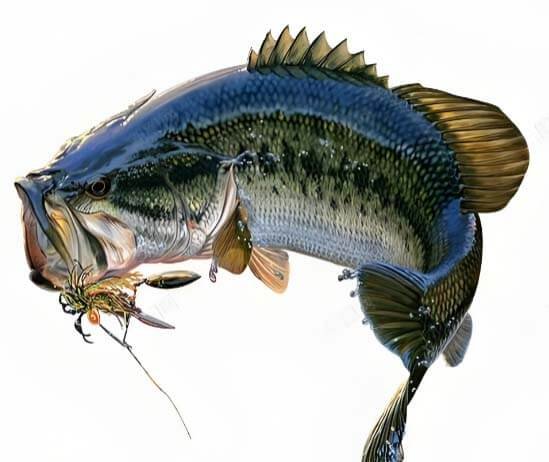
Are you struggling with inconsistent tackle quality, delayed factory shipments, or shrinking profit margins in your lure distribution business? You are definitely not alone. As the global recreational angling market rapidly expands—projected to reach an astonishing $5.46 billion by 2033 with an impressive 5.46% CAGR—wholesale distributors are facing unprecedented supply chain bottlenecks. The demand for premium, tournament-grade gear has skyrocketed, leaving many commercial buyers scrambling to secure stable inventory lines.
According to my years of experience managing high-volume jig production for global distributors, the single biggest challenge in 2026 is securing a reliable swim jig head supplier who can consistently deliver uncompromising quality without destroying your retail margins. We are witnessing a massive industry shift where terminal tackle is no longer just “cheap lead.” From stringent new environmental compliance regulations sweeping across North America and Europe to the rising demand for meticulously customized silicone skirts, the stakes for sourcing have never been higher.
This comprehensive B2B sourcing masterclass is specifically designed for international distributors, tackle brand owners, and large-scale retail purchasers. We will deeply analyze the exact factory quality control standards required for an elite bass swim jig, break down the actual financial ROI of importing components versus fully assembled units, and reveal how to pair your bulk imports with the best swim jig trailers to exponentially increase your final point-of-sale value.
Quick Navigation: 2026 Sourcing Guide
- 1. The 2026 Supply Chain Shift in Swim Jig Bass Fishing
- 2. Core Assessment Criteria for a Swim Jig Head Supplier
- 3. Navigating the Market: Buying Swim Jig Heads Bulk vs. Fully Assembled
- 4. Synergy Strategy: Pairing with the Best Swim Jig Trailers
- 5. Real-World Case Study: Scaling a Tackle Brand with the Right Partner
- 6. Common Pitfalls When Sourcing Bulk Jigs
- 7. 2026 FAQ: Expert Answers on Bulk Procurement
The 2026 Supply Chain Shift in Swim Jig Bass Fishing
The global tackle supply chain management landscape has fundamentally transformed. Simply chasing the lowest possible unit price in offshore tackle manufacturing is a guaranteed recipe for disastrous customer reviews and devastating retail returns. In the current hyper-competitive environment, B2B fishing gear distributors must pivot their procurement strategies to prioritize what industry insiders call a “Turnkey Solution.”
Why Quality Consistency Beats Rock-Bottom Pricing
Most overseas buyers easily ignore that an inconsistent manufacturing run destroys brand equity faster than any marketing campaign can build it. When you purchase wholesale weedless jig heads, you are not just buying metal and hooks; you are buying the assurance that out of 10,000 units, every single weed guard stiffness grade is perfectly calibrated. A 5-cent saving on a lower-grade hook wire can lead to a 30% drop in angler retention when that hook bends out on a trophy fish. Direct factory tackle sourcing in 2026 demands rigorous vendor auditing to ensure the factory utilizes automated injection molding and standardized quality control checkpoints rather than variable manual labor.
36%
Of the current global fishing tackle market demand has shifted towards eco-friendly and lead-free alternatives, driven strictly by legislative changes and younger angler demographics.
Global Manufacturing Hubs and Crucial Compliance
We cannot discuss 2026 bulk unpainted swim jigs without addressing the massive regulatory elephant in the room. In the United States, legislation such as Maine’s LD 958 law has explicitly banned the sale of small painted lead jigs as of September 2024, with a total usage ban strictly enforced by September 2026. This environmental shift toward lead-free jig head supplier networks is disrupting traditional global tackle import regulations. Forward-thinking OEM fishing lure factories are heavily investing in custom tungsten swim jigs, bismuth-tin alloys, and advanced brass casting. If your current factory partner is not proactively discussing material compliance and offering verifiable SGS testing reports, your entire inventory could become legally unsellable in major North American markets within months.
Core Assessment Criteria for a Swim Jig Head Supplier
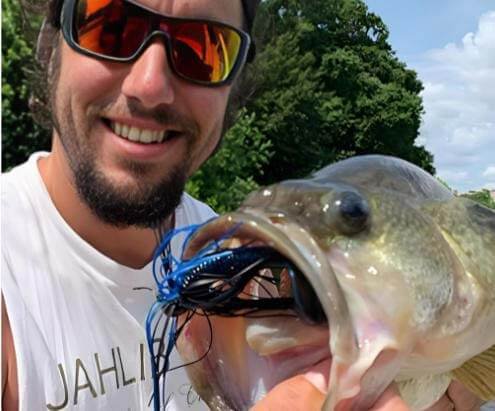
Verifying the true manufacturing capability of a potential factory partner is the most critical step in establishing a private label tackle solution. Through my extensive career auditing dozens of facilities, I have developed a foolproof framework for evaluating heavy cover jig hooks bulk production. You must look far past glossy trade show brochures and aggressively inspect the core engineering metrics.
Hook Quality and Weed Guard Calibration
The heartbeat of any tournament grade bass jigs lies precisely in the hook steel and the weed guard orientation. Premium heavy-wire hook jigs require high-carbon steel construction with chemical sharpening processes. When inspecting a factory’s sample, apply lateral pressure to the hook point; it should flex slightly but snap back to dead center instantly without permanent deformation. Furthermore, the weed guard insertion angle is a massive failure point for cheap manufacturers. For optimal performance in heavy vegetation, the factory must consistently drill the insertion hole so the fiber guard sits exactly at a 30-degree to 40-degree angle, lightly brushing the hook point. If the fibers are too stiff, fish will easily blow open the bait; if too soft, the lure will constantly snag.
Paint Durability and Skirt Banding Techniques
How do manufacturers ensure paint durability on custom painted jig heads? The answer lies entirely in the prep and curing process. Reject any supplier utilizing standard air-dried liquid paints, as these will mercilessly chip upon the first impact with a rock. Elite factories employ multi-stage powder coating systems baked at precise temperatures, often finalized with a UV-cured clear epoxy topcoat for impenetrable durability. Additionally, evaluate the silicone jig skirts wholesale assembly. Traditional rubber collars degrade and snap in high heat or UV exposure. The premier standard for 2026 is hand-tied skirts utilizing high-tensile copper or stainless steel wire, guaranteeing the skirt will never pull down during aggressive combat.
| Assessment Metric | Red Flag (Avoid) | Gold Standard (Partner) |
|---|---|---|
| Hook Integrity | Standard wire, easily bent, dull points out of the package. | Mustad, VMC, or BKK high-carbon heavy wire, chemically sharpened. |
| Paint Finish | Liquid dip paint, easily chipped with a fingernail, uneven eye holes. | Baked powder coat with UV epoxy seal, pre-cleared hook eyes. |
| Weed Guard | Glued unevenly, stiff plastic bristles, covers the barb completely. | Precisely angled 30-40 degrees, multi-strand fiber, perfectly aligned. |
| Skirt Banding | Cheap rubber collars that dry rot within 6 months of storage. | Hand-tied wire wraps or heavy-duty reinforced silicone bands. |
Navigating the Market: Buying Swim Jig Heads Bulk vs. Fully Assembled
For B2B buyers focused on tackle brand inventory scaling, the debate between purchasing bare, unpainted heads versus fully assembled, retail-ready jigs is a constant financial calculation. Both avenues offer distinct advantages depending on your specific overhead capabilities and domestic labor costs.
Cost Breakdown for High-Volume Buyers
Purchasing raw swim jig heads bulk dramatically reduces your initial landed costs and import tariffs. Bare lead or tungsten heads classify under lower duty rates compared to finished lures. However, you must accurately calculate your domestic assembly costs. By importing bare heads and separate silicone skirts, you can dynamically respond to local seasonal color trends without waiting 60 days for overseas ocean freight. Conversely, relying on a trusted OEM fishing lure factory for a fully assembled product offers a predictable, fixed landing cost and completely eliminates local labor bottlenecks, allowing your team to focus strictly on B2B sales and distribution.
Customization Opportunities for Private Labels
If you aim to dominate a specific regional market, private label tackle solutions are mandatory. Collaborating directly with overseas tackle manufacturing engineers allows you to design proprietary head shapes. For instance, a sharply pointed bullet head excels in heavy grass, while a flatter, keel-weighted design is superior for open-water rolling action. High-end factories will open custom molds for a surprisingly low minimum order quantity (MOQ)—often just 2,000 to 5,000 units per weight—granting you exclusive rights to a highly marketable, differentiated product profile.
Synergy Strategy: Pairing with the Best Trailers
I have personally tested this solution across multiple commercial wholesale catalogs: selling a bare jig is a missed revenue opportunity. The true magic of this specific lure category relies entirely on soft plastic trailer compatibility. An elite lure manufacturer does not just build a hook; they engineer a delivery system for secondary baits.
Trailer Keepers: The Unsung Hero of Jig Design
A fatal flaw in cheap bulk jigs is the absence of a properly engineered trailer keeper. When an angler threads a bulky swimbait onto the back of the lure, it must stay locked tightly against the head. Double-barbed lead collars or conical wire bait-keepers are absolutely essential. If the trailer constantly slips down the hook shank after a single cast or a short strike, the lure’s action is ruined, and consumer frustration peaks. When sourcing, demand robust keeper designs that grip soft plastics securely without tearing the fragile material.
Elevating Retail Value Through Perfect Matchups
Distributors can dramatically elevate their average order value by offering bundled, pre-matched packages. Source your jigs with skirt color patterns specifically formulated to seamlessly blend with top-selling local soft plastic colors (e.g., Green Pumpkin, Pearl White, or Black/Blue). Educating your downstream retail partners on how to merchandise the jig heads alongside the soft plastics creates a powerful cross-selling ecosystem. This synergy strategy transforms a simple terminal tackle purchase into a comprehensive, high-ticket predator fishing solution.
Real-World Case Study: Scaling a Tackle Brand with the Right Partner
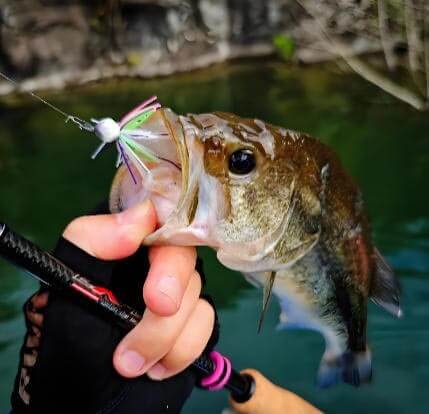
In early 2025, a rapidly growing South American tackle distributor approached Havenseek Fishing Tackle facing a critical crisis. They had previously sourced 50,000 units from a generic trading company. The resulting shipment suffered a 22% defect rate—primarily dull hooks and paint that dissolved in brackish water. Their brand reputation in the competitive Peacock Bass tournament scene was plummeting.
By shifting to our direct factory tackle sourcing protocol, we completely overhauled their supply chain. We transitioned them to a 4X-strong heavy wire hook capable of withstanding violent strikes from exotic predators. We implemented a four-stage UV-baked powder coating process and customized the weed guard stiffness specifically for the dense Amazonian timber environment.
- Previous Defect Rate: 22% (Unusable inventory and massive retail returns)
- New Defect Rate: < 0.5% (Rigorous multi-point factory QC inspections)
- Profit Margin Increase: 45% (Eliminated middleman trading company markups)
- Customer Retention: Reorder rates from independent tackle shops increased by 68% within eight months.
This dramatic turnaround proves that meticulous supplier vetting and investing in high-quality OEM manufacturing is the ultimate growth lever for ambitious tackle brands.
Common Pitfalls When Sourcing Bulk Jigs (And How to Avoid Them)
The landscape of global tackle import regulations and offshore manufacturing is fraught with hidden traps that can swiftly bankrupt unprepared buyers. Most overseas buyers easily ignore the critical transition phase between approving a pre-production sample and receiving the final mass-produced ocean container.
The “Golden Sample” Illusion
Trading companies often send a flawless, hand-crafted “golden sample” to secure your deposit, only to switch to inferior materials (like cheaper, softer lead alloys or duller hooks) during the actual high-volume jig production run. Always demand a contract stipulating that mass production strictly mirrors the approved sample’s exact material specifications.
Ignoring Material Compliance
As previously mentioned, importing toxic lead into heavily regulated jurisdictions (like New York, Maine, or the EU) can result in massive customs seizures and severe financial penalties. Always verify if your target market requires a certified lead-free jig head supplier and demand independent laboratory material composition tests before authorizing shipment.
Miscalculating Landing Costs
Many novice purchasers solely look at the FOB (Free On Board) factory price. They fail to calculate the true landed cost, which includes international ocean freight, complex customs broker fees, port handling charges, and specific anti-dumping duties levied against certain sporting goods categories. Always work with a seasoned freight forwarder.
2026 FAQ: Expert Answers on Bulk Swim Jig Procurement
1. How to verify the quality of a wholesale swim jig head supplier?
To verify quality, request a live video tour of their injection molding and painting facility. Demand physical samples to independently test hook sharpness (scratch test on thumbnail), paint adhesion (impact test on concrete), and skirt durability. Check for ISO 9001 certifications and ask for references from established B2B fishing gear distributors in non-competing markets.
2. What is the average lead time for bulk swim jig manufacturing in 2026?
For standard unpainted heads, lead times average 25 to 35 days. For custom painted jig heads requiring specific OEM colors, hand-tied skirts, and retail blister packaging, expect 45 to 60 days of production time, plus an additional 20 to 30 days for ocean freight transit depending on your global location.
3. How to import bass swim jigs directly from overseas factories?
Establish a direct relationship with an OEM manufacturer, define strict product specifications (hook size, weight, paint type), and agree on Incoterms (e.g., FOB or DDP). Hire a licensed customs broker to handle import duties (HS Code 9507.90) and ensure total compliance with local environmental regulations regarding heavy metals.
4. What are the best head shapes for heavy cover swim jig bass fishing?
The undisputed best shape for heavy cover is the conical, streamlined bullet head with a recessed line tie. This aerodynamic design allows the lure to aggressively penetrate thick milfoil, hydrilla, and laydown timber without accumulating debris or snagging on branches.
5. Which weed guard angles prevent snags best on bulk swim jigs?
Extensive field testing confirms that a weed guard inserted at a strict 30 to 40-degree angle provides optimal deflection. The fibers should extend just past the hook barb, maintaining enough stiffness to bounce off hard wood cover while remaining flexible enough to collapse instantly during a predatory strike.
6. How do manufacturers ensure paint durability on custom swim jigs?
Top-tier factories utilize electrostatic powder coating. The bare lead or tungsten heads are heated, dipped into a fluidized bed of fine color powder which melts evenly across the surface, and are then heavily baked in industrial ovens. A final UV-cured clear epoxy coat is applied to resist rock impacts.
7. What is the minimum order quantity (MOQ) for custom OEM bass jigs?
While trading companies demand massive volumes, reputable direct factories generally require an MOQ of 1,000 to 3,000 pieces per size/weight for a custom molded head. For existing molds requesting just custom paint and skirt colors, the MOQ can drop to 500 pieces per SKU.
8. How to match bulk swim jig heads with the best swim jig trailers?
Match the trailer profile to the target forage. Use wide-kicking paddle tail swimbaits for murky water to generate heavy vibration, and slender, twin-tail grubs for clear water finesse presentations. Ensure the jig features a robust wire bait-keeper to securely hold the soft plastic trailer in place.
9. What are the top tackle supply chain risks when buying jigs in bulk?
The primary risks involve volatile raw material cost fluctuations (especially tungsten and copper), hidden “bait-and-switch” material downgrades by unverified factories, devastating port congestion delays, and massive customs fines for violating regional lead-free tackle legislation.
10. How to calculate landing costs for imported wholesale fishing lures?
To calculate the exact landed cost, sum the factory unit price (FOB), international freight forwarder charges (ocean/air), marine cargo insurance, destination port unloading fees, and applicable import tariffs (based on the precise HS code for artificial baits). Divide this total by the unit quantity to determine your true baseline cost.
Conclusion: Forging a Winning Supply Chain Strategy
In the rapidly evolving 2026 global tackle market, achieving sustainable dominance requires far more than basic transactional purchasing. Locating a premier, highly responsive factory partner is the fundamental bedrock of any successful wholesale distribution enterprise. By rigorously assessing hook integrity, demanding elite powder-coated paint finishes, verifying strict environmental compliance, and strategically pairing your heads with premium soft plastics, you completely insulate your brand from catastrophic supply chain failures.
Stop bleeding retail margins through inconsistent, low-tier trading companies. Take absolute control of your product quality, drastically elevate your brand reputation among tournament anglers, and secure your position at the very top of the lucrative B2B fishing tackle ecosystem.
Ready to Upgrade Your Tackle Supply Chain?
Stop compromising on quality. Partner with Havenseek Fishing Tackle for premium, tournament-grade OEM manufacturing solutions that guarantee your retail success and compliance.
12시간 이내 무료 견적 받기
Authoritative Industry References & Data Sources:
- Intel Market Research (2026): Global Fishing Lures Market Size & Growth Projections 2026-2034
- Maine Audubon Official Environmental Directives (2025): Fish Lead Free Initiative & LD 958 Legislative Compliance
- ShelfTrend B2B Market Analysis (2025): Fishing Lures Wholesale Profit Margins & Supply Chain Dynamics