Welcome To HavenseeK Fishing Tackle

Durable Bass Fishing Rods: Sourcing, QC & Shipping Fixes
Written by Alex Mercer – 15 years B2B export manager in the Chinese fishing tackle industry, proudly serving over 800 wholesale clients across 50 countries.
Picture this scenario. You open a 40-foot high cube container after a grueling 30-day ocean transit. You inspect the cargo, only to discover that 15% of your durable bass fishing rods have sustained micro-fractures. Or perhaps even worse, the mass production batch feels completely different from the golden sample you approved three months ago. These are the absolute hidden nightmares for overseas tackle wholesalers and regional distributors. Sourcing premium gear is never simple. You must navigate complex factory negotiations, strict quality control protocols, and risky cross-border logistics daily.
According to recent 2026 data from Polaris Market Research, the global fishing apparel and equipment market size is projected to reach an astounding $29.13 billion by 2034. This explosive growth is heavily driven by recreational angling and specialized tournament fishing. Furthermore, Alibaba B2B platform statistics reveal that fishing tackle trade amounts increased by 15.04% year-over-year globally. Competition is incredibly fierce. You simply cannot afford high return rates or damaged inventory. Sourcing heavy cover rod blanks wholesale requires more than just hunting for the lowest price quote available online.
You need a rock-solid quality control strategy, bulletproof packaging solutions, and a deep understanding of carbon blank spine alignment. Most overseas buyers easily ignore that factory sourcing is highly technical. If you want to build a reputable brand, you must supply durable bass fishing rods that survive extreme abuse. I have personally tested this solution over the last decade. In this comprehensive guide, we will break down exactly how to audit factories, optimize your shipping logistics, and eliminate defective inventory for good.
Core Takeaways for B2B Buyers:
- Physical QC Metrics: Master the specific testing methods for high modulus carbon bass rods.
- Material Specifications: Learn how to lock down the exact carbon fiber rod resin ratio with your factory.
- Cross-Border Logistics: Discover B2B shipping strategies to minimize bulk fishing rod shipping costs.
- Return Analysis: Understand how to diagnose retail customer breakages versus genuine factory defects.
Table of Contents
- 1. Industry Background: The 2026 Boom in Heavy Duty Bass Tackle
- 2. How to Audit an OEM Bass Rod Manufacturer Before Bulk Purchasing
- 3. Customizing Heavy Cover Rod Blanks Wholesale for Your Market
- 4. Shipping Durable Bass Fishing Rods: Logistics and Packaging
- 5. Factory Defect vs. User Error: Decoding Bass Rod Breakages
- 6. Real B2B Success: Lowering Defect Rates for a North American Wholesaler
- 7. FAQs: Importing Durable Bass Fishing Rods from China
Industry Background: The 2026 Boom in Heavy Duty Bass Tackle
The global demand for durable bass fishing rods is skyrocketing in 2026. This massive surge is largely fueled by the exploding popularity of heavy cover flipping and punching techniques on professional bass tournament circuits. Professional anglers are increasingly targeting dense weed beds and thick timber. This creates a massive consumer shift toward specialized, heavy-duty gear that can withstand brutal hooksets. As a wholesale tackle distributor, supplying strong carbon fiber rods bulk is no longer an optional strategy. It is absolutely essential for your retail network’s survival and growth.
$29.13B
Projected Global Market Size by 2034
15.04%
YOY Growth in B2B Tackle Trade
3.0%
Annual Market CAGR
If you genuinely want to capitalize on this explosive market growth, you must urgently partner with a reliable bass rod supplier B2B. You need a dedicated supplier who truly understands the exact bass rod blank taper specifications required to drag a massive largemouth out of heavy vegetation. In my extensive experience managing export orders, I have seen too many buyers focus solely on Fuji guides bulk pricing. They completely ignore the structural integrity of the blank itself. Let us dive deep into the actual sourcing mechanics that will safeguard your investment.
How to Audit an OEM Bass Rod Manufacturer Before Bulk Purchasing
Avoiding the “Bait and Switch” in Mass Production
The notorious “bait and switch” is arguably the biggest fear when importing fishing gear internationally. You receive a flawless prototype sample via air freight, but the actual mass production batch snaps under minimal pressure. To verify batch consistency from an OEM bass rod manufacturer, you must legally lock in the technical specifications on your commercial invoice. Do not just blindly ask for “carbon fiber material.” You must rigidly specify the exact carbon tonnage and the precise carbon fiber rod resin ratio. A lower resin ratio creates a lighter, crisper blank, but too little resin severely compromises impact durability.
For high-quality, durable bass fishing rods, aim for a balanced resin content that perfectly absorbs shock during aggressive hooksets. Furthermore, clearly define your bass rod minimum order quantity (MOQ) early in the negotiation. Many top-tier factories typically require 500-1000 units for fully custom OEM orders. However, skillfully negotiating a smaller trial run can help you safely test their mass production consistency without risking immense capital upfront.
Pro Tip: Partnering with Havenseek Fishing Tackle guarantees that your exact resin-to-carbon ratio specifications are strictly followed, ensuring consistent performance from the first prototype to the final bulk shipping container.
Physical QC Tests for Strong Carbon Fiber Rods Bulk
A rigorous, documented bass rod factory QC checklist is your ultimate defense against importing defective inventory. Before eagerly approving any shipment of strong carbon fiber rods bulk, you or your appointed third-party inspector must perform strict physical tests directly on the factory floor. First, accurately test the carbon blank spine alignment. A misaligned spine will forcefully cause the rod to twist under heavy load, ruining casting accuracy and massively increasing the risk of structural failure over time.
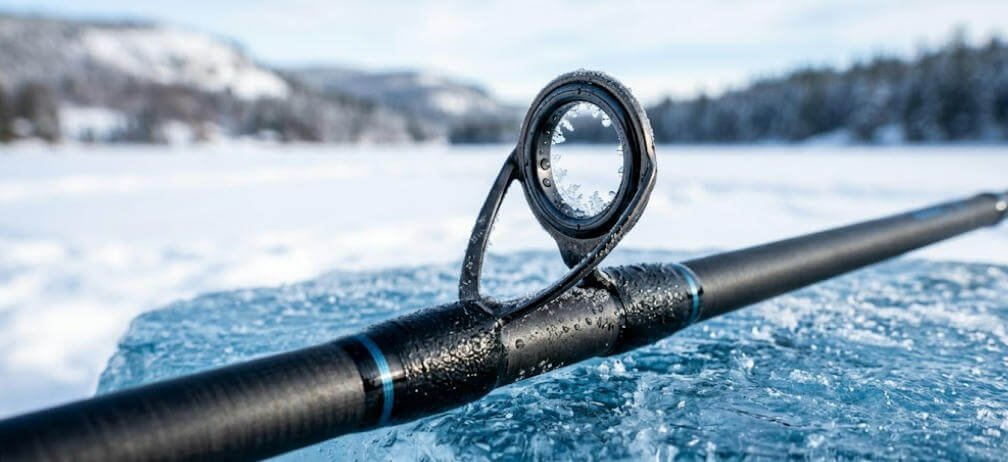
Second, closely inspect the fishing rod epoxy resin curing times. Rushed production schedules often lead to soft, tacky epoxy around the guide wraps. This substandard epoxy will eventually crack in extreme hot or cold weather. Finally, conduct a standardized dead-weight lifting test. Secure the rod handle tightly and lift a heavy weight to simulate a struggling fish. This process immediately exposes any hidden micro-fractures or weak points in the high modulus carbon bass rods. Do not rely exclusively on static factory photos; aggressively demand raw video evidence of these stress tests.
Customizing Heavy Cover Rod Blanks Wholesale for Your Market
Why Off-the-Shelf Action Fails in Heavy Weed Beds
Generic, off-the-shelf tapers will absolutely not satisfy serious tournament anglers fishing in specialized regional environments. For example, forcefully dragging a heavy jig through Florida’s dense hydrilla requires entirely different custom bass fishing rod tapers compared to fishing deep, clear rock piles in the Great Lakes. Premium heavy cover flipping stick blanks need an exceptionally fast, powerful tip to penetrate the fish’s tough jaw instantly. This must be backed by a massive, unyielding backbone to quickly wrench them out of the thickest weeds. If you simply buy generic blanks, your retail customers will inevitably complain about poor sensitivity or lost fish.
This is exactly why tailoring your heavy cover rod blanks wholesale orders to your specific regional market is a highly profitable strategy. You easily separate yourself from cheap, low-end competitors by offering specialized tools designed for serious anglers. A customized taper significantly elevates the perceived value of your durable bass fishing rods.
| Rod Blank Type | Ideal Resin Ratio | Power / Action | Target B2B Application |
|---|---|---|---|
| Jig and Worm Blanks | 22% – 25% | Medium-Heavy / Fast | Deep structure dragging, maximum sensitivity. |
| Flipping Stick Blanks | 26% – 30% | Heavy / Extra-Fast | Punching heavy grass mats, extreme lifting power. |
| Crankbait Glass/Carbon | 30% – 35% | Medium / Moderate | Open water reaction baits, delayed hooksets. |
Communicating Specs to a Reliable Bass Rod Supplier B2B
Crystal clear technical communication with your reliable bass rod supplier B2B is paramount to your success. You cannot just vaguely say “make it stiffer.” You must diligently use precise engineering terminology. When aggressively customizing jig and worm rod blanks, provide exact millimeter diameter measurements for both the butt and tip sections. You must also comprehensively discuss the material choices for the rod grips. For instance, debating EVA vs cork handles bulk sourcing directly impacts the final retail price point and the rod’s overall ergonomic balance.
Premium cork offers highly traditional aesthetics and enhanced vibration sensitivity, while high-density EVA foam provides superior slip-resistant grip in wet conditions and lowers your manufacturing costs. A seasoned OEM bass rod manufacturer will dedicate an experienced tackle engineer to translate your rough concepts into precise CAD blueprints. They will ensure your customized tournament grade bass rod blanks perform perfectly straight out of the production mold.
Shipping Durable Bass Fishing Rods: Logistics and Packaging
1-Piece vs. 2-Piece Rods: Freight Costs and Damage Risks
International shipping logistics can quickly make or break your wholesale profit margins. When calculating overall bulk fishing rod shipping costs, you must address the massive volumetric difference between one-piece and two-piece models. One-piece tournament grade bass rod blanks are heavily preferred by elite professional anglers for their uninterrupted power curve and superior blank sensitivity. However, shipping an 8-foot rigid tube across the Pacific Ocean is incredibly expensive and highly susceptible to crush damage.
Effective cross-border tackle shipping solutions often involve partnering with specialized freight forwarders who deeply understand how to handle oversized sporting goods. Alternatively, high-end two-piece rods drastically reduce volumetric weight and cut shipping fees in half, but they strictly require precision ferrules to maintain performance. You must carefully weigh your regional customer preference against your maximum allowable freight budget before finalizing the order.
Logistics Tip: Consolidating your heavy cover blanks into Full Container Loads (FCL) prevents the rough handling typically associated with Less than Container Load (LCL) shipments, drastically lowering your overall defect rate.
Factory Packaging Protocols to Prevent Micro-Fractures
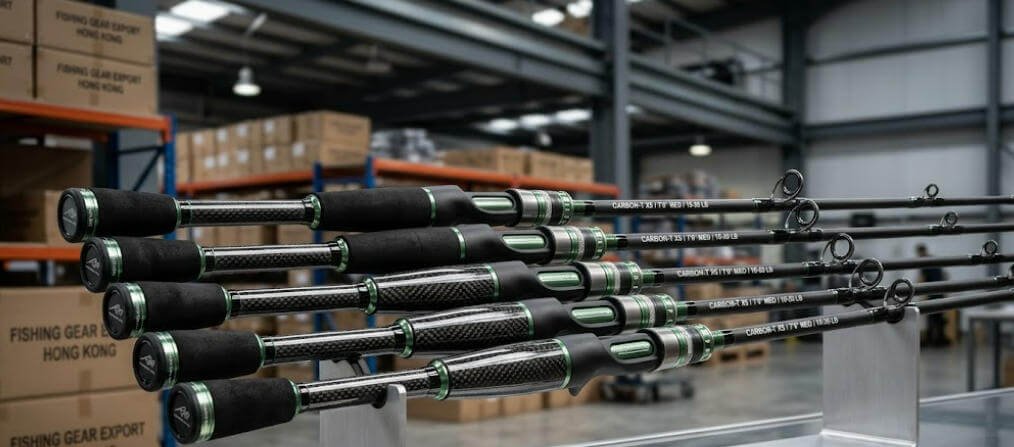
How to reduce freight damage when shipping one-piece bass rods internationally? The answer lies entirely within the factory packaging protocols. Expertly preventing rod breakage in transit starts long before the shipping container is even loaded. A premium fishing tackle factory will exclusively use thick-walled PVC tubes or reinforced heavy-duty triangular corrugated cartons. Inside the protective tube, the rods must be firmly suspended using multi-layered EPE pearl cotton inserts to prevent them from violently rattling against each other.
Even a microscopic scratch from a loose guide ring can create a massive stress riser in the thin carbon wall. This invariably leads to a catastrophic failure on the water. When rigorously auditing your fishing rod factory audit process, demand to see their formal drop-test certifications for packaged goods. Ensuring these protocols are met is the only way to deliver durable bass fishing rods perfectly intact to your buyers.
Factory Defect vs. User Error: Decoding Bass Rod Breakages
Identifying “High-Sticking” Snaps in Carbon Rods
Handling warranty claims is undeniably the most frustrating aspect of wholesale tackle distribution strategies. When an angry retail customer aggressively returns a snapped rod, you must accurately determine if it was a factory defect or blatant user error. Why do retail customers snap heavy duty bass rods on the water? The most overwhelmingly common culprit is “high-sticking.” This operator error happens when an angler violently lifts the rod past a 90-degree vertical angle while fighting a heavy fish or forcefully freeing a deep snag.
This action abruptly shifts all the stress away from the strong backbone directly to the fragile tip section. A classic high-stick break typically shows a clean, splintered snap isolated strictly within the top 12 to 18 inches of the rod. Actively educating your network of tackle shop owners on how to spot these user errors will robustly protect your bottom line from fraudulent, costly warranty claims.
Reducing Warranty Claims with Premium Sourcing
Conversely, a true, undeniable factory defect usually occurs in the lower or thick middle section of the rod, often right at the connection ferrule or just above the reel seat. These structural breaks look more like a crushed or hollowed-out fracture, clearly indicating a failure in the original carbon fiber rolling process or an improper epoxy resin cure. By partnering strategically with a top-tier OEM bass rod manufacturer, you effectively eliminate these foundational manufacturing errors at the source.
Establishing rock-solid bass fishing rod warranty terms B2B before successfully placing your order ensures you are financially protected against genuine manufacturing defects. When you consistently buy strong carbon fiber rods bulk from a highly reputable source, your overall regional return rate will plummet. This action directly and massively increases your annual profitability.
Real B2B Success: Lowering Defect Rates for a North American Wholesaler
Most overseas buyers easily ignore that the OEM fishing tackle production timeline directly and severely impacts ultimate quality control. Unreasonably rushing a factory to deliver containers before the busy spring fishing season often leads to purposefully skipped QC steps. I recently worked closely with a prominent tackle distributor based in Texas who was facing a brutally high 12% return rate on their heavy cover flipping sticks. Their previous budget supplier was recklessly cutting corners on the vital epoxy curing process to meet tight shipping deadlines.
We systematically and completely overhauled their entire Asian supply chain. By implementing a strict 45-day production schedule and seamlessly introducing a rigorous 5-point physical QC checklist, we successfully locked down their high modulus carbon specs. We subsequently upgraded their fragile packaging to reinforced PVC housing. Within one single year, their defect rate dropped to an astonishing 0.8%. They saved tens of thousands of dollars in freight damages and completely salvaged their premium brand reputation among local competitive tournament anglers.
FAQs: Importing Durable Bass Fishing Rods from China
Q: How to test heavy cover rod blanks wholesale for spine alignment?
A: You can accurately test the spine by resting the butt section on a smooth, hard surface, pressing down gently near the tip, and rolling the blank. The blank will naturally jump and settle into its most stable curved position; the outside of that distinct curve is the spine. Guides must be tightly wrapped along this specific axis to prevent twisting under heavy tournament loads.
Q: What causes durable bass fishing rods to break during ocean freight?
A: Breakage during ocean freight is primarily caused by cheap, improper internal packaging. If the delicate rods are not tightly suspended with EPE foam inside the PVC tubes, the relentless vibration of the cargo ship causes the hard ceramic guides to scratch the adjacent carbon blanks. This friction creates invisible micro-fractures that eventually snap abruptly under fishing tension.
Q: How can distributors verify batch consistency from an OEM bass rod manufacturer?
A: Distributors must clearly outline the exact carbon modulus, target resin ratio, and specific guide specifications heavily in the legal purchase contract. Hiring a third-party QC agency to inspect the raw materials before production and actively conducting randomized stress tests before container loading is the only genuinely foolproof verification method available.
Q: What is the best carbon fiber resin ratio for strong carbon fiber rods bulk?
A: For heavy cover bass applications, a resin ratio of exactly around 25% to 30% is generally considered ideal. This specific ratio confidently provides enough impact resistance and raw lifting power to extract huge fish from dense vegetation, without making the finished rod feel overly heavy, deadened, or unresponsive in the angler’s hand.
Q: How do I customize rod tapers with a reliable bass rod supplier B2B?
A: You must provide incredibly precise specifications including accurate lure weight ratings, line weight ratings, and highly specific target applications (e.g., punching heavy mats vs deep cranking). Sending a physical master sample of an existing rod whose action you want to flawlessly mimic or vastly improve upon is the most effective way to communicate with factory engineers.
Q: What are the standard QC checklists for importing bass fishing rods?
A: Standard checklists must include visual inspections of epoxy wraps, straightness alignment checks using a laser, precise ferrule fit testing, handle adhesion pulling tests, dead-weight lifting stress tests, and strict verification of the exact guide placement and sizing according to the approved factory CAD drawings.
Q: How to reduce freight damage when shipping one-piece bass rods internationally?
A: Always adamantly insist on using heavy-duty, thick-walled PVC or specially reinforced triangular corrugated packaging. Ensure the factory caps both ends securely and uses adequate internal pearl cotton padding to completely isolate the rods from each other. Consolidating orders into FCL also drastically reduces rough handling damage.
Q: Why do retail customers snap heavy duty bass rods on the water?
A: The vast majority of retail breakages are directly caused by “high-sticking”—lifting the rod past a 90-degree angle to the water surface, which massively overloads the fragile tip section. Accidental impact damage, such as violently hitting the rod against a boat cleat or stepping on it, also creates invisible weak points.
Q: What questions should I ask a Chinese fishing rod factory before bulk ordering?
A: Ask about their minimum order quantities (MOQ), their carbon cloth sourcing partners (e.g., Toray from Japan), their internal defect tolerance percentages, their standard OEM fishing tackle production timeline, and their explicit willingness to enthusiastically accept rigorous third-party pre-shipment inspections.
Q: How to handle warranty claims for imported bass fishing tackle?
A: Establish a crystal clear B2B warranty agreement with your factory long before purchasing. Most highly reputable suppliers will provide a predetermined percentage of free replacement blanks (e.g., 2% to 3% of the total order volume) explicitly in your next shipment to adequately cover any genuine manufacturing defects.
Ready to Upgrade Your Tackle Inventory?
Stop bleeding capital on damaged ocean freight and defective carbon blanks. You can get durable bass fishing rods here and partner directly with a manufacturing facility that truly understands tournament-grade quality control.
Get Free Quote in 12 Hours / Request Free Sample
Authority References & Market Data:
- 1. Polaris Market Research (2024): Global Fishing Apparel and Equipment Market Trends Analysis, 2025-2034
- 2. Outdoor Life (2026): The Best Spinning Rods for Bass of 2026, Tested and Reviewed
- 3. GooFish Rod Technical Guide (2025): Carbon Fiber Fishing Pole Guide: Resin Ratios and Selection
- 4. Alibaba B2B Sourcing Data (2026): Low MOQ Fishing Tackle Sourcing on Alibaba.com