Welcome To HavenseeK Fishing Tackle

Fishing Bait Guide
The Ultimate Guide to Fishing Bait
Fishing is both an art and a science, and choosing the right bait is one of the most crucial decisions every angler must make. Whether you are a beginner or a seasoned pro, understanding the various types of fishing bait, their uses, and how to select and prepare them can dramatically improve your chances of success. This comprehensive pillar page covers everything you need to know about fishing bait, from live and artificial options to DIY recipes and expert tips.
Table of Contents
- Introduction to Fishing Bait
- Types of Fishing Bait
- How to Choose the Right Bait
- Bait Selection by Fish Species
- Seasonal Bait Selection
- DIY Bait Recipes
- Expert Tips & Tricks
- Common Mistakes to Avoid
- Frequently Asked Questions
- Useful Resources
Introduction to Fishing Bait
Fishing bait is any substance used to attract and catch fish. The choice of bait depends on various factors, including the targeted fish species, environmental conditions, and personal preference. Bait can be live, dead, artificial, or prepared, and each type has its unique advantages and disadvantages. Understanding these differences is the key to becoming a successful angler.
Types of Fishing Bait
Live Bait
Live bait is often considered the most effective type of bait because it mimics the natural food sources of fish. Common examples include worms, minnows, leeches, and insects. The movement and scent of live bait can attract fish more effectively than artificial options.
- Worms: Nightcrawlers and red wig glers are popular choices for freshwater fishing.
- Minnows: Small fish that serve as excellent bait for larger predatory fish like bass and pike.
- Insects: Crickets and grasshoppers can be effective for species such as trout and panfish.
- Leeches: Often used for walleye and northern pike fishing, leeches can be highly effective due to their movement.
When using live bait, it is crucial to keep it alive and healthy. This requires proper storage techniques, such as using aerated bait buckets or coolers with ice packs to maintain optimal temperatures. Additionally, be mindful of local regulations regarding the use of live bait, as some areas have restrictions on certain species.
Dead Bait
Dead bait refers to fish or other organisms that have been killed and preserved for use as bait. This type of bait is particularly effective for catching larger predatory fish. Common examples of dead bait include:
- Cut Bait: Pieces of fish that are cut into smaller sections and used to attract larger fish.
- Whole Fish: Smaller fish like herring or sardines can be used whole for species like catfish and pike.
- Crustaceans: Dead shrimp or crabs can be excellent bait for saltwater fishing.
Dead bait should be stored properly to prevent spoilage. Using ice or a cooler can help maintain freshness, and it’s best to use dead bait as soon as possible after purchasing or catching it.
Artificial Bait
Artificial bait includes lures and other synthetic materials designed to mimic the appearance and movement of prey. These baits come in various forms, including:
- Soft Plastics: Worms, grubs, and other shapes made from flexible plastic that can be rigged in various ways.
- Hard Lures: Crankbaits, spoons, and jigs that create vibrations and reflections in the water to attract fish.
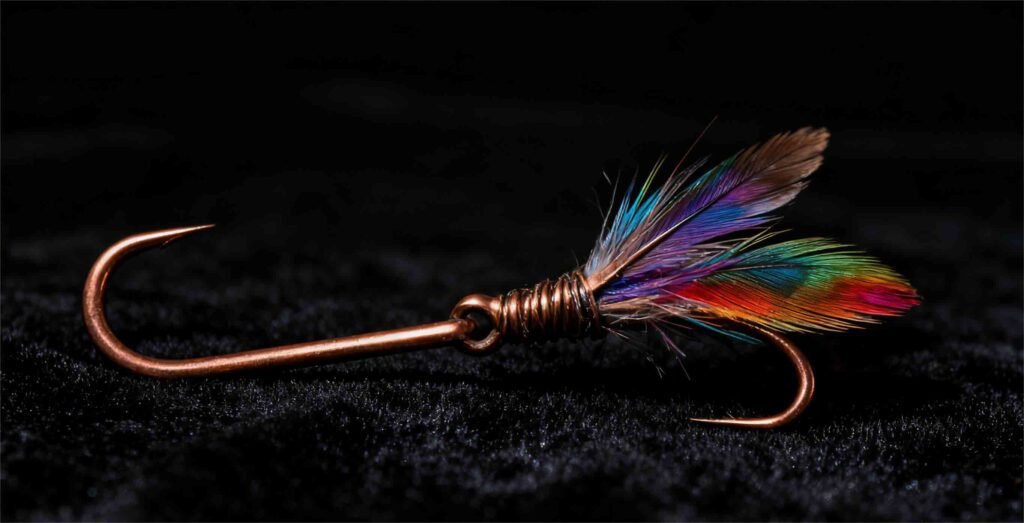
- Flies: Used in fly fishing, these are designed to imitate insects and other small creatures.
Artificial bait has the advantage of being reusable and often more durable than live bait. However, it may require more skill to use effectively, as the presentation and retrieval techniques can greatly impact success.
Prepared Bait
Prepared bait is commercially available and includes dough balls, scent-infused baits, and other mixtures designed to attract fish. These baits are typically easy to use and can be very effective, especially for beginners.
- Dough Balls: Often used for carp fishing, these can be flavored and colored to attract fish.
- PowerBait: A popular brand known for its effectiveness in trout fishing.
- Scented Baits: Baits infused with fish attractants to enhance their appeal.
Prepared bait is convenient and often ready to use right out of the package. However, it may not be as effective as live bait, and some anglers prefer the natural presentation that live bait offers.

How to Choose the Right Bait
Selecting the right bait involves considering several factors, including the target species, fishing environment, and personal preferences. Here are some tips to help you choose the best bait for your next fishing trip:
- Know Your Target Species: Research the feeding habits and preferences of the fish you are targeting. Different species have different preferences for bait type, size, and presentation.
- Consider the Environment: The type of water (freshwater vs. saltwater), temperature, and season can all influence bait effectiveness. For example, warmer water may require different bait than cooler water.
- Match the Hatch: Try to match your bait to the natural prey available in the area. Observing the local fish population can provide insights into what bait will work best.
- Experiment with Different Types: Don’t hesitate to try various types of bait to see what works best in your specific conditions. What works one day may not work the next.
- Ask Local Anglers: Engage with local fishing communities or bait shops to get recommendations on what bait is currently effective in your area.
Bait Selection by Fish Species
Different fish species have unique preferences when it comes to bait. Here’s a breakdown of popular fish and the best bait options for each:
1. Bass
Bass are opportunistic feeders and can be caught using a variety of baits. Effective options include:
- Live bait: Minnows or shiners.
- Artificial lures: Plastic worms, crankbaits, and spinnerbaits.
- Prepared bait: Scented dough balls.
2. Trout
Trout are often found in cold, clear waters and respond well to:
- Live bait: Worms, minnows, and insects.
- Artificial lures: Spinners, spoons, and flies.
- Prepared bait: PowerBait or other dough-based baits.
3. Catfish
Catfish are bottom feeders and can be caught using:
- Live bait: Leeches and worms.
- Dead bait: Cut fish or shrimp.
- Prepared bait: Stink baits or dough balls.
4. Panfish
Panfish, including bluegill and crappie, are often caught using:
- Live bait: Small worms, crickets, and minnows.
- Artificial lures: Tiny jigs and soft plastics.
- Prepared bait: Bread balls or corn.
5. Saltwater Fish
For saltwater fishing, consider using:
- Live bait: Shrimp, minnows, and crabs.
- Dead bait: Cut bait such as mackerel or squid.
- Artificial lures: Jigs, spoons, and topwater plugs.
Seasonal Bait Selection
The effectiveness of certain baits can vary with the seasons. Here’s a seasonal breakdown to help you choose the right bait throughout the year:
Spring
As water temperatures rise, fish become more active. Effective baits include:
- Live bait: Worms and minnows.
- Artificial lures: Crankbaits and spinnerbaits.
Summer
During the hot summer months, fish may seek cooler water. Consider using:
- Live bait: Leeches and nightcrawlers.
- Artificial lures: Topwater plugs and soft plastics.
Fall
As temperatures drop, fish prepare for winter. Effective baits include:
- Live bait: Shad and minnows.
- Artificial lures: Jigs and spoons.
Winter
Ice fishing can be a rewarding experience. Recommended baits include:
Artificial lures: Small jigs and spoons.DIY Bait RecipesMaking your own bait can be a rewarding and cost-effective way to enhance your fishing experience. Here are some popular DIY bait recipes that you can try:1. Homemade Dough BallsDough balls are effective for catching carp and panfish. Here’s how to make them:
6. DIY Bait Recipes
Creating your own bait can be a rewarding and cost-effective way to enhance your fishing experience. Here are a few simple DIY bait recipes to try:
- Basic Dough Balls: Mix flour, cornmeal, and water to create a dough. Roll into small balls and let them dry for a few hours. This bait works well for panfish and catfish.
- Cheese Bait: Combine shredded cheese, flour, and a bit of water until you achieve a doughy consistency. This bait is particularly effective for carp and catfish.
- Worm Bait: Blend together crushed worms with cornmeal and a bit of water. This natural bait can attract a variety of fish, including bass and trout.
Experiment with different ingredients to find what works best for your local fishing spots!
7. Expert Tips & Tricks
To maximize your fishing success, consider these expert tips:
- Know Your Fish: Research the species you’re targeting to understand their feeding habits and preferred bait.
- Time Your Fishing: Early mornings and late evenings are often the best times to fish, as many species are more active during these hours.
- Adjust Your Technique: Don’t be afraid to change your approach if you’re not getting bites. Vary your casting distance, retrieve speed, and bait type.
- Stay Quiet: Fish can be easily spooked by noise. Approach your fishing spot quietly and avoid sudden movements.
8. Common Mistakes to Avoid
Even experienced anglers can make mistakes. Here are some common pitfalls to avoid:
- Using the Wrong Gear: Ensure your rod, reel, and line are suitable for the type of fish you’re targeting. Using inappropriate gear can lead to lost fish.
- Ignoring Local Regulations: Always check local fishing regulations, including size and bag limits, to avoid fines and contribute to sustainable fishing practices.
- Not Checking Equipment: Before heading out, inspect your gear for any damage. A frayed line or broken rod can ruin your fishing trip.
- Overlooking Weather Conditions: Weather can significantly impact fish behavior. Pay attention to conditions and adjust your plans accordingly.
9. Frequently Asked Questions
Q: What is the best time of year to fish?
A: The best time to fish varies by species, but generally, spring and fall are prime seasons due to increased fish activity.
Q: How do I choose the right bait?
A: Consider the fish species, local conditions, and time of year. Live bait often works well, but artificial lures can be effective too.
Q: Do I need a fishing license?
A: Yes, most regions require a fishing license. Check local regulations for specific requirements.
Q: What should I do if I catch a fish?
A: If you plan to keep it, ensure you handle it properly. If you’re releasing it, do so gently to minimize stress and injury.
10. Useful Resources
Here are some valuable resources to enhance your fishing knowledge:
- Books: Look for titles on fishing techniques, species identification, and local fishing spots.
- Online Forums: Join fishing communities to share experiences, ask questions, and learn from fellow anglers.
- Local Fishing Clubs: Consider joining a local fishing club for networking opportunities and access to fishing events.
- YouTube Channels: Many anglers share tips and tutorials on YouTube, providing visual guidance on various techniques and bait recipes.
By utilizing these resources and tips, you can improve your fishing skills and increase your chances of a successful outing!