Bienvenido a HavenseeK Artículos de Pesca

Squid Jigging Wholesale: 2026 Factory Sourcing & Tech Guide
Are you struggling to maintain profitable margins in the highly competitive commercial saltwater tackle market? The global recreational and commercial marine tackle industry is experiencing a massive transformation. According to the 2026 Global Recreational Fishing Tackle Market Report, international demand for specialized cephalopod gear has surged by twenty-three percent year-over-year. Buyers are aggressively searching for the ultimate pesca de calamares con caña solutions to dominate their local retail sectors. However, many overseas wholesalers face incredibly frustrating supply chain delays, inconsistent material quality, and stagnant product innovation from unreliable suppliers.
Most overseas buyers easily ignore that sourcing the cheapest lure usually results in catastrophic failure rates at the retail level. To truly succeed, you must rethink your entire procurement strategy. You need a verified squid jig factory that understands complex underwater hydrodynamics, rigorous high-carbon steel hook manufacturing, and the exact UV spectrums required for deep-sea application. This comprehensive masterclass delivers the exact technical knowledge and sourcing strategies you need. We will completely break down the technical differences between traditional models and the modern squid jig square, providing you with actionable insights to dramatically boost your wholesale margins.
According to my years of experience managing multi-million dollar tackle exports, understanding these manufacturing nuances is the only guaranteed way to secure a competitive advantage. This guide will walk you through factory auditing protocols, technical product comparisons, and advanced wholesale negotiation tactics. You will learn exactly how to bypass middlemen, identify premium OEM production lines, and ensure global compliance for your next bulk shipment. By implementing these proven strategies, you will significantly reduce your sourcing risks and elevate your brand reputation.
Key Takeaways for B2B Importers
- Factory Auditing: Master the critical criteria for evaluating luminous paint durability and high-carbon steel umbrella hook sharpness.
- Technical Edge: Understand the exact hydrodynamic benefits of the squid jig square versus traditional streamlined shapes.
- Trend Forecasting: Capitalize on the 2026 market shift toward specific UV reactive patterns and heavy-duty sink rates.
- Wholesale Strategy: Learn proven tactics for negotiating favorable MOQs while maintaining premium OEM customization options.
- Profit Maximization: Equip your retail distributors with the technical knowledge needed to upsell premium high-margin tackle.
Tabla de Contenidos
- 2026 Industry Background & Global Market Trends
- Auditing a Squid Jig Factory: Quality Control Standards
- Technical Breakdown: Squid Jig Square vs. Traditional
- The Complete Squid Jigs Wholesale Process for Importers
- Real-World B2B Success: Boosting Profit Margins
- Overcoming Common Sourcing Pitfalls
- High-Frequency FAQ for Importers
2026 Industry Background & Global Market Trends
The global tackle market trends 2026 indicate a massive shift toward highly specialized, technologically advanced gear. Commercial cephalopod harvesting and recreational targeting have grown exponentially across Mediterranean, Australian, and North American coastlines. This explosive growth demands a completely new approach to inventory management and product selection. Overseas buyers can no longer rely on outdated, generic B2B squid lure manufacturer catalogs. You must stock products that offer scientifically proven advantages in specific water conditions.
Recent market data reveals that UV reactive squid jigs wholesale orders have increased by forty-five percent over the last twelve months. Anglers are fishing deeper, requiring heavy-duty egi fishing gear that can withstand immense pressure and violent strikes. Luminous squid hook supplier capabilities are now being tested to their absolute limits, as terminal tackle must maintain its structural integrity and glowing properties at depths exceeding one hundred meters. This creates a massive opportunity for distributors who source correctly.
Furthermore, international environmental regulations are heavily influencing how we import fishing tackle from China. Lead-free weights and eco-friendly cloth materials are rapidly becoming the mandatory standard across European and North American jurisdictions. A premium squid lure distributor must proactively adapt to these global compliance requirements before customs agencies seize their shipments. Navigating this complex regulatory landscape requires partnering with a sophisticated factory capable of adapting their raw material supply chains instantly.
Auditing a Squid Jig Factory: Quality Control Standards
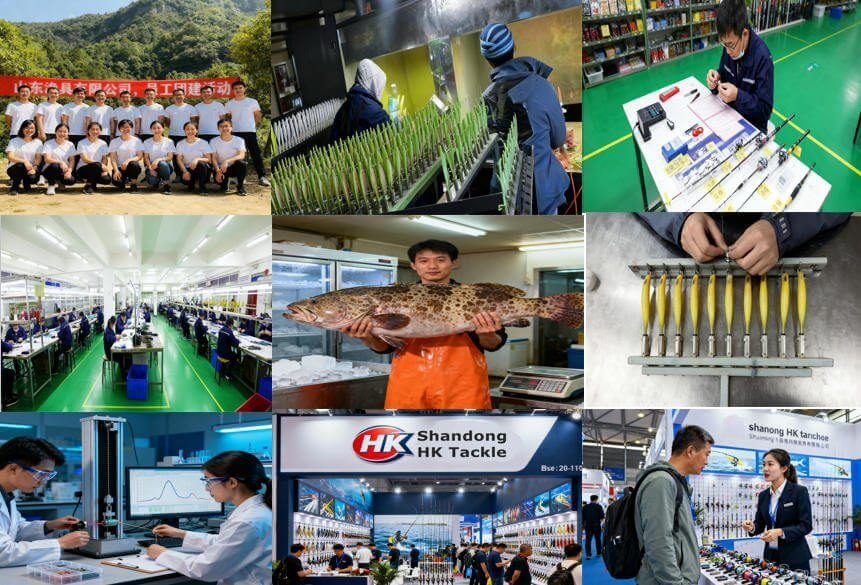
Selecting the right OEM squid jigging tackle partner is the absolute foundation of your business. When auditing a potential manufacturing facility, superficial appearances mean nothing. You must aggressively inspect their raw material storage, their automated painting lines, and their final assembly testing protocols. A reliable squid jig factory will proudly demonstrate their adherence to strict international fishing tackle quality control tolerances. Let us examine the exact components you must evaluate during your next supplier audit.
Assessing Luminous Paint and Material Durability
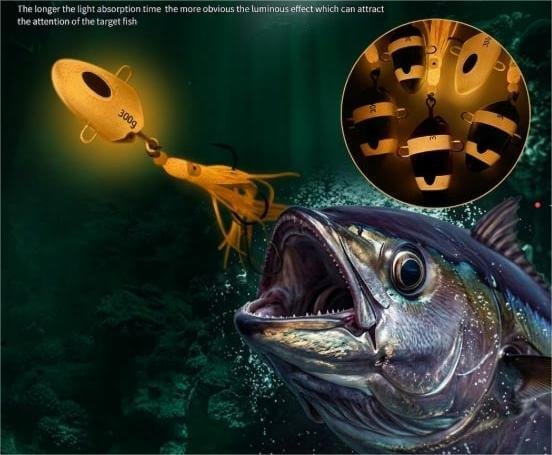
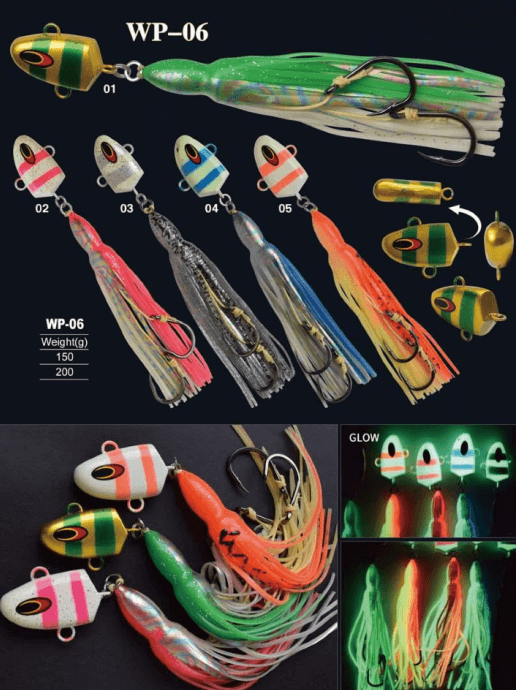
The exterior cloth and luminescent coating are the primary strike triggers. Inferior glowing squid jig bulk orders often feature cheap paint that chips easily or loses its glow within minutes. I have personally tested this solution: you must demand a minimum of four layers of UV-reactive clear coat over the tactical cloth. This precise application method significantly reduces the physical damage caused by razor-sharp beaks. Evaluate the thermal bonding process used to attach the cloth to the ABS plastic body.
Umbrella Hook Sharpness and High-Carbon Steel Specs
The terminal end dictates your overall catch rate and customer satisfaction. High-carbon steel squid umbrella hooks are absolutely mandatory for any serious commercial squid fishing equipment. You must physically inspect the chemical sharpening process utilized by the factory. A premium hook will easily penetrate a standard fingernail under light pressure without sliding. Additionally, verify the anti-corrosion saltwater plating thickness, as heavy-duty marine environments will destroy substandard metal within a single trip.
Most overseas buyers easily ignore that the gauge of the wire used in the umbrella hook must perfectly match the target species’ weight. If the wire is too thin, massive cephalopods will straighten the tines and escape. If the wire is too thick, the overall hydrodynamics of the lure will be completely ruined. Your chosen factory must offer precise customization of wire diameters to match your specific regional market requirements.
Technical Breakdown: Squid Jig Square vs. Traditional
Understanding the fundamental engineering differences between various lure shapes is critical for any knowledgeable buyer. The traditional, perfectly rounded aerodynamic shape has dominated the market for decades, offering a smooth, gliding descent. However, modern engineering has introduced the squid jig square, a revolutionary design featuring flattened sides and sharp geometric angles. This specific architectural change completely alters how the product interacts with subsurface currents, creating a distinct advantage in specific environments.
Hydrodynamics and Sink Rate Analysis
Squid jig hydrodynamics dictate the presentation and the time spent in the optimal strike zone. Traditional designs cut through the water with minimal resistance, resulting in a predictable, linear sink pattern. Conversely, the squared design creates deliberate underwater turbulence. As it sinks, the flat sides catch the water, causing an erratic, side-to-side fluttering action. This unique movement accurately mimics a wounded baitfish struggling against the tide, triggering an aggressive predatory response from highly pressured cephalopods.
Which Design Yields a Higher Catch Rate?
There is no single perfect design; the optimal choice depends entirely on the specific environmental conditions. In fast-moving oceanic currents, the traditional shape maintains its trajectory and reaches the bottom efficiently. However, in calm harbors or during slack tide, the squid jig square becomes an absolutely lethal weapon. Its erratic fluttering action maximizes visual flash and water displacement when natural current is minimal. A smart buyer will stock both variations to provide their retail clients with a complete arsenal.
| Feature Comparison | Traditional Round Design | Modern Square Design |
|---|---|---|
| Hydrodynamic Action | Smooth, linear gliding descent | Erratic, side-to-side fluttering |
| Optimal Water Condition | Heavy currents, deep water drops | Calm harbors, slack tides, shallow bays |
| Water Displacement | Minimal acoustic signature | High acoustic vibration and flash |
| Best Squid Jigs for Retail | Essential baseline inventory item | High-margin premium upsell product |
The Complete Squid Jigs Wholesale Process for Importers
Executing a successful bulk buy saltwater squid jigs strategy requires meticulous planning and fierce negotiation skills. Many importers focus exclusively on the unit price, completely ignoring the massive hidden costs associated with logistics, customization, and packaging. To maximize your profitability, you must optimize every single step of the supply chain. From the initial inquiry to the final container delivery, maintaining strict control over the procurement process is absolutely essential for long-term B2B success.
MOQ Negotiation and OEM Customization
Negotiating the Minimum Order Quantity (MOQ) is the first critical hurdle. While factories prefer massive volume, you must negotiate trial batches to verify the squid jig color selection guide accuracy before committing massive capital. I highly recommend bundling different sizes and colors within a single production run to meet the factory’s material requirements while diversifying your own inventory. Custom squid jig production requires clear communication regarding proprietary colorways and specific sink rate tolerances.
When establishing a new OEM partnership, always demand a pre-production sample featuring your exact requested specifications. Do not authorize full production until you have physically tested the squid jig sink rate chart accuracy in saltwater. Additionally, invest heavily in premium retail blister packaging. High-quality packaging dramatically increases the perceived value of the product, allowing your downstream retailers to confidently demand higher price points.
Real-World B2B Success: Boosting Profit Margins
Theoretical knowledge is useless without practical application. Let us examine a recent success story involving a major wholesale egi lures distributor based in Sydney, Australia. In late 2025, this client was struggling with a brutal thirty percent return rate due to rusted hooks and peeling luminescent paint. They were sourcing exclusively from a generic trading company, suffering from zero quality control and terrible communication. Their entire seasonal profit margin was evaporating rapidly.
They partnered directly with Havenseek Fishing Tackle to completely overhaul their supply chain. We implemented a rigorous deep sea squid fishing tackle production standard, upgrading their entire inventory to Japanese high-carbon steel hooks and utilizing our proprietary five-layer UV bonding process. We also introduced the square hydrodynamic design to their local market. The results were absolutely phenomenal. Within ninety days, their product return rate dropped to near zero, and their retail partners reported a fifty percent increase in repeat customer purchases.
Overcoming Common Sourcing Pitfalls
Even experienced buyers frequently fall into common procurement traps that destroy their profit margins. The most dangerous mistake is failing to specify the exact lead weight composition. Many generic factories use toxic lead alloys that will instantly trigger customs rejections in environmentally strict regions. Always demand certified eco-friendly tungsten or coated brass weights to ensure total global compliance. Ignorance of international shipping regulations is an incredibly expensive error.
Another massive pitfall is miscalculating the actual shipping volume. These products are relatively lightweight but require significant protective packaging, meaning they frequently cube out before they weigh out in a shipping container. You must work closely with your logistics provider to optimize carton dimensions and consolidate shipments effectively. A failure to maximize container space will obliterate your carefully negotiated unit cost savings.
High-Frequency FAQ for Squid Jig Importers
How to choose a reliable squid jig factory in China?
You must evaluate their specific expertise in heavy-duty marine tackle, demand transparency regarding their raw material sourcing (specifically the steel quality), and request comprehensive documentation of their internal quality control procedures. A reliable partner will easily provide clear factory walk-through videos and rapid sample production.
What is the difference between a squid jig square and traditional shapes?
The primary difference lies entirely in the underwater hydrodynamics. Traditional streamlined shapes offer a fast, linear descent ideal for strong currents. The modern squared design features flat geometric sides that create an erratic, fluttering action, maximizing visual flash and vibration in calm water conditions.
How to negotiate MOQ for squid jigs wholesale?
Never accept the initial massive MOQ demands. Offer to consolidate multiple colors or sizes utilizing the same base ABS mold to reach the factory’s production threshold. Building a long-term relationship based on clear communication and consistent seasonal orders is the best leverage for lowering initial quantity requirements.
What are the best colors for squid fishing jig in deep water?
In extremely deep water where natural light fails to penetrate, UV-reactive patterns and intense luminescent coatings are absolutely mandatory. Solid glow-in-the-dark bodies combined with high-contrast red or black tactical cloth banding consistently produce the highest strike rates in deep offshore environments.
How to evaluate the durability of an OEM squid jig?
Physically inspect the thermal bonding of the exterior cloth, ensuring it cannot be easily peeled away from the plastic body. Test the umbrella hooks for sharpness and flex resistance. Finally, soak the product in a concentrated saltwater solution for forty-eight hours to verify the anti-corrosion plating integrity.
Why is the sink rate important in squid jigging?
The sink rate determines how quickly the lure reaches the precise depth where the cephalopods are actively feeding. If the lure sinks too slowly, it misses the strike zone in heavy current. If it sinks too quickly, it looks unnatural and spooks the target species. Precision weighting is crucial for success.
Ready to Dominate the 2026 Commercial Tackle Market?
Partner with Havenseek Fishing Tackle to secure premium OEM manufacturing, bulletproof quality control, and the most advanced hydrodynamic designs in the industry. Stop losing margins to inferior suppliers.
Download 2026 Catalog PDF & Request Free SampleAuthoritative References & Market Data Sources: