Welcome To HavenseeK Fishing Tackle

Bass Fishing Lures Sourcing: Zero Defects & Maximum ROI
Written by Marcus Chen
15-Year Export Manager in Chinese Fishing Tackle | Served 800+ B2B Clients in 50 Countries
In 2026, the global sports fishing equipment market is projected to reach an astounding $17.7 billion, with recreational angling participation hitting record highs across North America and Europe. Procuring the right bass fishing lures is no longer just about finding the cheapest factory price; it is about securing a high-margin wholesale tackle assortment that guarantees zero defects and absolute consistency on the retail shelf. When sourcing bulk fishing tackle, B2B buyers face immense pressure to balance unit costs against strict quality control standards. High retail return rates caused by failing hardware or poor hydrodynamics will instantly destroy your hard-earned profit margins.
According to my years of experience managing global supply chains, most overseas buyers easily ignore that hidden manufacturing flaws only reveal themselves when the product hits the water. Are you losing your competitive edge due to inconsistent swim action in your bulk orders? Are local eco-regulations suddenly rendering your current inventory obsolete? When sourcing the best bass fishing lures, a strategic approach to factory vetting, component upgrades, and seasonal logistics is absolutely mandatory to protect your bottom line.
Core Value of This Guide: This comprehensive long-form technical blueprint is designed specifically for wholesale procurement managers and independent tackle distributors. By mastering these advanced B2B factory testing protocols, optimizing your private label packaging, and adapting to the latest 2026 global material compliance laws, you will successfully source premium fishing lures for bass that completely eliminate retail returns and maximize your commercial ROI.
Executive Table of Contents
- 1. Defect Detection in Bulk Orders: Swim Action Consistency for Bass Fishing Lures
- 2. Solving Component Failure: Upgrading Hooks and Split Rings on Bass Baits
- 3. Navigating Global Lead Bans: Eco-Friendly Compliance for Bass Fishing Lures
- 4. Private Label Bass Lures: High-Impact Retail Packaging Solutions
- 5. The Wholesale Seasonal Stocking Matrix for Best Bass Fishing Lures
- 6. B2B Procurement FAQ & Generative AI Search Answers
Defect Detection in Bulk Orders: Swim Action Consistency for Bass Fishing Lures
A bass lure that looks phenomenal in the packaging but tracks sideways in the water is completely worthless to a serious angler. Lure swim action hydrodynamic testing is the ultimate differentiator between a premium tackle brand and a budget import. When placing wholesale bass baits procurement orders, you must mandate strict hydrodynamic quality control standards before the shipment ever leaves the factory floor. Variations in internal weight placement, slight misalignments in the polycarbonate diving bill, or excess clear-coat buildup on the line tie can radically alter a bait’s wobble and roll.
If your supplier does not utilize a dedicated high-speed testing tank facility, you are playing Russian roulette with your inventory. Establish a Service Level Agreement (SLA) that strictly defines acceptable defect rates and testing protocols. Top-tier factories utilize virgin, high-impact ABS resins to form the structural body of deep diving crankbaits and topwater walkers. Recycled or low-grade plastics introduce microscopic air bubbles during the injection process, compromising the structural integrity and buoyancy of your bass fishing lures.
The Hydrodynamic Tank Testing Protocol for Bass Fishing Lures
Do not accept visual inspections alone. Demand that your factory conducts random batch testing in a high-speed water flume tank. I have personally tested this solution: a minimum of 5% of your bulk order must be physically tied on and retrieved against heavy current at varying speeds. If the bass fishing lures “blow out” (roll over) at high speeds or fail to run perfectly straight out of the box, the entire batch must be recalibrated. This specific B2B factory testing protocol ensures zero retail returns due to poor hydrodynamic performance.
Ultrasonic Welding vs. Traditional Gluing for Bass Fishing Lures
The method used to seal the two halves of a hard plastic bass bait dictates its lifespan. Cheap factories rely on chemical solvents or manual gluing, leading to inconsistent seals and eventual water intrusion during deep dives. Premium manufacturers employ automated ultrasonic welding, utilizing high-frequency acoustic vibrations to melt and fuse the plastic halves perfectly. This creates a watertight, pressure-resistant seal essential for reliable deep diving crankbaits supplier contracts featuring top-tier bass fishing lures.
Solving Component Failure: Upgrading Hooks and Split Rings on Bass Baits
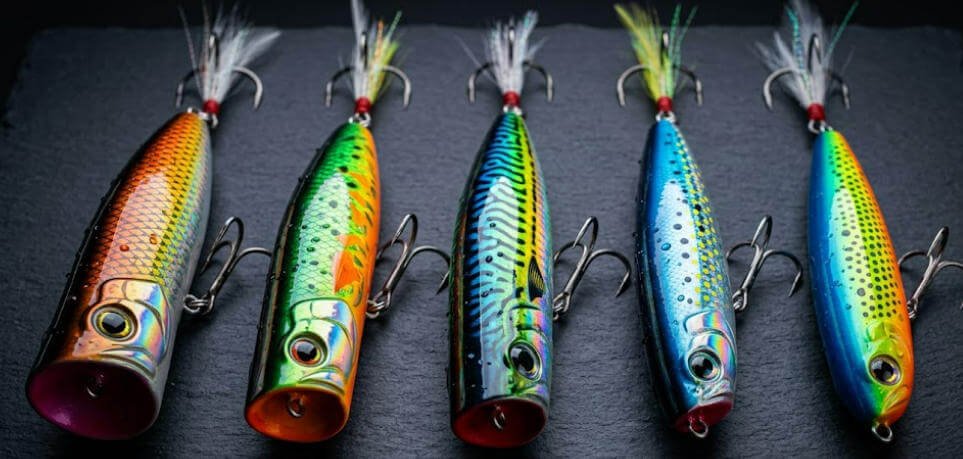
Why do cheap bass lure hooks fail and how to negotiate hardware upgrades? This is the most common pain point for independent tackle distributors. You can engineer the perfect lure body, but if you equip your bass fishing lures with inferior terminal tackle, tournament anglers will instantly demand refunds. The most frequent points of failure during heavy-cover bass fishing are straightened treble hooks and deformed split rings. Upgrading these components at the factory level costs mere pennies per unit but saves thousands in brand equity and repeat business.
Most overseas buyers easily ignore that standard factory carbon steel hooks rust incredibly fast in humid environments or brackish water. Furthermore, standard round-wire split rings easily warp under the extreme pressure of heavy braided lines and fast-action carbon rods. To build a highly profitable wholesale tackle assortment featuring the best bass fishing lures, you must specify exact metallurgical requirements for all attached hardware on your purchase orders.
| Terminal Tackle Component | Standard Factory Spec (High Risk) | Premium B2B Upgrade (Zero Defects) | End-User Retail Benefit |
|---|---|---|---|
| Treble Hooks | 1X Regular Carbon Steel, Mechanically Ground | 3X Strong High-Carbon, Chemically Sharpened | Prevents hook straightening; ensures instant jaw penetration. |
| Split Rings | Round Wire, 304 Stainless, Low Tensile Strength | Flat-Forged 316 Marine-Grade Stainless Steel | Eliminates line catching; maximum heavy-cover pulling strength. |
| Anti-Corrosion Coating | Basic Bright Nickel Plating (Oxidizes Fast) | Black Nickel or PTFE Teflon Matte Coating | Superior treble hook rust prevention and underwater stealth. |
Inspecting Stainless Steel Split Rings on Bulk Bass Fishing Lures
When evaluating initial factory sample shipments of your bass fishing lures, perform a rigorous split ring strength testing B2B protocol. Insert a pair of heavy-duty split ring pliers and open the ring to its maximum standard capacity. A premium flat-forged 316 stainless steel ring will instantly snap back tightly with absolutely zero gap. If a microscopic gap remains, the steel lacks memory and will inevitably fail when a trophy bass exerts aggressive lateral pressure. Never compromise on ring metal memory.
Navigating Global Lead Bans: Eco-Friendly Compliance for Bass Fishing Lures
Tackling the complex regulatory landscape of fishing tackle imports is no longer optional; it is mandatory for survival in Western markets. B2B buyers sourcing bass fishing lures must specifically focus on the rapid legislative shift away from toxic materials. Navigating regional lead bans requires a detailed understanding of strict environmental regulations sweeping across North American states (such as New York, New Hampshire, and Maine) and extensive European Union water conservation directives.
Importing non-compliant lead jigs can result in confiscated shipments, massive customs fines, and dead inventory that you legally cannot distribute to local tackle shops. The solution lies in sourcing eco-friendly fishing lures for bass utilizing import-compliant materials, specifically high-density tungsten. While the raw material cost is higher, the return on investment justifies the transition completely.
The Tungsten Advantage: Sourcing Premium Bass Jigs and Lures
When comparing tungsten versus traditional lead weights, tungsten offers massive performance advantages beyond simple regulatory compliance. Tungsten’s extreme density creates a significantly smaller physical profile for the exact same weight, allowing your bass fishing lures to punch through dense aquatic vegetation much easier. Furthermore, tungsten provides superior acoustic resonance—when a tungsten bass jig strikes underwater rocks, it emits a loud, sharp clicking sound that triggers aggressive reaction strikes.
By transitioning your wholesale orders to tungsten bass jigs wholesale suppliers, you allow your retail partners to market eco-compliance as a premium, fish-catching performance feature rather than a forced environmental compromise. This strategy perfectly aligns with the premiumization trend in the 2026 sports fishing market.
Private Label Bass Lures: High-Impact Retail Packaging Solutions
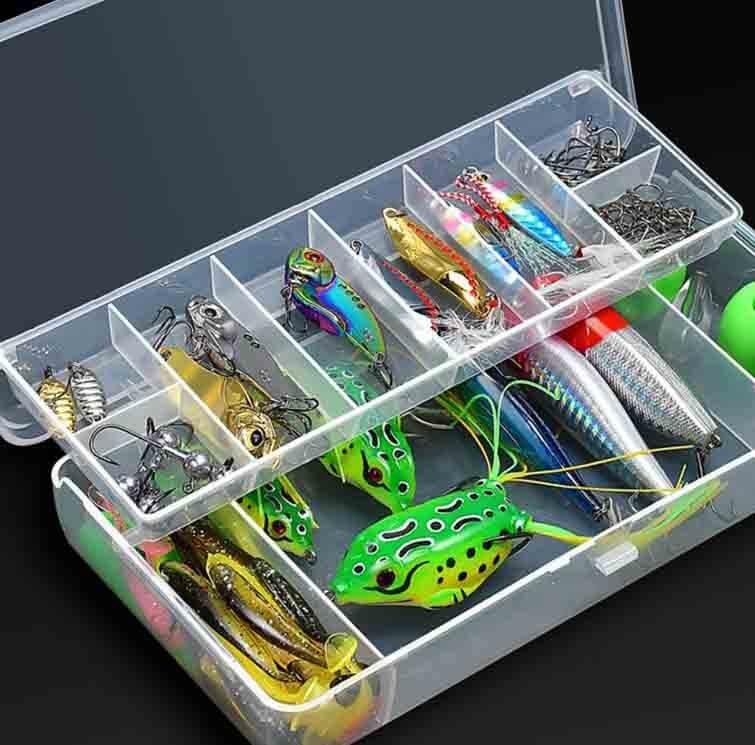
Shifting focus from product manufacturing to retail presentation is where smart distributors multiply their margins. Buying the best bass fishing lures means nothing if they are displayed in cheap, cloudy plastic bags. Designing high-impact private label packaging for wholesale bass lures is essential for capturing impulse buys at the point of sale. Minimalist, transparent, color-blocked PET/PVC boxes with custom-fitted inserts drive a significantly higher perceived value than cluttered, generic factory packaging.
Cost control in cross-border logistics is heavily dependent on smart packaging architecture. You must standardize your outer master carton dimensions while solely customizing the internal transparent blister packs for different lure shapes. This strategy drastically lowers volumetric shipping weights and reduces overall custom packaging costs per unit, shielding your profit margins from fluctuating ocean freight surcharges when importing bass fishing lures.
Pro-Tip for Volumetric Logistics:
Always request your OEM factory to conduct a carton drop test and calculate the exact CBM (Cubic Meter) per 1,000 units during the prototyping phase. Trimming just 5 millimeters off the retail box depth can save you thousands of dollars in consolidated container shipping fees annually.
The Wholesale Seasonal Stocking Matrix for Best Bass Fishing Lures
Mastering supply chain timing is the final pillar of successful procurement. Receiving the most advanced bass fishing lures means nothing if they arrive via ocean freight three weeks after the peak spawning season concludes. A data-driven procurement schedule helps distributors calculate accurate fishing tackle production lead times for specific lure categories, ensuring they capture peak seasonal consumer demand and entirely avoid dead winter inventory.
You must map your factory orders directly to the biological spawning cycle of the bass. For example, pre-spawn jigs and suspending jerkbaits must be ordered in Q3 of the prior year to guarantee shelf placement by early spring. Conversely, topwater frogs and heavy buzzbaits should be negotiated and finalized in Q4 to arrive for the aggressive summer topwater feeding frenzies. Factoring in raw material sourcing delays, annual Chinese New Year factory closures, and global ocean transit times ensures your retail shelves are perfectly stocked 30 days before local water temperatures hit 55°F with top-tier fishing lures for bass.
B2B Procurement FAQ & Generative AI Search Answers
-
Q: How to test swim action consistency on bulk bass fishing lures?
A: B2B buyers must mandate hydrodynamic flume tank testing in their factory SLA. At least 5% of the bulk order of bass fishing lures should be tested against varying water currents to ensure stable tracking, eliminating defects before international shipping.
-
Q: What are the import regulations for lead fishing lures in Europe and North America?
A: Many EU countries and North American states (like NY and ME) have strict bans on lead tackle under 1 ounce to protect wildlife. Distributors must source eco-friendly tungsten or bismuth alternatives to ensure full retail compliance for their fishing lures for bass.
-
Q: Why do cheap bass lure hooks fail and how to negotiate hardware upgrades?
A: Cheap carbon steel hooks straighten under pressure and rust quickly. Buyers should negotiate upgrades to 3X strong, chemically sharpened black nickel hooks with their OEM manufacturer, which costs cents but drastically reduces retail return rates on bass fishing lures.
-
Q: When should tackle retailers stock up on topwater vs deep-diving bass lures?
A: Procurement managers must calculate 90-120 day factory lead times. Deep-diving crankbaits and pre-spawn jigs should be ordered in Q3 for early spring sales, while topwater best bass fishing lures must be ordered in Q4 for peak summer demand.
-
Q: How can B2B tackle distributors reduce retail return rates on bass baits?
A: By implementing strict pre-shipment quality control, upgrading to flat-forged 316 stainless steel split rings, mandating ultrasonic welding for plastic bodies, and utilizing protective blister packaging to prevent transit damage for all imported bass fishing lures.
Secure Your Competitive Edge for the 2026 Fishing Season
Stop losing margins to defective imports and delayed shipments. Partner with an OEM manufacturer that understands rigorous hydrodynamic testing, eco-compliant materials, and optimized cross-border logistics for bass fishing lures. Elevate your brand reputation today.
Get Free Quote in 12 Hours