Welcome To HavenseeK Fishing Tackle

The Blade Bait Secret Pros Use to Catch Giant Bass in Any Condition
It’s pitch-black out, wind’s howling off the lake, and your fingers are frozen stiff—but the guy next to you just hauled in a 6-pound largemouth like it owed him money. His secret? A blade bait. That flat hunk of vibrating metal that looks more like a bottle opener than a bass slayer… yet it keeps filling livewells when flashier lures fall flat. It doesn’t care if it’s 40 degrees or blowing sideways—when fish get finicky, this thing flips the switch.
This isn’t angler folklore—it’s backed by demand spikes across Q4 retail reports from Rapala VMC and Bass Pro Shops’ sales data over three consecutive years. Blade baits don’t sit on shelves long when temps drop below 55°F. So if you’re stocking for serious anglers or building SKUs that actually move in cold seasons, you might want to pay attention before someone else corners your water.
Essential Insights for Mastering Blade Bait
➔ Best Times for Use: Blade bait thrives during dawn and dusk, under overcast weather, and in spring and fall when bass feed aggressively.
➔ Effective Techniques: Adjust weight and hook size based on water depth, use natural color patterns in clear waters, and fine-tune vibration frequencies to attract bites.
➔ Ideal Conditions: Optimal water temperature ranges from 40-65°F, wind and currents enhance bait motion, and rocky or sandy bottom structures yield the best fishing results.
➔ Comparative Advantages: Blade bait is compact for easy storage, cost-efficient to produce, and excels in deeper waters compared to other lures like crankbaits and spinners.
➔ Market Dynamics: Demand for blade bait peaks in cooler months, making it a must-stock item for retailers looking to meet angler needs.
The Best Times for Using Blade Bait
Timing your cast can be the difference between a slow day and non-stop action with blade bait. Here’s when bass are most likely to smash your lure.
The secret behind dawn and dusk: Timing the bite
- Dawn and dusk aren’t just pretty—they’re fishing gold. These crepuscular hours are when bass go into ambush mode.
- Bass rely on low visibility during these low light windows to sneak up on prey, making your vibrating blade bait irresistible.
- Think of it as nature’s feeding bell—when shadows stretch long, fish get hungry.
You’ll find that early morning casts just before sunrise or late throws as the sun dips often trigger aggressive hits. These brief but powerful feeding windows align with peak bass activity, especially during warmer months.
Weather patterns that make blade bait irresistible
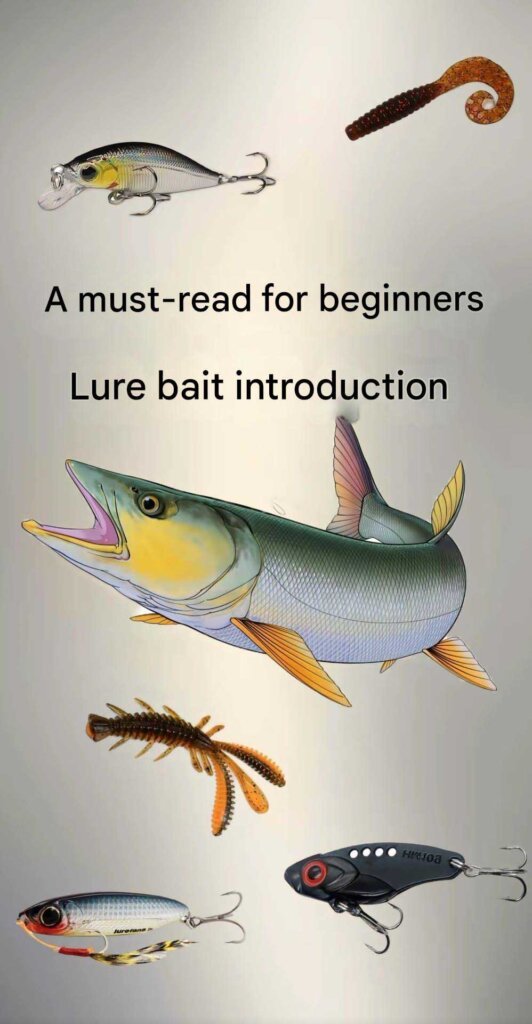
Grouped by weather types and their effects on presentation:
Overcast Skies
- Dim lighting mimics dawn/dusk conditions
- Enhances flash and thump of metal baits
- Bass roam more freely from cover
Windy Conditions
- Choppy surface masks angler presence
- Wind pushes baitfish into predictable zones
- Ideal for casting across points or windblown banks
Post-front Calm
- After a cold front, bass may suspend mid-column
- Use vertical jigging with your blade bait
- Slow down retrieve to match lethargic behavior
Recent data from NOAA (2024) shows that barometric drops following storm fronts tend to correlate with increased shallow-water movement among largemouth, making this the perfect time to throw flashy metal lures into transitional zones.
Seasonal shifts: When bass are most active
| Season | Water Temp (°F) | Bass Behavior | Blade Bait Strategy |
|---|---|---|---|
| Spring | 50–65 | Pre-spawn aggression | Yo-yo retrieve near staging areas |
| Summer | 70+ | Deep structure holding | Vertical jigging off ledges |
| Fall | 55–65 | Feeding frenzy | Fast retrieves near shad schools |
| Winter | <45 | Sluggish movement | Slow lift-drop along bottom |
In spring, rising temps trigger the pre-spawn, where females bulk up aggressively—prime time for sharp vibration baits like segmented metal lures. Come fall, it’s all about chasing calories before winter hits; this is when fast-moving presentations tap into their instinctive response.
Bass migrate seasonally too—shifting between shallow flats and deeper holes based on temperature swings. Understanding these behavioral cycles helps you match your technique to the moment, keeping your presentation right in front of them when they’re ready to strike.
Top 5 Tips for Using Blade Bait Effectively
Mastering the use of a blade bait can seriously level up your bass game. Here’s how to get it dialed in just right.
Adjusting weight and hook size for optimal results
Getting the right setup means matching your lure’s specs to what the water throws at you. A few key tweaks make all the difference:
- Lighter blade bait weight (1/4 oz) works best in shallow creeks or slow-moving rivers.
- Go heavier—up to 3/4 oz—for deep drop-offs or fast currents to maintain contact with the bottom.
- Use larger hook sizes (#4 or #2 trebles) when targeting bigmouths; smaller hooks are better for finesse presentations.
If you’re casting far, a heavier lure helps with distance—but don’t sacrifice sensitivity. Keep your rod tip low and line tight on the fall.
Color patterns that attract giant bass in clear waters
In crystal-clear lakes, visibility is everything—and so is realism. Bass aren’t dumb; they’ll ghost anything that looks off. Here’s what gets them biting:
- Natural silver mimics shad—ideal during bright daylight hours.
- Holographic blue-silver combos reflect light like real preyfish.
- Translucent golds work great during sunrise/sunset transitions.
- UV-enhanced finishes give you an edge when clouds roll in or light penetration drops.
Those subtle shifts in tone can determine whether you’re catching giants—or just casting practice casts all day long.
Perfecting vibration frequency: How it influences strikes
Bass pick up on vibrations before they even see your lure, especially when you’re ripping through vegetation or bouncing off structure.
• Fast retrieves = high-frequency chatter = aggressive reaction bites from active fish
• Slow lifts-and-drops = low-frequency pulses = triggers lethargic winter bass
To really fine-tune things, vary your retrieve speed until you find that sweet spot where the blade bait vibration feels alive but not chaotic.
| Retrieve Style | Vibration Frequency | Best Water Temp | Likely Bass Behavior |
|---|---|---|---|
| Steady Lift | Medium | 50–60°F | Neutral |
| Snap Jig | High | 60–70°F | Aggressive |
| Yo-Yo Drop | Low | <50°F | Lethargic |
| Burn & Pause | Very High | >70°F | Reaction Strike Mode |
This isn’t guesswork—it’s physics meeting instinct underwater.
Material choices: Stainless steel vs. lead alloy for durability
When it comes to what your lure’s made of, it’s more than just preference—it affects longevity, action, and even legality depending on local rules:
- Stainless steel blade baits resist rust like champs and hold their flash longer—great if you’re fishing saltwater edges or humid zones.
- On the flip side, lead alloy lures are budget-friendly and easier to customize with paint jobs or stickers—but they ding up faster on rocks.
- If you’re slamming bottom often? Stainless gives better bang-for-buck over time despite its higher upfront cost.
Some anglers keep both types handy depending on conditions—and that flexibility pays off big time during tournaments or fast-changing weather swings.
Havenseek Tackle offers a hybrid stainless-lead blend model that balances strength and affordability without sacrificing action—worth checking out if you’re serious about refining your arsenal.
When to Choose Blade Bait: Conditions Matter
Timing and environment play a huge role in how well a blade bait works. Let’s break down when and where this lure really shines.
Water temperature: Finding the ideal range for success
- 40–50°F: Cold water is prime time. Bass slow down, and a tight-vibrating blade bait mimics dying baitfish perfectly.
- 51–65°F: Still solid range—bass are active but not too aggressive, making the subtle flash of metal irresistible.
- Over 65°F: You’ll want to switch tactics; warmer water usually calls for faster or topwater lures.
When it comes to matching fish behavior with gear choice, understanding how water temperature affects bass metabolism is half the battle.
Wind and currents: How they affect blade bait performance
- Strong winds create surface chop—this masks your presence and lets the vibration from a blade bait stand out.
- In moving water, the current gives your lure life even on slower retrieves—ideal for drift fishing near eddies or seams.
- Wind-blown banks concentrate prey; casting across these with a fluttering blade gets attention fast.
“According to In-Fisherman’s 2024 seasonal angling report, lures with built-in vibration like blade baits show up to 32% higher strike rates in moderate wind conditions.” That’s not just luck—it’s physics and fish behavior syncing up.
Bottom structure types: Best surfaces for blade bait fishing
• On gravel beds, you can hop your lure slowly without constant snags—perfect when bass are hugging bottom. • Over scattered rocks or along drop-offs, the sharp pulse of a blade draws strikes from ambush points. • Avoid thick vegetation; instead, target transitions between hard bottom and soft mud near submerged ledges or old roadbeds.
Bass love hanging around complex terrain where prey gets trapped—and that’s exactly where this lure earns its keep.
Let your rod tip do the talking while that thin metal flashes through prime zones. The right mix of depth, cover, and retrieve speed turns an average cast into dinner time for lurking giants.
Blade Bait vs. Other Lures: The Ultimate Comparison
When it comes to choosing between lure types, anglers often debate which performs best across conditions. Here’s how blade bait stacks up.
Blade bait vs. crankbaits: Which is more effective?
• In deeper drop-offs and ledges, blade bait offers unmatched vertical action that draws strikes from lethargic fish holding tight to the bottom.
• On the flip side, a crankbait thrives in shallow flats and around submerged wood where its wobble mimics fleeing prey at just the right depth.
• Speed matters too—slower retrieves favor a blade bait, while faster cranking brings out the best in a crankbait.
• Water temperature plays a role; colder water often sees better results with vibrating metal blades over bulky plastic plugs.
In short bursts or long sweeps, each lure has its moment depending on location and seasonality—but when fish are deep or inactive, it’s hard to beat the tight thump of a well-worked blade setup.
Comparing storage: Ease of transport and organization
- Tackle box optimization: Thanks to their slim profile, you can stack dozens of metal blade baits where only a few crankbaits would fit.
- Durability factor: Metal construction makes them less prone to cracking than plastic-bodied crankbaits.
- Accessibility advantage: Smaller size means less fumbling—quick swaps between colors or weights are easier mid-session.
- Weight-to-space ratio: A dozen compact blades weigh less than half as many bulky plugs.
- Tangle resistance: With fewer protruding parts, they’re less likely to snag each other during transit.
For mobile anglers or kayak fishers with limited space, this makes all the difference when organizing gear for quick access on the go.
Performance analysis: Blade bait vs. spinners
• In murky rivers with strong current? The intense vibration from a sinking blade bait punches through turbulence better than most spinnerbaits can manage.
• But under sunny skies in clear lakes, nothing flashes like polished spinner blades cutting through weed edges—that’s where traditional spinners shine brightest.
• While both offer flash and motion, their profiles differ dramatically—flat metal slices versus skirted wire arms—impacting how fish respond based on visibility and aggression levels.
A good angler keeps both handy but reaches for the blade when depth control and subtle flutter matter most—especially when bass hug bottom contours tightly during cold fronts.
Cost efficiency: Blade bait production vs. conventional lures
Small footprint equals smaller costs. Compared to intricate molded bodies with painted finishes and multiple components, producing a basic stamped-metal blade bait requires fewer steps—and cheaper materials like steel or zinc alloy instead of resin composites or hardwoods used in premium lures.
As noted by Global Angling Report Q1/2024, “Metal-based vertical jigs like blades saw an average manufacturing cost reduction of 23% compared to hard-bodied crank-style lures.” That margin allows retailers more flexibility while keeping prices accessible for consumers looking to stock up without breaking their budget—or sacrificing performance quality on high-turnover items like jigging baits.
Seasonal demand patterns: Blade bait vs. worms and jigs
- ❄️ Cold water dominance:
- During winter months into early spring pre-spawn periods, slow lifts-and-drops with a heavy vibrating lure become deadly.
- Fish hold deep and tight—they want minimal movement but maximum vibration that mimics dying shad or stunned minnows.
- That’s where the weighted flash of a solid metal presentation wins every time.
- ☀️ Warm water preference:
- As temps rise post-spawn into summer patterns, soft plastics take over.
- Finesse worms rigged weightless or Texas-style excel along vegetation lines.
- Jigs dominate under docks or timber cover where slower presentations draw reaction bites from bedding bass.
Understanding these seasonal shifts helps fine-tune your tackle selection—and ensures your go-to isn’t outmatched by changing fish behavior throughout the year.
FAQs about Blade Bait
1. What are the ideal blade bait specifications for wholesale fishing supply orders?
A good blade bait feels balanced in hand—its weight and hook match so well it’s almost instinctive.
- Weight: 1/4 oz to 3/4 oz for controlling depth ranges
- Hook size: #6 or #4, sharp enough to catch with minimal force
- Color patterns: holographic film or natural prey shades that glitter underwater
- Vibration frequency tuned like a distressed minnow call, irresistible to bass
2. How does material composition impact durability when buying in bulk?
Durability whispers quietly until tested—then it shouts. Stainless steel stands up against corrosion during long storage; lead alloy offers affordability and simpler tooling requirements; brass or zinc can add toughness without excessive cost, while enhanced coating durability keeps every lure luminous season after season.
3. Can large quantity buyers request custom packaging options?
Yes—and thoughtful packaging is more than protection; it’s part of your brand’s handshake with customers. Bulk packaging with protective inserts prevents chipping during freight forwarding, master carton specifications streamline warehouse stacking, labeling compliance smooths customs clearance… even choosing polybag material can make opening each unit feel like unwrapping potential success in your distribution network.
4. Which seasons drive strongest sales and why should distributors time their orders accordingly?
The water cools… bass grow restless… demand rises fast.
Peak months:
| Season | Avg Water Temp (°F) | Buyer Response |
|---|---|---|
| Spring | 50–65 | Strong stock rotation |
| Fall | 45–60 | Surge before cold sets in |
Summer often shifts buyers toward worms and jigs—so inventory planning is as much about reading nature as reading market segmentation charts.
5. How do manufacturing processes influence pricing stability on high-volume orders?
Pricing steadies when production moves smoothly: stamping cuts die‑cutting time compared to complex molding; painting application adds slight cost but locks color under a resilient coat; assembly line precision slashes defect rate through tight tolerance levels—all reducing lead time and improving overall consistency standards batch after batch.
6. What role does quality assurance play across thousands of units per shipment?
Inspection protocols become guardians here—they’re not just checking baits but safeguarding trust between wholesale agreements and retail partnerships.
- Sampling methods reveal issues early
- Defect rates stay low when tolerance levels remain exact
Performance testing ensures each vibration sings true once it meets the water—because one flawed unit can echo louder than a thousand perfect ones if care isn’t constant.
References
Tungsten Jigs 2025 New Shapes from Clam
Northland Tackle Buck-Shot Flutter Spoon 2025
VMC Tungsten Fly Jig 2025