Welcome To HavenseeK Fishing Tackle

Master Your Catch: How to Choose the Perfect Jig Head Hooks

Master Your Catch: How to Choose the Perfect Jig Head Hooks
Not all jig head hooks are created equal—ask any seasoned angler who’s watched a trophy bass slip away because of a weak bend or the wrong weight. When you’re buying in bulk, mistakes don’t just ruin fishing trips—they hit your bottom line like a rogue wave across the bow.
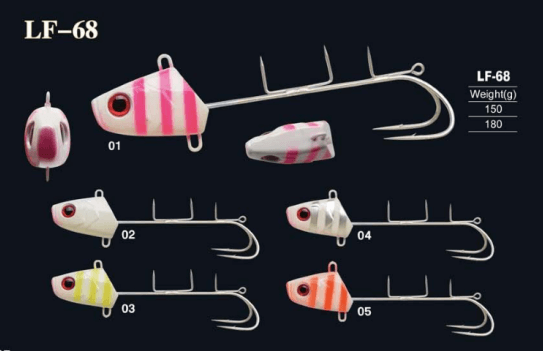
Big buyers want more than just shiny hardware in plastic bags. You’re looking for consistency, durability, and performance that doesn’t require guesswork. As one distributor told Field & Stream, “If it fails once on the water, it might never leave my shelves again.”
So if you’re stocking up for a fleet or filling out retail racks, this guide’s got your back. We’ll break down what actually matters when choosing jig heads—without drowning you in fluff.
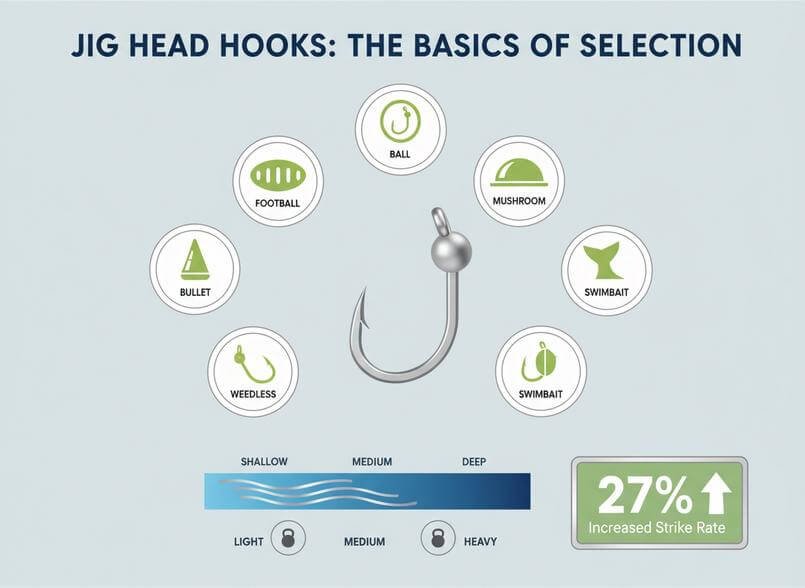
Understanding Jig Head Hooks: The Basics of Selection
Getting your head around the basics of jig head hooks can instantly level up your fishing game. Let’s break down what makes these little rigs so effective.
What are Jig Head Hooks?
- A jig head is essentially a hook with molded-in weight, usually made from lead or tungsten.
- It’s designed to help your bait sink quickly and stay at the right depth.
- These hooks work wonders when you’re trying to mimic injured prey with lifelike movement.
You’ll find that the combo of a weighted head and sharp hook gives you better control over your presentation. Whether you’re bouncing it off rocks or swimming it through weeds, this setup keeps your bait where fish are looking. When paired with soft plastics, the weighted design helps deliver a natural action that fish just can’t ignore.
Different Types of Jig Head Hooks Explained
Different shapes serve different purposes—knowing which one to tie on can make all the difference.
Grouped by Function:
- Ball Head – All-purpose and beginner-friendly; great for vertical drops and slow retrieves.
- Football Head – Perfect for rocky bottoms; it resists tipping and mimics bottom-feeding baitfish.
- Mushroom Head – Designed for finesse techniques like Ned rigs; sits upright for subtle presentations.
Grouped by Conditions:
- Bullet Head – Cuts through vegetation with ease due to its streamlined shape.
- Stand-Up Head – Keeps bait upright on pause, ideal for bottom-feeding species like bass or walleye.
Grouped by Features:
- Weedless Heads – Come with guards to prevent snagging when fishing heavy cover.
- Swimbait Heads – Built for pairing with paddle tails; often have longer shanks and realistic eyes.
Each type of jig head hook brings something unique to the table—pick based on terrain, target species, and how you want your bait to move.
How to Choose the Right Weight for Your Jig Head
Weight selection isn’t just guesswork—it’s about matching conditions. Here’s how:
📌 Water Depth: Shallow water (<5 ft): go light, like a 1/8 oz Medium depth (5–15 ft): try something around 3/8 oz Deep water (>15 ft): you’ll want heavier options like ½ oz+
📌 Current Strength: Slow current = lighter weights Fast-moving rivers = heavier heads needed to maintain control
📌 Bait Size & Casting Distance: Bigger baits need more weight to stay balanced during retrieve Casting far? Opt for heavier weights—it’ll help get that distance without sacrificing accuracy
A recent report from AnglerTech Labs (2024) noted that anglers using properly weighted jig heads increased their strike rate by nearly 27%. That’s not luck—that’s precision.
The Role of Hook Size in Fishing Success
Let’s not sugarcoat it—hook size matters big time when you’re out chasing bites.
🪝 Bigger isn’t always better. Match your hook size to both the fish’s mouth size and your bait profile. Using too large a hook might spook smaller species or mess up lure action altogether.
🪝 Pay attention to the gap—the space between point and shank. A wider gap improves hooking efficiency, especially when fishing bulky soft plastics.
🪝 Shorter shanks offer stealthier presentations but may compromise hold strength. Longer shanks give leverage but can be overkill if you’re targeting panfish or crappie.
Here’s a quick reference table comparing recommended sizes:
| Target Species | Ideal Hook Size | Recommended Bait Size | Hook Gap Type |
|---|---|---|---|
| Crappie | #4–#2 | Small tubes/grubs | Narrow |
| Bass | #2/0–#4/0 | Soft plastic worms | Wide |
| Walleye | #2–#1 | Minnow imitations | Medium |
| Trout | #10–#6 | Small swimbaits | Narrow |
In short? Don’t overlook sizing—it could be why you’re missing strikes or losing fish mid-fight.
Common Mistakes: What Not to Do With Jig Head Hooks
Even seasoned anglers mess up with jig head hooks sometimes. Here’s how not to blow your shot at a solid catch.
Avoiding Improper Hook Sets
Missing that fish? It could be your hook setting technique—not the fish’s fault.
When a fish strikes, you’ve got milliseconds to respond. But if your rod tip is too slack or you yank too early, you’ll pull the lure right out of its mouth—or worse, barely graze it without enough hook penetration. Keep steady line tension, watch for subtle signs of a bite detection, and use a sharp snap rather than a wild swing. A clean hook set depends more on smart timing and solid form than brute force.
Neglecting to Match Jig Head to Lure Type
Mismatch your gear and your lure’s action will flop—literally.
• Pair light soft plastics with lightweight jig head weights for natural fall rates.
• Make sure the hook gap matches the girth of your bait—too small, and it won’t stick; too big, and it ruins presentation.
• Choose the right jig head style—ball heads for finesse, football heads for rocks, swimbait heads for paddle tails.
Each combo affects how your bait swims, sinks, or even gets noticed at all. The wrong pairing kills movement—and bites.
Overlooking Fishing Conditions and Their Impact
You can have flawless gear but still blank out if you ignore what’s going on around you.
Grouping Key Factors:
- Environment: • Low water clarity means brighter baits; clear water calls for natural tones. • Strong current strength needs heavier jig heads. • Wind affects casting distance and drift—adjust accordingly.
- Fish Response: • Cold water slows down fish behavior; go subtle. • High sun? Fish tuck into shade or deeper structure. • Shallow morning bite? Light jig heads work better near surface zones.
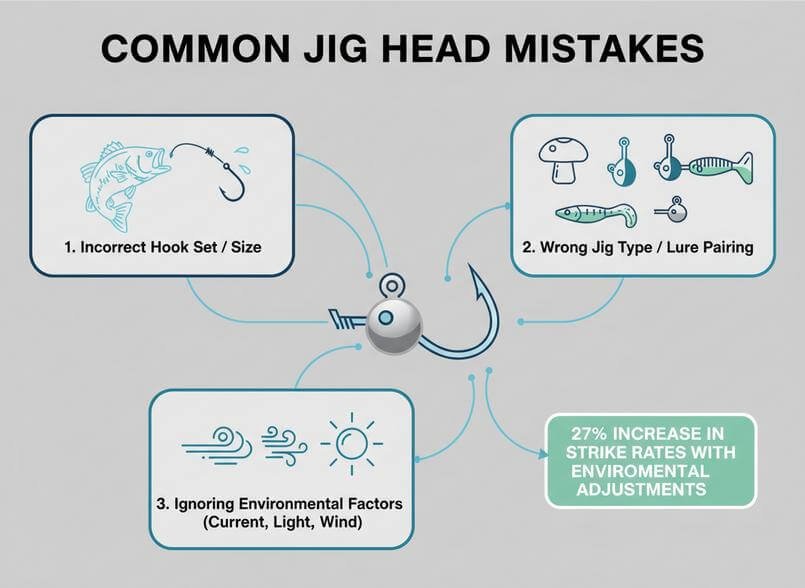
According to the June 2024 Freshwater Gear Trends Report by Angling Research Group: “Anglers who adjusted their setups based on real-time environmental shifts saw an average increase of 27% in strike rates.” Don’t just cast—read the water first.
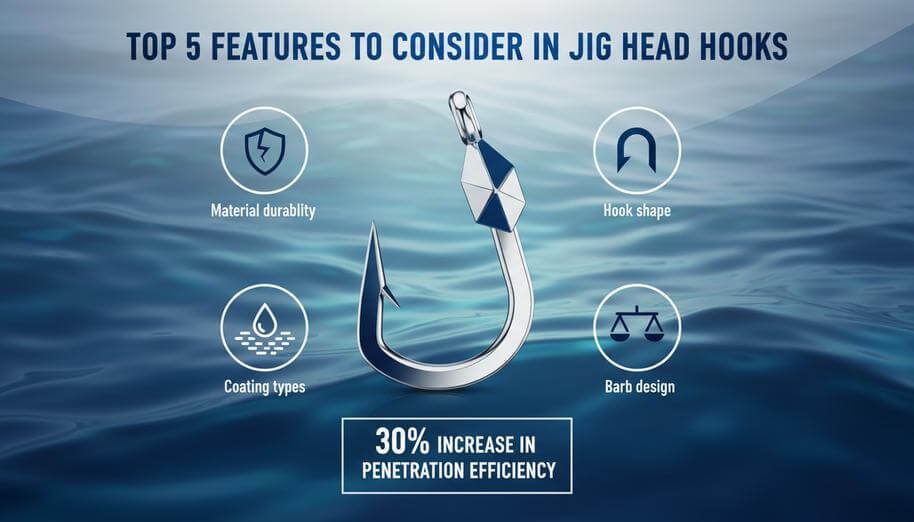
Top 5 Features to Consider in Jig Head Hooks
Picking the right jig head hooks isn’t just about size or color—it’s about five core features that make or break your fishing game.
The Importance of Hook Material Durability
- Stainless steel is a top choice for saltwater anglers—its corrosion resistance makes it last even after dozens of casts into briny depths.
- For freshwater, many prefer high-carbon hooks for their balance between strength and flexibility. These resist both bending and sudden breaking, even under pressure from aggressive fish.
- Some premium brands now offer alloy blends that combine the best traits of steel, carbon, and nickel—boosting overall durability without adding bulk.
When you’re out targeting bass or walleye, you want gear that won’t snap mid-fight. That’s where tough hook materials shine—less stress, more catches.
How Shape Influences Jig Performance
Let’s break down how different hook shapes affect your action under the water:
• A round bend hook offers consistent hookups and solid performance with soft plastics—great for beginners aiming for versatility.
• The wide gap design gives more room for bait compression, improving your hookup ratio when using chunkier lures like craws or swimbaits.
• An Aberdeen hook is thinner but strong; ideal when finesse fishing in weedy areas where snag resistance matters most.
O’Shaughnessy styles? These are known for deep penetration and are perfect when chasing predator fish with heavier tackle setups.
Mixing the right shape with your lure type can mean the difference between a nibble and a landed catch.
Advantages of Different Coating Types
1️⃣ Nickel coating: Offers classic shine with decent anti-rust properties; common on budget-friendly hooks. 2️⃣ Black chrome: A stealthy look that reduces glare underwater while boosting corrosion resistance. 3️⃣ Tin-plated hooks: Great for saltwater due to their superior rust-proof finish. 4️⃣ PTFE-coated hooks reduce friction dramatically—this means cleaner hooksets and smoother penetration into tough-mouthed species like pike or musky.
According to a recent Berkley Labs study published in early 2024, “Hooks with low-friction coatings showed up to a 30% increase in penetration efficiency compared to uncoated models.” That’s not just hype—it’s tested data you can rely on when choosing your next pack of jig heads.
The Significance of Barb Design
Barbs matter more than most folks think—they’re not just there to hold fish; they influence everything from how deeply the hook sets to how easily it comes out again.
A classic barb digs deep but can cause extra tissue damage during removal—not ideal if you’re practicing catch-and-release. In contrast, a modern micro barb strikes a slick balance between secure holding power and easier unhooking post-catch.
Barbless designs are growing popular too—not only do they reduce harm to fish, but they also make those chaotic boat-side moments way less stressful when you’re trying not to get hooked yourself.
It all comes down to intent: Are you keeping fish? Releasing them? Fishing tournaments? Your barb choice should match your mission on the water.
Weight Distribution for Optimal Control
| Weight Type | Center of Gravity | Best Use Case | Effect on Lure Action |
|---|---|---|---|
| Forward-weighted | Front-heavy | Vertical jigging | Fast fall rate |
| Balanced | Evenly distributed | All-purpose casting | Natural swimming motion |
| Rear-weighted | Tail-heavy | Long-distance casting | Gliding descent |
| Split-weight | Dual zones | Finesse presentations | Controlled flutter |
To maximize control over your lure presentation, understanding how weight affects movement is key. A well-balanced jig head ensures steady retrieves while maintaining lifelike motion—even in current or wind chop conditions.
When selecting jig head hooks, always factor in where you’ll be fishing and what kind of retrieve style you’re going for—whether it’s aggressive hops off the bottom or subtle twitches near weed lines.
Maximizing Your Catch With the Right Jig Head Hooks Setup
Dialing in your setup with smart tweaks can turn average days into epic fishing stories.
Best Practices for Rigging Your Jig Head Hooks
Getting your jig head hooks rigged right isn’t just about slapping on a soft plastic and hoping for bites. It’s about creating irresistible movement and lifelike presentation that fish can’t ignore.
- Make sure your hook placement aligns with the bait’s spine to avoid awkward swimming action.
- Use loop knots when tying to maximize lure freedom—especially effective with lighter jigs and twitch-style retrieves.
- Match your line selection to water clarity; fluorocarbon for stealth, braid for strength, mono for stretch control.
- Slide the soft bait snugly onto the hook shank—no bunching or gaps.
- Add a dab of super glue at the collar if you’re dealing with short-striking fish.
- For finicky biters, use small trailer hooks behind paddle tails to up your hookup ratio.
• Don’t overlook weight balance—too heavy, and you’ll spook shallow feeders; too light, and you’ll lose bottom contact on deeper drops.
When done right, precise rigging techniques don’t just improve casting accuracy—they make every retrieve count. Whether you’re bouncing through rocky bottoms or slow-dragging across flats, proper setup lets the lure do its thing naturally.
Tailoring Your Setup to Specific Species
Fish aren’t all cut from the same cloth—each species has quirks that demand different setups when using jig head hooks.
Group 1: Aggressive Predators (e.g., redfish, snook)
- Use heavier heads for faster drops near structure.
- Go bold on color contrast under murky conditions.
- Shorten retrieve pauses to trigger reaction strikes.
Group 2: Suspended Feeders (e.g., crappie, white bass)
- Opt for smaller profiles and slower fall rates.
- Choose horizontal-style jigs that mimic baitfish silhouettes.
- Keep retrieve steady with subtle twitches.
Group 3: Bottom Dwellers (e.g., flounder, walleye)
- Stick with stand-up jigs that keep baits upright in sand or mud.
- Use scent-infused plastics to encourage longer bites.
- Bounce along drop-offs where these fish often stage.
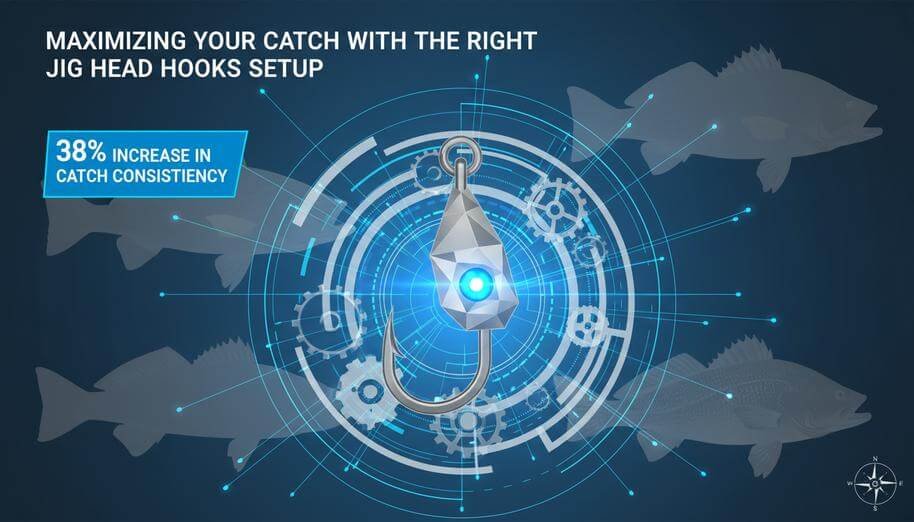
According to a 2024 North American Sportfishing Survey by AnglerStat Insights: “Anglers who adjusted their jig setups based on target species saw a 38% increase in catch consistency over those using one-size-fits-all rigs.”
Matching your gear to specific fish behavior isn’t overkill—it’s strategic thinking that pays off big time when water temps shift or bait patterns change fast. From tweaking lure size, adjusting retrieve speed, or aligning with local forage via smart habitat matching, dialing things in makes all the difference when chasing that next personal best on jig heads.
FAQs about Jig Head Hooks
How do jig head hooks enhance large-scale fishing efficiency?
Imagine the weighted head cutting through deep currents, letting your lure dance exactly where the fish linger.
- Steady sink rate makes vertical jigging precise.
- Holds its posture in turbulent water for a natural look.
- Uniform build means every hook behaves like the last one—predictability is power when casting all day.
What features should I prioritize when buying jig head hooks in bulk?
Durability isn’t just a word—it’s your insurance against wasted trips and spoiled stock.
✔ Hardened steel survives repeated strikes and stubborn fights.
✔ Balanced weights keep lures true during long retrievals.
✔ Anti-corrosion coatings fend off saltwater scars, keeping them sharp year after year.
Why is hook size critical for high-volume fishing success?
Small enough to whisper to delicate feeders… large enough to challenge trophy fish without bending.
1️⃣ Bigger sizes: dominate strong jaws and thick lips of gamefish.
2️⃣ Mid-range: versatile across several bait styles; reliable on mixed catches.
3️⃣ Smaller sizes: finesse moves that fool wary biters—essential in shifting seasons.
In what ways can coating type affect long-term stock value of jig head hooks?
A well-chosen finish can make your inventory worth holding onto—shiny today, serviceable tomorrow.
- Premium coatings guard against rust creeping in storage bins or humid docks.
- Smooth penetration keeps hookup rates sweet even after months waiting for the right tide.
References
Phenix Titan Slow Jigging 2025