Welcome To HavenseeK Fishing Tackle

Jig Head Mastery: Shaky Head Jig & Crappie Jig Heads for Precision Fishing
Get more for your money with these affordable best saltwater lures and topwater bass fishing lures, available in convenient value packs that make them perfect for anglers who fish frequently or want to stock up on reliable gear. Despite their budget-friendly price, these saltwater lures don’t compromise on quality—they’re crafted with durable ABS plastic bodies, corrosion-resistant hooks, and lifelike designs that rival more expensive options. The topwater bass fishing lures feature realistic color patterns and dynamic action that attract bass, redfish, and other saltwater species, while the balanced weight ensures smooth casting and consistent retrieval.
Each value pack includes multiple lures in different colors, allowing you to adapt to changing water conditions and target different fish species without buying separate lures. Whether you’re a casual angler who fishes on weekends or a frequent visitor to coastal waters, these best saltwater lures offer unbeatable value, combining durability, performance, and affordability in one package. The salt-resistant construction ensures they hold up to repeated use in saltwater, while the sharp hooks and lifelike action maximize your chances of success. As the best saltwater lures for budget-conscious anglers, they prove that you don’t have to spend a fortune to enjoy successful and exciting saltwater fishing trips.
Jig Head Mastery: Shaky Head Jig & Crappie Jig Heads for Precision Fishing

The jig head is the backbone of freshwater angling, offering unmatched versatility and control for targeting panfish, bass, and crappie. Among its specialized variants, the shaky head jig stands out for its subtle, finesse-driven action that entices pressured fish, while crappie jig heads are engineered to match the unique feeding habits of crappie—small, lightweight, and designed for delicate presentations in clear or murky waters. Whether you’re fishing deep brush piles for crappie or targeting bass in pressured lakes, these jig heads transform ordinary soft plastics into irresistible prey.
The Science of Jig Head Design
A high-quality jig head balances weight, hook size, and shape to optimize presentation. Unlike generic lures, premium jig heads feature precision-weighted lead or tungsten bodies that ensure consistent sinking rates and natural movement. For crappie jig heads, this means ultra-light weights (1/32oz to 1/8oz) and small, sharp hooks that penetrate crappie’s delicate mouths without causing damage. The shaky head jig takes this further with a tapered, rounded head that allows soft plastics to “shake” and quiver on the bottom—mimicking injured minnows or crustaceans that predators can’t resist.
Anatomy of a Premium Jig Head
A well-crafted jig head is more than just lead and a hook—it’s a precision tool designed to maximize strike potential. The core components of any jig head include the weight, hook, line tie, and often a skirt or paint finish, each playing a critical role in performance. The weight, typically made from lead or tungsten, dictates sinking speed and casting distance: heavier jig heads (1/4oz+) excel for deep water or windy conditions, while ultra-light crappie jig heads (1/32oz) are ideal for shallow, clear waters where finesse is key.
The hook is arguably the most important feature. High-quality jig heads use high-carbon steel hooks with chemically sharpened points that ensure instant penetration. For crappie jig heads, hooks are often #6 to #10 in size—small enough to fit in a crappie’s mouth (which is roughly the diameter of a pencil eraser) but strong enough to handle fights without bending. The shaky head jig features a offset hook design that positions the soft plastic trailer at a 45-degree angle, enhancing its natural shaking action when retrieved slowly. This offset also reduces snagging, a common frustration when fishing around brush or rocks.
Line tie placement varies by design: jig heads for vertical jigging have line ties centered on top for straight sinking, while shaky head jig models have line ties positioned slightly forward to promote the signature side-to-side movement. Many premium jig heads also include a protective collar or band around the hook shank, preventing soft plastics from sliding down during casts or fights. Paint finishes are another key detail—crappie jig heads often feature bright, UV-enhanced colors (chartreuse, pink, white) that stand out in low-light or murky water, while general-purpose jig heads use natural patterns (brown, green) to mimic baitfish or crawfish.
Standard Jig Head
A versatile workhorse, the standard jig head features a rounded or bullet-shaped weight and straight shank hook. Ideal for casting and retrieving, it pairs with worms, minnows, or crawfish soft plastics to target bass, walleye, and panfish. Available in weights from 1/32oz to 1oz, it’s the foundation of any tackle box.
Shaky Head Jig
Designed for finesse fishing, the shaky head jig has a tapered, flat-bottomed weight and offset hook. When dragged along the bottom or held stationary, it causes the soft plastic trailer to shake and quiver—perfect for pressured bass that ignore aggressive lures. Weights range from 1/8oz to 3/8oz.
Crappie Jig Heads
Ultra-light and compact, crappie jig heads feature tiny weights (1/32oz to 1/8oz) and small hooks. Many have a “marabou” or feather skirt that adds movement, while others are designed to pair with 1-2 inch soft plastic minnows. Bright colors and UV accents make them visible to crappie in all water conditions.
Shaky Head Jig: Finesse Fishing for Pressured Fish
The shaky head jig has revolutionized finesse fishing, becoming a go-to tool for anglers targeting pressured bass in clear or heavily fished lakes. What sets the shaky head jig apart is its ability to present soft plastics in a way that mimics injured or dying prey—an action that triggers instinctual strikes even from the most cautious fish. The design’s tapered, flat-bottomed weight allows it to sit upright on the bottom, with the soft plastic trailer standing vertically, ready to shake at the slightest movement of the rod tip.
To master the shaky head jig technique, start by selecting the right soft plastic trailer: 4-6 inch straight-tail worms, curly-tail grubs, or small creature baits work best. Rig the trailer on the offset hook so that it extends straight from the jig head, with the hook point exposed just enough to penetrate but not so much that it snags. Cast the shaky head jig to likely holding spots—brush piles, rock ledges, or drop-offs—and let it sink to the bottom. Once settled, lift the rod tip 2-3 inches, then lower it slowly while lightly shaking the rod. This creates a subtle quivering motion in the trailer, mimicking a baitfish struggling to swim.
The key to success with the shaky head jig is patience. Unlike fast-moving lures, this technique relies on keeping the lure in the strike zone as long as possible. After shaking for 5-10 seconds, drag the jig head 6-12 inches along the bottom, then pause again. Pressured bass often take their time inspecting the lure, so resist the urge to retrieve too quickly. The shaky head jig’s flat bottom also helps it glide over rocks and debris, reducing snagging and allowing you to fish areas where other lures would get stuck.
Seasonal adjustments are critical for maximizing results with the shaky head jig. In spring, use lighter weights (1/8oz) and natural-colored trailers to target spawning bass near shore. Summer calls for heavier weights (3/8oz) to reach bass holding in deeper water, while fall and winter require slower retrieves and brighter colors to stand out in cold, murky water. The shaky head jig also excels in clear water, where its subtle action won’t spook wary fish—a common problem with more aggressive lures.

Crappie Jig Heads: Specialized for Panfish Perfection
Crappie are notoriously finicky eaters, and crappie jig heads are engineered to meet their unique needs. These ultra-light jig heads are designed to mimic the small prey crappie feed on—minnows, insects, and crustaceans—while ensuring easy hook sets in their delicate mouths. Unlike larger jig heads for bass, crappie jig heads typically weigh between 1/32oz and 1/8oz, with hooks ranging from #6 to #10. This combination allows for slow, natural sinking and prevents deep hooking, making catch-and-release easier and more humane.
One of the most popular crappie jig heads styles is the marabou jig head, which features a small cluster of marabou feathers tied to the hook shank. The feathers add subtle movement in the water, even when the jig is stationary, making it irresistible to crappie. Another effective design is the tube jig head, which pairs with 1-2 inch soft plastic tubes to mimic small minnows or crayfish. Crappie jig heads also come in a wide range of colors, with chartreuse, pink, white, and yellow being the most effective—these bright hues stand out in the low-light conditions where crappie often feed (dawn, dusk, or murky water).
Fishing with crappie jig heads requires a delicate touch. Use a light or ultra-light spinning rod (4-6lb test line) to detect subtle strikes, which often feel like a slight “tick” or weight on the line. Cast the crappie jig head near structure—brush piles, docks, submerged trees, or weed beds—and let it sink to the desired depth. Crappie often school at specific water columns, so experiment with depth until you find where they’re holding. Once the jig is in place, use a slow, steady retrieve or gentle twitches to create movement in the trailer or feathers.
Seasonal strategies for crappie jig heads vary based on water temperature and crappie behavior. In spring, crappie move to shallow water (2-6ft) to spawn, so use 1/32oz crappie jig heads with bright-colored marabou trailers near shoreline structure. Summer finds crappie in deeper water (10-20ft), so switch to slightly heavier 1/16oz jig heads and fish them near brush piles or drop-offs. Fall brings crappie back to shallower water to feed, while winter requires slow, vertical jigging with 1/8oz crappie jig heads over deep brush piles. Regardless of the season, matching the size of the crappie jig head to the local baitfish is critical—use smaller jig heads when prey is tiny, and slightly larger ones when minnows are abundant.
Material Choices: Lead vs. Tungsten for Jig Heads
The material of a jig head’s weight has a significant impact on performance, with lead and tungsten being the two most common options. Lead has long been the standard for jig heads due to its low cost, malleability, and density. Lead jig heads are easy to cast, sink consistently, and can be molded into a variety of shapes—from the rounded standard jig head to the tapered shaky head jig. However, lead has drawbacks: it’s relatively soft, so it can deform when hitting rocks or hard structure, and it’s harmful to the environment if lost or discarded.
Tungsten has emerged as a premium alternative for serious anglers. Tungsten is 1.7 times denser than lead, meaning a tungsten jig head of the same weight is significantly smaller—critical for crappie jig heads, where a compact profile mimics natural prey more effectively. Tungsten is also much harder than lead, so it maintains its shape even after repeated impacts with rocks or brush. This hardness also transmits vibration better, allowing anglers to “feel” the bottom more clearly and detect subtle strikes. While tungsten jig heads are more expensive than lead, their durability and performance make them a worthwhile investment for frequent anglers.
Lead Jig Heads
Pros: Affordable, wide variety of shapes/sizes, easy to cast, suitable for beginners. Ideal for casual anglers or those fishing in areas with minimal structure.
Cons: Soft (deforms easily), larger profile for equivalent weight, environmental concerns, less vibration transmission.
Best For: General-purpose fishing, crappie jig heads for occasional use, budget-conscious anglers.
Tungsten Jig Heads
Pros: Denser (smaller profile), harder (durable), better vibration transmission, eco-friendly. Perfect for finesse techniques like shaky head jig fishing.
Cons: Higher cost, limited shape options compared to lead, heavier feel on the rod.
Best For: Pressured fish, clear water, crappie jig heads where small size matters, anglers prioritizing performance.
For crappie jig heads, the choice between lead and tungsten often comes down to water clarity and fishing pressure. In clear, heavily fished lakes, tungsten crappie jig heads’ smaller profile is less likely to spook fish, while lead works well in murky water or for casual fishing. The shaky head jig also benefits from tungsten, as its hardness enhances the lure’s vibration and allows for more precise control over the shaking action. Many anglers keep both lead and tungsten jig heads in their tackle boxes, switching based on conditions and target species.
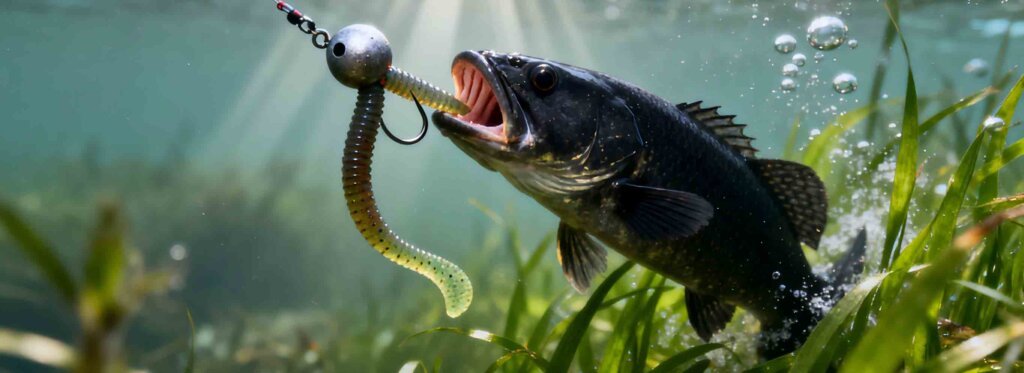
Pro Tips for Maximizing Jig Head Success
To get the most out of your jig head, shaky head jig, and crappie jig heads, incorporate these pro techniques into your fishing routine:
- Match the trailer to the jig head: Use straight-tail worms with shaky head jig for subtle movement, curly-tail grubs for more action, and tiny soft plastic minnows with crappie jig heads. The trailer should be 1.5-2 times the length of the jig head for optimal balance.
- Sharpen hooks regularly: Even the best jig heads lose sharpness over time. Use a fine-grit hook sharpener to maintain a needle point—critical for penetrating crappie’s soft mouths or bass’ tough jaws.
- Use fluorocarbon line for finesse: 4-6lb fluorocarbon line is nearly invisible underwater and has low stretch, making it ideal for shaky head jig and crappie jig heads. It transmits strikes better than monofilament and won’t spook wary fish.
- Experiment with color based on water clarity: In clear water, use natural colors (brown, green, clear) for jig heads. In murky water or low light, switch to bright, UV-enhanced colors (chartreuse, pink, orange) that stand out.
- Fish vertically with crappie jig heads: When crappie are schooled deep, drop the jig head straight down to the school and jig gently. This keeps the lure in the strike zone longer than casting and retrieving.
- Modify jig heads for better action: For a more erratic movement, trim the trailer of a shaky head jig slightly. For crappie jig heads, add a small drop of scent (minnow or crawfish) to the trailer to attract fish in low-visibility conditions.
- Check for snags gently: If your jig head gets stuck, pull slowly and steadily—jerking can break the line or bend the hook. For shaky head jig, the offset hook design often allows you to twist the lure free by turning the rod.
| Target Species | Jig Head Type | Weight | Trailer | Best Habitat | |
|---|---|---|---|---|---|
| Crappie | Crappie Jig Heads | 1/32oz – 1/8oz | 1-2 inch marabou or soft plastic minnow | Brush piles, docks, submerged trees | |
| Pressured Bass | Shaky Head Jig | 1/8oz – 3/8oz | 4-6 inch straight-tail worm | Rock ledges, drop-offs, clear water | |
| Bluegill/Panfish | Small Jig Head | 1/32oz – 1/16oz | Tiny curly-tail grub or insect mimic | Shallow weeds, shoreline structure | |
| Walleye | Standard Jig Head | 1/4oz – 1/2oz | 3-4 inch minnow or crawfish soft plastic | Deep drop-offs, river channels |