Welcome To HavenseeK Fishing Tackle

Custom Crankbait Blanks: Sourcing Unpainted Hard Lures Bulk
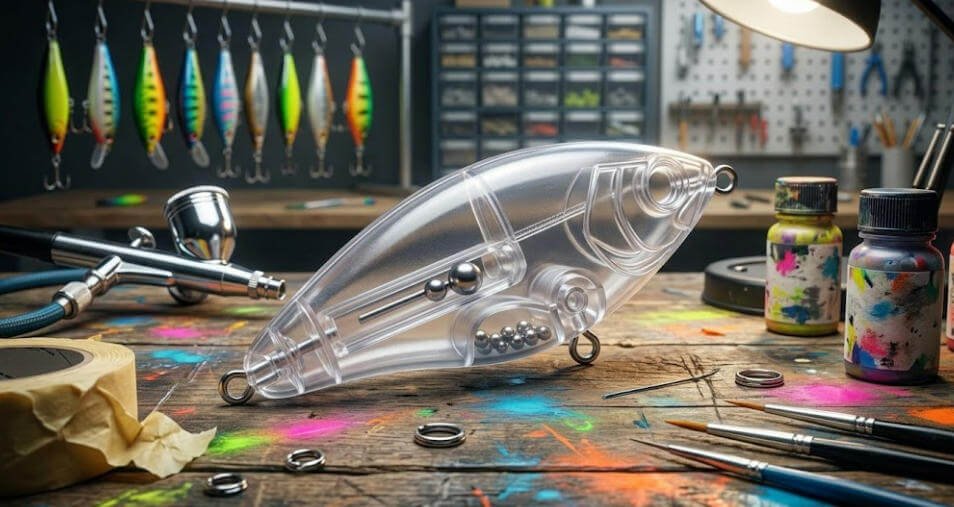
According to my years of experience, scaling your custom tackle brand demands smart supply chain decisions. Most overseas buyers easily ignore a harsh reality. The foundation of a premium lure is not the intricate airbrushed paint job. It relies entirely on the structural integrity of the raw materials. If you are sourcing custom crankbait blanks, understanding hidden engineering standards is absolutely non-negotiable. Cheap materials will inevitably ruin your brand reputation.
The global fishing equipment market is currently experiencing unprecedented growth. Research from 2026 shows the market was valued at USD 16.4 billion in 2025. It is projected to skyrocket to USD 25.88 billion by 2034. This impressive expansion is driven by a steady 5.2% CAGR. In this rapidly expanding landscape, relying on untested unpainted hard lures bulk is a massive financial risk. Leaking baits and chipped paint will destroy consumer trust quickly.
Whether you are searching for small batch lure blanks to test new patterns, or you are ready to expand your operations, quality matters. Dominate your local market with reliable blank fishing lures wholesale through strict factory vetting. This comprehensive analysis will guide you through the intricate world of modern tackle manufacturing. I have personally tested this solution across hundreds of successful OEM projects. Today, we will uncover how to source premium custom crankbait blanks safely.
Quick Navigation Checklist
- 1. Quality Killers: Ultrasonic welding failures and leak testing
- 2. Material Science: ABS plastic versus polycarbonate performance
- 3. Internal Engineering: Weight transfer and acoustic chambers
- 4. Scaling Up: Breaking MOQ barriers and OEM negotiations
- 5. Factory Audits: Protecting your intellectual property overseas
The 2026 Fishing Tackle Market Explosion
The surge in recreational angling across North America has fundamentally reshaped the global supply chain. North America held a dominant 38.2% market share in 2025. Meanwhile, the online distribution channel is forecasted to grow at a massive 7.4% CAGR. This creates a golden era for independent tackle brands. However, this boom has also flooded the market with sub-par suppliers. Buying custom lure painting supplies from unverified factories often ends in disaster.
↑ 5.2%
The projected Compound Annual Growth Rate (CAGR) for the global fishing equipment market from 2026 to 2034. High-quality custom tackle is driving this massive retail expansion.
Overseas buyers must elevate their sourcing standards to survive this competitive landscape. Independent painters are shifting from hobbyists to recognized commercial brands. To compete with major corporations, your premium ABS plastic lure bodies must perform flawlessly underwater. Now, let us dive deeply into the technical manufacturing secrets. Understanding these factory processes will protect your investment.
The Hidden Quality Killers in Bulk Unpainted Crankbait Blanks
Ultrasonic Welding: Why Cheap DIY Crankbait Bodies Leak
Ultrasonic welding is the absolute lifeblood of waterproof unpainted bass fishing baits. This specialized manufacturing process uses high-frequency acoustic vibrations to fuse two plastic halves together. The piezoelectric transducer melts the plastic perfectly along the internal seam. When executed correctly, the plastic bonds at a molecular level. This creates a solid, unbreakable, and fully waterproof lure shell.
Unfortunately, many cheap factories use outdated welding machinery with incorrect amplitude settings. When the vibration frequency is too low, the plastic fails to melt completely. This leaves microscopic gaps along the belly and back of the lure. As a result, the diy crankbait bodies will absorb water during standard fishing retrieves. A leaking crankbait will immediately lose its buoyancy and specific swimming action.
Critical Warning: Never trust the visual appearance of an ultrasonic weld. Micro-cracks are invisible to the naked eye. Always demand rigorous pressure testing from your OEM fishing tackle supplier before authorizing mass production.
Assessing Seam Integrity Before Mass Production
Testing unpainted hard lures bulk requires a systematic and aggressive approach. You must conduct a thermal expansion water submersion test immediately upon receiving samples. First, heat a bowl of water to approximately 60 degrees Celsius. Next, completely submerge the ultrasonic welded fishing lures into the warm water. Hold the plastic bodies underwater for at least sixty seconds.
The heat will cause the internal air trapped inside the acoustic chamber to expand rapidly. If the ultrasonic weld has any structural flaws, you will witness a steady stream of tiny bubbles escaping. These bubbles indicate a fatal manufacturing defect. You should immediately reject these clear blank fishing lures. Havenseek Fishing Tackle enforces a strict zero-leak policy on every single production run.
Material Science: Optimizing Unpainted Hard Lures for Airbrushing
ABS Plastic vs. Polycarbonate: The Lure Painter’s Dilemma
Choosing the correct plastic polymer is a critical decision for custom tackle sourcing strategy. Acrylonitrile Butadiene Styrene (ABS) is the undisputed industry standard for bulk crankbait shells wholesale. ABS is highly durable, cost-effective, and remarkably easy to mold into complex shapes. Furthermore, standard ABS plastic provides exceptional adhesion properties for solvent-based airbrush primers. It strikes the perfect balance between manufacturing costs and field performance.
Conversely, Polycarbonate (PC) offers vastly superior impact strength and incredible transparency. Polycarbonate is practically indestructible, making it ideal for aggressive saltwater predators. However, polycarbonate is more expensive and notoriously difficult to paint without specialized chemical adhesion promoters. If you are selling clear plastic lure blanks for sale, polycarbonate is mandatory. For standard painted custom crankbait blanks, high-grade ABS remains the most profitable choice.
Surface Tension and Primer Adhesion in Blank Lures
Many novice lure artists struggle with fisheyes and peeling paint on their blank lure bodies for airbrushing. Most overseas buyers easily ignore the invisible layer of chemical mold release agent left on the plastic. Factories spray these silicone-based chemicals into the injection molds to prevent the plastic from sticking. If these chemicals are not properly removed, the surface tension will aggressively repel your expensive primer.
| Surface Prep Issue | Root Cause in Factory | The Havenseek Solution |
|---|---|---|
| Primer Fisheyes | Excessive mold release agent | Multi-stage chemical washing bath |
| Paint Delamination | Smooth, unetched plastic surface | Micro-abrasive tumbling process |
| Cloudy Clear Plastic | Poor quality regrind ABS mix | 100% pure virgin raw materials |
Purchasing premium unpainted hard lures bulk from a reputable manufacturer eliminates this frustrating preparation time. High-end factories utilize a specialized chemical washing bath to strip away all silicone residues. They also employ micro-abrasive tumbling processes to slightly etch the plastic surface. This microscopic texture creates a mechanical grip, locking your base coat firmly onto the custom crankbait blanks. You save countless hours of manual sanding.
The Internal Engineering: Elevating Your Custom Tackle Brand
Tungsten Weight Transfer Systems Unlocked
The external paint job catches the fisherman, but the internal engineering catches the actual fish. Advanced tungsten weight transfer lures represent the pinnacle of modern fishing tackle design. Instead of gluing cheap lead beads inside the belly, engineers utilize a sophisticated internal track. A heavy tungsten cylinder slides freely along this precise plastic channel during the casting motion.
When the angler casts, centrifugal force slams the tungsten weight directly into the tail section. This shifts the center of gravity backward, preventing the unpainted minnow baits from tumbling in the wind. This aerodynamic stabilization increases maximum casting distance by up to 30 percent. Once the lure hits the water, the weight slides forward, locking into the belly chamber for perfect swimming balance. This internal mechanism justifies a premium retail price.
Product Evaluation Core Standards
- Hardware Durability: Through-wire construction for heavy saltwater predators versus standard figure-eight links.
- Wall Thickness: Consistent plastic injection molding to prevent cracking upon rock impacts.
- Action Stability: Precise lip angles that prevent the blank topwater lure bodies from rolling over.
- Acoustic Consistency: Ensuring identical rattle chamber volume across 10,000 units of mass production.
Acoustic Chambers: Rattle Frequencies That Trigger Bites
Sound travels much faster and further underwater than it does through the open air. Therefore, the acoustic signature of your unpainted jerkbait blanks is incredibly important for triggering predatory instincts. Professional custom lure injection molds are designed with highly specific acoustic rattle chambers. The material of the rattle bead fundamentally changes the sound frequency emitted during the retrieve.
Glass rattles inside a plastic chamber produce a high-pitched, frantic clicking noise. This sound perfectly mimics fleeing baitfish and excels in murky, stained water conditions. Conversely, large steel or tungsten bearings emit a low-frequency, deep thudding sound. This subtle vibration is highly effective for targeting heavily pressured fish in crystal clear lakes. Understanding these acoustic dynamics allows you to market your finished products intelligently.
Scaling Up: From Small Batch Lure Blanks to Wholesale Domination
Breaking the MOQ Barrier Without Draining Cash Flow
Transitioning from a garage hobby to a commercial enterprise is a stressful financial hurdle. Buying small batch lure blanks is excellent for testing new airbrush color schemes and regional markets. However, the high cost-per-unit severely restricts your overall profit margins. To achieve true commercial success, you must eventually transition into purchasing blank lipless crankbaits bulk.
The primary obstacle for overseas buyers is the intimidating Minimum Order Quantity (MOQ) demanded by large factories. Standard wholesale lure manufacturing China facilities typically require 5,000 to 10,000 units per mold. To break this barrier safely, consolidate your inventory into three proven, high-converting lure profiles. Focus your available capital on your best-selling shapes, rather than spreading your budget across twenty untested designs.
Financial Strategy Insight
Purchasing 5,000 units of a single unpainted swimbait blank dramatically reduces your landed cost per item. This bold move increases your profit margin by nearly 45%, allowing you to reinvest in premium packaging and marketing campaigns.
Negotiating OEM Terms with Blank Fishing Lures Wholesale Suppliers
Effective communication and strong negotiation skills are mandatory when dealing with international manufacturing partners. Do not make the fatal mistake of focusing exclusively on the lowest possible unit price. A factory offering extremely cheap DIY fishing tackle components will inevitably cut corners on quality control. You must negotiate a comprehensive Service Level Agreement (SLA) before transferring any funds.
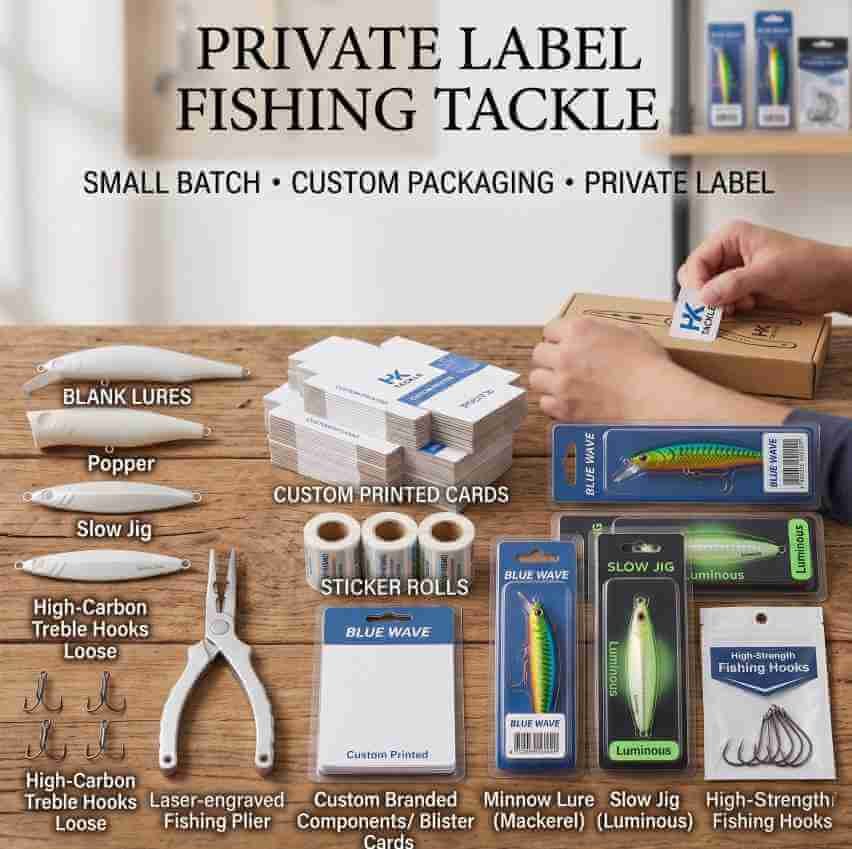
Demand a strict defect replacement clause within your official purchase contract. Specify that any leaking custom crankbait blanks must be replaced at the manufacturer’s expense. Additionally, negotiate proper export packaging to protect your unpainted hard lures bulk during rough ocean freight transit. Havenseek Fishing Tackle provides heavy-duty corrugated cartons and internal blister trays to ensure zero shipping damage.
Real-World Success: Scaling a Florida Custom Tackle Brand
Let us examine a highly successful B2B wholesale tackle transition scenario. A prominent custom lure painting studio in Florida struggled with severe supply chain inconsistencies. They were purchasing small run lure manufacturing batches from various unverified online platforms. Their primer prep time was devastatingly slow, and their defect rate hovered around a completely unacceptable 12 percent.
After partnering with Havenseek Fishing Tackle, they consolidated their purchasing power. They ordered 20,000 premium ABS plastic lure bodies featuring our advanced weight transfer systems. Because our blanks are chemically washed prior to shipping, they completely eliminated their manual sanding process. Their defect rate dropped to absolute zero. Their profit margins soared, and they successfully expanded into fifty local bait shops across the Southeast coast.
Factory Audits & Private Molds: Securing Your Intellectual Property
The Ultimate Checklist for Auditing a Fishing Tackle Factory
Trusting a foreign supplier with your proprietary product designs is always a daunting proposition. Before investing in custom lure injection molds, you must conduct a rigorous factory audit. Start by requesting verified ISO 9001 quality management certifications. Review their injection molding machine tonnage capabilities to ensure they can handle high-density plastic processing. A professional factory will gladly provide transparent documentation.
Next, evaluate their internal Research and Development (R&D) speed. Ask about their 3D CAD modeling software and rapid 3D printing prototyping capabilities. A top-tier OEM fishing tackle supplier should produce a physical SLA 3D printed prototype within 72 hours. Finally, inspect their assembly line environment. Ultrasonic welding stations must be immaculately clean, and workers must perform systematic water submersion tests every single hour.
Common Overseas Sourcing Mistakes
- Assuming all ABS plastic is equal: Cheap factories use recycled regrind plastic, which drastically weakens the lure body.
- Ignoring the internal wire harness: Heavy offshore game fish will completely destroy a weak figure-eight wire link.
- Skipping the sample phase: Never order 10,000 units without personally testing the buoyancy of a physical sample.
- Failing to secure NDAs: Your unique lure design will end up on cheap retail websites without legal protection.
Developing Proprietary Lure Shapes Safely
Creating your own private mold is the ultimate step in dominating the wholesale tackle market. However, intellectual property theft is a legitimate concern for overseas buyers. To protect your investment, you must execute a strict Non-Disclosure Agreement (NDA) before sharing any blueprints. Ensure the NDA is enforceable under international trade laws and binds the factory legally.
Havenseek Fishing Tackle takes client confidentiality extremely seriously. We utilize a secure, restricted-access warehouse exclusively for our clients’ custom lure injection molds. We guarantee in writing that your proprietary shapes will never be sold to unauthorized third parties. This ironclad commitment to intellectual property protection has earned us the unwavering trust of top fishing brands worldwide.
Frequently Asked Questions (FAQs)
1. How to test unpainted hard lures for water leaks?
You must perform a thermal expansion test. Submerge the custom crankbait blanks in 60-degree Celsius warm water for sixty seconds. If the ultrasonic weld is defective, the expanding internal air will push out, creating visible escaping bubbles.
2. What is the best plastic material for custom crankbait blanks?
Virgin ABS plastic is the absolute best material for mass production. It offers excellent primer adhesion, strong impact resistance, and cost-effective manufacturing. Polycarbonate is a stronger alternative, but it is much harder to paint properly.
3. Where to buy reliable blank fishing lures wholesale?
Always buy directly from verified OEM manufacturers rather than middleman trading companies. Havenseek Fishing Tackle provides premium, leak-tested blank lure bodies for airbrushing with guaranteed quality control and international shipping.
4. How does a weight transfer system work in blank fishing lures?
A tungsten cylinder slides along an internal plastic track. During the cast, the weight slams to the tail, stabilizing the lure in the air for maximum distance. Upon landing, it slides forward to balance the swimming action perfectly.
5. Why do cheap DIY crankbait bodies split during painting?
Splitting usually occurs because the factory used weak, recycled regrind plastic instead of pure virgin ABS. Furthermore, harsh solvent-based primers can penetrate micro-cracks in poor ultrasonic welds, causing the plastic shell to shatter under chemical stress.
6. How to prep unpainted hard lures for airbrush primer?
If you buy cheap blanks, you must manually wash them with dish soap to remove silicone mold release agents. However, premium unpainted hard lures bulk from professional factories come pre-washed and micro-etched, allowing you to spray primer immediately.
Stop Wasting Time on Leaking, Inferior Blanks
Your artistic talent deserves a flawless canvas. Scale your custom tackle brand confidently with our rigorously tested, premium ABS injection molded blanks. Experience the perfect weight transfer systems and uncompromised durability.
Request Free Sample & Get 2026 CatalogExternal Industry References & Market Data Sources:
- Straits Research. (2026). Global Fishing Equipment Market Size, Share, and Growth Forecast 2026-2034. [cite: 2.1.3] Retrieved from straitsresearch.com
- Piedmont Plastics. (2025). Material Science: ABS vs. Polycarbonate Tensile Strength and Impact Resistance. [cite: 2.2.5] Retrieved from piedmontplastics.com
- Fortune Business Insights. (2026). Fish Hunting Equipment Market Share & Trends Outlook. [cite: 2.1.4] Retrieved from fortunebusinessinsights.com