Welcome To HavenseeK Fishing Tackle


Easy-Use Saltwater Fishing Lures for beginners
Ideal for those new to saltwater fishing, these easy-use saltwater fishing lures are accessible fishing lures for saltwater and jigs fishing tools that combine simplicity with effectiveness. Designed with a lightweight, balanced construction, they’re easy to cast, even for anglers with limited experience, and require minimal effort to retrieve. The jigs fishing design features a forgiving action that works with basic retrieval techniques—steady pulls, gentle twitches, or slow lifts—so beginners can quickly master the art of attracting fish. Crafted with durable, salt-resistant materials, these lures are forgiving of mistakes, such as casting too hard or retrieving too fast, while still delivering lifelike movement that saltwater fish find irresistible.
Saltwater Fishing Lures: Elevate Angling with Fishing Lures for Saltwater & Jigs Fishing
Coastal and offshore angling demands gear built to withstand nature’s harshest elements, and saltwater fishing lures rise to this challenge with corrosion-resistant designs and species-specific action. Fishing lures for saltwater are engineered to thrive in briny depths, choppy surf, and estuarine currents, while jigs fishing emerges as a versatile technique that targets everything from shallow-water redfish to deep-dwelling grouper. Whether you’re casting from a pier, trolling offshore, or wading flats, these lures and tactics turn unpredictable saltwater environments into predictable success.

The bright, easy-to-see colors help beginners track the lure in the water, reducing frustration and increasing confidence, while the sharp, easy-set hooks ensure a higher success rate when a fish strikes. Each lure is pre-tuned for optimal performance, so you don’t need to adjust weights or hooks before use—just tie it on and start fishing. Perfect for family trips, casual outings, or anyone looking to get started in saltwater angling, these fishing lures for saltwater and jigs fishing gear make learning fun and rewarding. They’re compatible with most basic saltwater setups, and the durable construction ensures they hold up to repeated use as you develop your skills.
The Unique Demands of Saltwater on Fishing Gear
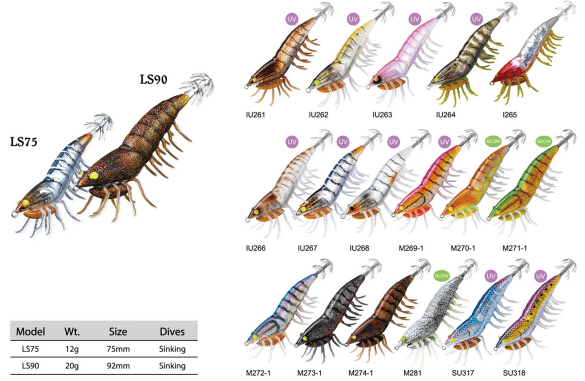
Saltwater’s high salinity, strong currents, and abrasive elements (sand, rocks) require fishing lures for saltwater to be tougher than their freshwater counterparts. Corrosion-resistant metals, UV-stabilized plastics, and reinforced bodies are non-negotiable—even a small crack or rusted hook can lead to lost fish. Jigs fishing amplifies these needs, as jigs are often dragged along rocky bottoms or through dense structure, demanding exceptional durability to avoid snags and breakage. The best saltwater fishing lures balance toughness with realism, mimicking the movement and appearance of local prey like mullet, shrimp, and squid.
Engineering Saltwater Fishing Lures for Coastal Dominance
Saltwater fishing lures are precision tools shaped by the unique challenges of marine environments. Unlike freshwater lures, they prioritize corrosion resistance above all—components like hooks, split rings, and line ties are crafted from 316 stainless steel or titanium, materials that withstand prolonged exposure to salt without rusting. This is critical for anglers who fish multiple days in a row, as salt residue can degrade lesser metals overnight, leading to equipment failure at the worst moment.
Design considerations extend to buoyancy, weight, and action. Fishing lures for saltwater must cut through waves and currents, so many feature streamlined profiles or weighted cores that enhance casting distance and stability. For example, offshore trolling lures often have internal weights that shift during retrieval, creating a erratic, baitfish-like movement that entices fast-swimming predators like king mackerel and wahoo. Inshore saltwater fishing lures, by contrast, are lighter and more maneuverable, designed to navigate shallow flats and oyster bars without snagging.
Color and finish are equally intentional. Saltwater fish rely on vision, even in murky conditions, so lures use high-contrast patterns, UV-enhanced pigments, and holographic accents to stand out. Bright hues like chartreuse and pink work well in turbid water or low light, while natural silver, gold, and brown patterns mimic baitfish in clear offshore waters. Many premium saltwater fishing lures also feature textured bodies or moving parts—like flapping tails or rotating blades—that create vibration, a key sensory cue for fish hunting in dark or deep environments.
Hard-Body Saltwater Lures
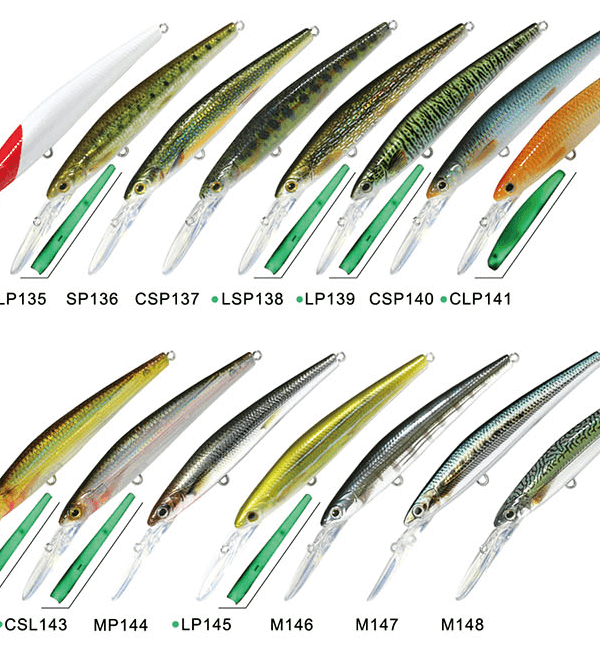
Built from impact-resistant ABS plastic or polyurethane, these lures excel in open water and around structure. Models like diving plugs and poppers feature rigid bodies that maintain action in strong currents, while their thick walls withstand bites from toothy fish like barracuda. Ideal for trolling or casting to schooling fish.
Soft Plastic Saltwater Lures
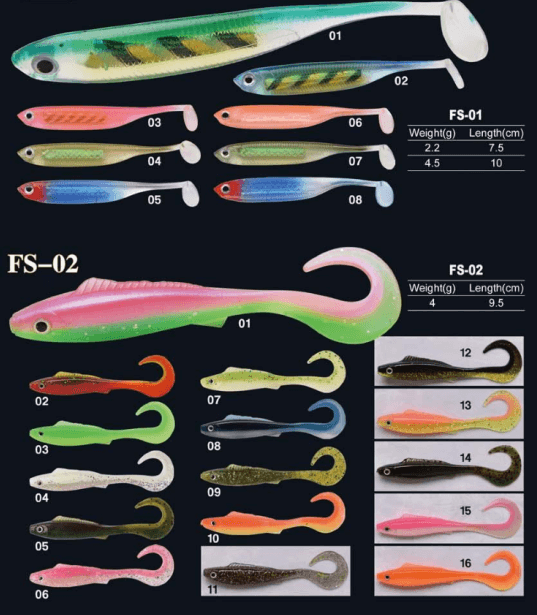
Made from salt-resistant rubber, these lures offer lifelike flexibility that mimics shrimp, squid, or small fish. They’re rigged on weighted hooks or jigs, making them perfect for inshore fishing on flats or around docks. Their soft texture also reduces snagging, a major advantage in weedy or rocky saltwater habitats.
Jigs Fishing: Technique & Design for Saltwater Success
Jigs fishing is a foundational technique in saltwater angling, valued for its versatility and ability to target fish at any depth. A jig consists of a weighted head, a hook, and often a soft plastic or feather trailer—simple in design but powerful in execution. What sets jigs fishing apart is its adaptability: anglers can vertical jig over deep reefs, cast and retrieve along shorelines, or drift jigs through currents, making it effective for species ranging from shallow-water redfish to deep-sea grouper.
The key to successful jigs fishing lies in mastering the “fall”—the period when the jig sinks through the water column. Saltwater fish often strike on the descent, so controlling the speed of the fall is critical. Heavier jigs (1-4oz) sink quickly, ideal for deep water or fast currents, while lighter jigs (1/4-1/2oz) fall slowly, perfect for enticing cautious fish in shallow flats. Anglers can also manipulate the fall by lifting and lowering the rod tip, creating a “fluttering” motion that mimics injured prey.
Saltwater jigs are designed with specific habitats and species in mind. Bucktail jigs, featuring a lead head and deer hair or synthetic fiber skirt, are a staple for inshore jigs fishing—their skirt creates movement in even the gentlest current, attracting redfish, snook, and speckled trout. Vertical jigs, with a streamlined lead or tungsten head and long, slender body, excel in offshore environments, where they’re dropped to depths of 50-200ft to target amberjack, cobia, and tuna. Casting jigs, meanwhile, are lightweight and aerodynamic, built for long throws to schooling fish near the surface.
Technique adjustments for jigs fishing vary by environment. In inshore flats, cast the jig parallel to shore and retrieve with slow, steady rod twitches to mimic a shrimp crawling along the bottom. In offshore reefs, use vertical jigs fishing: drop the jig to the bottom, then lift the rod 2-3 feet and let it fall freely, repeating until a fish strikes. In strong currents, add a slight side-to-side motion to the retrieve, helping the jig cut through the water and maintain its natural action. Regardless of the technique, patience is key—saltwater fish often take time to inspect the jig before striking, so avoid rushing the retrieve.
Habitat-Specific Application of Fishing Lures for Saltwater
Saltwater environments are diverse—from calm estuaries to rough offshore waters—and fishing lures for saltwater must be matched to the habitat to maximize success. Below’s a breakdown of how to adapt lures and jigs fishing techniques to three common saltwater habitats:
| Habitat | Best Saltwater Fishing Lures | Jigs Fishing Approach | Target Species |
|---|---|---|---|
| Shallow Flats & Estuaries | Soft plastic shrimp, small poppers, 1/4oz bucktail jigs | Cast and retrieve slowly; let jigs fall to the bottom and twitch gently | Redfish, snook, speckled trout, flounder |
| Offshore Reefs & Wrecks | Vertical jigs (2-4oz), deep-diving plugs, wire-rigged lures | Vertical jigs fishing; drop to bottom and lift/drop rod tip aggressively | Grouper, amberjack, cobia, snapper |
| Nearshore Surf & Piers | Metal spoons, casting jigs (1/2-1oz), topwater plugs | Cast beyond breakers; retrieve jigs with fast, steady motion to mimic baitfish | King mackerel, Spanish mackerel, bluefish, striped bass |
Tidal changes play a critical role in saltwater fishing lure effectiveness. During incoming tides, fish move into shallow flats to feed on prey swept in by the current—use lightweight fishing lures for saltwater and slow jigs fishing techniques to avoid spooking them. Outgoing tides concentrate baitfish in channels and passes, so switch to faster-moving lures or heavier jigs that can reach fish waiting in these bottlenecks. Wind also influences lure choice: on windy days, use heavier lures or jigs to maintain control, while calm conditions allow for more delicate presentations with soft plastics or small poppers.
Material Innovation in Modern Saltwater Fishing Lures
Advancements in materials have transformed saltwater fishing lures, making them more durable, effective, and eco-friendly. Traditional lead weights are being replaced by tungsten, a denser, harder material that offers several advantages for fishing lures for saltwater. Tungsten is 1.7 times denser than lead, so a tungsten jig head of the same weight is significantly smaller—critical for mimicking small prey like shrimp or juvenile baitfish. Its hardness also transmits vibration better, allowing anglers to “feel” the bottom more clearly and detect subtle strikes, a key benefit in jigs fishing.
Corrosion resistance has also seen major improvements. Hooks and hardware are now made from 316 stainless steel, which contains molybdenum for enhanced resistance to saltwater corrosion—far superior to the 304 stainless steel used in cheaper lures. Some premium saltwater fishing lures even use titanium hooks, which are lighter and stronger than steel, reducing fatigue during long fights while maintaining sharpness.
Soft plastic materials have evolved too. Modern saltwater soft plastics use UV-stabilized, salt-resistant rubber that retains flexibility and color even after months of use. Many are infused with scent attractants—like shrimp or menhaden oil—that entice fish to hold onto the lure longer, increasing hook-set chances. For jigs fishing, these soft plastics are designed to be tear-resistant, with reinforced bodies that withstand bites from toothy fish and repeated casting.
Tungsten vs. Lead for Jigs
Tungsten: Denser (smaller profile), harder (better vibration), eco-friendly. Ideal for jigs fishing in clear water or when targeting finicky fish. More expensive but longer-lasting.
Lead: Affordable, malleable (easy to mold), widely available. Suitable for casual anglers or jigs fishing in murky water where profile size is less critical. Less durable than tungsten.
Plastic vs. Rubber for Soft Lures
ABS Plastic: Rigid, impact-resistant, ideal for hard-body lures. Maintains shape in strong currents but lacks flexibility.
Salt-Resistant Rubber: Flexible, lifelike, perfect for soft plastics. Mimics natural prey movement but requires careful storage to avoid melting or sticking.

Pro Tactics to Maximize Saltwater Fishing Success
To elevate your angling with saltwater fishing lures and jigs fishing, incorporate these expert strategies into your routine:
- Match the local baitfish: Observe what prey fish are present in your fishing area—if mullet are abundant, use silver or gray fishing lures for saltwater that mimic their size and shape. Fish key in on familiar prey, so matching the hatch significantly increases strike chances.
- Use fluorocarbon leaders: Attach a 2-3 foot section of 20-30lb fluorocarbon leader to your main line. Fluorocarbon is nearly invisible underwater and has low stretch, making it ideal for clear saltwater and jigs fishing, where fish are often line-shy.
- Adjust retrieve speed to water temperature: In warm water (70°F+), fish are more active—use fast retrieves with saltwater fishing lures and aggressive jigs fishing techniques. In cold water (below 60°F), slow down to match fish’s reduced metabolism.
- Target structure edges: Saltwater fish gather around structure (reefs, docks, oyster bars) to hunt and hide. Cast fishing lures for saltwater or jigs along the edges of these areas, not directly into them—this avoids snags and targets fish waiting in ambush.
- Maintain lures after each use: Rinse saltwater fishing lures and jigs thoroughly with fresh water to remove salt residue. Sharpen hooks regularly and inspect for cracks or corrosion—even small damage can reduce effectiveness or lead to lost fish.
- Experiment with lure depth: If initial casts don’t produce strikes, adjust your lure’s depth. Use a depth finder to locate fish, then select fishing lures for saltwater or jigs with the appropriate weight to reach that depth. Many saltwater fish feed at specific water columns, so precision is key.
Another critical tactic is understanding seasonal migrations. Many saltwater species move between inshore and offshore habitats throughout the year—for example, redfish spawn in offshore waters in fall, then return to inshore flats in spring. Adjust your saltwater fishing lures and jigs fishing techniques accordingly: use offshore vertical jigs in fall to target spawning redfish, and switch to inshore bucktail jigs in spring when they return to shallow waters. By aligning your gear and tactics with fish behavior, you’ll turn casual outings into consistent trophy catches.