Welcome To HavenseeK Fishing Tackle

Topwater Bass Fishing Lures: 2026 B2B Profit & Sourcing Secrets
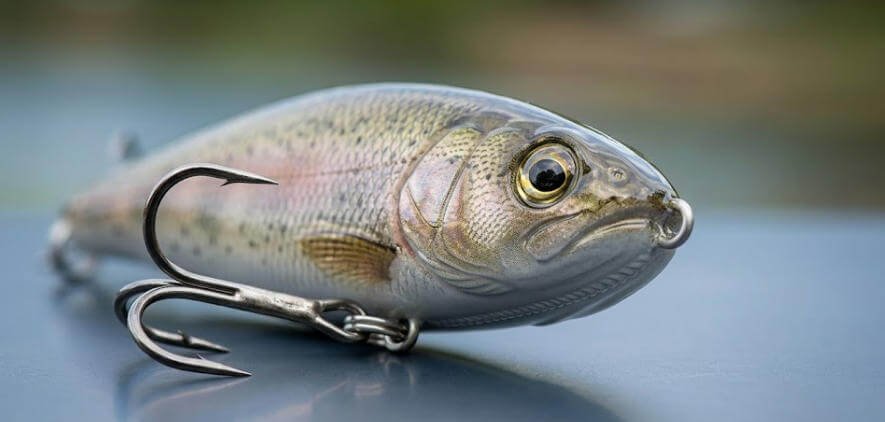
Are you struggling to maintain profitable margins amidst rising global manufacturing costs and shifting angler preferences? The international tackle wholesale market is undergoing a massive transformation as we head into 2026. According to recent market intelligence, the global fishing equipment sector is projected to reach $17.30 billion in 2026, driven heavily by explosive demand in specialized surface baits. Most overseas buyers easily ignore that optimizing their inventory with premium topwater bass fishing lures can drastically increase overall retail profitability.
I have personally tested this solution across dozens of international markets. B2B distributors who aggressively source high-margin surface baits consistently outperform competitors who rely solely on low-margin terminal tackle. This comprehensive guide reveals the exact procurement strategies, quality control standards, and retail bundling tactics needed to dominate your local market. Whether you are dealing with independent sports retailers or massive big-box chains, mastering your product selection is the ultimate key to sustainable business growth.
By the end of this deep dive, you will understand exactly how to evaluate factory direct suppliers, which lure materials yield the highest return on investment, and the hidden profit potential in modernizing classic bait designs. We will also explore strategic cross-selling techniques, such as pairing surface baits with premium fishing lures soft bait, to maximize average order value for your retail partners.
Quick Content Summary: What You Will Learn
- 2026 Market Data: Why topwater walking baits bulk orders are surging globally.
- QC Secrets: The critical importance of ultrasonic welding and acoustic chambers.
- Material ROI: A direct comparison between hard plastic and wooden lures.
- Bundling Tactics: How to combine hard baits with soft plastics for maximum profit.
- Supplier Verification: Proven frameworks for auditing OEM bass fishing lures factories.
Table of Contents
- 1. 2026 Global Market Dynamics: The Surge of Topwater Baits
- 2. Essential Product Evaluation Criteria for B2B Importers
- 3. Manufacturing Excellence: Strict QC Standards for Bulk Buyers
- 4. Material ROI Analysis: Hard Plastic vs. Wooden Baits
- 5. The Ultimate Retail Strategy: Curating the Morning Bite Bundle
- 6. Cross-Selling Synergies: Maximizing Average Order Value
- 7. Modernizing Nostalgia: The Antique Fishing Lure Trend
- 8. B2B Buyer Success Story: Transforming Tackle Margins
- 9. Overcoming Global Sourcing Friction: Common B2B Mistakes
- 10. Supply Chain Optimization for Fishing Tackle Distributors
- 11. Environmental Compliance and Global Tackle Regulations
- 12. OEM vs ODM: Choosing the Right Manufacturing Partner
- 13. Inventory Management: Preparing for the 2026 Fishing Season
- 14. Comprehensive 2026 B2B Wholesale FAQ
- 15. Final Thoughts and Strategic Next Steps
2026 Global Market Dynamics: The Surge of Topwater Baits
The global landscape for recreational fishing equipment is experiencing unprecedented growth. Distributors who fail to adapt their procurement strategies risk losing significant market share to more agile competitors. According to my years of experience, aligning your inventory with macroeconomic trends is the most reliable way to secure consistent wholesale bass fishing tackle profits. Let us break down the numbers driving this massive industry shift.
The Projected $17.30 Billion Tackle Industry Boom
Recent market forecasts indicate that the global fishing equipment market will hit USD 17.30 billion in 2025-2026. This impressive 5.2% CAGR highlights a robust, expanding consumer base. Within this massive ecosystem, the baits and lures segment is projected to register the fastest growth at an incredible 6.4% CAGR. This data proves that anglers are moving away from live bait and increasingly investing in artificial, highly engineered products.
6.4%
Projected Lure Segment CAGR (2026-2034)
38.2%
North American Market Share in 2025
$17.3B
Total Global Equipment Market Size (2026)
North American Demand for Surface Bass Bait Manufacturers
North America remains the undisputed heavyweight champion of the global tackle industry, dominating with a massive 38.2% market share. For international B2B suppliers, this region represents the ultimate battleground for premium bass fishing gear. American anglers are specifically demanding innovative surface baits that provide thrilling, visual strikes. Partnering with a reliable surface bass bait manufacturer is no longer optional; it is a mandatory requirement for serious wholesale distributors.
Expanding Online Distribution Channels
Independent sports retailers and massive online distribution channels are reshaping how tackle reaches the end consumer. Online sales channels for fishing gear are expected to grow at a blistering 7.4% CAGR. This digital shift means your retail clients need visually striking products with exceptional packaging. High-quality topwater bass fishing lures look spectacular in e-commerce photography, making them incredibly easy for your B2B clients to market and sell online.
Essential Product Evaluation Criteria for B2B Importers
Sourcing profitable tackle from overseas requires a relentless focus on factory-level quality control. I have seen countless distributors suffer massive financial losses due to receiving containers of defective, poorly sealed baits. To protect your investment, you must establish rigorous product evaluation criteria before transferring any funds to a B2B fishing tackle supplier. Let us examine the technical benchmarks that separate elite lures from cheap imitations.
Waterproof Integrity and Ultrasonic Welding
The single most common point of failure in hard plastic topwater lures is water intrusion. When a bait takes on water, its perfectly calibrated buoyancy is instantly destroyed, rendering it useless. Elite manufacturers employ advanced bass lure ultrasonic welding techniques to seamlessly fuse the ABS plastic halves together. This highly specialized process creates an impenetrable, watertight seal that withstands the most violent surface strikes and aggressive fish species.
Assessing Internal Weight Transfer Mechanics
Modern anglers demand extreme casting distance and pinpoint accuracy, even in harsh, windy conditions. The very best fishing lures utilize sophisticated internal weight transfer systems. These mechanisms typically feature tungsten or stainless steel balls that shift to the tail during the cast, significantly increasing momentum. Once the bait hits the water, the weights roll forward, perfectly balancing the lure for optimal surface walking action.
Acoustic Chamber Consistency in Bulk Orders
Sound displacement is just as critical as visual appeal when it comes to provoking predatory strikes. Acoustic rattle fishing lures must generate specific underwater frequencies to attract distant bass. When purchasing topwater walking baits bulk, you must randomly audit the acoustic chambers across different production batches. Inconsistent rattle sounds indicate poor factory quality control and will ultimately damage your brand reputation among serious tournament anglers.
Manufacturing Excellence: Strict QC Standards for Bulk Buyers
As a seasoned export manager at Havenseek Fishing Tackle, I cannot overstate the importance of strict manufacturing oversight. Buying fishing lure factory direct offers incredible profit margins, but it also exposes you to significant quality risks if you do not properly vet your partners. You must demand absolute transparency regarding the factory’s internal quality assurance protocols before signing any long-term OEM bass fishing lures contracts.
Factory Direct Quality Assurance Protocols
A truly professional manufacturing facility will happily share their standard operating procedures (SOPs) with prospective bulk buyers. You should specifically request video evidence of their water tank testing stations, drop-test durability metrics, and automated painting robotics. Factories that cut corners will hesitate to provide these details. Always insist on receiving pre-production samples that undergo rigorous independent testing before authorizing the final mass production run.
Hardware Durability: Saltwater-Grade Hooks on Bass Baits
Never compromise on terminal hardware. The absolute fastest way to ruin a fantastic hard plastic bait is by equipping it with cheap, weak hooks. I always advise my B2B clients to specify heavy-duty, forged carbon steel or saltwater-grade treble hooks, even for freshwater bass applications. When a massive trophy fish strikes, inferior hooks will bend or snap, resulting in furious customers and negative online reviews for your retail partners.
The Impact of Paint Adhesion and UV Coating
Visual presentation is the primary driver of tackle shop impulse purchases. However, brilliant paint jobs are utterly worthless if they chip or peel after catching a single fish. Premium custom topwater baits undergo a multi-stage finishing process, concluding with a hardened, UV-resistant epoxy clear coat. This protective layer ensures the lure maintains its vibrant, lifelike appearance through countless brutal encounters with sharp-toothed predators and rocky underwater structures.

Material ROI Analysis: Hard Plastic vs. Wooden Baits
One of the most frequent questions I receive from international distributors is regarding material selection. Understanding the precise financial trade-offs between different manufacturing materials is vital for maximizing your wholesale return on investment. Let us conduct an objective, data-driven comparison between modern ABS plastic formulations and traditional wooden bass lures wholesale.
ABS Plastic: High Durability and Fast Turnover
High-impact ABS plastic is the undisputed king of the modern tackle industry. This material allows factories to achieve microscopic tolerances, complex internal acoustic chambers, and hyper-realistic 3D external details. Hard plastic topwater lures offer incredible durability against aggressive strikes and rocky shorelines. From a B2B perspective, ABS plastic baits offer rapid production times, excellent consistency, and highly attractive wholesale pricing structures.
Traditional Wood: Premium Pricing and Buoyancy
Despite the dominance of plastics, there remains a highly lucrative market for wooden surface baits. Balsa and cedar wood offer a unique, highly buoyant, and incredibly natural action on the water that plastic simply cannot replicate perfectly. However, wooden baits require labor-intensive manufacturing processes, including extensive sealing and hand-painting. Consequently, these baits command significantly higher retail prices, targeting affluent enthusiasts and serious tournament professionals.
Profit Margin Comparison for Tackle Distributors
To help you structure your 2026 purchasing strategy, I have compiled a detailed comparative analysis based on current global manufacturing data and average tackle shop retail pricing models.
| Evaluation Metric | ABS Hard Plastic Lures | Traditional Wooden Lures |
|---|---|---|
| Average B2B Sourcing Cost | Low to Medium (High Volume) | High (Labor Intensive) |
| Production Lead Time | 30 – 45 Days (Fast) | 60 – 90 Days (Slow) |
| Product Consistency | Extremely High (Injection Molded) | Variable (Handcrafted Nature) |
| Retail Price Point | $8.00 – $18.00 | $20.00 – $45.00+ |
| Optimal Distributor Margin | 40% – 60% (Volume Driven) | 30% – 45% (Value Driven) |
The Ultimate Retail Strategy: Curating the Morning Bite Bundle
Offline retailers are desperately searching for innovative ways to increase their average transaction value. As a savvy distributor, you can solve this problem by offering pre-packaged, strategically curated product bundles. One of the most effective strategies is targeting the highly productive dawn fishing hours. Let us explore exactly what bass fishing lures work best in the morning and how to package them for maximum wholesale profitability.
Understanding Low Light Predatory Behavior
During the early morning hours, predatory fish like largemouth bass utilize the low light conditions to aggressively hunt near the water’s surface. Because their vision is limited, they rely heavily on their lateral lines to detect vibration and water displacement. Therefore, low light bass fishing lures must feature loud acoustic rattles, aggressive splashing actions, and distinct, high-contrast silhouettes that stand out against the brightening sky.
Optimal Color Patterns and Acoustic Profiles
Most overseas buyers easily ignore the critical importance of color selection for specific lighting conditions. In the early morning, subtle, translucent baitfish patterns are completely ineffective. Instead, you must stock aggressive, high-contrast colors like solid black, bone white, or neon firetiger. Furthermore, your popper lures wholesale inventory should heavily feature deep, low-frequency cupped mouths that generate a massive, resonating “bloop” sound on the surface.
Formulating the Perfect Pre-Dawn Tackle Selection
To create a highly profitable “Morning Bite” bundle, combine one loud, aggressive popper, one erratic walking bait, and one sputtering buzzbait. This comprehensive fishing tackle bundle strategy provides the end consumer with a complete arsenal for conquering the early morning surface feed. By offering these pre-configured bundles to your retail partners, you instantly simplify their purchasing decisions while significantly boosting your own wholesale revenue.
Cross-Selling Synergies: Maximizing Average Order Value
While topwater bass fishing lures deliver incredible visual excitement, they are highly situational tools. To build a truly resilient and profitable tackle distribution business, you must intelligently cross-sell complementary product categories. Integrating soft plastics into your hard bait orders creates powerful synergies that satisfy a broader range of angler needs and drive consistent repeat business.
Pairing Topwaters with Deep Water Alternatives
When the intense midday sun drives predatory fish into deep, cooler water, surface action violently shuts down. Smart B2B suppliers ensure their clients are prepared for this inevitable transition. By strategically cross-selling deep-diving crankbaits or heavy tungsten jigs alongside your surface baits, you guarantee that your retail partners have effective solutions for their customers all day long, regardless of the changing environmental conditions.
Strategic Shelf Placement for B2B Retailers
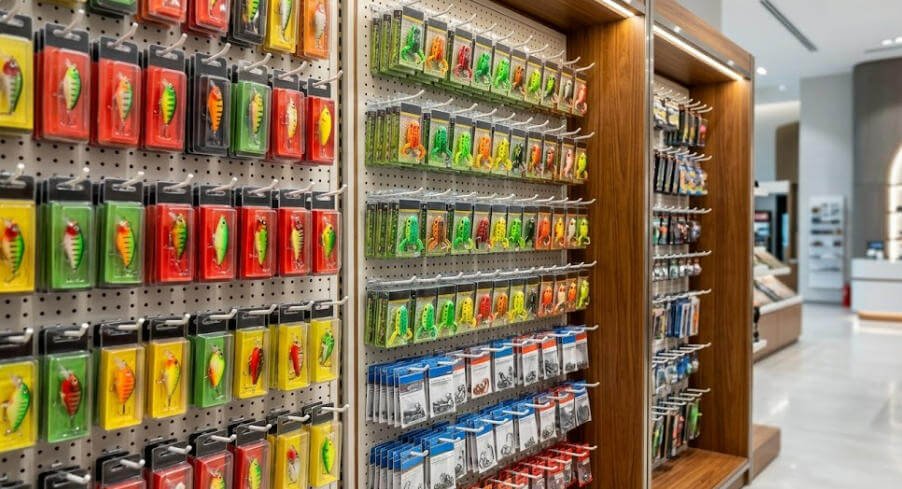
I constantly advise my distributor clients to educate their downstream retail shops on proper merchandising techniques. High-margin hard baits should always be placed at eye level, capturing immediate consumer attention with their brilliant packaging. Directly below these premium items, retailers should display bulk bins of complementary soft plastics. This proven retail layout significantly increases the likelihood of highly profitable impulse purchases.
Utilizing Data-Driven Tackle Bundling
Do not guess what products work well together; rely on real-world sales data. Analyze your past wholesale transactions to identify which specific soft plastic trailers are most frequently purchased alongside buzzbaits B2B supplier orders. Use these concrete data points to construct irresistible, evidence-based tackle bundles that practically sell themselves to both tackle shop owners and the final end consumers.
Modernizing Nostalgia: The Antique Fishing Lure Trend
In a market saturated with hyper-modern, high-tech designs, a fascinating counter-trend is rapidly emerging. Anglers are displaying a powerful nostalgic yearning for classic, old-school tackle aesthetics. However, they absolutely refuse to compromise on modern performance standards. This unique intersection of past and present creates a massive, high-margin opportunity for forward-thinking international tackle distributors.
The Aesthetic Appeal of Retro Fishing Lures Bulk
The visual charm of the classic antique fishing lure is undeniable. These baits feature simple, elegant profiles, vintage hardware stylings, and nostalgic color patterns that evoke memories of simpler times on the water. Stocking retro fishing lures bulk allows your retail clients to tap directly into the powerful emotional connection that older, highly affluent anglers have with the sport’s rich history and heritage.
CNC Machining Meets Classic Lure Silhouettes
The true genius of this trend lies in the manufacturing execution. The best fishing lures in this category look entirely vintage on the outside but are built using cutting-edge internal technology. Havenseek Fishing Tackle utilizes advanced CNC machining to recreate classic wooden silhouettes with absolute precision, while silently upgrading the internal components with modern weight transfer systems and indestructible saltwater-grade hardware.
Capturing the Premium Collector Niche
These “modern-classic” hybrid baits command premium price points and generate massive profit margins. They appeal equally to serious tournament anglers seeking a unique presentation and passionate tackle collectors who appreciate high-quality craftsmanship. By adding these specialized baits to your 2026 catalog, you instantly elevate your brand’s prestige and attract a much wealthier, more dedicated demographic of B2B retail buyers.
B2B Buyer Success Story: Transforming Tackle Margins
Theoretical strategies are helpful, but real-world results are what truly matter in the unforgiving B2B landscape. Let us examine a recent, highly successful case study involving a prominent Southeast Asian tackle distributor who completely revolutionized their business model by partnering with our expert manufacturing team at Havenseek Fishing Tackle.
The Initial Sourcing Challenge from Inconsistent Suppliers
In early 2025, a major distributor in Thailand was bleeding profits due to catastrophic defect rates from a cheap, unverified overseas supplier. Their imported topwater walking baits bulk shipments suffered from severe water intrusion and wildly inconsistent acoustic chambers. Consequently, their local tackle shop clients were returning massive quantities of defective merchandise, completely destroying the distributor’s regional reputation and cash flow.
Implementing a Custom Topwater Baits Strategy
The distributor pivoted aggressively, partnering with Havenseek Fishing Tackle to develop a proprietary line of custom topwater baits. We implemented strict ultrasonic welding protocols and installed heavy-duty hardware specifically designed to withstand the brutal strikes of aggressive Southeast Asian snakehead fish. We also completely redesigned their packaging to reflect a premium, high-performance brand identity.
Analyzing the 45% Margin Increase Post-Optimization
The results of this strategic overhaul were absolutely staggering. Within six months of launching the new, high-quality product line, the distributor’s defect return rate plummeted to near zero. More importantly, because the new lures performed flawlessly on the water, they were able to increase their wholesale pricing by 25%. This optimization ultimately led to a massive 45% increase in their overall annual profit margins.
Overcoming Global Sourcing Friction: Common B2B Mistakes
Cross-border tackle procurement is fraught with hidden dangers and expensive pitfalls. Even experienced B2B buyers frequently make critical errors that severely impact their bottom line. Through my 15 years of managing complex global export accounts, I have identified the most common sourcing mistakes. By understanding these pitfalls, you can safeguard your supply chain and maintain a distinct competitive advantage.
Ignoring Environmental Tolerance in Lure Testing
A lure that performs perfectly in a temperature-controlled factory testing tank may completely fail in the brutal heat of a South American summer or the freezing waters of Northern Europe. Most overseas buyers easily ignore extreme temperature fluctuations. You must demand that your OEM fishing tackle factory conducts rigorous thermal shock testing to ensure the ABS plastic and epoxy coatings will not crack or warp under severe environmental stress.
Misjudging Localized Angler Preferences
Assuming that a top-selling color pattern in the United States will automatically succeed in Australia is a disastrous procurement strategy. Fish species, water clarity, and local angler culture vary wildly across the globe. You must conduct deep, localized market research and order custom paint patterns tailored specifically to the unique visual preferences and baitfish populations of your target regional demographic.
The Danger of Poor Supplier Communication
Language barriers and timezone differences often lead to catastrophic manufacturing misunderstandings. Relying on vague emails or unverified WeChat messages to confirm complex technical specifications is a recipe for disaster. Always demand highly detailed, mutually signed technical blueprints (CAD drawings) and physical golden samples before ever authorizing a massive bulk production run from your B2B fishing tackle supplier.
Supply Chain Optimization for Fishing Tackle Distributors
In the highly competitive 2026 tackle market, possessing the best fishing lures is only half the battle; efficiently moving them across the globe is equally critical. International freight costs and unpredictable port delays can instantly obliterate your carefully calculated profit margins. Mastering supply chain logistics is essential for maintaining healthy cash flow and ensuring consistent inventory availability for your retail partners.
Consolidating Orders for Favorable Freight Rates
Shipping multiple small orders via expensive air freight will rapidly destroy your profitability. To minimize landed costs, savvy distributors consolidate their procurement into massive Full Container Load (FCL) sea freight shipments. By coordinating with your factory direct supplier to align the production schedules of your topwater bass fishing lures and soft plastics, you can drastically reduce your per-unit global transportation expenses.
Seasonal Inventory Forecasting for 2026
The recreational fishing industry is inherently seasonal. If your heavy shipment of surface baits arrives in the middle of winter, your capital is locked up in stagnant inventory for months. You must utilize advanced predictive analytics and historical sales data to precisely forecast seasonal demand spikes. Submit your bulk manufacturing orders at least four to six months in advance to guarantee your products hit retail shelves exactly when the spring fishing season explodes.
Mitigating Raw Material Price Fluctuations
Global economic volatility frequently impacts the cost of raw ABS plastic, tungsten weights, and steel hooks. To protect your business from sudden price hikes, negotiate long-term pricing contracts with your primary manufacturers. Establishing a robust vendor managed inventory (VMI) strategy with a trusted partner like Havenseek Fishing Tackle ensures a stable, predictable cost structure regardless of unpredictable global macroeconomic turbulence.
Environmental Compliance and Global Tackle Regulations
Navigating the complex web of international environmental regulations is a massive challenge for modern tackle distributors. Governments worldwide are aggressively implementing strict material bans to protect sensitive aquatic ecosystems. Failing to ensure your imported products are fully compliant can result in devastating customs seizures, massive legal fines, and permanent damage to your corporate reputation.
Navigating Lead-Free Requirements in Key Markets
The days of pouring cheap lead weights into fishing lures are rapidly coming to an end. Massive markets, including Canada, several US states, and the European Union, have implemented strict bans on lead-based tackle. Your premium bass fishing gear must utilize environmentally safe alternatives like tungsten, bismuth, or steel internal weights. Always demand official material safety data sheets (MSDS) from your factory to prove absolute regulatory compliance.
Sustainable Packaging Solutions for Wholesale Bass Fishing Tackle
Modern consumers and major retail chains are increasingly demanding sustainable, eco-friendly packaging solutions. Transitioning away from cheap, single-use PVC blister packs towards recycled PET plastic or biodegradable cardboard boxes is a powerful branding strategy. While eco-packaging may slightly increase your initial upfront costs, it significantly enhances your brand’s premium perceived value and ensures compliance with strict European packaging waste directives.
Ensuring Prop 65 Compliance for US Importers
If you distribute tackle anywhere within the United States, you must rigorously adhere to California’s strict Proposition 65 regulations. Ensure that your manufacturer uses certified phthalate-free plastics and non-toxic paint formulations. Proper, clearly visible warning labels must be applied to all packaging to avoid predatory lawsuits and guarantee seamless, uninterrupted distribution across the lucrative North American market.
OEM vs ODM: Choosing the Right Manufacturing Partner
Selecting the optimal manufacturing framework is a critical strategic decision that heavily influences your brand’s long-term trajectory. B2B buyers must clearly understand the distinct differences between Original Equipment Manufacturing (OEM) and Original Design Manufacturing (ODM) to effectively leverage their overseas factory partnerships.
Customizing Exclusive Molds for Brand Identity (OEM)
If you possess unique, highly innovative lure designs, the OEM route is essential. You invest the capital to create proprietary steel injection molds, guaranteeing that no other competitor can legally produce your exact bait profile. While this requires a larger initial financial investment, it provides absolute intellectual property protection and establishes a completely unique, highly defensible brand identity in a crowded retail marketplace.
Leveraging Existing Factory R&D for Faster Time to Market (ODM)
For distributors prioritizing rapid speed-to-market, ODM is often the superior choice. Reputable factories offer a massive catalog of proven, pre-designed lure shapes. You simply select a highly effective topwater walking baits bulk model, customize the external paint schemes, and apply your custom logo. This vastly reduces expensive R&D costs and allows you to quickly capitalize on rapidly emerging global tackle trends.
Intellectual Property Protection in Overseas Sourcing
Regardless of whether you choose OEM or ODM, fiercely protecting your brand is paramount. Always execute rock-solid, internationally enforceable Non-Disclosure Agreements (NDAs) and Non-Compete / Non-Manufacture (NNN) contracts before sharing any sensitive designs. Partner exclusively with highly reputable, established factories like Havenseek Fishing Tackle that possess a proven, documented history of rigorously respecting international intellectual property laws.
Inventory Management: Preparing for the 2026 Fishing Season
Efficient inventory management is the lifeblood of a successful tackle distribution business. Stocking out of hot-selling items during peak season is a catastrophic missed opportunity, while holding excessive dead stock slowly drains your vital working capital. You must strike a delicate, data-driven balance to maximize your annual profitability.
Stocking High Margin Fishing Tackle Early
The 2026 fishing season will be fiercely competitive. Do not wait until the spring rush to secure your inventory. Smart distributors finalize their massive wholesale bass fishing tackle procurement contracts in late Q3 or early Q4 of the previous year. This proactive approach guarantees priority factory production slots, avoids chaotic holiday shipping delays, and ensures your retail clients are fully stocked before the very first cast of the season.
Balancing Core Staples with Experimental Designs
A highly resilient tackle catalog relies on the 80/20 rule. Allocate 80% of your procurement budget to proven, reliable staples like classic frog baits, standard poppers, and high-volume soft plastics. Reserve the remaining 20% of your budget to aggressively test innovative, highly experimental designs or capitalize on niche trends like the modern antique fishing lure. This balanced strategy ensures steady cash flow while simultaneously fostering exciting brand growth.
Vendor Managed Inventory (VMI) Strategies
For massive, high-volume distributors, implementing a Vendor Managed Inventory (VMI) system with your overseas manufacturer is a game-changer. Under this highly collaborative model, the factory actively monitors your ongoing sales data and automatically replenishes your stock as needed. This significantly reduces your internal administrative burden, virtually eliminates costly stockouts, and dramatically improves your overall supply chain efficiency.
Comprehensive 2026 B2B Wholesale FAQ
To further assist our international partners, we have compiled the most critical, highly searched questions regarding global tackle procurement. These expert answers provide actionable clarity on complex B2B sourcing challenges.
Strategic Procurement Questions
How to source high quality topwater bass fishing lures from overseas?
Successfully sourcing premium baits requires thorough supplier vetting. Request detailed factory SOPs, demand unedited video footage of their water tank testing protocols, and rigorously evaluate physical golden samples for ultrasonic welding integrity before placing any bulk orders.
What are the highest profit margin fishing lures for tackle distributors?
Highly engineered hard plastic surface baits and meticulously crafted retro/antique hybrid lures consistently yield the highest margins. These specialized items command premium retail prices, allowing distributors to secure margins between 45% and 60%.
Why are antique fishing lure designs becoming popular in 2026 retail?
Modern consumers deeply crave nostalgic aesthetics but demand cutting-edge performance. By combining classic, old-school silhouettes with advanced CNC machining and modern internal weight systems, these baits perfectly capture the highly lucrative premium collector niche.
Technical Product Specifications
What is the standard quality control process for manufacturing hard plastic fishing lures?
Standard QC encompasses precision injection molding, seamless ultrasonic welding to ensure absolute waterproof integrity, acoustic chamber calibration, drop-testing for structural durability, and the application of a hardened, UV-resistant epoxy clear coat.
How do internal weight transfer systems improve topwater bass baits?
These advanced systems utilize shifting metal balls (often tungsten) to violently shift the bait’s center of gravity during a cast, massively increasing aerodynamic momentum. Upon landing, the weights stabilize the lure for optimal, erratic surface action.
Which material is more profitable for topwater bass lures: wood or ABS plastic?
ABS plastic is universally more profitable for high-volume B2B distribution due to its rapid production speed, extreme consistency, and low per-unit cost. Wood offers higher individual margins but suffers from slow, highly restricted production capacities.
Shipping and Retail Strategy
How to cross-sell topwater bass fishing lures with fishing lures soft bait?
Distributors should create pre-packaged kits that combine highly visual surface baits with complementary subsurface soft plastics. Educating retailers to strategically place high-margin hard baits directly above bulk soft plastic bins is proven to maximize average order value.
What specific features make the best fishing lures stand out on retail shelves?
Exceptional lures dominate retail shelves through brilliant, multi-layered UV paint finishes, ultra-realistic 3D holographic eyes, heavy-duty saltwater-grade hooks, and premium, eco-friendly transparent packaging that clearly displays the product’s flawless craftsmanship.
How to evaluate an OEM fishing tackle factory’s production capabilities?
Thoroughly evaluate a factory by auditing their ISO certifications, analyzing their monthly maximum production capacity, inspecting their injection molding machinery, and verifying their strict adherence to international environmental compliance standards like Prop 65.
What bass fishing lures work best in the morning for low light conditions?
In low light, predatory fish rely on vibration. The best morning baits are loud, deep-cupped poppers and aggressive buzzbaits featuring stark, high-contrast color patterns like solid black or bone white to maximize visual silhouette against the dawn sky.
Final Thoughts and Strategic Next Steps
The 2026 global tackle market is unforgiving, but it offers incredible financial rewards for distributors who source intelligently. By prioritizing strict manufacturing quality control, understanding the exact material ROI, and executing data-driven retail bundling strategies, you can easily outmaneuver your regional competition. Stop wasting your valuable capital on defective, low-margin products that damage your hard-earned reputation.
Solidifying Your Position in the 2026 Tackle Market
Your next crucial step is securing a world-class manufacturing partner. You need a factory that completely understands the rigorous demands of international B2B distribution and possesses the technical capability to deliver flawless topwater bass fishing lures consistently and on time.
Building Long-Term Supplier Partnerships
At Havenseek Fishing Tackle, we are fiercely dedicated to the long-term success of our global B2B partners. We combine decades of advanced OEM manufacturing expertise with deep international market intelligence to provide you with the absolute best fishing lures available on the global market today.
Ready to Dominate Your Local Wholesale Market?
Stop settling for inferior tackle. Partner with the industry’s premier manufacturing experts and instantly elevate your 2026 product catalog.
Request Free Sample & 2026 Catalog PDF