Raft Rod: The Complete Guide to Raft Fishing Rod & Rod for Raft Fishing
$369.00Original price was: $369.00.$299.00Current price is: $299.00.
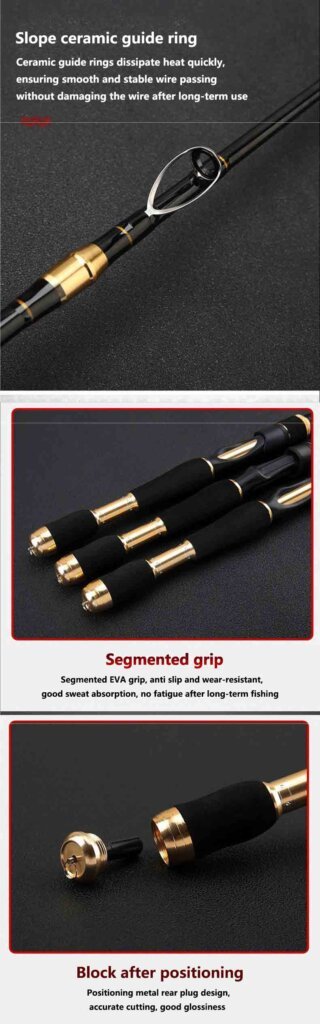
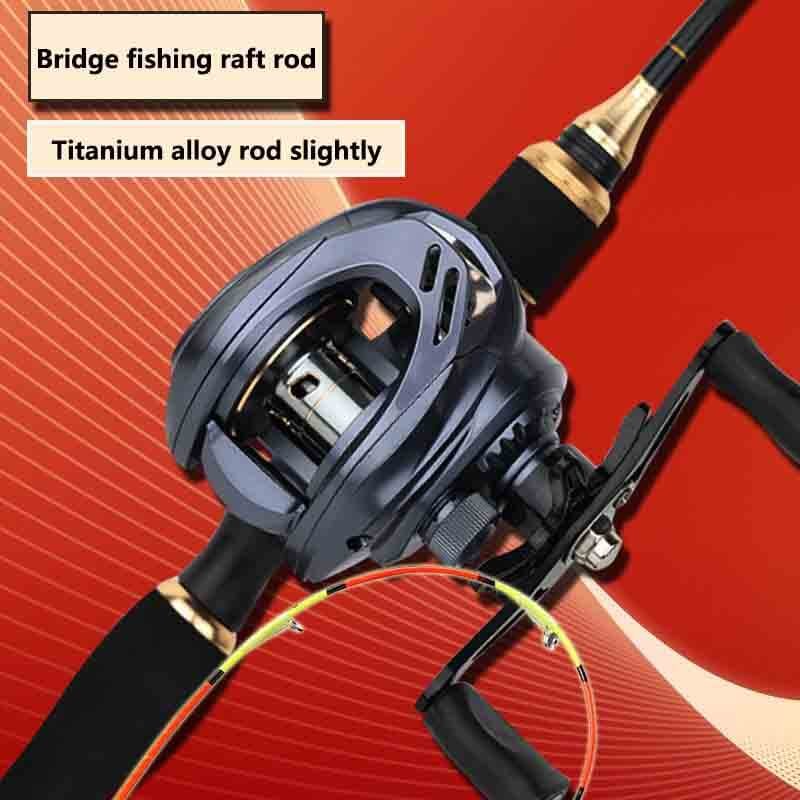
Equipped with full-stainless steel guides, this raft rod resists corrosion from freshwater and brackish water, ideal for coastal or estuary raft fishing. The high-carbon blank delivers excellent sensitivity and strength, while the ergonomic cork handle offers comfort during long sessions. It targets redfish, flounder, and snook in brackish waters, as well as carp and bass in freshwater, enduring harsh aquatic conditions.
Raft Rod: The Complete Guide to Raft Fishing Rod & Rod for Raft Fishing
Raft fishing demands a specialized rod built for the unique constraints of boat-based angling. A quality raft rod balances compact size, high sensitivity, and durability—critical for fishing from rafts, inflatable boats, or small vessels where space is limited. This guide breaks down the design, types, and selection of a raft fishing rod, plus techniques to maximize success when targeting fish from a floating platform.
A raft rod differs from standard fishing rods, with design choices tailored to the challenges of raft fishing: limited space, vertical jigging, and the need to detect subtle bites in deep or moving water.
Length & Compactness
Most raft fishing rods range from 1.2 to 1.8 meters (4 to 6 feet) long. This short length fits easily in small boats without sacrificing leverage.
Shorter rods (1.2-1.5m) excel for tight spaces or vertical jigging, while longer options (1.6-1.8m) offer better control for larger fish.
Sensitivity & Action
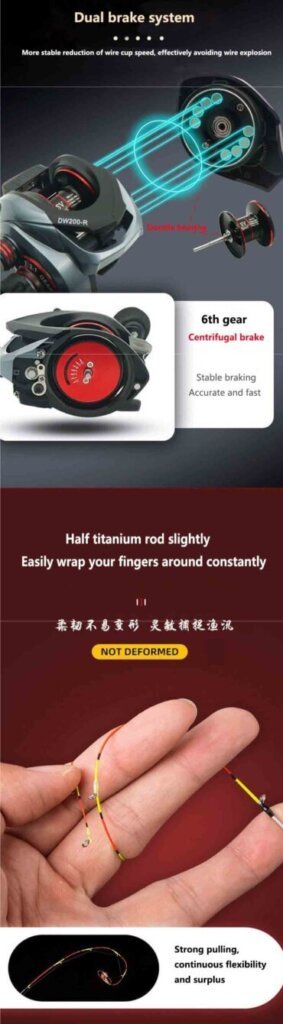
Fast action rods (bending only at the tip) are standard for raft fishing—they transmit subtle bites from deep-water species like walleye or cod.
Ultra-sensitive graphite blanks detect light nibbles, critical when fishing at depths where bite signals weaken.
Durability & Water Resistance
Rods feature waterproof handles (foam or rubber) to resist splashes and moisture from raft fishing environments.
Corrosion-resistant guides (stainless steel or ceramic) protect against saltwater or freshwater damage during long trips.
Why Raft Rods Prioritize Compactness
Rafts and small boats have limited deck space—long rods risk tangling with gear, other anglers, or the vessel itself. A short raft rod lets you fish comfortably without restricting movement, while still providing enough length to land medium to large fish.
Types of Raft Fishing Rod & Their Uses
Raft rods are categorized by power (light, medium, heavy) to match target species and fishing techniques. Each type is optimized for specific raft fishing scenarios.
Raft Rod TypeKey TraitsBest ForTarget SpeciesLight Power Raft Rod1.2-1.4m length, fast action, ultra-sensitive tipVertical jigging with small lures, panfish fishingCrappie, bluegill, small walleye, troutMedium Power Raft Rod1.4-1.6m length, moderate-fast action, balanced sensitivityAll-purpose raft fishing, jigging, live bait rigsWalleye, bass, catfish, redfishHeavy Power Raft Rod1.6-1.8m length, moderate action, reinforced blankLarge predatory fish, deep-water fishing, saltwater usePike, musky, cod, sea bass, redfish (saltwater)Specialized Vertical Jigging Rod1.3-1.5m length, extra-fast action, thin blankPrecision vertical jigging for deep-water speciesWalleye, sauger, cod, halibut
Unique Raft Rod Features for Specific Environments
Saltwater raft rods: Full corrosion-resistant components (guides, reel seats) to withstand brine.
Freshwater river raft rods: Flexible blanks to handle current pressure while maintaining sensitivity.
Ice raft rods (winter use): Short (1.2m) design for fishing through ice holes from floating ice rafts.
Travel raft rods: Collapsible or 2-piece designs for easy transport to remote rafting locations.
Choosing the Right Rod for Raft Fishing
Selecting the best rod for raft fishing depends on your vessel size, target species, and fishing technique. Use this framework to match the rod to your needs.
Step 1: Consider Your Raft/Vessel Size
Small rafts (1-2 anglers): Opt for 1.2-1.4m rods to maximize space and avoid tangles.
Medium boats (3-4 anglers): 1.4-1.6m rods balance space and casting/control ability.
Stable platforms (inflatable boats with decks): 1.6-1.8m rods for larger fish or open-water fishing.
Step 2: Match to Target Species
Panfish/trout: Light power, 1.2-1.4m rod with ultra-sensitive tip.
Walleye/bass: Medium power, 1.4-1.5m rod for versatile jigging and bait fishing.
Pike/musky: Heavy power, 1.6-1.8m rod with reinforced blank to handle sharp teeth.
Saltwater inshore: Medium-heavy power, corrosion-resistant rod for redfish/sea bass.
Step 3: Evaluate Technique & Depth
Vertical jigging: Short (1.2-1.4m), fast-action rod for precise lure control.
Casting from raft: Longer (1.5-1.6m) rod for reaching distant fish holding spots.
Deep-water fishing (20m+): Medium-heavy power rod with sensitive tip to detect deep bites.
Live bait fishing: Moderate-action rod to avoid pulling hooks from fish’s soft mouths.
Budget vs. Performance for Raft Rods
Entry-level raft rods ($40-$80) work well for casual anglers or occasional trips. Mid-range options ($80-$150) offer better sensitivity and durability with quality graphite blanks. Premium rods ($150+) feature high-grade materials, custom components, and specialized designs for serious raft anglers targeting trophy fish.
Using & Maintaining Your Raft Fishing Rod
Proper use and maintenance ensure your raft rod performs reliably in wet, space-constrained environments and lasts for seasons.
Raft Rod Techniques for Success
Vertical jigging: Hold the rod vertically, lower the lure to target depth, and lift 6-10 inches before letting it fall. Watch for tip twitches indicating bites.
Casting from raft: Keep casts low and controlled to avoid hitting the vessel. Use side casts rather than overhead casts for safety.
Hook setting: Use a quick, gentle upward snap—raft fishing often targets fish with soft mouths, so heavy hooksets cause tearing.
Line management: Keep line tight but flexible to detect bites while absorbing fish fights without pulling the raft off balance.
On-Trip Maintenance Tips
Wipe the rod blank and guides with a dry cloth after each use to remove water or debris.
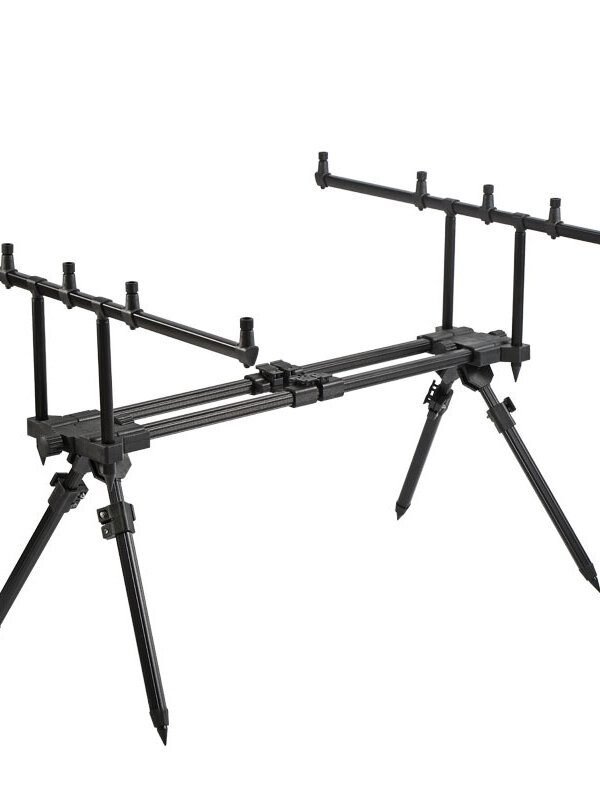
Store the rod in a rod holder when not fishing to avoid bending or breaking the tip.
Avoid leaning the rod against hard surfaces—use foam padding or a rod sleeve for protection.
Rinse saltwater rods with fresh water immediately after use to prevent corrosion.
Long-Term Care for Raft Rods
Dry the rod thoroughly before storage to prevent mold or rust on metal components.
Store in a cool, dry place—avoid damp basements or hot garages that damage graphite blanks.
Check guides for cracks or rough edges annually; replace damaged guides to prevent line wear.
Apply a thin layer of silicone spray to handles to maintain grip and water resistance.
Common Raft Rod Mistakes to Avoid
Even experienced anglers make errors with raft fishing rods. Avoid these pitfalls to protect your gear and maximize catches.
Using an overly long rod: Rods longer than 1.8m are cumbersome in rafts, increasing tangles and injury risks.