Ice Fishing Rods: The Complete Guide to Choosing a Fishing Rod for Ice Fishing
$299.00Original price was: $299.00.$229.00Current price is: $229.00.
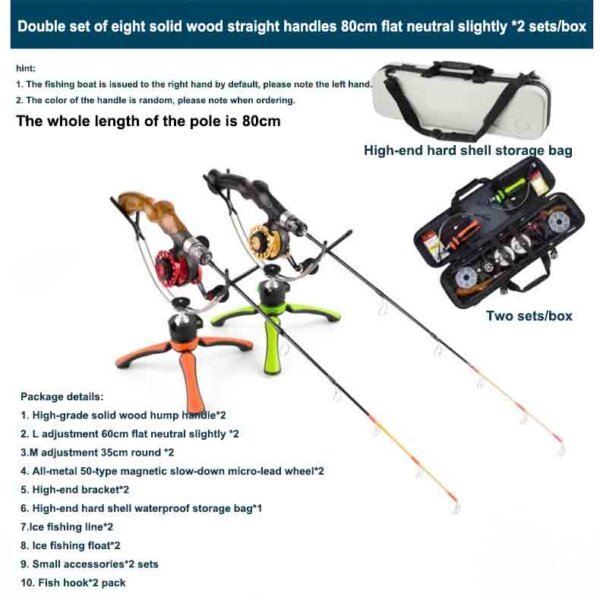
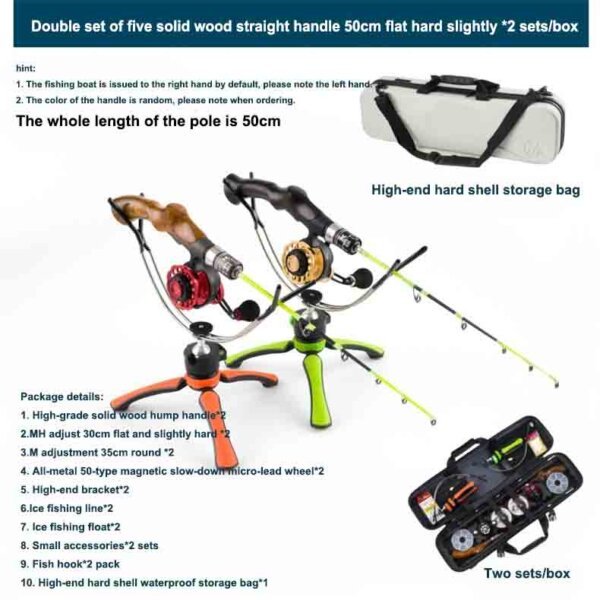
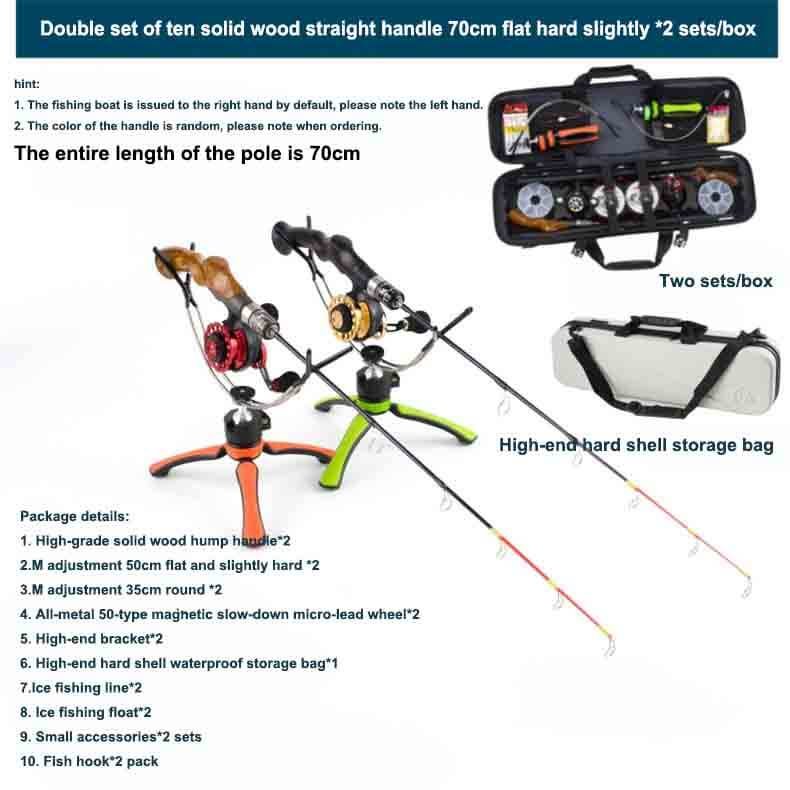
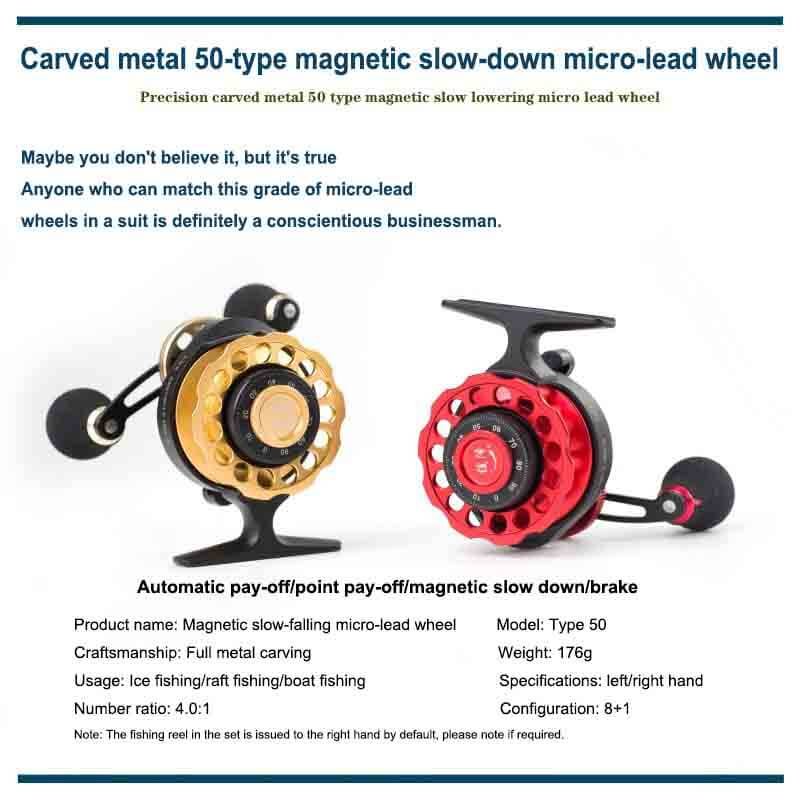
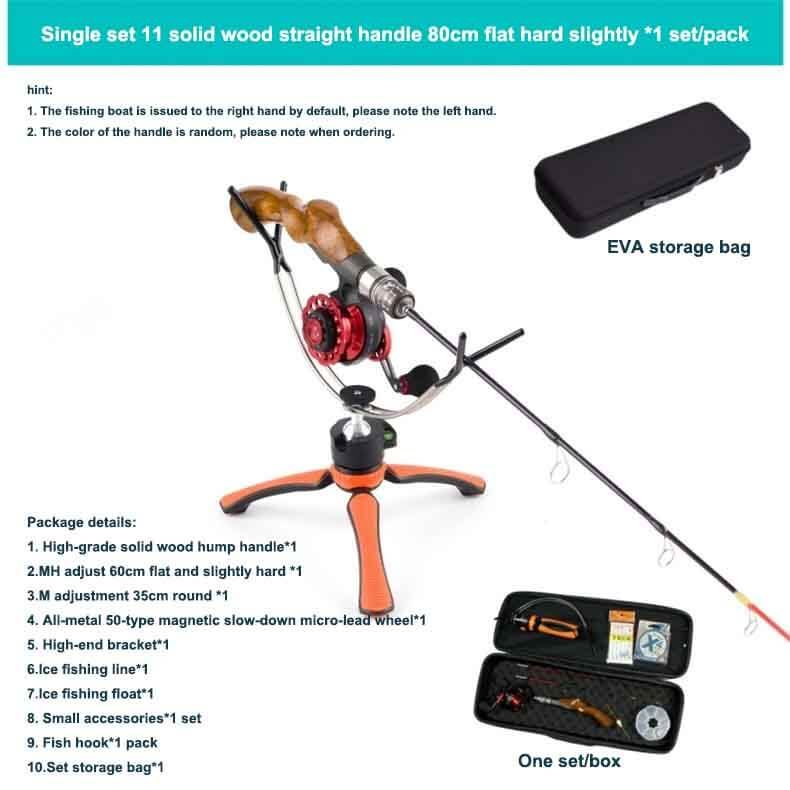
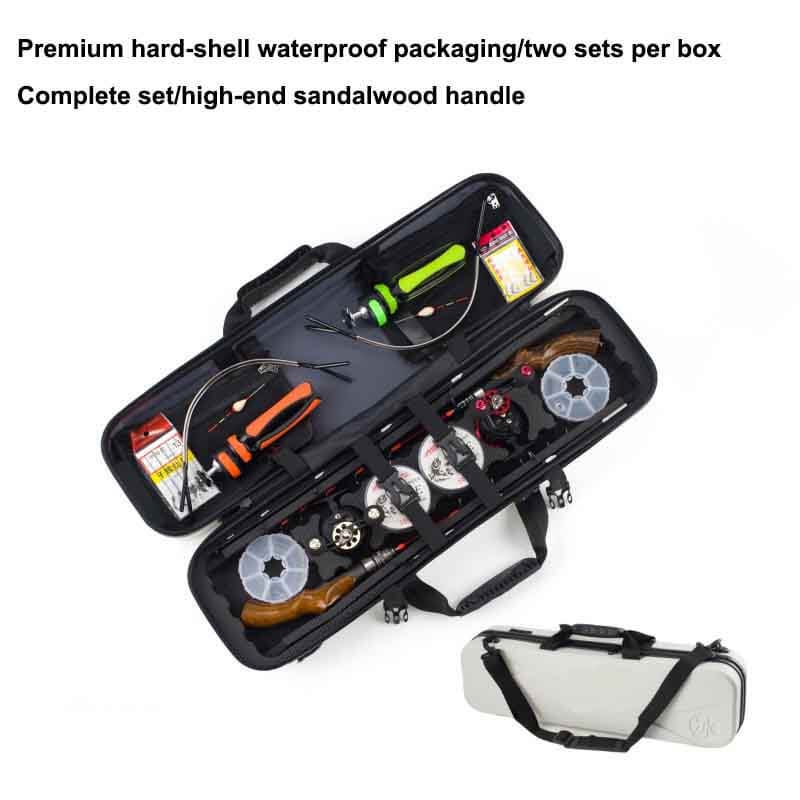
Crafted with freeze-resistant carbon fiber and cold-tolerant resin, these ice fishing rods stay flexible even in sub-zero conditions, avoiding brittleness or cracks. The short, sturdy blank (24–30 inches) offers precise control, while the non-slip EVA handle stays grippy with gloves. Equipped with corrosion-proof guides and sensitive tips, they’re ideal for targeting perch, walleye, and northern pike in frozen lakes, enduring harsh winter angling.
Ice Fishing Rods: The Complete Guide to Choosing a Fishing Rod for Ice Fishing
Ice fishing demands specialized gear, and ice rod design is tailored to the unique challenges of cold-water angling. Unlike open-water rods, ice fishing rods are built for short casts, sensitive bite detection, and durability in freezing temperatures. This guide breaks down how to select the right fishing rod for ice fishing, understand key features, and master techniques to land trophy fish through the ice.
Key Design Features of Ice Fishing Rods
Ice fishing rods differ drastically from traditional rods, with design choices focused on ice-specific needs. Their compact size, sensitive action, and cold-resistant materials set them apart.
Length & Portability
Most ice fishing rods range from 24 to 36 inches long. This short length allows easy use inside ice shelters or tight fishing holes.
Shorter rods (24-28 inches) excel for vertical jigging, while longer options (32-36 inches) offer better control for larger fish.
Action & Powerfor
Action refers to how much the rod bends under pressure. Fast action rods bend only at the tip, ideal for sensitive bite detection.
Power (light, medium, heavy) matches target species: light power for panfish, medium for bass, heavy for northern pike.
Cold-Resistant Materials
Blanks are made from graphite or fiberglass, both resistant to freezing temperatures that can make other materials brittle.
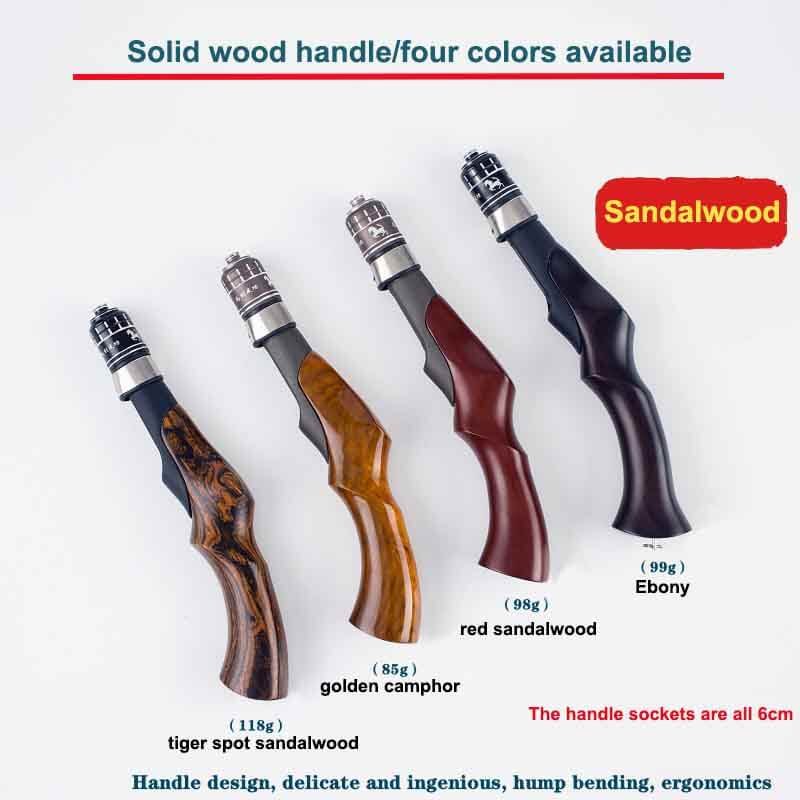
Handles use foam or cork with waterproof coatings to prevent freezing to hands or gloves.
Why Sensitivity Matters for Ice Rods
Cold water slows fish metabolism, making bites subtle and hard to detect. Ice fishing rods are engineered with ultra-sensitive tips that transmit even the lightest nibbles, letting anglers react quickly to set hooks.
Not all ice fishing rods are the same. Different styles are designed for specific techniques and target species, ensuring optimal performance in every scenario.
Ice Rod TypeKey TraitsBest ForTarget SpeciesJigging RodLight power, fast action, short length (24-28″)Vertical jigging with small luresCrappie, bluegill, perchDead Stick RodUltra-light power, slow action, sensitive tipPassive fishing with live baitWalleye, trout, crappiePike/Musky RodHeavy power, moderate action, longer length (32-36″)Heavy jigging or live bait rigsNorthern pike, muskyCombo Rod & ReelPre-matched lightweight spinning reelBeginner-friendly all-purpose usePanfish, small walleye, bass
Specialized Ice Rod Features
Trigger grips on jigging rods for better control during quick rod movements
Extended handles on dead stick rods for setting down without tangling line
Reinforced guides on pike rods to handle sharp teeth and heavy line
Collapsible designs for easy transport to remote ice fishing spots
Choosing the Right Fishing Rod for Ice Fishing
Selecting the best ice rod depends on three core factors: target species, fishing technique, and personal preference. Use this step-by-step framework to make the right choice.
Step 1: Match to Target Species
Panfish (crappie, bluegill): Light power, fast action, 24-28″ length
Walleye/trout: Medium-light power, fast action, 28-32″ length
Bass: Medium power, moderate action, 30-32″ length
Pike/musky: Heavy power, moderate action, 32-36″ length
Step 2: Consider Fishing Technique
Active jigging: Short, fast-action rod for quick, precise movements
Passive dead sticking: Longer, slower-action rod for detecting subtle bites
Tip-ups: Light to medium rod for landing fish after tip-up triggers
Deep water fishing: Slightly longer rod (30-34″) for better line control
Step 3: Evaluate Materials & Build
Graphite: Lightweight, sensitive, ideal for detecting soft bites
Fiberglass: Durable, flexible, better for handling larger fish
Hybrid: Combines graphite sensitivity with fiberglass strength
Guides: Stainless steel or ceramic to prevent line freezing
Budget vs. Performance Tips
Entry-level ice fishing rods ($30-$60) work well for beginners or occasional trips. Mid-range options ($60-$120) offer better sensitivity and durability. Premium rods ($120+) feature high-grade graphite blanks and specialized components for serious ice anglers targeting trophy fish.
Using & Maintaining Your Ice Rod
Proper use and maintenance ensure your fishing rod for ice fishing lasts for seasons and performs reliably in harsh cold. Follow these best practices for success.
Ice Rod Techniques for Success
Vertical jigging: Hold the rod vertically, lift 6-12 inches, and let the lure fall slowly. Watch for tip movement indicating bites.
Dead sticking: Set the rod in a holder with the tip slightly elevated. Use light line (2-6lb test) for maximum sensitivity.
Hook setting: Use a quick, gentle upward snap—ice fish have soft mouths, so heavy hooksets can cause tearing.
Line management: Keep line tight but not taut to detect bites while avoiding line freeze-up in cold air.
Cold-Weather Maintenance
During Fishing Trips
Wipe guides and line with a dry cloth to remove ice buildup.
Store rods in shelters when not in use to avoid direct exposure to wind.
Avoid slamming rods against ice, which can damage sensitive tips.
Post-Trip Care
Rinse the rod and reel with fresh water to remove salt or debris.
Dry thoroughly before storage to prevent rust or freezing damage.
Store in a cool, dry place—avoid hot attics or damp basements.
Check guides for cracks and replace damaged components promptly.
Common Ice Rod Mistakes to Avoid
Even experienced anglers make errors with ice fishing rods. Avoid these pitfalls to maximize success and protect your gear.
Using a rod with too much power: Heavy rods mask subtle bites, leading to missed catches—match power to target species.
Ignoring line weight: Heavy line reduces sensitivity. Use 2-4lb test for panfish, 6-8lb for walleye, 10-12lb for pike.
Storing rods improperly: Leaving rods in freezing temperatures with wet line causes line freeze-up and guide damage.
Overlooking handle care: Wet handles freeze to gloves—use waterproof grips or apply a thin layer of silicone spray.
Choosing length incorrectly: Rods too long for shelters are cumbersome; rods too short for large fish lack control.
Final Ice Rod Selection Checklist
Before purchasing, verify these key points to ensure your fishing rod for ice fishing meets your needs:
Length matches fishing environment (shelter vs. open ice)
Power/action align with target species and techniques