Fishing Lure Kits: The Ultimate Guide to Lure Kits & Lure Fishing Kit Selection
$159.00Original price was: $159.00.$129.00Current price is: $129.00.
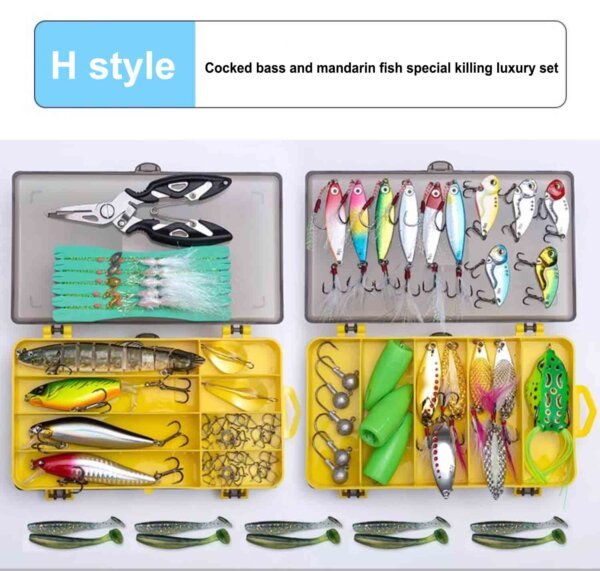
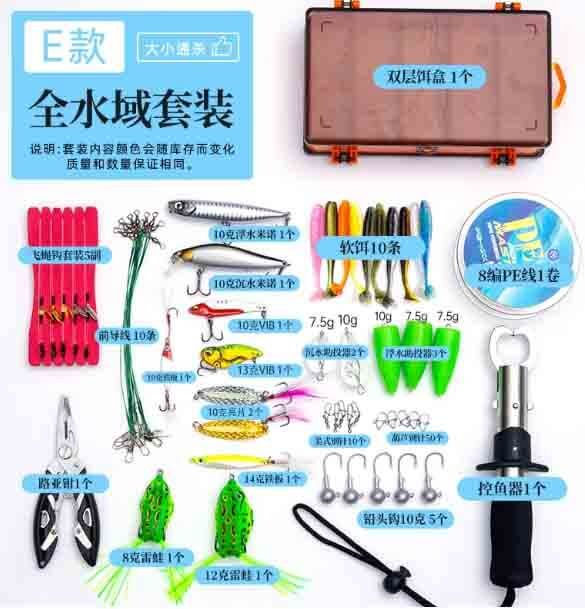
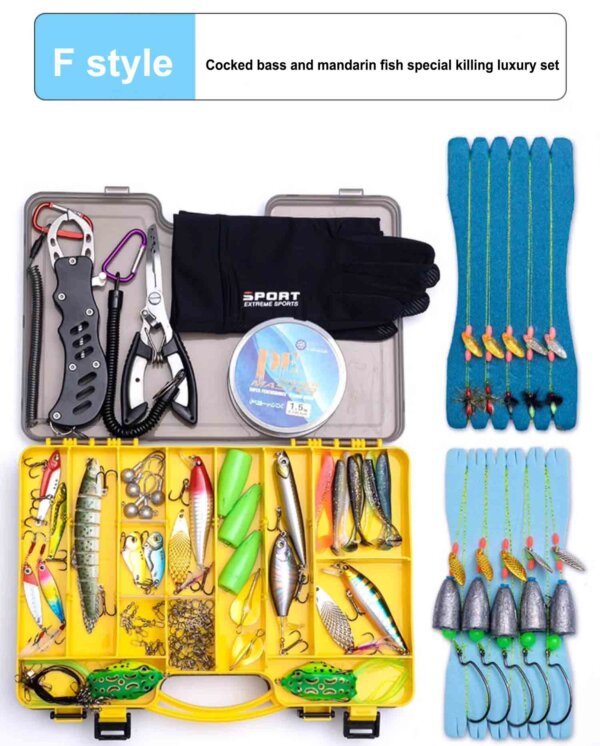
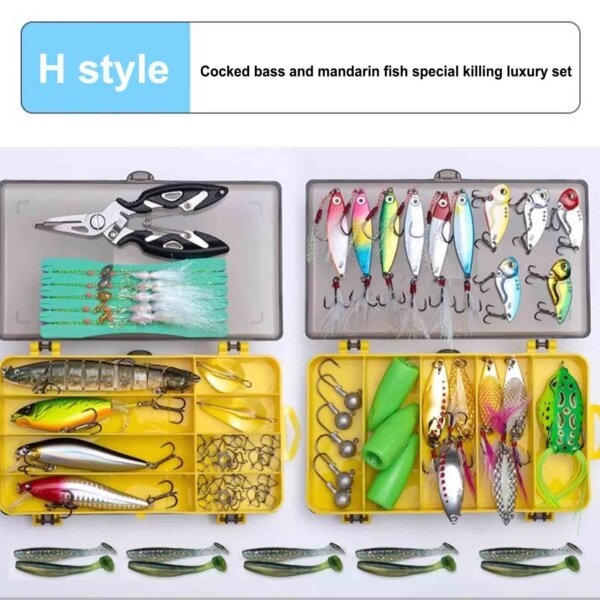
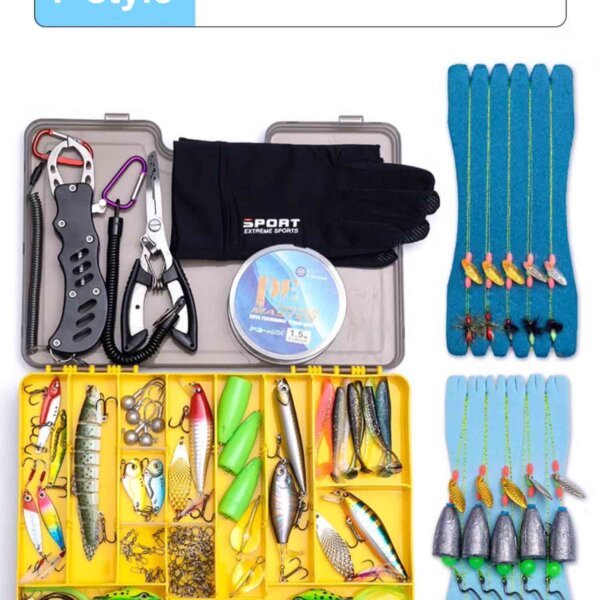
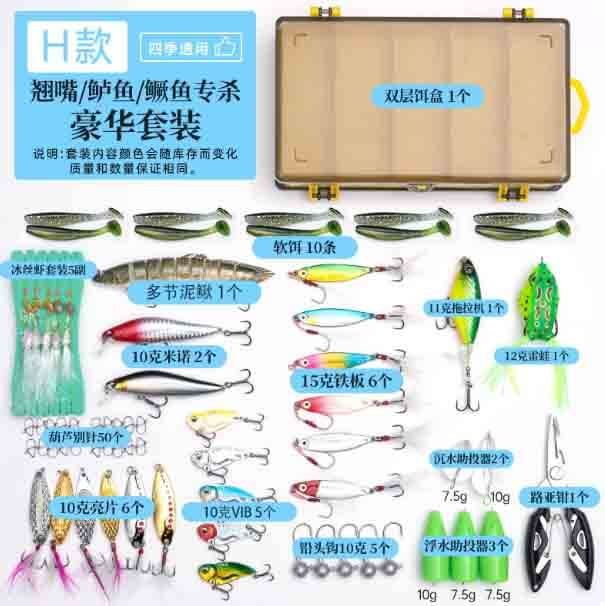
This all-water lure fishing kit includes 25+ versatile baits—hard lures, soft plastics, jigs, and spoons—suitable for freshwater and saltwater. Crafted with corrosion-resistant materials and lifelike designs, it targets bass, redfish, trout, and panfish. The compact, labeled storage box keeps lures organized, making it perfect for anglers who switch between lakes, rivers, and coastal waters.
Fishing Lure Kits: The Ultimate Guide to Lure Kits & Lure Fishing Kit Selection
Fishing lure kits offer anglers a convenient, cost-effective way to access a variety of baits tailored to specific species or environments. A well-curated lure fishing kit eliminates the guesswork of buying single lures, providing all the essentials for success—whether you’re a beginner testing the waters or a seasoned angler stocking up for a trip. This guide breaks down how to choose the right lure kits, understand their components, and get the most value from these all-in-one solutions.
Types of Fishing Lure Kits & Their Core Components
Fishing lure kits come in specialized designs for different fishing styles, environments, and skill levels. Each kit is built around a curated selection of lures, plus essential accessories to enhance usability.
Selecting the best lure fishing kit depends on your fishing environment, target species, and skill level. Avoid generic kits—focus on those tailored to your specific needs for maximum value.
Step 1: Define Your Fishing Environment
Freshwater kits prioritize versatility for lakes, rivers, and ponds—soft plastics and small hard baits work best here.
Saltwater kits require corrosion-resistant materials and larger lures to match marine prey like shrimp and mullet.
Ice fishing kits (specialized subset) include small, sensitive lures for cold-water species.
Step 2: Match to Target Species
Panfish (crappie, bluegill): Small soft plastics (1-2 inches) and tiny jigs in bright colors.
Bass: Larger soft plastics, crankbaits, and spinnerbaits with bold action.
Saltwater inshore: Shrimp/crab imitations and metal jigs for redfish and snook.
Pike/musky: Large, durable hard baits and spinnerbaits with strong hooks.
Step 3: Consider Skill Level & Budget
Beginners: Affordable kits with 10-15 versatile lures—avoid overly specialized options.
Intermediate anglers: Mid-range kits (20-30 lures) with species-specific baits and better materials.
Professionals: Premium kits with high-quality lures, custom organizers, and specialty baits.
Red Flags to Avoid When Buying Lure Kits
Steer clear of kits with excessive “filler” lures (low-quality, generic baits that rarely catch fish). Avoid kits lacking essential accessories (hooks, weights) or those with flimsy tackle boxes that break easily. For saltwater use, reject kits with non-corrosion-resistant hardware—they’ll degrade quickly in brine.
Maximizing Value from Your Lure Kits
A good lure fishing kit is an investment—with proper use and maintenance, it can last for multiple seasons and adapt to changing fishing conditions.
Adapting Lure Kits to Different Scenarios
Clear water: Use natural-colored lures from your kit (brown, green, silver) for subtlety.
Murky water: Select bright or UV-enhanced lures from the kit to increase visibility.
Windy conditions: Choose heavier lures or add weights from the kit to maintain control.
Slow fishing days: Swap to small, slow-moving lures (soft plastics, tiny jigs) from the kit.
Organizing Your Lure Kits for Efficiency
Sort lures by type (soft plastics, hard baits, jigs) to find what you need quickly.
Label dividers by species or scenario (e.g., “bass—weedy areas”) for fast access.
Keep frequently used lures in the top compartment of the tackle box.
Store soft plastics separately to prevent melting or sticking to hard baits.
Maintaining Lures in Your Kit
Rinse saltwater lures with fresh water after each use to prevent corrosion.
Sharpen hooks regularly—dull hooks from the kit lead to lost fish.
Replace torn soft plastics or cracked hard baits to maintain effectiveness.
Keep the tackle box dry to prevent mold or rust on metal components.
Many lure kits are expandable—add new lures or accessories as you gain experience. This lets you customize the kit to your evolving needs without replacing the entire set.
Top Uses for Lure Kits Across Fishing Styles
Lure kits are versatile tools that adapt to various fishing techniques, making them ideal for anglers who enjoy multiple styles of angling.
Cast & Retrieve Fishing
Use hard baits (crankbaits, spinnerbaits) from the kit for open water or structure.
Match lure size to baitfish—most kits include a range of sizes for flexibility.
Ideal for bass, pike, and walleye in lakes and rivers.
Jigging & Bottom Fishing
Pair jigs and soft plastics from the kit with weights for vertical jigging.
Saltwater kits often include specialized jigs for reefs and wrecks.
Effective for crappie, flounder, and snapper.
Travel & Backup Fishing
Compact lure kits fit easily in backpacks or boat storage compartments.
Use as a backup for lost or damaged lures during long trips.
Great for unexpected fishing opportunities while camping or hiking.
Customizing Lure Kits for Seasonal Changes
Update your kit seasonally: Add bright, fast-moving lures in spring/summer when fish are active. Swap to slower, natural-colored lures in fall/winter. For saltwater, include extra corrosion-resistant lures during hurricane season when water is murky.
Common Mistakes to Avoid with Lure Fishing Kit
Even with a quality lure fishing kit, poor usage or selection can limit success. Avoid these common pitfalls:
Buying oversized kits: More lures don’t mean better results—focus on quality over quantity.
Ignoring kit specialization: Using a freshwater kit for saltwater fishing leads to damaged lures and lost fish.
Not organizing the kit: Tangled lures waste time and can damage delicate baits.
Overlooking maintenance: Dirty or damaged lures from the kit won’t perform as well.
Sticking to one lure type: Experiment with all lures in the kit—different days call for different baits.
Final Lure Kit Checklist for Anglers
Before heading out, verify your kit has these essentials for a successful trip:
Lures matching target species and current conditions
Extra hooks, weights, and swivels for quick repairs
Waterproof storage to protect lures from rain or spray
Sharpened hooks and intact lure bodies (no tears/cracks)