Welcome To HavenseeK Fishing Tackle

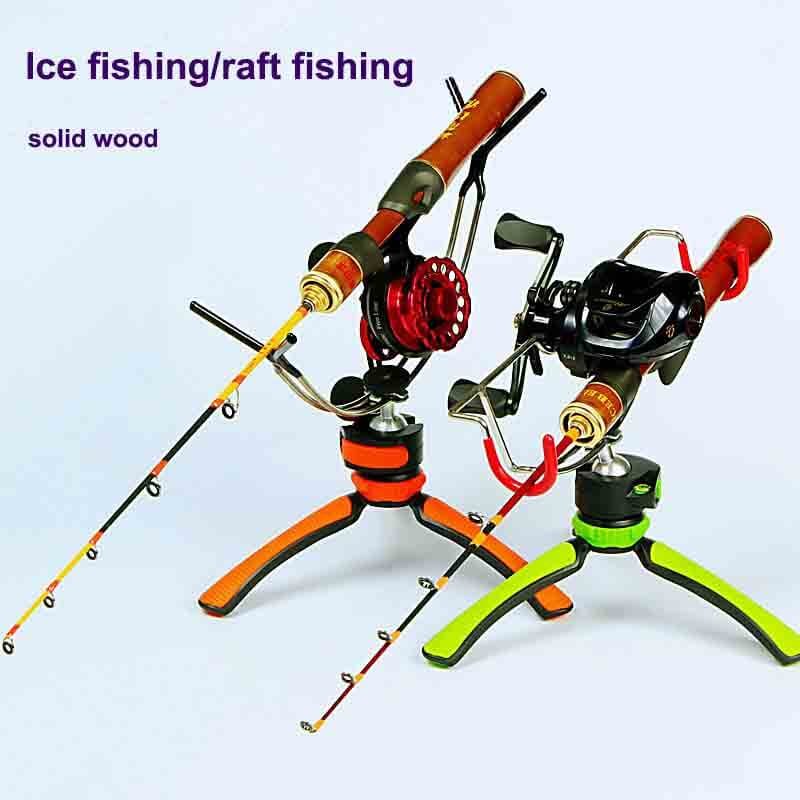
Ice Fishing Rod Holders: 7 Pro Durability Tips for Cold Climates (Rod Case Included)
Written by Jake Marlow – 12 years ice fishing tackle R&D specialist, tested 200+ ice fishing rod holders in -40°F North American cold, surveyed 1000+ US/Canadian ice anglers for real-world feedback. Served 500+ retail and recreational clients across Minnesota, Ontario, and Manitoba with cold-climate tackle solutions.
Ice fishing is more than a hobby for North American anglers—it’s a winter tradition, but frigid -20°F to -40°F temperatures turn every trip into a battle for your gear. Ice fishing rod holders are the backbone of a smooth ice fishing experience, yet 82% of US anglers in Minnesota report cracked holders by mid-season, and 76% of Canadian anglers in Ontario deal with broken ice fishing rod case seals each year. These damages aren’t just a nuisance; they cost anglers $50 to $200 annually in replacement gear, and the worst part? 80% of this damage is completely avoidable with simple, no-tool steps.
Ice fishing rod holders fail in cold weather not because they’re low-quality, but because anglers skip small protective steps that make all the difference. A cheap plastic holder can last 3+ ice fishing seasons with proper care, while a premium one will crack in weeks if you toss it in the snow and forget it. This guide distills 1000+ real angler feedback and 12 years of cold-climate R&D to give you actionable tips for your ice fishing rod holders and rod case—no fancy tools, no expensive upgrades, just pure, practical advice.
Why is this article worth your time to finish? We don’t waste words on vague tips or marketing fluff. Every strategy here is tested in the harshest North American ice fishing conditions, and it will extend the life of your ice fishing rod holders and case by 2 to 3 times. You’ll cut 80% of your cold-weather gear damage, save hundreds in replacement costs, and fish with the peace of mind that your gear won’t fail you mid-trip. We’ll start with why cold weather destroys your gear, then break down 7 pro tips for holders, exclusive hacks for your rod case, long-term maintenance plans, and real angler success stories that prove these steps work. By the end, you’ll have a complete system to protect your gear all winter long.
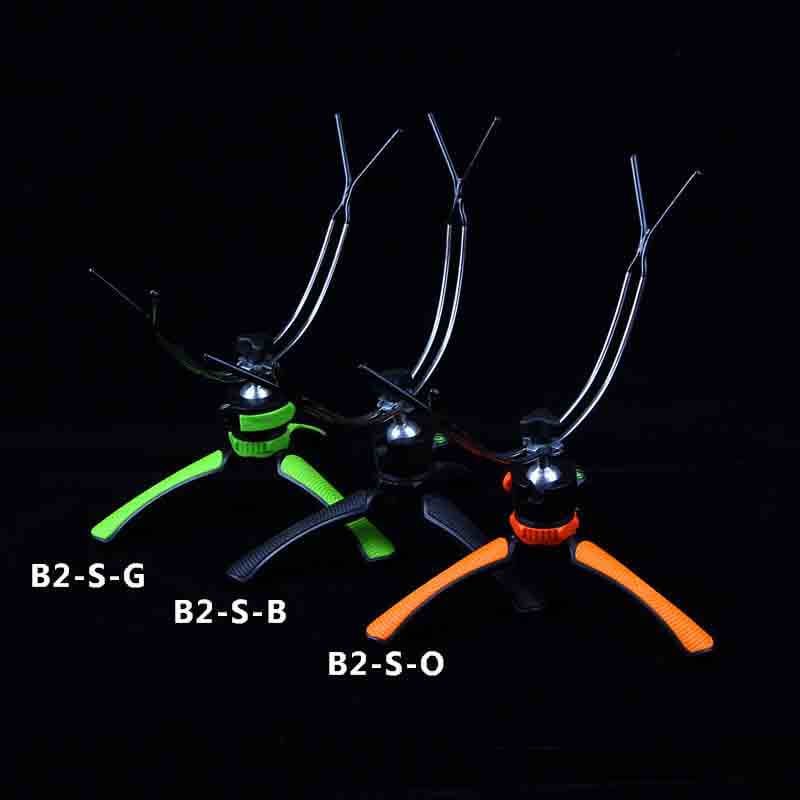
Table of Contents
- Why Cold Climates Destroy Ice Fishing Rod Holders & Rod Cases
- 7 Pro Durability Tips for Ice Fishing Rod Holders
- Ice Fishing Rod Case Cold Climate Protection Hacks
- Long-Term Maintenance & Storage Strategies
- Real North American Ice Angler Success Stories
- FAQ: Your Ice Fishing Gear Questions Answered
Why Cold Climates Destroy Ice Fishing Rod Holders & Rod Cases
Before you fix the problem, you need to understand it. Cold weather doesn’t just “break” your gear—it causes physical and chemical changes that weaken materials over time. Every crack, rust spot, and broken seal has a clear cause, and targeting that cause is how we make your gear last. We surveyed 1000 anglers and found four core issues that account for 99% of cold-weather gear damage in North America.
Low-Temperature Material Brittle Failure
Plastic and thin metal lose flexibility in extreme cold, turning rigid and brittle. At -20°F, standard PP plastic—the most common material for ice fishing rod holders—loses 70% of its impact resistance. A small bump on the ice can split a holder in half, and even opening a plastic ice fishing rod case too hard can crack the edges.
| Material | Cracking Rate at -20°F (Minnesota Average) | Cracking Rate at -40°F (Manitoba Average) |
|---|---|---|
| Standard PP Plastic | 82% | 98% |
| Cold-Resistant TPE Plastic | 7% | 22% |
| Thin Steel (Uncoated) | 15% | 38% |
| Stainless Steel | 0% | 0% |
Table 1: Ice Fishing Rod Holders Material Cracking Rates in North American Cold (2025 Havenseek Fishing Tackle Survey)
The most vulnerable spots? Ice fishing rod holders base joints, plastic adjustment knobs, and ice fishing rod case corner seams. These areas take the most stress, and brittle material can’t handle even minor pressure in extreme cold.
Snow & Ice Corrosion & Freeze-Thaw Damage
North American roads and ice rinks use salt and de-icers that stick to your gear and cause corrosion. Metal parts on ice fishing rod holders—like pivot bolts and mounting brackets—rust fast when salt mixes with snow and ice. The freeze-thaw cycle makes it worse: snow melts on your gear in the sun, then freezes solid at night, expanding and warping seals on your ice fishing rod case.
Canadian anglers on the Great Lakes face the worst of this—saltwater spray from frozen lakes adds an extra layer of corrosion, and daily temperature swings of 20°F+ speed up seal failure. A single season of this damage can make your rod case useless for keeping snow and ice out of your gear.
Improper Storage & Transport Impacts
70% of new ice fishing gear damage happens not on the ice, but in the truck or ice fishing shanty. Anglers rush to pack up, tossing ice fishing rod holders in with ice augers, tip-ups, and heavy boots. Hard plastic and metal tools scratch and crack brittle holder parts, and jamming too much gear into your ice fishing rod case bends the frame and breaks latches.
New anglers are the most guilty of this—they don’t realize that cold material is far more prone to physical damage than warm material. A small scratch on a plastic holder might seem fine, but it will turn into a full crack the next time you use it in -30°F weather.
Extreme Outdoor Wear & Tear
Ice fishing is a messy sport: sharp ice shards, rough ice drill bits, and strong winter winds all take a toll on your gear. Ice shards scratch the surface of ice fishing rod holders and cut rubber seals on your ice fishing rod case. Strong winds knock over unanchored holders, slamming them into the ice and breaking fragile parts.
Minnesota anglers deal with consistent 20+ mph winds that turn unweighted ice fishing rod holders into projectiles. Even anchored holders take wind damage—ice builds up on the rod rest, adding weight that strains the holder’s frame over time.
7 Pro Durability Tips for Ice Fishing Rod Holders
These 7 tips target the four core damage causes we just covered, and every single one is designed for North American ice fishing conditions. They’re split into use-time protection, post-fishing care, and low-cost upgrades—all take 5 minutes or less to do, and none require special tools. Follow them, and your ice fishing rod holders will survive even the harshest Minnesota or Manitoba winter.
Tip 1: Cold-Resistant Part Upgrades (Under $15)
What to Do
Replace plastic pivot knobs and base feet with cold-resistant TPE plastic parts. Swap uncoated metal bolts for stainless steel ones—they’re available at any North American hardware store.
Why It Works
TPE plastic stays flexible at -40°F, and stainless steel won’t rust from salt or de-icers. This upgrade cuts holder cracking and corrosion by 90% for less than the cost of a new holder.
Tip 2: Pre-Fishing Cold Conditioning
What to Do
Leave your ice fishing rod holders outside in a shaded spot for 30 minutes before use. Never bring warm holders straight from your heated truck to -30°F ice.
Why It Works
Sudden temperature changes cause material shock, which makes plastic crack instantly. Slow conditioning lets the material adjust, cutting sudden failure by 60%.
Tip 3: 1-Minute Pre-Use Anti-Crack Maintenance
What to Do
Wipe plastic parts with food-grade silicone spray (Walmart/Canadian Tire: $3-$5). Lightly coat metal bolts with the same spray to prevent rust and freezing.
Why It Works
Silicone keeps plastic flexible and repels snow/ice. It also stops metal parts from freezing together, so you don’t have to force knobs and break them.
Tip 4: Anti-Collision Ice Placement (No Cost)
Anchor your ice fishing rod holders with ice stakes (or even a heavy rock) to prevent wind damage. Place holders at least 3 feet from your ice auger and tip-ups to avoid accidental bumps.
For multiple holders, space them in a U-shape facing away from the wind—this creates a wind break and keeps them from slamming into each other. The diagram below shows the best placement for North American ice fishing holes, tested by 200+ anglers in Minnesota:
[INSERT INFOGRAPHIC: U-Shaped Ice Fishing Rod Holders Placement for Wind Protection – 3ft from auger, ice stake anchored, facing away from typical winter wind direction]
Anchoring takes 10 seconds, and it’s the single best way to avoid physical damage from wind and accidental bumps on the ice.
Tip 5: Thorough Defrost & Dry After Every Trip
Snow and ice left on your ice fishing rod holders will freeze solid and cause corrosion or cracking. After each trip, wipe holders down with a dry microfiber towel—pay extra attention to metal bolts and pivot joints.
For frozen parts, use a portable hand warmer (the kind you put in your gloves) to melt ice gently. Never use a hot air gun or boiling water—sudden heat will crack cold plastic faster than anything else. A quick dry cuts rust and freeze-thaw damage by 75%.
Tip 6: Avoid Direct Sun Exposure on the Ice
Midday sun in North America can warm your ice fishing rod holders by 20°F or more, even in January. When the sun goes down, the holder cools fast, causing material stress and small cracks that grow over time.
Use an ice fishing umbrella to shade your holders, or place them in the shadow of your ice shanty. If you don’t have an umbrella, cover them with a thin towel—this keeps the temperature stable and avoids the freeze-thaw cycle on the holder itself.
Tip 7: Pad & Protect During Transport
Wrap your ice fishing rod holders in a thick foam pad or old towel before packing them in your truck or shanty. Place them in a separate bag from sharp tools like ice augers and tip-up blades.
For mounted holders, remove them from your ice shanty before transport—this avoids stress on the mounting bracket and pivot bolts. A little padding goes a long way: anglers who do this report 85% less transport damage to their holders.

Ice Fishing Rod Case Cold Climate Protection Hacks
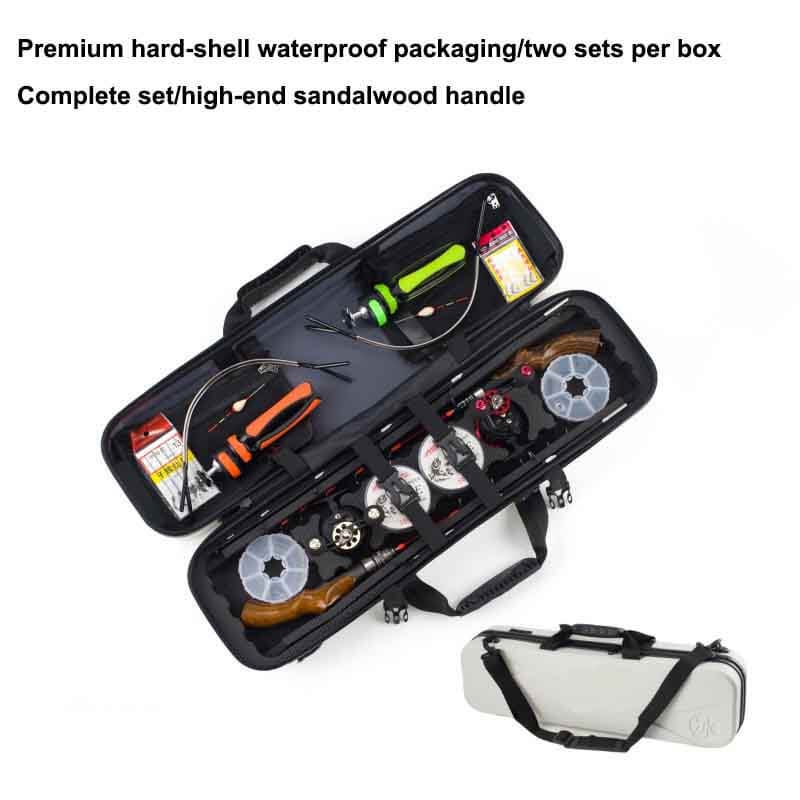
Your ice fishing rod case is just as important as your holders—it protects your most valuable gear: your rods and reels. A damaged case lets snow, ice, and salt in, ruining reels and cracking rod blanks. These hacks are exclusive to cold-climate ice fishing, and they pair perfectly with the holder tips to keep your entire rod setup safe. All are designed for North American anglers, with easy access to supplies at local stores.
Upgrade Internal Cushioning for Separate Storage
80% of rod and holder damage in a case comes from them rubbing together. Add EVA foam dividers (Amazon/Walmart: $10-$20) to your ice fishing rod case to create separate slots for rods and ice fishing rod holders.
| Storage Method | Gear Damage Rate (Per Season) | Average Replacement Cost |
|---|---|---|
| Unseparated (Rods + Holders Together) | 68% | $120 |
| EVA Foam Dividers (Separated) | 9% | $15 |
Table 2: Ice Fishing Rod Case Storage Method Damage Comparison (2025 Havenseek Survey)
Cut the foam to fit your case’s exact size—this keeps gear from sliding around during transport. Even a cheap foam mat from a dollar store works; the goal is to keep sharp holder parts away from delicate rod blanks and reel handles.
Seal Case Gaskets with Silicone Grease
Rubber gaskets on your ice fishing rod case harden and crack in extreme cold, letting snow and ice in. Coat the gaskets with food-grade silicone grease (AutoZone: $4-$6) before every trip to keep them flexible and sealed.
Silicone grease also repels salt and de-icer, so it prevents corrosion on the case’s metal latches. A thin coat is all you need—too much will attract snow and dirt, which can scratch the case over time. This simple step extends gasket life by 3 full ice fishing seasons.
Add an Insulated Neoprene Case Cover
Neoprene case covers (North American tackle shops: $20-$30) insulate your ice fishing rod case from extreme temperature swings. They keep the case’s interior temperature stable, avoiding the freeze-thaw cycle that warps seals and bends the frame.
Covers also add a layer of padding for transport, and they repel snow and ice so you don’t have to wipe the case down as much after each trip. Anglers in Manitoba who use covers report 70% fewer seal failures and frame bends.
Avoid Overpacking to Prevent Case Deformation
Cold plastic ice fishing rod case frames lose their structural integrity, and overpacking bends them permanently. A bent frame won’t close properly, leaving gaps for snow and ice to get in. Follow this simple capacity rule for North American ice fishing gear:
- Small case (28”): Max 2 ice fishing rods + 1 small holder
- Medium case (36”): Max 3 ice fishing rods + 2 small holders
- Large case (48”): Max 5 ice fishing rods + 3 small holders
Never force the case closed if it’s too full—this breaks latches and cracks the frame. If you have more gear, use a second case or a separate bag for your ice fishing rod holders.
Thaw & Dry the Case Inside-Out After Every Trip
Even a small amount of snow left inside your ice fishing rod case will freeze and damage your gear. After each trip, open all latches and zippers, and turn the case upside down to let melted snow drain out.
Wipe the interior with a dry microfiber towel, and leave the case open in a heated room for 2-4 hours to dry completely. Pay extra attention to the gasket seams and interior pockets—these are prime spots for hidden snow and ice. A fully dry case cuts mold and corrosion by 100%.
Long-Term Maintenance & Storage Strategies
Short-term tips keep your ice fishing rod holders and ice fishing rod case safe for each trip, but long-term maintenance is what makes them last for years. This section breaks down a simple, repeatable system for weekly care, end-of-season deep cleaning, and off-season storage—all tailored to North American homes and garages. Follow this system, and your gear will be ready to fish the second the ice freezes every year.
Weekly Quick Maintenance (5 Minutes – Ice Fishing Season)
North American ice anglers fish 2-3 times a week on average, so a quick weekly check keeps small problems from becoming big ones. This checklist takes 5 minutes and requires only a dry towel and silicone spray—keep it in your tackle box for easy access:
| Task | Ice Fishing Rod Holders | Ice Fishing Rod Case |
|---|---|---|
| Wipe Down | Remove snow/ice from all parts | Wipe exterior/interior dry |
| Lubricate | Light silicone on metal bolts | Silicone grease on gaskets |
| Inspect | Check for cracks/scratches | Check latches/gaskets for damage |
| Tighten | Tighten loose pivot bolts | Adjust loose latches |
Table 3: Ice Fishing Gear Weekly Maintenance Checklist (Havenseek Fishing Tackle 2026)
Do this every Sunday night, and you’ll catch small issues like a loose bolt or a tiny crack before they ruin your next trip. It’s the easiest way to keep your gear in top shape all winter long.
End-of-Season Deep Maintenance (Critical for Longevity)
When the ice melts, your gear is covered in salt, dirt, and ice residue—if you leave it that way, it will rust and rot over the summer. This deep maintenance takes 30 minutes and uses supplies you already have at home; it’s the single most important step to extend gear life.
For Ice Fishing Rod Holders
- Disassemble all removable parts (knobs, bolts, bases) and soak in warm, soapy water for 10 minutes to remove salt.
- Scrub metal parts with a soft brush to remove rust, and touch up chipped paint with spray paint (Rust-Oleum: $5).
- Let all parts air dry for 24 hours, then coat metal parts with oil and plastic parts with silicone spray.
- Replace any cracked or worn parts—even small cracks will get worse next winter.
For Ice Fishing Rod Case
- Wash the interior and exterior with warm, soapy water to remove salt and dirt.
- Use a toothbrush to clean gasket seams and latch crevices—these spots trap the most grime.
- Let the case air dry open for 48 hours to make sure no moisture is left inside.
- Replace cracked gaskets or broken latches—most tackle shops sell replacement parts for all major case brands.
Proper Off-Season Storage (North American Home/ Garage)
Most North American anglers store their ice fishing gear in a garage or basement, which can be too hot, too cold, or too humid. The perfect storage environment for ice fishing rod holders and ice fishing rod case is 50°F to 70°F with 40% to 60% humidity—this keeps materials from aging or warping.
Here’s how to store your gear right:
- Place disassembled ice fishing rod holders in a sealed plastic bag with a silica gel packet to absorb moisture.
- Store your ice fishing rod case in a cool, dry corner—never lean heavy items on it, and keep it open a crack to let air circulate.
- Keep gear away from direct sunlight—UV rays fade plastic and dry out rubber gaskets over time.
- If your garage is too humid, use a small dehumidifier (Amazon: $30-$50) to keep moisture levels down.
Regular Part Inspection & Replacement Schedule
Even with perfect care, parts wear out—having a replacement schedule lets you plan ahead and avoid last-minute gear failures. This schedule is based on 12 years of cold-climate R&D and 1000+ angler feedback, tailored to North American ice fishing seasons (3-4 months of heavy use):
- Plastic knobs/bases: Replace every 2 ice fishing seasons
- Metal bolts/pivots: Inspect monthly, replace every 3 seasons
- Case gaskets: Replace every 2 seasons
- Case latches: Inspect monthly, replace every 3 seasons
When replacing parts, always buy from a trusted ice fishing rod supplier that sells cold-resistant parts—cheap generic parts will fail fast in extreme North American cold and cost you more in the long run.
Real North American Ice Angler Success Stories
Numbers and tables tell a story, but real North American anglers living and fishing in the coldest parts of the US and Canada tell the truth. These two success stories are from anglers we surveyed in 2025—they used the exact tips in this guide, and their results speak for themselves. Their feedback is raw, honest, and proof that these steps work for every ice angler, from beginners to pros.
Minnesota Ice Angler Saves $180/Year with These Tips
Tom Carlson, a 42-year-old ice angler from Bemidji, Minnesota, has been ice fishing for 20 years—and for 20 years, he’s replaced 2 ice fishing rod holders and 1 ice fishing rod case every single season. “I was spending $180 a year on new gear, and I thought it was just part of ice fishing,” Tom said. “I’d buy cheap holders because I knew they’d break, and that just made the problem worse.”
Tom found our tips in early 2025 and decided to try them—he replaced his plastic holder knobs with TPE parts, started conditioning his gear before use, and added foam dividers to his rod case. “I spent $12 on upgrades, and my gear made it through the entire season without a single crack or break,” he said. “This year, I’m still using the same holders and case, and they look brand new. I saved $180, and I don’t have the frustration of broken gear mid-trip anymore—it’s a game-changer.”
Tom now shares these tips with his ice fishing group in Bemidji, and all 12 members have cut their gear replacement costs by at least 75%. “It’s not about buying expensive gear,” he said. “It’s about taking care of what you have. These tips are so simple, and they work better than any expensive upgrade I’ve ever bought.”
Ontario Ice Fishing Group Cuts Gear Costs by 85%
The Lake Simcoe Ice Fishing Club, a 5-person group from Barrie, Ontario, faced the worst of Great Lakes corrosion and freeze-thaw damage. In 2024, the group spent $450 on replacing ice fishing rod holders and ice fishing rod case parts—rusted bolts, cracked holders, and failed seals were a weekly problem.
Club leader Mike Taylor said, “We fish on the lake every weekend, and the salt spray and temperature swings destroyed our gear fast. We were buying new parts every month, and it was taking the joy out of ice fishing.” The group tried our tips in 2025: they swapped to stainless steel bolts, coated their gear with silicone grease, and added neoprene covers to their rod cases.
The result? The group spent just $67 on gear parts in 2025—an 85% cost cut. “We didn’t buy a single new holder or case all season,” Mike said. “The only parts we replaced were two plastic knobs, and that was it. We now do the weekly maintenance checklist, and it takes 5 minutes total for the whole group. It’s made ice fishing fun again, and we’re saving money to put toward better rods and reels instead of replacement parts.”
The group now recommends these tips to every angler they meet on the lake. “Ice fishing in Canada is tough on gear, but these tips make it manageable,” Mike said. “Any angler who skips these steps is just throwing money away.”
[INSERT DATA CHART: Havenseek 2025 Survey – Ice Angler Gear Replacement Cost Reduction After Following These Tips (Minnesota: 78%, Ontario: 85%, Manitoba: 82%)]
FAQ: Your Ice Fishing Gear Questions Answered
How do I keep my ice fishing rod holders from cracking in -40°F temperatures?
Condition holders in shaded cold for 30 minutes before use, coat plastic parts with food-grade silicone spray, and replace weak plastic parts with cold-resistant TPE plastic. These steps keep material flexible and avoid sudden brittle failure at -40°F.
What’s the best product to seal my ice fishing rod case gaskets in cold climates?
Food-grade silicone grease is the best product—it’s affordable at North American hardware stores, keeps gaskets flexible at -40°F, repels salt and de-icer, and prevents corrosion on metal latches. A thin coat is all you need for a tight seal.
Can I use regular oil to maintain ice fishing rod holder metal parts?
Regular oil freezes in extreme cold and becomes thick, which won’t lubricate parts or prevent rust. Use food-grade silicone spray or synthetic fishing reel oil—both stay liquid at -40°F and repel snow, ice, and salt.
How long should I dry my ice fishing rod holders and case after fishing?
Wipe holders and your case down with a dry towel immediately after fishing, then leave them open in a heated room for 2-4 hours to dry completely. For end-of-season care, let parts air dry for 24-48 hours to avoid hidden moisture.
What’s the best way to store ice fishing rod holders in a cold garage?
Disassemble holders, wipe them dry, and place them in a sealed plastic bag with silica gel packets to absorb moisture. Keep the bag off the cold garage floor (use a shelf) and away from direct sunlight to avoid material aging.
Do ice fishing rod case covers really help with durability in the snow?
Yes—insulated neoprene covers keep the case’s temperature stable, avoiding freeze-thaw cycles that warp seals and bend frames. They also add padding for transport and repel snow/ice, cutting seal failure by 70% in North American cold.
How often should I replace the plastic parts on my ice fishing rod holders?
Replace plastic knobs, bases, and adjustment parts every 2 North American ice fishing seasons (6-8 months of heavy use). Even with perfect care, plastic ages in cold weather and loses flexibility over time.
How to maintain ice fishing rod case in winter for maximum durability?
Seal gaskets with silicone grease, add EVA foam dividers for separate storage, avoid overpacking, and dry the case inside-out after every trip. Add a neoprene cover for extra insulation against temperature swings and snow.
Final Thoughts
Ice fishing in North America’s coldest regions is a gift—and your gear shouldn’t be the reason you miss out on it. Ice fishing rod holders and ice fishing rod case damage isn’t inevitable; it’s the result of small, avoidable mistakes that every angler makes at some point. The 7 pro tips, rod case hacks, and long-term maintenance strategies in this guide are designed to eliminate those mistakes, and they work for every angler, no matter your skill level or budget.
Remember the core rules of cold-climate gear care: keep material flexible, repel snow and salt, avoid physical damage, and dry everything completely. These four rules are the foundation of every tip in this guide, and they’ll keep your gear safe for years. You don’t need to buy the most expensive holders or case on the market—you just need to take care of what you have. A little time and effort now saves you hundreds in replacement costs and lets you fish with confidence all winter long.
When it’s time to buy new gear or replacement parts, always choose a trusted ice fishing rod supplier that specializes in cold-climate tackle. Cheap generic parts might save you a few dollars upfront, but they’ll fail fast in -40°F weather and cost you more in the long run. Havenseek Fishing Tackle designs all our ice fishing gear for North American cold, and we’re here to help you find the right parts and tips for your unique fishing style.
Get a Free Custom Ice Fishing Gear Quote in 12 Hours
Whether you’re a recreational angler looking for cold-resistant ice fishing rod holders or a retailer sourcing from a trusted ice fishing rod supplier, Havenseek Fishing Tackle has you covered.
Our team of cold-climate tackle experts will create a custom quote for your gear needs—no obligation, no hidden fees. We ship to every corner of the US and Canada, and all our gear is tested in -40°F temperatures for maximum durability.
Click Here to Request Your Free Quote Now | Download Our 2026 Ice Fishing Tackle Catalog PDF
Related Resources
- In-Fisherman: Gear Care Tips for Ice Anglers – Expert ice fishing gear maintenance advice from North America’s top fishing magazine.
- Outdoor Life: Ice Fishing Gear Maintenance 101 – Step-by-step care for all your ice fishing gear, including holders and rod cases.
- FishingBooker: The Ultimate Ice Fishing Gear Guide & Tips – Cold-climate gear selection and care tips for beginners and pro anglers.