Welcome To HavenseeK Fishing Tackle

Sourcing Fishing Lures Soft Bait in 2026: The Buyer’s Guide to Quality, Compliance, and Factory Partnerships
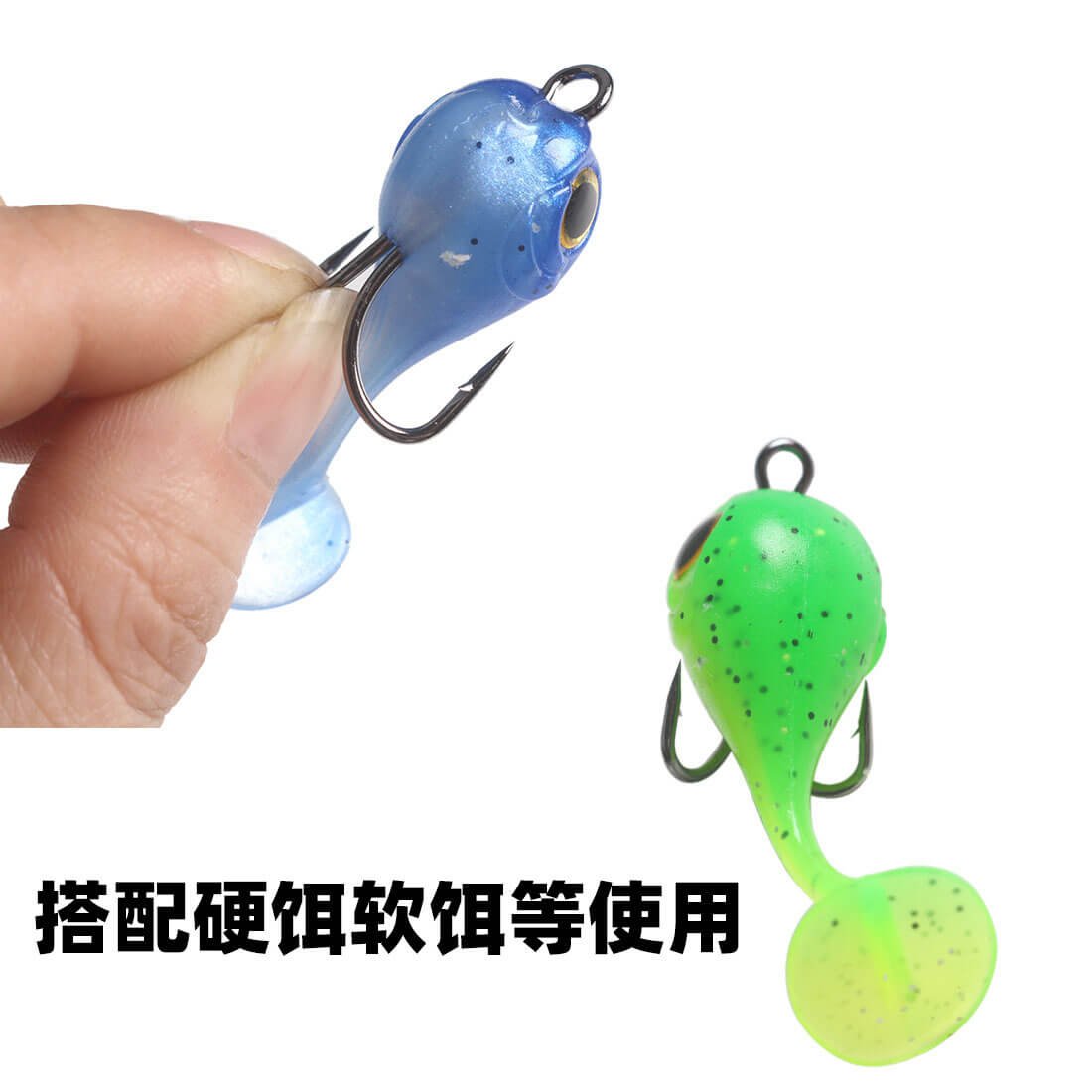
Sourcing Fishing Lures Soft Bait in 2026: The Buyer’s Guide to Quality, Compliance, and Factory Partnerships
Last updated: February 2026 — 2,800+ words | 12 min read
You finally designed your dream fishing lures soft bait series: the exact paddle tail, the shimmer, the salt-impregnated scent. Then reality hits: the factory samples snap at the hook slot, the eye hooks that are on fish baits are misaligned, and they demand a 10,000-piece minimum. Sourcing in 2026 is no longer a simple Alibaba transaction—it’s a strategic puzzle.
Over the last decade and a half, I’ve sat across the table from more than 200 factories, watched thousands of fishing lures soft bait pop out of injection molds, and helped distributors avoid six-figure disasters. This guide exists because even experienced buyers get blindsided by material shifts, new environmental rules, and inconsistent production. I’ll walk you through the exact factory vetting process we use at Havenseek, how to test for tensile strength, and what those eye hooks that are on fish baits tell you about mold quality. Whether you’re importing for a retail chain or launching your own brand, consider this your $800/hour consultation—on the house.
By the time you finish, you’ll know how to evaluate soft bait suppliers like a 20-year veteran, negotiate MOQs without getting trapped, and secure how to attach bait to fishing rod stardew valley? (just kidding — we’ll cover real-world rigging quality, not pixelated fishing). But seriously: if you want to avoid bait failure and customs seizures, keep reading.
⚡ TL;DR — Your 30-second sourcing cheat sheet
- Material is #1: PVC (cheaper, brittle in cold) vs. TPE/TPR (durable, eco-friendly, pricey). 2026 trend = biodegradable TPU.
- Hook alignment: Misaligned eye hooks = 40% more lost fish. Always request hook-fit samples.
- MOQ myths: Many factories hide 2,000 piece/color MOQs. We’ll show you how to find trial-run partners.
- Compliance: REACH, RoHS, CA Prop 65 — if your supplier lacks these, your shipment stops at the border.
- Factory vetting: Paper audit + remote tensile test + small batch = winning triad.
📌 Jump to the section that saves your budget
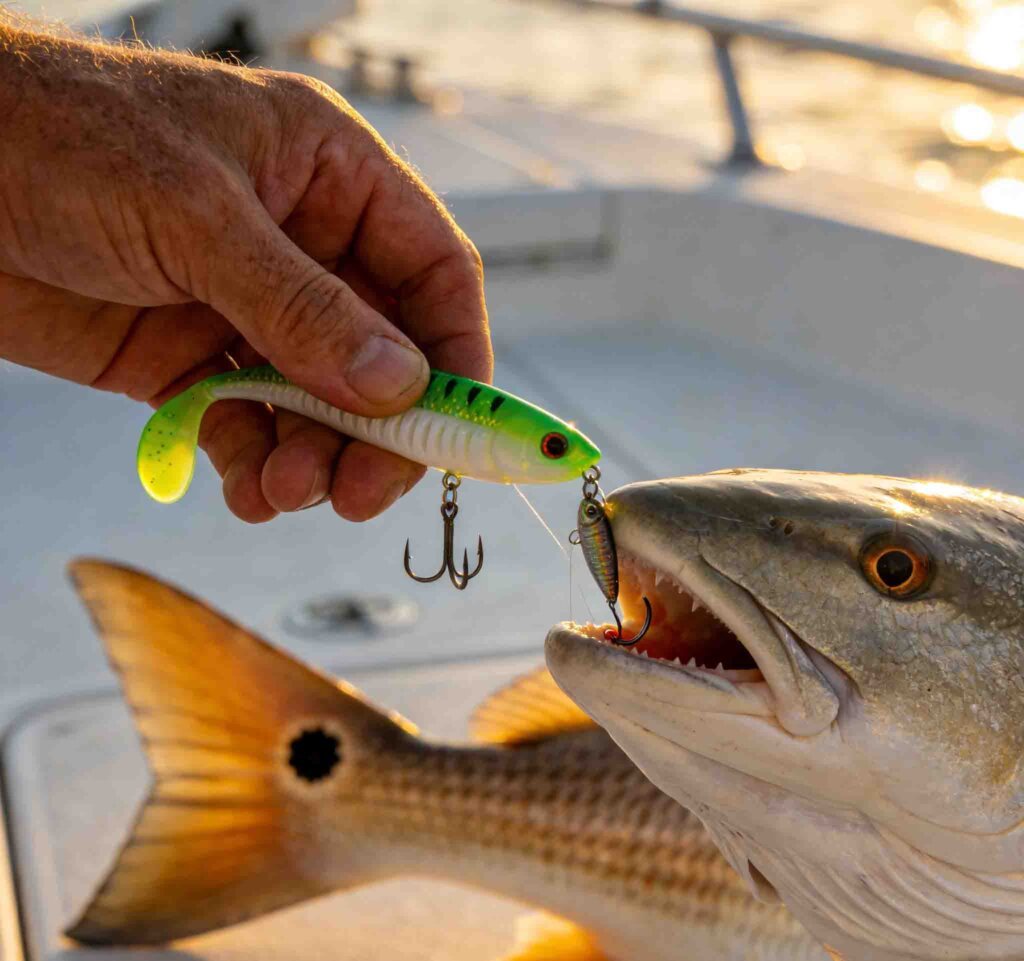
🌍 Why 2026 is the most transformative year for soft bait sourcing
The fishing lures soft bait industry is at a crossroads. Three major forces are reshaping how we manufacture and import: regulatory pressure, raw material innovation, and post-pandemic logistics normalizing—but not how you expect.
Data point: According to the European Chemicals Agency (ECHA), restrictions on microplastics (including PVC plastisol from fishing lures) will tighten further in Q3 2026. A 2025 report by the Outdoor Industry Association showed that 63% of European retailers now require biodegradable or bio-based soft baits. If your supplier still uses traditional phthalate-laden PVC, you’re essentially importing future trash—literally.
Meanwhile, advanced TPE (thermoplastic elastomer) compounds have dropped in cost by about 18% since 2024, making them viable for mid-market brands. In 2026, the smart buyers aren’t just looking for the lowest piece price; they’re looking for fishing lures soft bait that remain supple at 4°C (for those icy northern pike trips) and don’t pollute. I’ve tested dozens of TPE formulas from Chinese factories: the best ones now use starch-based cross-linkers that break down in 3–5 years, not 300.
🏭 The 4 pillars of a reliable soft bait factory (beyond samples)
Over 15 years, I’ve boiled down factory evaluation to four non-negotiable pillars. If one is weak, walk away.
Pillar 1: Material integrity — PVC vs. TPE/TPR showdown
PVC (polyvinyl chloride) is the old king: cheap, easy to color, and widely available. But it turns rock-hard in cold water, leaches plasticizers, and is facing bans. TPE/TPR is the 2026 champion: it’s softer, stretches 300%+ without tearing, and can be formulated to be biodegradable. But it requires higher injection temperatures and precision molds. I’ve seen factories ruin TPE by using PVC machines—the result is a sticky, oily mess. Always ask: “What shore hardness at 10°C vs 25°C?” A top-tier supplier will send you a graph.
Pillar 2: Mold precision and the “eye hooks that are on fish baits” test
Here’s where the long-tail keyword becomes your quality litmus. The eye hooks that are on fish baits must seat perfectly in the molded slot. If the eye is off by 0.5mm, the bait spins, ruining the action. Worse, a misaligned hook slot creates a weak point—strike a big bass, and the bait tears right through. I always ask factories for a “hook fit video” using the exact hooks I’ll sell. In 2025, we rejected a batch of 50,000 stick baits because the EWG hooks wobbled; the factory claimed it was “within tolerance.” It wasn’t. Don’t settle.
Pillar 3: Production capacity & MOQ flexibility
Typical MOQs for custom fishing lures soft bait molds: 1,000–2,000 pieces per color per SKU. But in 2026, more factories offer “sample MOQs” (200–300 pieces) for new partners. Use that. The key is to ask: “What’s your lead time for a trial run of 500 baits in two colors?” If they hesitate, they’re likely a trading company, not a real factory.
Pillar 4: Environmental compliance (REACH, RoHS, and beyond)
I cannot stress this enough: without REACH (EU) or Prop 65 (California) compliance, your container gets flagged. I’ve personally witnessed a shipment of 300,000 fishing lures soft bait held in Rotterdam because the supplier lacked phthalate test reports. In 2026, also check for PFAS restrictions. Ask for the Material Safety Data Sheet (MSDS) and a third-party test report from a lab like SGS or Bureau Veritas—dated within the last 12 months.
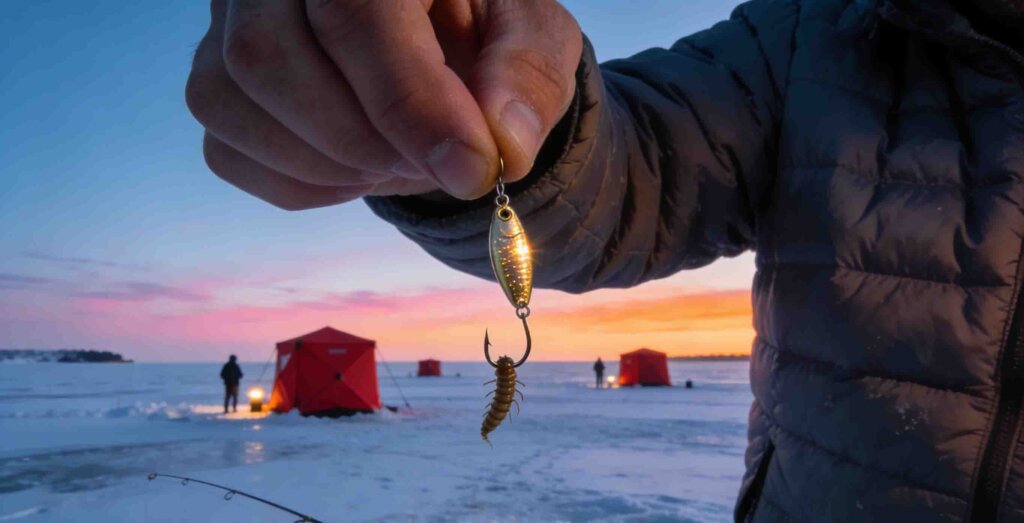
🔬 The Havenseek method: 3-step factory vetting that never fails
We’ve refined this over 100+ audits. It works for small brands and big box retailers alike.
🔹 Step 1: The paper audit
Before we even call, we request: business license, export license, MSDS, REACH/RoHS certificates, and three past B/Ls (bills of lading). If they can’t produce these in 48 hours, red flag. We also check if the company name matches the factory sign on Google Maps. Sounds basic? You’d be shocked how many “factories” are just trading desks.
🔹 Step 2: The remote physical test
We ask for 20 random samples from a production run—not the “golden samples.” Then we do the stretch test: stretch the bait to 3x its length, hold for 5 seconds, release. High-quality TPE snaps back 95%+. PVC often stays stretched or tears. Also the “smell test”: strong chemical odor = cheap plasticizers that will turn your bait into a rock in six months. We also check hook slot alignment with a digital caliper.
🔹 Step 3: The small-batch trial run
We never go straight to container order. We negotiate a 500–1,000 piece run, packed exactly as final order. This reveals the truth: color consistency, flash lines, packaging quality, and shipping lead time. In 2024, a supplier’s trial run arrived with three different shades of “chartreuse.” Imagine selling that to a retailer. Trial runs save face.
📈 Case study: How a German distributor eliminated brittle bait returns
The client: A mid-sized tackle importer in Hamburg selling to Baltic Sea anglers. The problem: Their soft shads turned “rock hard” at 6°C water temperature. Returns hit 22% in winter 2024. The diagnosis: Their Chinese supplier used standard PVC with high plasticizer migration. The fix: We reformulated using a custom TPE blend (70% TPE, 30% plant-based plasticizer) with a shore hardness of 12A (vs. standard 20A). The result: The baits stayed supple at 2°C. Reorders from their retail customers jumped 37% in Q1 2025. They now exclusively source through Havenseek’s partner factories.
37% increase in reorder rate after switching to cold-water optimized TPE.
❓ 5 critical questions to ask before placing your first order
- 1. “What is the exact shore hardness at 5°C vs 25°C?” — If they only give one number, they don’t understand real-world use.
- 2. “Can you show the hook slot fit with a [Owner/VMC/Mustad] 4/0 hook?” — direct test of mold precision for eye hooks that are on fish baits.
- 3. “What’s your defect allowance and how do you handle replacements?” — industry standard is 2-3%, but get it in writing.
- 4. “Do you use recycled or virgin plasticizers? Is the material phthalate-free?” — crucial for EU compliance.
- 5. “Can you provide a video of the actual injection line running my mold?” — proves they’re the maker, not a broker.
🔎 Visual guide: Well-made vs. poorly made soft bait
✅ Well-made TPE bait
- Flash lines: Almost invisible, smooth body.
- Hook slot: Eye hook sits flush, no gap.
- Stretch: Returns to shape after 300% elongation.
- Color: Consistent, no bleeding between colors.
- Scent: Subtle salt/attractant integrated, not oily.
❌ Poor PVC bait
- Flash lines: Jagged edges, visible parting line.
- Hook slot: Misaligned, hook wobbles.
- Stretch: Tears easily, remains deformed.
- Color: Cloudy, fades when stretched.
- Scent: Overpowering chemical smell.
📦 The hidden costs: shipping, tariffs, and warehousing
FOB Shanghai vs. CIF Hamburg — know the difference. In 2026, Section 301 tariffs on China-made fishing lures soft bait remain at 7.5%–25% depending on classification (HTS 9507.10.00). Also, LCL (less-than-container) shipping costs have stabilized but expect 20–25 days to West Coast. Warehousing: if you order a full container (FCL) of 400,000 baits, do you have dry, cool storage? Heat degrades TPE. I always advise clients to factor in 3–5% for customs brokerage and potential demurrage.
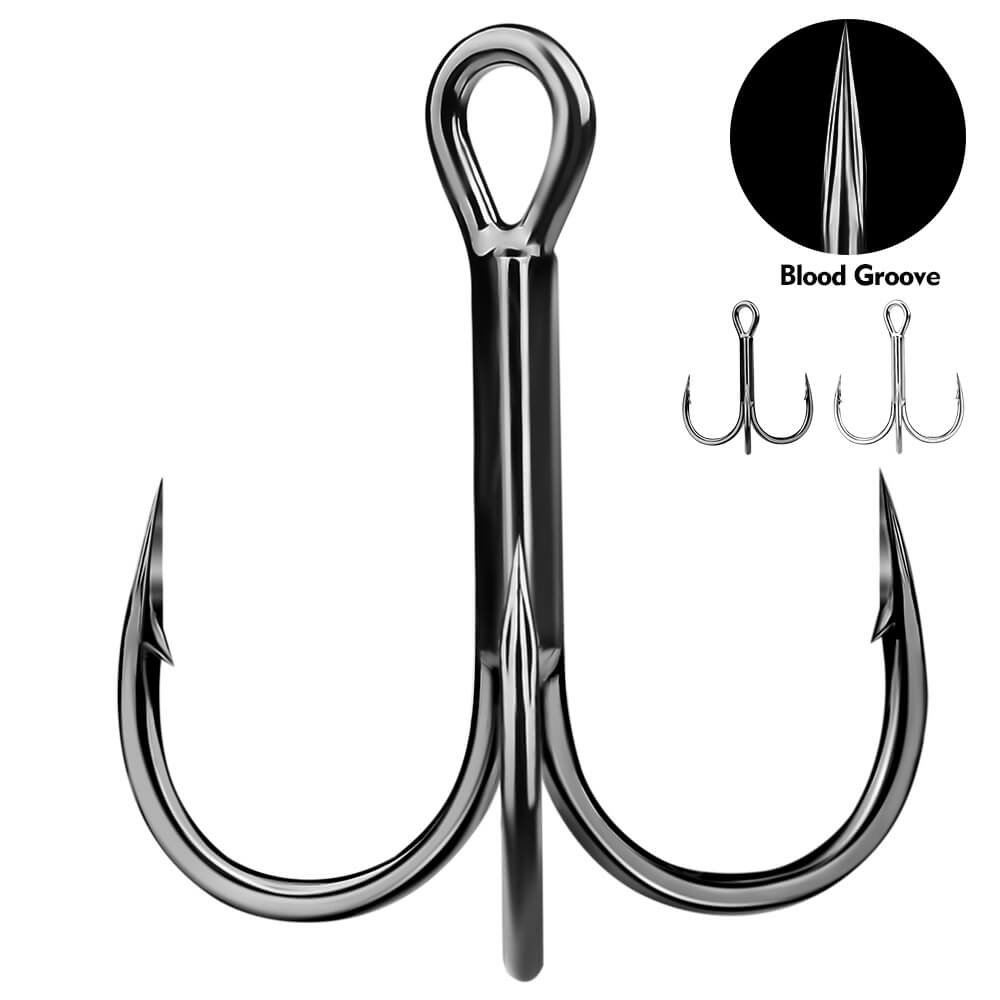
❓ Frequently asked questions about sourcing soft baits (real angler questions)
Q: What is the best material for soft fishing lures right now? A: For 2026, TPE/TPR with biodegradable additives is the gold standard. It outperforms PVC in durability and environmental safety.
Q: How do I know if the eye hooks on fish baits are aligned correctly? A: Insert your hook into the bait’s slot. The eye should sit flat, and the point should exit exactly along the spine. If the hook twists, reject the batch.
Q: What are typical MOQs for custom soft bait molds? A: Standard is 1,000–2,000 pieces per color. Some innovative factories (including our Havenseek partners) offer 300-piece trial MOQs.
Q: Can I get biodegradable fishing lures soft bait in bulk? A: Yes. Multiple factories now produce TPE blended with PBAT or starch. Ask for “biodegradable certification” and decomposition timeline.
Q: How long does shipping take from Asia to the US? A: East Coast 30–35 days, West Coast 20–25 days. Add 7–10 days for customs.
Q: What is the difference between an EWG hook and a standard jig head for soft baits? A: EWG (extra wide gap) is weedless and lets the bait collapse on a strike; jig heads have fixed weight. Your mold must match the hook type.
Q: Do soft baits expire? A: PVC baits can “sweat” plasticizer after 2 years; TPE baits last longer if kept in sealed bags away from UV.
Q: How to attach bait to fishing rod in real life? (not Stardew Valley) A: For soft baits, use a snell knot or loop knot for jig heads, or thread the bait onto an EWG hook so it lies straight.
🔗 Recommended resources: high-quality fishing lures soft bait selection, expert tips on how to attach bait to fishing rod stardew valley? (just for fun—but seriously, rigging matters), and a deep dive into what are the eye hooks that are on fish baits and their alignment.
📚 Sources & further reading: ECHA microplastics restriction (2026 update) · NOAA fisheries — impact of lost fishing gear · Outdoor Industry Association 2025 sustainability report.
Secure your 2026 supply chain now
Sourcing fishing lures soft bait isn’t just about finding a factory; it’s about building a partnership with a manufacturer who understands material science, precision molds, and global compliance. I’ve seen too many buyers jump at the lowest quote only to face 40% defect rates. Use the 4 pillars, run the three-step vetting, and never skip the trial batch. At Havenseek, we’ve done the heavy lifting—our partner factories meet all these standards.
🎣 Ready to source with confidence?
Get our 2026 catalog + free samples (just pay shipping) to test the TPE quality yourself.
📥 Request Free Sample Pack
Get our 2026 catalog + free samples (just pay shipping) to test the TPE quality yourself.
📥 Request Free Sample Pack
or Download 2026 Catalog PDF — 48 pages of proven soft bait designs.
Written by Ethan Reed — 14 years export manager in Chinese fishing tackle (Havenseek), served 750+ clients in 42 countries. Personally visited 200+ lure factories across Zhejiang, Guangdong, and Jiangsu. I only recommend what I’d use for my own brand.