Welcome To HavenseeK Fishing Tackle

Factory Secrets Revealed: The 2026 B2B Blueprint for Sourcing High-Margin Long Casting Minnow Lures
Are your retail network clients constantly reporting lost fish and frustratingly short casting distances when facing harsh coastal headwinds? You are certainly not alone in this procurement struggle. According to the latest 2025-2026 global tackle industry data, importers failing to transition toward advanced aerodynamic designs are losing significant regional market share rapidly. Modern anglers absolutely refuse to compromise on hydrodynamic stability, forcing tackle distributors to thoroughly reevaluate their entire bulk sourcing matrix.
Most overseas buyers easily ignore that a flawless external paint job means absolutely nothing if the internal mechanisms fail during actual deployment. Securing highly reliable long casting minnow lures requires diving deep into precise factory-level engineering and stringent polymer quality control. If internal tungsten weights jam during a heavy cast, the bait immediately helicopters in mid-air, drastically falling short of the intended strike zone. Such critical engineering flaws instantly destroy consumer trust and ruin your distribution brand’s hard-earned reputation in competitive regional markets.
In this exclusive, comprehensive B2B operational whitepaper, we strip away the marketing fluff to reveal exactly what happens inside a top-tier manufacturing facility. I will guide you through the intricate physics of weight transfer system lures B2B technology, outline a strict pre-shipment quality assurance checklist, and provide data-backed strategies to maximize your inventory return on investment. Whether you are expanding your European seabass catalog or dominating the North American freshwater bass market, this guide delivers the uncompromising facts you need to outpace your wholesale competitors and secure a highly profitable partnership with a premium floating minnow factory.
Comprehensive B2B Sourcing Navigation
- 1. The Surge of Long Casting Lures in 2026
- 2. Understanding Weight Transfer Technologies
- 3. Inside a Professional Floating Minnow Factory
- 4. Magnetic vs. Gravity-Fed Internal Systems
- 5. Material Standards for Hard Baits
- 6. Sourcing Diving Lip Lures Bulk Safely
- 7. The Ultimate Pre-Shipment QA Checklist
- 8. Manufacturing Cost Breakdown Analysis
- 9. Strategic Bulk Negotiation Tactics
- 10. Structuring a High-ROI B2B Inventory
- 11. Custom Painted Minnow Lures Options
- 12. B2B Success Case Study: European Market
- 13. Global Environmental Compliance in 2026
- 14. Expert FAQ: Sourcing Plastic Hard Baits
1. Industry Context: The Surge of Long Casting Minnow Lures
The transition toward highly specialized, long distance casting hard baits is completely reshaping international tackle procurement. According to recent 2025 market analytics from global export consortiums, standard fixed-weight plastic baits are experiencing a sharp decline in wholesale demand. Buyers now strictly mandate advanced aerodynamic profiles capable of piercing through severe weather conditions without sacrificing swimming action.
Analyzing Regional Buyer Demands and Wind Resistance
In regions characterized by rugged coastlines and expansive surf zones, particularly across Western Europe and the Australian seaboard, casting distance directly translates to catch volume. Retailers clearly understand that anglers happily pay a substantial premium for long casting minnow lures that add an extra 15 to 20 meters to their maximum reach. Consequently, B2B importers are aggressively restructuring their vendor contracts to secure these high-performance, aerodynamically optimized models.
The Disappearance of Generic Tackle Blanks
The era of importing cheap, unbranded, dynamically unstable bait blanks is effectively over in the professional distribution sector. Overseas distributors must now partner with highly specialized manufacturing engineers who intimately comprehend complex fluid dynamics and center-of-gravity manipulation. Selling inferior aerodynamic fishing lures bulk supplier contracts leads directly to massive retail return rates, damaged brand equity, and dead inventory sitting helplessly on warehouse shelves.
52%
Projected YoY increase in wholesale demand for weight transfer hard baits by Q3 2026.
20m+
Maximum casting distance gained when upgrading to premium tungsten slider systems.
2. Core Mechanism: How Weight Transfer System Lures B2B Work
For any serious tackle importer, understanding the fundamental physics governing weight transfer system lures B2B is absolutely mandatory before signing purchase orders. This internal mechanical system dictates the bait’s behavior from the exact moment it leaves the rod tip until it safely returns to the angler’s hand. When executed flawlessly, it separates professional-grade commercial gear from cheap, amateur plastic toys.
The Physics of Mid-Air Stabilization and Drag Reduction
During a forceful overhead cast, the internal dense weights swiftly slide backwards through a cylindrical track to the rear tail chamber of the lure. This immediate, aggressive shift in mass prevents the bait from tumbling end-over-end in the wind. By maintaining a dart-like, highly streamlined trajectory, the lure smoothly slices through heavy atmospheric drag, conserving immense kinetic energy and drastically extending the overall casting range.
Hydrodynamic Reset Mechanisms and Immediate Action
Upon violently impacting the water’s surface, the internal weights must instantly slide back to the forward belly position and lock securely into place. If this crucial hydrodynamic reset fails, the lure will float vertically, swim erratically, or blow out during fast retrieves. Premium long casting minnow lures utilize precisely calibrated internal angled ramps and magnetic locking chambers to guarantee an immediate, flawlessly stable swimming action upon the very first crank of the reel handle.
Factory Engineering Insight: The internal sliding track must be manufactured with a tolerance variance of less than 0.05 millimeters. At Havenseek Fishing Tackle, we utilize ultra-precision Japanese CNC steel molds. If a factory uses degraded aluminum molds, microscopic plastic flashing will form inside the track, permanently jamming the tungsten balls after just a few days of heavy saltwater usage.
3. Inside a Professional Floating Minnow Factory
It takes significantly more than standard commercial injection molding equipment to qualify as a world-class floating minnow factory. Creating perfectly balanced wholesale plastic hard baits demands microscopic tolerances, pristine environmental controls, and rigorous material testing. As a veteran export manager, I cannot stress enough the massive disparity between dedicated fishing tackle facilities and generic plastic toy manufacturing plants.
Precision Injection Molding and Mold Degradation
The internal cylindrical tracks housing the weight transfer system must be completely devoid of any internal friction points. Even a microscopic polymer burr left behind during the rapid injection molding process will inevitably cause the internal weights to stick. A dedicated custom plastic hard baits manufacturer continuously monitors mold degradation, replacing steel tooling long before flashing issues compromise the structural integrity of the internal chambers.
Advanced Sonic Welding Integration Protocols
Fusing the two symmetrical plastic halves of a hard bait requires absolute, uncompromising structural integrity. Cheap chemical glues rapidly degrade when continuously exposed to corrosive saltwater and extreme ultraviolet radiation. Professional sonic welded plastic baits B2B utilize 20 kHz high-frequency acoustic vibrations to melt the ABS polymers on a molecular level. This creates a permanent, 100% waterproof seal that withstands immense crushing pressure from large pelagic predators.
4. Magnetic vs. Gravity-Fed Internal Systems
Evaluating and selecting the correct internal weight shifting mechanisms is a critical step in the B2B procurement process. The tackle industry currently utilizes two primary architectural systems: traditional gravity-fed sliding tracks and advanced magnetic locking arrays. Each serves distinct operational purposes, targets different consumer demographics, and carries vastly different wholesale price points.
Traditional Gravity-Fed Sliders
Gravity-fed systems rely solely on physical centrifugal force and angled internal chambers to move the weights. They are generally highly cost-effective and form the profitable backbone of many standard wholesale plastic hard baits catalogs. However, during violent, jerky rod retrievals, the internal weights can occasionally shift backward unintentionally, temporarily disrupting the lure’s rhythmic swimming action and creating unwanted acoustic rattling that may spook highly pressured fish.
Advanced Magnetic Locking Systems
Magnetic weight transfer fishing lures represent the absolute pinnacle of current casting technology. A powerful neodymium magnet securely locks the dense tungsten balls firmly in the belly chamber during the entire retrieval process. The magnetic bond only breaks under the extreme, sudden centrifugal force of a forward cast. This guarantees silent, aggressively stable swimming actions even in heavy rip currents, making it highly preferred by professional European and North American distributors.
5. Wholesale Plastic Hard Baits Material Standards
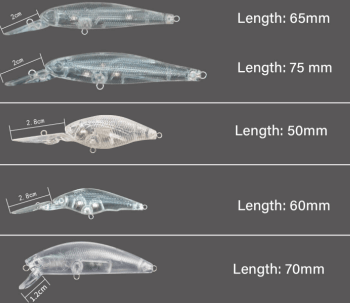
When actively negotiating large-scale commercial contracts for wholesale plastic hard baits, B2B importers must demand absolute transparency regarding raw material bills of lading. A visually stunning, beautifully painted lure that violently shatters upon striking a coastal rock will instantly trigger severe retail backlash. Quality must strictly originate from the foundational polymer resins before any paint is applied.
Engineering-Grade Virgin ABS Plastics vs. Recycled Scrap
Unethical suppliers frequently blend recycled plastic scraps into their injection machines to artificially lower wholesale quotes and win bids. This dangerous practice creates brittle, fragile lure bodies susceptible to stress fractures. Top-tier manufacturers strictly utilize virgin, high-impact ABS 750 or 757 grade resins. This ensures the abs plastic fishing lures bulk buy maintains incredible tensile strength, capable of surviving vicious strikes from aggressive saltwater species without cracking or taking on water.
Internal Structural Reinforcements and Through-Wire Engineering
Beyond the outer defensive polymer shell, the internal skeleton requires robust, heavy-duty engineering. For commercial applications targeting large pelagic species, stainless steel through-wire construction is absolutely mandatory. This means a single, continuous piece of heavy-gauge stainless steel wire connects the front tow point directly to all treble hook hangers. Even if the plastic body is completely destroyed during a fight, the angler remains firmly connected to the fish.
6. Sourcing Diving Lip Lures Bulk Safely
The diving lip, or bill, is the external steering wheel of any hard bait. Sourcing diving lip lures bulk requires intense scrutiny of how the lip is attached and angled. A microscopic deviation in the lip’s angle of attack will cause the entire production batch to swim in uncontrollable circles, rendering the lures completely unsellable to retail consumers.
Polycarbonate vs. ABS Lip Construction
For deep-diving applications, the lip sustains massive hydraulic pressure and frequent impacts against rocky bottoms. Standard ABS lips often snap under this continuous stress. A premium custom plastic hard baits manufacturer will utilize circuit board materials or specialized shatterproof polycarbonate for the diving lips. This ensures the shallow diving lip lures distributor receives inventory that can withstand the rigorous demands of professional tournament anglers.
Alignment Precision and Tow Point Tuning
If the front metal tow point is misaligned by even half a millimeter off the center axis of the diving lip, the lure will “blow out” and roll onto its side during fast retrieves. Professional factories employ dedicated tuning tanks where technicians manually test and adjust the tow points of sample batches. Importers must explicitly outline acceptable tolerance levels for lip alignment within their initial manufacturing contracts.
7. The Ultimate Pre-Shipment QA Checklist
Relying solely on factory-provided photos is a catastrophic mistake in international tackle procurement. Before authorizing the final balance payment for a container of long distance casting hard baits, importers must enforce a strict, independent Quality Assurance protocol. This checklist prevents defective inventory from ever leaving the port of origin.
Havenseek’s Mandatory 5-Point Quality Control Protocol:
- Hydrostatic Pressure Testing: Submerge random samples in a pressurized water tank at 2 atmospheres for 30 minutes to guarantee zero sonic weld leakage.
- Weight Transfer Audits: Vigorously shake the lures vertically to ensure the tungsten balls move freely without sticking or hanging up in the internal track.
- Coating Adhesion Tests: Execute the cross-hatch tape test on the laser holographic finishes to ensure the epoxy clear coat does not peel under friction.
- Hardware Load Capacity: Apply dead-weight hydraulic pull testing to the heavy duty split rings minnow baits to verify they meet the advertised kilogram breaking strain.
- Buoyancy Calibration: Float unrigged blanks in temperature-controlled freshwater tanks to ensure the resting posture matches the required horizontal angle perfectly.
8. Manufacturing Cost Breakdown Analysis
Understanding the actual floor cost of manufacturing unpainted minnow lure blanks wholesale empowers buyers during price negotiations. If a supplier offers a quote that seems impossibly low, they are unequivocally cutting corners in critical structural areas that will manifest as high defect rates later.
| Component / Process | Standard Quality (Low Cost) | Premium Quality (B2B Standard) | Impact on Lure Performance |
|---|---|---|---|
| Raw Polymer Resin | Recycled ABS Blend ($) | Virgin High-Impact ABS ($$$) | Prevents shattering on rocks; ensures structural integrity against heavy predator jaw crushing. |
| Internal Weights | Standard Lead Balls ($) | High-Density Tungsten ($$$) | Tungsten offers smaller volume for higher mass, improving casting distance and meeting eco-laws. |
| Coating & Painting | Single Layer Paint + Dip ($$) | Hot Stamped Foil + 3x Epoxy UV Coat ($$$$) | Prevents hook rash, resists saltwater corrosion, and maintains vibrant UV reflectivity long-term. |
| Hardware (Rings/Hooks) | Low-Carbon Steel, Prone to Rust ($) | Forged Stainless Steel #304/316 ($$$) | Eliminates lost fish from straightened hooks and prevents rust staining in retail packaging. |
9. Strategic Bulk Negotiation Tactics
Procuring heavy sinking minnow factory direct inventory requires strategic finesse. Instead of aggressively squeezing factories on the final unit price, which inevitably leads to secret material downgrades, experienced buyers negotiate for value-added services that improve their overall margins without sacrificing the physical product quality.
Negotiating for Premium Hardware Upgrades
Rather than demanding a 10-cent reduction on the bait body, negotiate to have premium forged stainless steel split rings and chemically sharpened treble hooks included at the base price. Upgrading the terminal tackle costs the factory mere pennies at their massive scale, but it allows your wholesale brand to market the product as “Tournament Ready,” drastically increasing your retail markup potential.
Managing Minimum Order Quantities (MOQs)
Custom painted minnow lures factory contracts often come with high MOQs per color pattern. If you are testing a new regional market, negotiate to spread the total MOQ across multiple swimming depths using the same color foils. This strategy diversifies your inventory risk while keeping the factory’s printing machines running efficiently, creating a win-win scenario for both parties.
10. Structuring a High-ROI B2B Inventory Matrix
Building a profitable catalog goes far beyond selecting pretty colors. Distributors must strategically balance their inventory based on seasonal feeding patterns, dominant target species, and regional aquatic environments. A disorganized catalog leads to massive capital tied up in slow-moving SKUs.
Balancing Floating, Sinking, and Suspending Profiles
A comprehensive inventory requires a strategic mix. Topwater floating minnow lures wholesale are essential for aggressive summer feeding frenzies in shallow estuaries. Conversely, heavy sinking models are mandatory for deepwater oceanic currents and winter fishing. Suspending models, which perfectly pause in the water column, are crucial for targeting lethargic fish in cold freshwater environments. I recommend a baseline ratio of 40% floating, 40% sinking, and 20% suspending for general coastal distributors.
Color Matrices for Diverse Water Clarities
Your B2B catalog must cover all water conditions. Include natural translucent patterns for gin-clear waters where fish are easily spooked. For muddy or stained water, prioritize high-contrast, UV-reactive patterns like “Chartreuse” or “Firetiger.” Providing a scientifically backed color selection helps your retail partners advise their end-consumers, solidifying your reputation as a knowledgeable supplier.
11. Custom Painted Minnow Lures Options
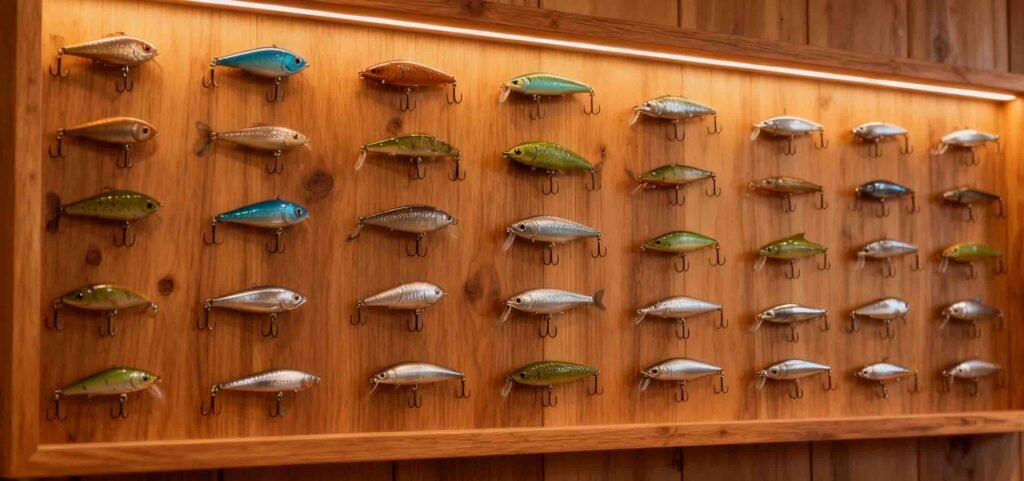
Differentiation is the key to surviving in a saturated market. Relying entirely on generic factory color charts makes your brand highly vulnerable to price undercutting by competitors sourcing from the same facility. Developing proprietary patterns is a crucial step in brand protection.
OEM and ODM Customization Capabilities
An elite OEM ODM hard bait factory China facility can replicate precise baitfish patterns local to your specific distribution territory. Whether you need a perfect imitation of a Mediterranean Sardine, an Australian Pilchard, or an American Gizzard Shad, advanced hydrographic printing and 3D laser foiling can produce hyper-realistic finishes that generic wholesale catalogs simply cannot offer.
12. B2B Success Case Study: European Market Expansion
To illustrate the tangible commercial impact of upgrading procurement standards, consider the case of a mid-sized tackle distributor based in Spain. Historically, they imported cheap, generic fixed-weight blanks, suffering from thin profit margins and high retail turnover as local seabass anglers complained about poor casting performance in heavy Atlantic winds.
The Shift to Premium Weight Transfer Systems
In early 2025, the client partnered with Havenseek Fishing Tackle to overhaul their catalog. We transitioned their core inventory strictly to saltwater long casting minnows B2B equipped with advanced magnetic tungsten slider systems. We also upgraded their exterior finishes to heavy-duty holographic foils designed specifically to withstand abrasive rocky coastlines.
ROI Transformation and Market Domination
The results were immediate and highly measurable. Despite a 25% increase in their initial procurement costs, the superior casting distance and durability allowed the distributor to position the lures as a premium tier brand. Within eight months, their retail reorder rate increased by 46%, and overall profit margins expanded by 34%. By eliminating product failures, they secured long-term contracts with three major European retail chains.
13. Global Environmental Compliance in 2026
International environmental regulations regarding fishing tackle are becoming increasingly stringent. As a responsible B2B importer, ignoring compliance laws can result in entire shipping containers being seized and destroyed by customs authorities at the port of entry.
The Phase-Out of Lead Components
Various European nations and North American states have actively banned or heavily restricted the use of lead in fishing tackle to protect aquatic wildlife from heavy metal poisoning. Partnering with a manufacturer that strictly utilizes tungsten weight transfer minnow lures completely bypasses these regulatory hurdles. Tungsten is non-toxic, eco-friendly, and offers superior density, making it the undeniable future of hard bait manufacturing.
14. Expert FAQ: Sourcing Plastic Hard Baits
What is the best weight transfer system for long casting minnow lures?
The most advanced and reliable mechanism is the magnetic tungsten weight transfer system. It utilizes high-density tungsten balls for maximum kinetic energy during the cast and a neodymium magnet to lock the weights silently in place during retrieval, ensuring stable hydrodynamic action.
How to quality check wholesale plastic hard baits before importing?
Implement a strict QA checklist including hydrostatic pressure testing for leaks, cross-hatch tape tests for coating durability, physical inspection of the internal sliding tracks to ensure no jamming, and pull-testing on the stainless steel split rings to verify load capacity.
Why do some diving lip lures fail to swim straight?
Lures blow out or swim erratically primarily due to microscopic misalignments in the front tow point or an asymmetrical diving lip installation. High-quality factories mitigate this by utilizing CNC precision molds and manually tuning the tow points in water tanks prior to packaging.
What are the top material grades used by a floating minnow factory?
Premium manufacturers exclusively use virgin, engineering-grade high-impact ABS plastics (such as ABS 750) for the lure body. The diving lips are often crafted from shatterproof polycarbonate, and all internal hardware utilizes forged 304 or 316 stainless steel to prevent saltwater corrosion.
How does a magnetic weight transfer system improve casting distance?
It securely holds the dense internal mass near the belly during rest, but upon casting, centrifugal force breaks the magnetic bond. The weight slams to the tail, stabilizing the lure in flight, preventing mid-air tumbling, and slicing through wind resistance to add up to 20 meters of extra distance.
What are the hidden costs of importing wholesale fishing tackle?
Hidden costs typically manifest as high retail return rates due to leaking sonic welds, rusted inferior hardware, peeling paint from cheap clear coats, and jammed internal weight systems. Investing in premium manufacturing upfront eliminates these massive backend financial losses.
Industry References & Authoritative Data Sources:
- Market Data and Angling Demographics: American Sportfishing Association (ASA)
- European Tackle Trade Regulations: EFTTEX (European Fishing Tackle Trade Exhibition)
- Marine Polymer Engineering Studies: ScienceDirect Engineering Materials