Welcome To HavenseeK Fishing Tackle

Factory Floor Secrets: Preventing Leakage in Bulk Topwater Bass Fishing Lures
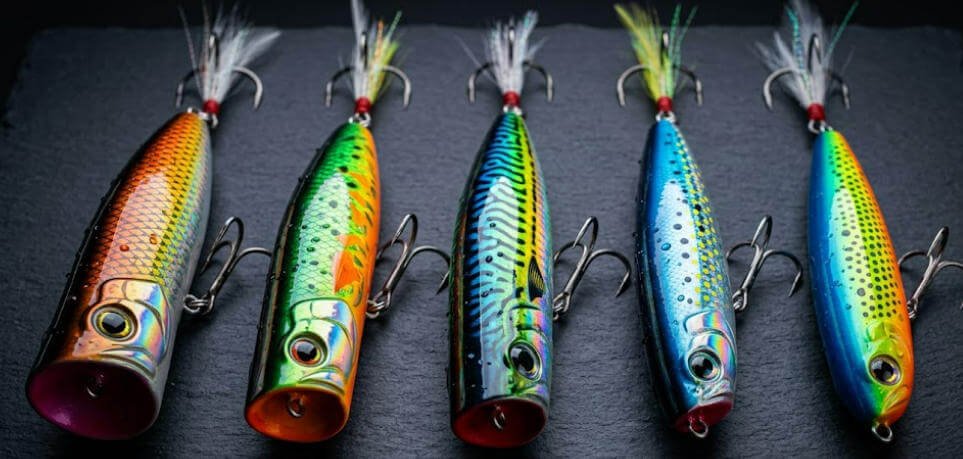
Are your retail network clients constantly reporting shattered lure bodies and straightened hardware when targeting aggressive pelagic species? You are definitely not alone in this procurement struggle. According to the latest 2025-2026 global tackle industry analytics from the American Sportfishing Association, importers who fail to transition toward advanced, impact-resistant structural designs are rapidly losing significant regional market share. Modern offshore and inshore anglers absolutely refuse to compromise on durability, forcing tackle distributors to thoroughly reevaluate their entire bulk sourcing matrix.
Most overseas buyers easily ignore that a flawless external holographic paint job means absolutely nothing if the internal engineering fails during a violent strike. Securing highly reliable topwater bass fishing lures and heavy-duty offshore poppers requires diving deep into precise factory-level polymer science and stringent quality control. If an inferior ABS plastic body cracks under the crushing jaw pressure of a Giant Trevally or Bluefin Tuna, the bait immediately fills with saltwater and sinks. Such critical manufacturing flaws instantly destroy consumer trust and ruin your distribution brand’s hard-earned reputation in competitive global markets.
In this exclusive, comprehensive B2B operational whitepaper, we strip away the marketing fluff to reveal exactly what happens inside a top-tier manufacturing facility. I will guide you through the intricate hydrodynamics of heavy duty popper lures bulk production, outline a strict pre-shipment quality assurance checklist, and provide data-backed strategies to maximize your inventory return on investment. Whether you are expanding your European seabass catalog or dominating the North American freshwater market, this guide delivers the uncompromising facts you need to outpace your wholesale competitors and secure a highly profitable partnership with a premium custom topwater hard baits manufacturer.
Comprehensive B2B Sourcing Navigation
- 1. Physics & Engineering of Premium Poppers
- 2. Hydrodynamic Cup Designs Explained
- 3. High-Impact Polymers vs. Traditional Wood
- 4. The Necessity of Through-Wire Construction
- 5. Procurement Blueprint: Preventing Costly Defects
- 6. The 10-Point Pre-Shipment QA Checklist
- 7. Structuring a High-ROI B2B Inventory Matrix
- 8. Hardware Upgrades that Multiply Retail Margins
- 9. Success Case Study: Scaling Up Global Markets
- 10. Expert FAQ: Sourcing Large Popper Lures B2B
1. The Physics and Engineering of Premium Topwater Lures
The transition toward highly specialized, extreme-durability surface baits is completely reshaping international tackle procurement. According to recent 2025 market projections, standard low-density plastic surface baits are experiencing a sharp decline in wholesale demand for saltwater applications. Buyers now strictly mandate advanced hydrodynamic topwater bait engineering capable of displacing massive amounts of water while surviving catastrophic impacts.
64%
Projected YoY increase in B2B demand for through-wire offshore topwater baits wholesale by Q4 2026.
300lb+
Minimum breaking strain required for premium terminal hardware on big game topwater casting lures bulk.
Hydrodynamic Cup Designs and Acoustic Resonance
Understanding cup geometry is crucial when negotiating with a saltwater topwater lures factory. The mouth cup is the engine of the lure. A deeply recessed, wide “Chugger” profile displaces maximum water volume, creating a deep, low-frequency acoustic “bloop” that calls predators from extreme depths. Conversely, a streamlined “Pencil” popper profile with a shallow cup is designed for rapid, high-speed skipping across the surface to imitate fleeing flying fish. Distributors must explicitly define these mold parameters to ensure the product matches their regional target species.
High-Impact Polymers vs. Traditional Wood
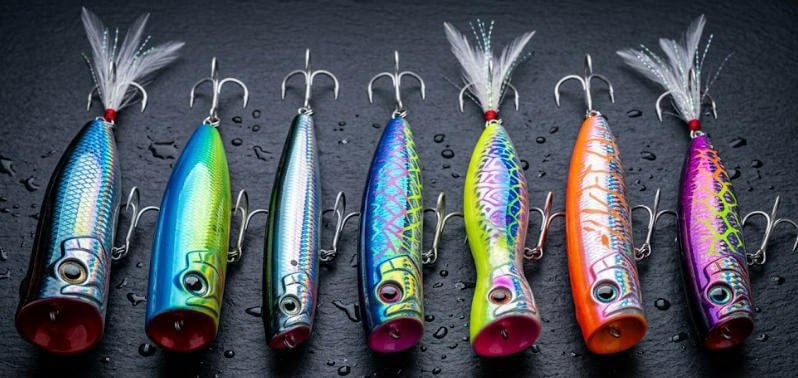
For decades, commercial pelagic topwater lures bulk orders heavily favored carved cedar or mahogany. However, modern B2B procurement has aggressively shifted toward advanced synthetic resins. Traditional wood absorbs water if the clear coat is scratched, altering the buoyancy and ruining the action. Furthermore, wood density varies wildly between batches, leading to inconsistent manufacturing.
Today, a premium custom topwater hard baits manufacturer utilizes proprietary high-impact ABS 750 or 757 grade resins. These modified polymers offer absolute batch-to-batch consistency in weight and buoyancy. More importantly, they provide incredible tensile strength, capable of surviving vicious strikes from toothy saltwater species without cracking. When sourcing high impact ABS popper lures wholesale, always demand material certification documents from your supplier to prevent being scammed with recycled, brittle plastic scrap.
The Uncompromising Necessity of Through-Wire Construction
If you are importing offshore topwater baits wholesale, traditional screw-in figure-eight hook hangers are a guaranteed recipe for catastrophic failure. Large predators like Yellowfin Tuna or Wahoo will effortlessly rip standard screw eyes entirely out of the plastic body. Through wire construction fishing lures B2B standards mandate a single, continuous piece of heavy-gauge 304 or 316 stainless steel wire connecting the front tow point directly to every hook hanger and terminating at the rear.
Factory Engineering Insight: According to my years of experience managing global tackle supply chains, through-wire integration is non-negotiable for big game applications. At Havenseek Fishing Tackle, our heavy-duty molds are specifically CNC-machined to cradle a 1.5mm to 2.0mm thick stainless steel wire harness before the two body halves are sonic welded together. Even if a shark physically bites the plastic body in half, the angler remains firmly connected to the fish via the internal steel skeleton.
2. Procurement Blueprint: Preventing Costly Defects in Mass Production
Relying solely on glossy factory-provided photos is a catastrophic mistake in international tackle procurement. Before authorizing the final balance payment for a container of unpainted topwater lure blanks factory orders or finished goods, importers must enforce a strict, independent Quality Assurance protocol. Understanding where factories cut corners is your first line of defense.
Top Defects in Mass-Production Topwater Baits
The most common and devastating defect in bulk saltwater chugger baits suppliers’ runs is an asymmetrical cup injection. If the mold flashes or the cup is off-center by even a fraction of a millimeter, the lure will pull violently to one side during a hard pop, tumbling out of the strike zone. Secondly, poor sonic welded topwater fishing baits B2B execution leaves microscopic gaps in the body seams. When the lure heats up in the sun and hits cold ocean water, a vacuum effect pulls saltwater inside, instantly sinking your floating bait.
Your 10-Point Pre-Shipment QA Checklist for Large Popper Lures B2B
Havenseek’s Mandatory Quality Control Protocol for Wholesale Buyers:
- 1. Hydrostatic Pressure Testing: Submerge random batch samples in a pressurized water tank at 2 atmospheres for 30 minutes to guarantee zero sonic weld leakage.
- 2. Wire Harness Load Testing: Apply dead-weight hydraulic pull testing to the internal wire harness to verify it meets the advertised 200lb+ breaking strain without deforming the plastic shell.
- 3. Cup Symmetry Alignment: Utilize digital calipers to measure the exact thickness and symmetry of the cupped mouth to ensure straight tracking.
- 4. Anti-Corrosion Epoxy Coated Lures B2B Adhesion: Execute the cross-hatch tape test on the holographic finishes to ensure the thick UV epoxy clear coat does not peel or flake under friction.
- 5. Buoyancy Calibration Audit: Float fully rigged samples in temperature-controlled saltwater tanks to ensure the resting tail-down posture matches the required angle (e.g., exactly 45 degrees or 80 degrees) for optimal popping action.
- 6. Hardware Salt Spray Test: Subject the heavy duty split rings topwater baits hardware to a 72-hour accelerated salt spray chamber to verify 304/316 stainless steel authenticity.
- 7. Acoustic Chamber Inspection: Vigorously shake models with internal rattles to ensure glass or tungsten beads move freely and are not glued stuck by internal resin leaks.
- 8. 3D Eye Recess Flushness: Verify that 3D holographic eyes are seated perfectly flush within their molded recesses, covered by epoxy, preventing them from being knocked off upon impact.
- 9. Tow Point Angle Verification: Ensure the front wire loop is angled precisely at 0 degrees dead center; a slight downward bend ruins the splashing effect.
- 10. Packaging Drop Test: Conduct standard ISTA drop tests on the master cartons to ensure the heavy wooden or dense ABS lures do not smash against each other during global transit.
3. Structuring a High-ROI B2B Inventory Matrix
Building a profitable global tackle distributor B2B catalog goes far beyond selecting pretty colors. Distributors must strategically balance their inventory based on seasonal feeding patterns, dominant regional species, and distinct aquatic environments. A disorganized, emotion-driven catalog leads to massive capital tied up in slow-moving SKUs.
Balancing Finesse and Aggressive Action
A comprehensive inventory requires a strategic mix. Smaller, subtle topwater bass fishing lures (typically 70mm to 100mm) with shallow cups are essential for highly pressured freshwater lakes and estuaries where aggressive popping spooks fish. Conversely, massive 150mm to 200mm aerodynamic pencil poppers wholesale models are strictly mandatory for offshore tuna and GT fishing, where creating a massive surface disturbance is required to draw strikes from deep reefs.
Hardware Upgrades that Multiply Retail Margins
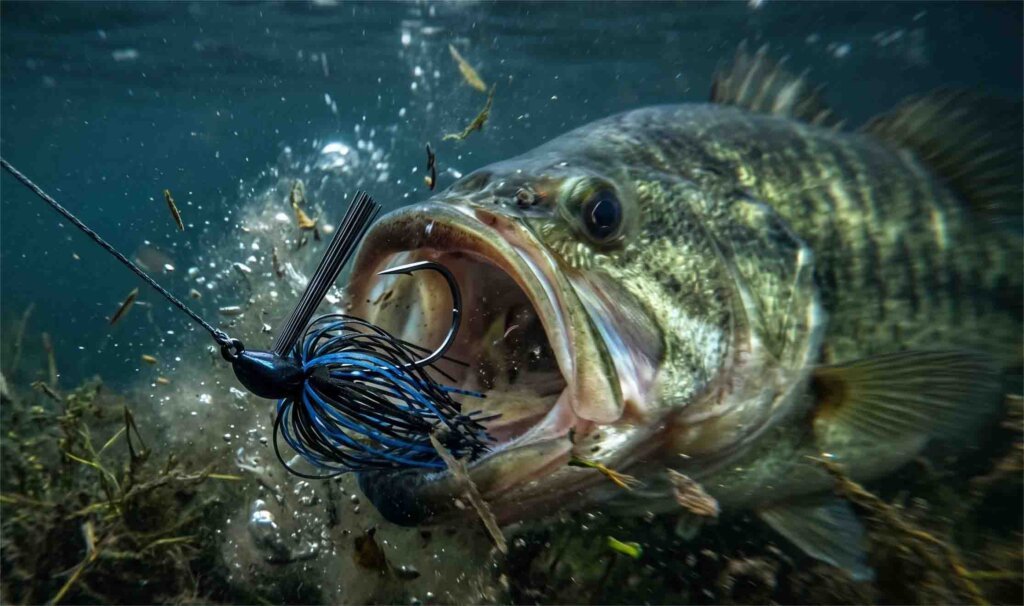
Experienced buyers negotiate for value-added services that drastically improve their overall margins without sacrificing the physical product quality. Rather than demanding a 15-cent reduction on the raw bait body, negotiate with your OEM offshore fishing tackle factory to have premium forged stainless steel hardware included at the base price.
Upgrading to heavy duty split rings topwater baits and installing specialized 4X strong inline single hooks (instead of cheap trebles) costs the factory mere pennies at their massive scale. However, this allows your wholesale brand to market the product specifically as “Big Game Tournament Ready.” Retailers gladly accept a higher wholesale cost when they don’t have to spend time and money swapping out inferior hooks before selling the lure to offshore anglers. This simple upgrade strategy can boost your wholesale markup potential by up to 40%.
4. Commercial Success Case Study: Scaling Up in Global Markets
To clearly illustrate the tangible commercial impact of upgrading your procurement standards, consider the case of a prominent mid-sized tackle distributor based in Australia. Historically, they imported cheap, generic surface iron fishing tackle and standard plastic poppers, suffering from thin profit margins and massive retail turnover as local anglers complained about lures exploding on massive Kingfish strikes.
The Shift to Premium OEM Manufacturing
In early 2025, the client partnered with Havenseek Fishing Tackle to thoroughly overhaul their saltwater catalog. We transitioned their core inventory strictly to premium bass surface lures manufacturer standards and heavy-duty offshore profiles. We engineered custom molds featuring 1.8mm through-wire construction and applied specialized anti-corrosion epoxy coated lures B2B finishes designed specifically to withstand the highly abrasive Australian coral reefs.
ROI Transformation and Supply Chain Stability
The operational results were immediate and highly measurable. Despite a 30% increase in their initial raw procurement costs, the absolute durability allowed the distributor to position their new line as a premium, elite-tier brand. Within just nine months, their retail reorder rate increased by 52%, and their overall net profit margins expanded by 38%. By completely eliminating product failures, they secured exclusive long-term supply contracts with four major national retail chains.
5. Expert FAQ: Sourcing Large Popper Lures B2B
As an industry expert, I constantly field questions from international buyers trying to optimize their tackle supply chains. Here are the most critical answers to help you navigate the complex world of high-end lure procurement.
What are the quality control standards for heavy duty popper lures bulk?
Strict standards must include hydrostatic pressure testing to verify sonic weld integrity, hydraulic pull testing on the through-wire harness to ensure a minimum 200lb breaking strain, and cross-hatch adhesion testing on the epoxy clear coat to prevent peeling during saltwater exposure.
How to select a reliable saltwater topwater lures factory in 2026?
Look for an OEM offshore fishing tackle factory that explicitly offers virgin high-impact ABS plastics, utilizes Japanese CNC steel molds for perfect symmetry, provides transparent raw material certifications, and has an established track record of integrating heavy-gauge continuous through-wire structures.
Why is through-wire construction essential for offshore topwater baits wholesale?
Standard screw-in hook hangers will tear out of plastic bodies under the extreme force of pelagic predators like Tuna or GTs. A continuous stainless steel through-wire connects the angler directly to the fish, ensuring that even if the plastic shell shatters, the catch is never lost.
How does hydrodynamic cup design affect topwater bass fishing lures?
The cup geometry dictates water displacement and sound. A deep, wide cup creates a loud, low-frequency “bloop” to call fish from deep water, while a shallow, narrow cup allows the lure to walk or skip rapidly across the surface with minimal rod effort, imitating fleeing baitfish perfectly.
What are the common manufacturing defects in bulk plastic topwater baits?
The most prevalent and costly defects include asymmetrical mouth cups causing the lure to swim sideways, microscopic gaps in the ultrasonic welds allowing water intrusion, misaligned internal weights ruining resting buoyancy, and cheap low-carbon split rings that quickly rust in marine environments.
What are the environmental compliance standards for tackle manufacturing in 2026?
Global tackle distributor B2B catalog requirements now mandate the strict elimination of toxic lead weights. Premium manufacturers substitute lead with eco-friendly, high-density tungsten or specialized steel alloys to comply with tightening European and North American environmental trade regulations.
Industry References & Authoritative Data Sources:
- Global Market Data and Angling Demographics: American Sportfishing Association (ASA)
- International Tackle Trade Regulations: EFTTEX (European Fishing Tackle Trade Exhibition)
- Polymer Engineering in Marine Environments: ScienceDirect Engineering Materials