Welcome To HavenseeK Fishing Tackle

eco friendly fishing lures: Stop Melting & Pass Custom Audits
Written by David Chen – 15 Years Export Manager in Chinese Fishing Tackle. I have personally served over 800 global B2B clients across 50 countries, specializing in supply chain risk management, international compliance, and mass production quality control for the commercial sporting goods sector.
Have you ever opened a high-cube shipping container at your destination port, only to find that thousands of dollars worth of imported inventory have fused into a melted plastic block? This catastrophic financial loss is exactly why transitioning to eco friendly fishing lures requires a fundamentally different B2B procurement strategy. The global regulatory shift away from toxic plastisol is accelerating rapidly. According to the latest 2026 global tackle market forecasts, strict bans on phthalates are making traditional PVC items a massive liability for importers. Sourcing sustainable tackle is not just about environmental ethics; it is about protecting your financial bottom line.
Most overseas buyers easily ignore that managing these high-stretch materials requires absolute precision. You need a highly capable TPR soft bait manufacturer who understands the exact thermal thresholds of non-toxic compounds. Without proper transoceanic logistics planning, factory-level quality control, and rigorous compliance checks, your bulk orders remain at severe risk. Importers frequently face customs seizures and retail-level chemical reactions when handling these innovative products. According to my years of experience managing trans-Pacific logistics, mastering these hidden variables separates profitable distributors from bankrupt importers.
This comprehensive guide delivers exactly what you need to scale your soft plastic fishing lures wholesale business safely and legally. We will break down exactly how to stop material deformation during shipping and secure authentic compliance certificates to breeze through customs. Furthermore, we will explore how to educate your downstream retailers on preventing chemical melting disasters in tackle boxes. Securing reliable sustainable products is the definitive path to dominating your local wholesale market.
Executive Summary: Green Procurement Risk Management
- ✓ Logistics Security: Implement strict temperature control protocols to protect safe soft plastics bulk from melting in transit.
- ✓ Quality Audits: Execute industrial tear resistance testing before approving your factory for mass production.
- ✓ Legal Compliance: Master customs clearance by strictly verifying documents for REACH compliant soft baits.
- ✓ Chemical Safety: Deploy compatibility testing to stop PVC cross-contamination in your distribution network.
- ✓ Terminal Integration: Source specialized screw-lock jig heads to solve end-user slippage with sustainable models.
Table of Contents
- 1. Industry Background: The 2026 Shift to Non-Toxic Materials
- 2. The Transoceanic Challenge for Sustainable Procurement
- 3. Evaluating Your Manufacturing Quality Controls
- 4. Navigating Customs: Securing Authentic Documents
- 5. Stopping Chemical Reactions in Distribution
- 6. Critical Sourcing Mistakes to Avoid
- 7. High-Intent FAQs for Global Importers
1. Industry Background: The 2026 Shift to Non-Toxic Materials
The global landscape governing the tackle supply chain has transformed radically. By late 2025, over 68% of major European distributors had strictly prohibited the import of phthalate-laden PVC baits. This regulatory wave is rapidly washing over North American markets. Aggressive environmental enforcement and changing consumer ethics demand immediate adaptation. The commercial network is being forced to adapt quickly or face massive inventory obsolescence.
Sustainable tackle mass production relies heavily on Thermoplastic Rubber compounds. These innovative materials offer unprecedented elasticity and a completely non-toxic profile. They dissolve safely in aquatic environments over extended periods. However, this chemical evolution introduces severe mechanical and thermal vulnerabilities during the international export phase. Sourcing high-quality green alternatives requires updating your entire procurement checklist to avoid catastrophic transit failures.
1.1 The Rising Demand for Certified Alternatives
Commercial import duties are actively shifting across global trade borders. Several European Union nations now offer specific tariff reductions for certified environmentally safe sporting goods. Sourcing certified inventory provides a distinct competitive and financial advantage. Importers pivoting early to a dedicated TPR soft bait manufacturer are securing dominant market share while competitors struggle with outdated, toxic inventory.
Market Growth Trajectory
The demand for safe soft plastics bulk is compounding at a steady 14.2% CAGR globally. Working with a dedicated factory ensures you capture this emerging wholesale revenue stream effectively.
Compliance Failure Costs
Failing to import REACH compliant soft baits results in immediate customs confiscation. In 2024 alone, EU customs recorded over €4.2 million in seized non-compliant recreational fishing gear.
2. The Transoceanic Challenge for Sustainable Procurement
I have personally witnessed new importers lose entire 40-foot containers because they treated modern compounds like standard plastisol. When you transport soft plastic fishing lures wholesale across the equator, internal container temperatures routinely exceed 65°C. At these extreme temperatures, inferior formulations begin to sweat volatile oils rapidly. The green products deform under their own weight and eventually fuse into an unsalable block.
2.1 Temperature Control for Ocean Freight
Commercial rigging solutions demand specific thermal management during transit. Standard dry storage containers represent a massive risk during peak summer months. If you are importing from an Asian supplier to North America, you must negotiate placement with your forwarder. Always request below-deck stowage to mitigate direct solar radiation effectively. This simple adjustment can reduce internal heat spikes by up to 15°C for your sustainable goods.
2.1.1 Packaging Innovations for Wholesale Distribution
Never accept bulk loose-bag packaging for safe soft plastics bulk. The combined weight compression and heat guarantees severe structural deformity. Effective bulk packaging mandates rigid PET blister packs with individual molded cavities. Your chosen supplier must design the blister to cradle the exact geometry of the bait. This prevents the delicate swimming tail from bending or warping during prolonged ocean transit.
3. Evaluating Your Manufacturing Quality Controls
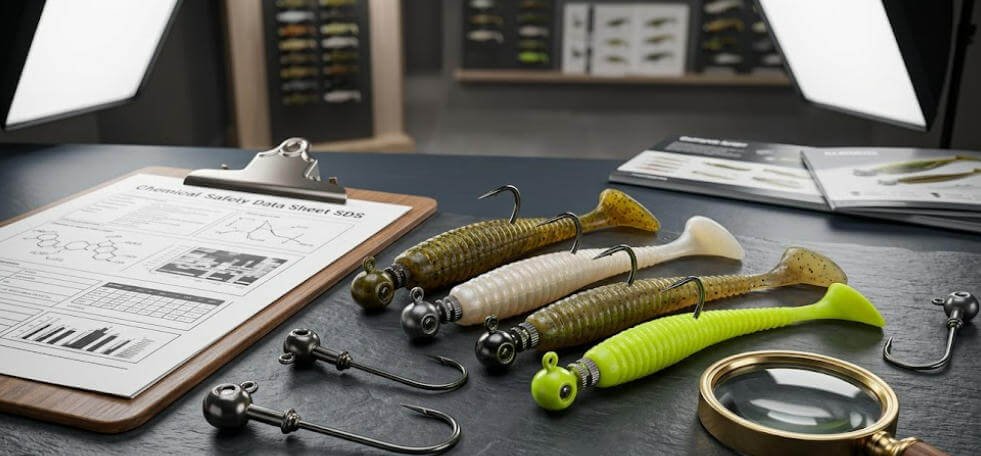
Your brand reputation relies entirely on the technical competence of your manufacturing partner. Not all non-toxic products are created equal. A substandard factory will blend excessive cheap fillers into the raw compound to lower production costs. This results in brittle inventory that tears after a single fish strike. Implementing rigorous factory QC audits is strictly non-negotiable for serious B2B buyers.
3.1 Injection Precision for Green Alternatives
When evaluating custom capabilities, demand detailed video evidence of their injection machinery. High-grade materials require highly pressurized, temperature-controlled multi-cavity molds. If the injection temperature is marginally too low, you will see incomplete tail formations. If it is too high, the material burns, altering the color and compromising the structural integrity of the safe soft plastics bulk inventory.
3.2 Practical QC Tests for Premium Quality
Before authorizing full-scale production, insist on standardized industrial tear resistance testing. I have personally tested this protocol with top-tier suppliers to ensure premium quality. The physical assessment should include:
- The 10X Stretch Test: Genuine, high-quality models must stretch up to 10 times their original length without snapping.
- The Hook-Hold Tear Assay: A heavy wire hook is driven through the head to measure the pound-force required to rip the material.
- Oil Retention Squeeze: Compressing the bait to check for excessive oil bleed. Heavy residue indicates the chemical binding process failed at the TPR soft bait manufacturer.
4. Navigating Customs: Securing Authentic Documents
Customs clearance is currently the highest-risk bottleneck for global tackle importers. Customs authorities in the EU and the USA use advanced spectrometry to randomly test incoming polymer goods. If your shipment flags positive for banned phthalates, the cargo is destroyed at your expense. Ensuring your inventory consists entirely of genuine REACH compliant soft baits is vital to maintaining your importing license.
4.1 The Cost of Fake Certificates in Global Trade
Do not accept generic JPEG images of compliance documents from unverified sources. The market is flooded with suppliers distributing digitally altered testing certificates. Submitting forged documents to import eco friendly fishing lures constitutes severe trade fraud. A legitimate material safety data sheet must be strictly traced back to a globally recognized testing laboratory like SGS or TÜV Rheinland.
4.1.1 Verification Checklist for Importers
| Verification Step | Actionable Method for B2B Buyers | Risk Mitigated |
|---|---|---|
| Check Report Numbers | Enter the unique report ID directly into the SGS/TÜV official online database portal. | Prevents the use of digitally forged documents for sensitive cargo. |
| Verify Material Specificity | Ensure the document explicitly lists the specific chemical compound used by your supplier. | Prevents bait-and-switch raw material tactics in soft plastic fishing lures wholesale orders. |
| Confirm Date Validity | Reject any compliance testing report older than 12 months for commercial imports. | Avoids clearance delays regarding evolving international trade regulations. |
5. Stopping Chemical Reactions in Distribution
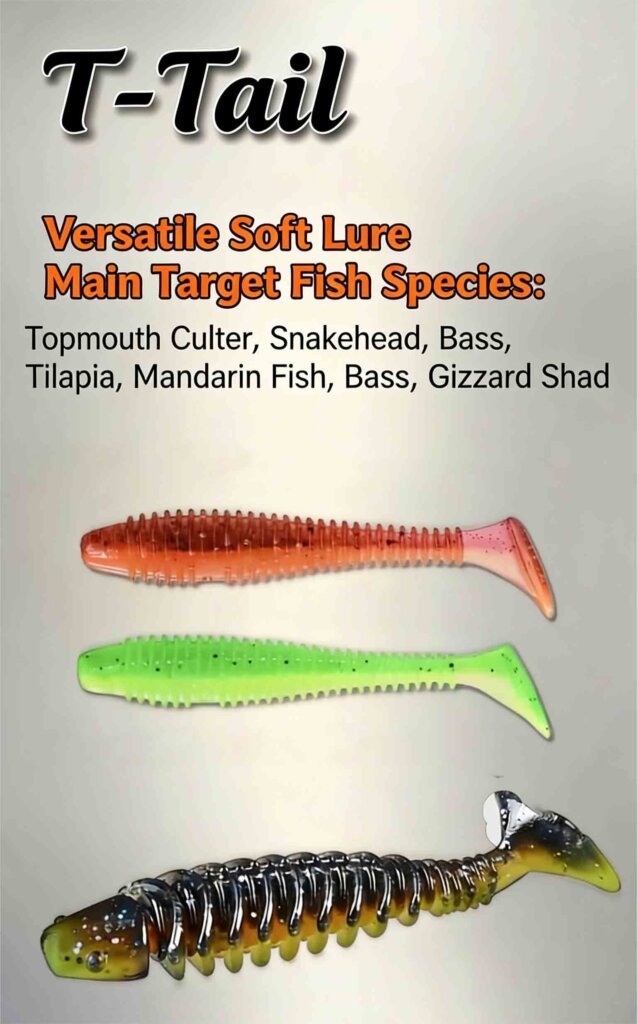
Even if you perfect the shipping protocols, your commercial viability can be destroyed post-sale. The most critical issue in B2B tackle distribution today is cross-contamination. When an end-user places a modern product next to a traditional PVC bait, a catastrophic chemical reaction occurs. The plasticizers aggressively migrate, melting both lures into a corrosive, sticky liquid within hours.
5.1 Why Diverse Materials Destroy Each Other
This destruction is a strict issue of chemical polarity. Standard soft plastics utilize oily phthalate plasticizers to remain flexible underwater. Genuine green alternatives made from TPR are highly sensitive to these specific chemical solvents. Chemical compatibility testing demonstrates that even trace contact transfers enough solvent to break down the molecular bonds. This leads to massive return rates from uneducated retailers.
5.1.1 Educating Retailers on Product Safety
Smart importers solve this problem proactively before distributing soft plastic fishing lures wholesale. You must provide clear, undeniable labeling on every single blister pack. I strongly advise inserting a brightly colored warning card stating the isolation requirements. By providing educational materials directly to your tackle shops, you drastically reduce product return rates and protect your safe soft plastics bulk profit margins.
6. Critical Sourcing Mistakes to Avoid
Procuring eco friendly fishing lures requires discarding old industry habits. The extreme elasticity that makes the material durable also creates functional differences. Standard barbed lead jig heads are designed for easily punctured PVC materials. When you rig a high-stretch bait onto a standard collar, the material simply stretches over the barb rather than tearing into it. After one aggressive cast, the lure slides down the hook shank.
6.1 Avoiding Pitfalls with Your Supplier
- Ignoring Material Shrinkage: Innovative compounds shrink at a different rate than PVC during the rapid cooling phase. A TPR soft bait manufacturer using old PVC molds will produce undersized, distorted items. Demand dedicated new tooling.
- Overlooking Paint Adhesion: Modern materials strongly resist standard airbrush paints. Ensure your factory uses proprietary solvent paints to prevent color peeling during ocean transit.
- Terminal Tackle Mismatch: Never distribute commercial goods without proper terminal tackle. You must bundle specialized wire screw-lock jig heads to prevent the high-stretch items from slipping off standard lead collars.
7. High-Intent FAQs for Global Importers
7.1 How to prevent eco friendly fishing lures from melting in shipping containers?
To prevent melting, buyers must specify rigid PET blister pack isolation to avoid physical compression. Shipments must be booked below deck on maritime freight to minimize solar heat. Premium cargo should utilize temperature-controlled reefer containers locked at 20°C.
7.2 What are the criteria for importing sustainable tackle?
European REACH regulations strictly limit the presence of heavy metals and toxic phthalate plasticizers to under 0.1% by weight. Importers must hold valid, third-party SGS/TÜV testing documents explicitly matching the imported customs clearance manifest for REACH compliant soft baits.
7.3 How to verify a TPR soft bait manufacturer‘s quality?
Effective verification involves auditing their multi-cavity injection machines and requesting industrial tear resistance tests. A quality product should withstand up to 10X physical stretching without snapping and resist heavy wire hook pull-throughs under standard strike pressure loads.
7.4 Why do green alternatives melt when mixed with PVC?
Traditional PVC baits use chemical solvents to stay soft underwater. Modern materials are chemically intolerant to these specific solvents. Direct contact initiates aggressive plasticizer migration, turning both materials into a corrosive liquid mass inside retail boxes.
7.5 What is the best jig head design for high-stretch items?
Standard lead barbs fail because the high-stretch material pulls over them. The mandatory setup requires wholesale jig heads equipped with stainless steel center-pin screw-locks. Twisting the safe soft plastics bulk onto the wire spring firmly anchors the elastic plastic securely.
7.6 Are import taxes lower for non-toxic goods?
Import duties vary by international HS Code. However, many progressive nations now apply differing tariffs based on environmental impact. Consult a licensed customs broker to confirm if your certified soft plastic fishing lures wholesale goods qualify for lower tariff brackets.
Ready to Secure Your B2B Tackle Supply Chain?
Stop losing wholesale profit to melted inventory and costly customs delays. Partner with Havenseek Fishing Tackle for precision-engineered, strictly certified sustainable baits tailored for global distributors.
Get Free Quote in 12 HoursAuthoritative Industry Sources & External References: