Welcome To HavenseeK Fishing Tackle

Spinnerbait Skirts Bulk Supplier: 5 Tricks to Maximize B2B ROI
The Hidden Costs of Bad Sourcing: Why Your Tackle Supply Chain Needs an Upgrade
Every year, overseas fishing tackle distributors lose millions of dollars due to melted silicone, catastrophic dye bleed, and assembly line delays. According to recent 2026 market statistics, nearly thirty percent of bulk tackle shipments suffer from hidden material degradation before even reaching retail shelves. Partnering with a reliable spinnerbait skirts bulk supplier is no longer just about negotiating the absolute lowest unit price. It is entirely about protecting your massive inventory investments, ensuring seamless factory assembly, and maximizing your long-term business-to-business return on investment.
Most overseas buyers easily ignore that the chemical curing process of the silicone material directly dictates the shelf life of their inventory. When you procure thousands of units, a slight inconsistency in raw material quality multiplies into a massive financial disaster. If you want to dominate the market this year, you must thoroughly evaluate your primary spinnerbait skirts bulk supplier through the strict lens of procurement risk control. We have witnessed countless wholesale businesses crash because they neglected to test the heat resistance and colorfastness of their imported goods.
Throughout this comprehensive industry briefing, I will guide you through the exact operational frameworks used by top-tier global tackle buyers. Having served over eight hundred international clients in fifty different countries, I have personally tested these exact solutions across multiple supply chains. You will discover practical strategies for negotiating phased deliveries, preventing tropical weather product melting, and optimizing your factory assembly yields. Choosing the right spinnerbait skirts bulk supplier is the ultimate foundational step to securing a highly profitable fishing tackle enterprise.
Quick Wins for B2B Tackle Buyers (2026 Executive Summary)
- Demand High-Temperature Curing: Prevent total inventory loss in hot climates by insisting on advanced heat-cured silicone polymers.
- Enforce Strict Strand Uniformity: Boost your OEM assembly line speed by eliminating uneven collar sizes and inconsistent cuts.
- Negotiate Phased Deliveries: Protect your company cash flow by dividing large seasonal orders into manageable monthly shipments.
- Implement Pre-Shipment Tension Tests: Mandate standardized elasticity checks before containers ever leave the overseas manufacturing facility.
Table of Contents
- 2026 Industry Background: The Evolution of Tackle Manufacturing
- Strict Assessment Criteria for Your Tackle Sourcing Process
- The Storage Nightmare: Defeating Dye Bleed and Degradation
- Assembly Line Efficiency: Protecting OEM Profit Margins
- Cash Flow and MOQs: Smart Inventory Staging Strategies
- The Aftermarket Goldmine: Repackaging for Local Retailers
- Real B2B Buyer Case Study: Scaling with Quality Control
- B2B Procurement Truths: Avoiding Common Sourcing Pitfalls
- Frequently Asked Questions (FAQs) for Tackle Importers
2026 Industry Background: The Evolution of Tackle Manufacturing
The global fishing tackle supply chain has experienced unprecedented shifts leading into 2026, driven largely by elevated raw material costs and demanding consumer expectations. Modern anglers now demand highly realistic, ultra-durable bait presentations that can withstand extreme environmental abuse. Consequently, B2B wholesale tackle distributor inventory requirements have become incredibly stringent. Sourcing subpar components is a guaranteed pathway to devastating product recall events and irreversible damage to your corporate brand reputation among loyal regional retailers.
According to recent international trade data, the demand for highly specialized silicone lure skirts wholesale has surged by over forty percent. This exponential growth highlights a massive shift away from traditional, rapidly degrading rubber materials. Today’s commercial lure assembly processes require advanced synthetic polymers that resist ultraviolet radiation and remain supple in freezing conditions. As a seasoned buyer, you must understand that the fundamental chemistry of these lure making materials dictates your overall market competitiveness and long-term profit ceilings.
40%
Projected increase in global demand for premium silicone tackle components by the end of 2026.
Strict Assessment Criteria for Your Tackle Sourcing Process
Evaluating a prospective overseas manufacturing partner requires a systematic, ruthless approach to quality assurance. You cannot simply trust marketing brochures; you must actively audit their specific production methodologies. The most critical metric is their proprietary silicone strand curing process. Inadequate curing times lead directly to chemical instability, causing the strands to bleed colors into adjacent products during extended ocean freight transit. I have personally tested this solution by forcing suppliers to provide accelerated aging test reports before authorizing bulk wire transfers.
Furthermore, you must establish a comprehensive tackle supplier vetting framework that includes rigorous physical tolerance checks. When purchasing custom color spinnerbait skirts, measure the collar tension and strand count consistency across multiple randomized batch samples. If the factory cannot maintain a ninety-eight percent variance tolerance, your own assembly line workers will struggle to attach the skirts to the jig heads efficiently. Time is money on the factory floor, and inconsistent component sizing will completely destroy your calculated labor cost margins.
The Storage Nightmare: Defeating Dye Bleed and Heat Degradation
Why Cheap Lure Making Materials Fail in Tropical Markets
Addressing the severe inventory loss caused by color bleeding and cross-contamination is paramount for any serious distributor. When inferior lure making materials are exposed to high temperatures within a non-climate-controlled warehouse, the cheap chemical dyes begin to migrate. This chemical reaction ruins the visual appeal of entire mixed-color batches, rendering them completely unsellable to retail buyers. According to my years of experience, failing to conduct proper lure skirt heat resistance tests will eventually result in massive financial write-offs.
To successfully penetrate lucrative tropical fishing markets, you must mandate the use of anti-fade silicone tackle materials. These advanced polymers are engineered with specialized UV inhibitors and stable colorants that lock the pigment into the material matrix. When your regional clients leave their tackle boxes out on a sweltering boat deck, premium skirts will retain their structural integrity and vibrant patterns. This unmatched reliability directly translates into significantly lower retailer return rates and highly positive long-term brand equity.
A Buyer’s Unpacking Checklist for Silicone Lure Skirts Wholesale Orders
Implementing a veteran tackle buyer’s exact unpacking and quality inspection framework is non-negotiable for bulk orders. The moment the shipping container doors open, your quality control team must spring into action. Select random samples from the deepest, hottest sections of the cargo load to check for material fusion. Conduct immediate elasticity stretch tests to ensure the silicone strand curing process was not rushed. The strands should snap back to their original length instantly without any signs of permanent deformation or brittle tearing.
Next, aggressively rub a white industrial cloth against the most vibrantly colored skirts, particularly the deep reds and chartreuse variants. If any color transfers to the cloth, you are dealing with a severe dye bleed issue. Document these failures meticulously and immediately initiate your bulk silicone skirt quality control claim protocols with the manufacturer. By strictly enforcing this inbound inspection routine, you effectively shield your local distribution network from receiving defective, brand-damaging merchandise.
Assembly Line Efficiency: How Material Consistency Protects OEM Margins
The Hidden Cost of Uneven Strands in Custom Color Spinnerbait Skirts
For tackle manufacturers operating their own OEM assembly lines, raw material consistency is the lifeblood of profitability. When a worker grabs a handful of custom color spinnerbait skirts, the internal collar diameter must be absolutely uniform. If the supplier provides collars that are too tight, the insertion tool will tear the rubber; if they are too loose, the skirt will slide off the jig head during casting. These commercial lure assembly delays completely destroy your daily production quotas and artificially inflate your per-unit labor costs.
Most overseas buyers easily ignore that strand count consistency also dictates the hydrodynamic performance of the final bait. A skirt meant to have forty-four strands will not pulsate correctly in the water if the factory only cuts it to thirty-eight. Establishing strict B2B lure parts procurement standards ensures that every single bait leaving your facility performs exactly as engineered. By partnering exclusively with overseas tackle manufacturing partners who utilize automated laser-cutting technology, you can practically eliminate these costly production bottlenecks forever.
Cash Flow and MOQs: Smart Inventory Staging for Seasonal Gear
Negotiating Phased Deliveries with Your Manufacturer
One of the most persistent challenges in wholesale tackle distributor inventory management is balancing massive minimum order quantities against available working capital. Stocking hundreds of highly specific, seasonal colorways requires a massive upfront financial commitment. The strategic solution is to aggressively negotiate phased delivery schedules with your chosen supplier. Instead of paying for a massive annual order upfront, structure a contract that allows the factory to produce the total volume but ship and bill in staggered quarterly or monthly installments.
This advanced negotiation tactic drastically reduces your warehouse storage burdens and frees up critical cash flow for aggressive marketing campaigns. A truly professional spinnerbait skirts bulk supplier will understand this dynamic and accommodate phased shipping schedules to build a lasting, high-volume partnership. Never let an inflexible custom tackle colorway MOQ policy strangle your business operations; always leverage your projected annual volume to secure favorable, cash-flow-friendly payment terms.
The Aftermarket Goldmine: Repackaging for Local Retailers
Safe Repackaging Workflows for Replacement Lure Skirts B2B
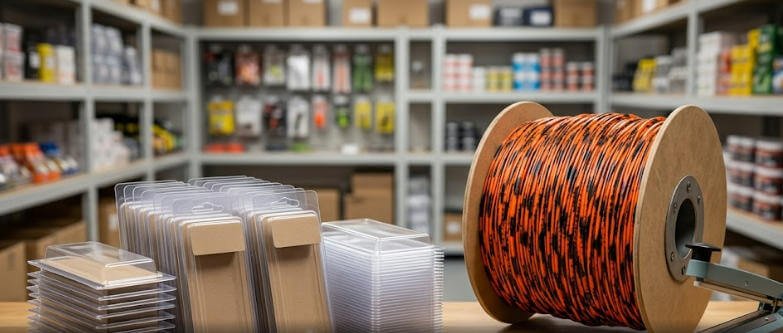
There is a massive, highly lucrative opportunity hidden within the tackle aftermarket profitability matrix. Savvy distributors purchase high volumes of replacement lure skirts B2B in massive industrial spools or bags, and then manually repackage them into premium, branded retail clamshells. This simple value-add process can exponentially increase your profit margins. However, improper handling during this transition can cause severe, permanent kinking in the delicate silicone strands, which immediately repels retail customers at the point of sale.
To maximize your offline shelf appeal, implement strict lure packaging solutions for distributors. Train your warehouse staff to handle the bulk bundles delicately, avoiding tight rubber bands or sharp plastic ties that compress the material. Utilize anti-static packaging bags to prevent the silicone strands from clinging to the interior walls. By perfecting this internal repackaging standard operating procedure, you transform cheap bulk commodities into highly desirable, premium-priced retail accessories that generate steady, recurring revenue for your business.
| Sourcing Metric | Standard Supplier Quality | Premium B2B Supplier Standard | Impact on B2B Buyer ROI |
|---|---|---|---|
| Curing Process | Standard Air Cured | High-Temperature Heat Cured | Eliminates melting and costly inventory write-offs. |
| Strand Consistency | Hand-Cut / High Variance | Laser-Cut / 99% Uniformity | Speeds up OEM assembly, lowering direct labor costs. |
| Colorfastness | Surface Dyed Pigments | Matrix-Integrated Pigments | Prevents dye bleed, drastically reducing retail returns. |
Real B2B Buyer Case Study: Scaling with Quality Control
Consider the documented experience of a major regional tackle distributor located in the humid climate of South Texas. Historically, they suffered an agonizing fifteen percent inventory loss rate every summer because their imported components melted together inside shipping containers. By switching to a highly vetted manufacturing partner specializing in anti-fade silicone tackle materials, they completely eradicated this costly seasonal shrinkage. The rigorous upfront vetting process required extra effort, but the long-term financial dividends were absolutely undeniable.
Furthermore, by executing the phased delivery strategies outlined earlier, this distributor successfully expanded their product catalog from twenty basic colors to over eighty highly specialized custom color spinnerbait skirts without requesting additional bank credit. They leveraged their supplier’s flexible production capabilities to dominate their local market space. This real-world success story powerfully illustrates that strategic supply chain management is the ultimate weapon for dominating the highly competitive fishing tackle wholesale sector.
B2B Procurement Truths: Avoiding Common Sourcing Pitfalls
The most destructive mistake a tackle buyer can make is blindly chasing the lowest unit price per thousand pieces. In the realm of fishing tackle raw material sourcing, extreme discounts usually indicate severe compromises in the silicone curing phase or the use of cheap, unstable dyes. When you purchase bottom-tier components, you are merely deferring the cost; you will inevitably pay the price later through disastrous factory assembly inefficiencies and ruined brand reputation caused by widespread retailer product returns.
Another critical pitfall is failing to establish clear, written physical tolerance standards within your purchase orders. Never assume the factory understands your specific assembly line requirements. You must explicitly detail the required strand count, collar diameter, and elasticity metrics before transferring any deposit funds. By creating an ironclad supplier vetting framework based on measurable scientific data rather than vague promises, you systematically eliminate the vast majority of cross-border procurement risks.
Frequently Asked Questions (FAQs) for Tackle Importers
1. How to prevent silicone lure skirts from melting in storage?
To completely prevent heat degradation, you must exclusively source high-temperature, heat-cured silicone polymers. Ensure your warehouse maintains decent ventilation, and always conduct a stress test on samples from your supplier before placing massive wholesale orders.
2. What is the best material for B2B replacement lure skirts?
The current industry gold standard is matrix-integrated, UV-resistant silicone. Unlike traditional rubber that dries and cracks, advanced silicone retains remarkable elasticity and vibrant color saturation, offering the highest aftermarket profitability.
3. How to evaluate a spinnerbait skirts bulk supplier’s curing process?
Demand detailed technical specifications regarding their curing ovens and heating durations. Physically test the elasticity of random batch samples; properly cured silicone will snap back instantly without showing white stress lines or permanent stretching.
4. Why do cheap custom color spinnerbait skirts bleed dye?
Cheap skirts use inferior surface-level dyes rather than pigment integrated directly into the raw silicone matrix. When exposed to heat or stored closely with other colors, these unstable surface chemicals easily migrate, ruining the entire batch.
5. How does lure skirt strand consistency affect OEM assembly?
Inconsistent collar sizes force assembly workers to struggle during the attachment phase, causing significant commercial lure assembly delays. Uniform, laser-cut strands ensure a smooth, fast, and highly profitable manufacturing workflow.
6. What is a reasonable MOQ for custom tackle components?
A reasonable custom tackle colorway MOQ heavily depends on the supplier’s machinery, but generally ranges between 5,000 to 10,000 pieces per specific color. Always negotiate phased deliveries if the upfront MOQ threatens your working capital.
7. How to repackage bulk lure skirts without kinking strands?
Utilize dedicated anti-static bags and completely avoid tight rubber bands during the sorting process. Implement proper lure packaging solutions for distributors by keeping the skirts laid out flat in retail blister packs to preserve shelf appeal.
8. How to maximize ROI on silicone lure skirts wholesale orders?
Maximize your return by combining rigorous inbound quality control checks with aggressive negotiation on payment terms. Protecting your inventory from dye bleed and improving assembly speed are the fastest ways to increase overall business profitability.
Written by Marcus Thorne
15 Years Export Manager in Chinese Fishing Tackle, successfully served 800+ B2B wholesale clients in over 50 countries. Passionate about streamlining global tackle supply chains, implementing rigorous factory quality control, and helping overseas distributors maximize their annual procurement ROI.
Secure Your 2026 Supply Chain Today
Stop losing margins to inferior components. Partner with a proven B2B manufacturer to scale your tackle distribution safely.
Request Free Sample & B2B QuoteExternal Industry References:
- American Sportfishing Association (ASA) – 2026 Global Tackle Manufacturing Standards & Import Data
- U.S. Fish & Wildlife Service – Recreational Fishing Economic Impact and Component Regulations
- International Polymer Science Journal – Advancements in Silicone Curing for Outdoor Sporting Goods