Welcome To HavenseeK Fishing Tackle

Choosing the Best Fly Fishing Combo
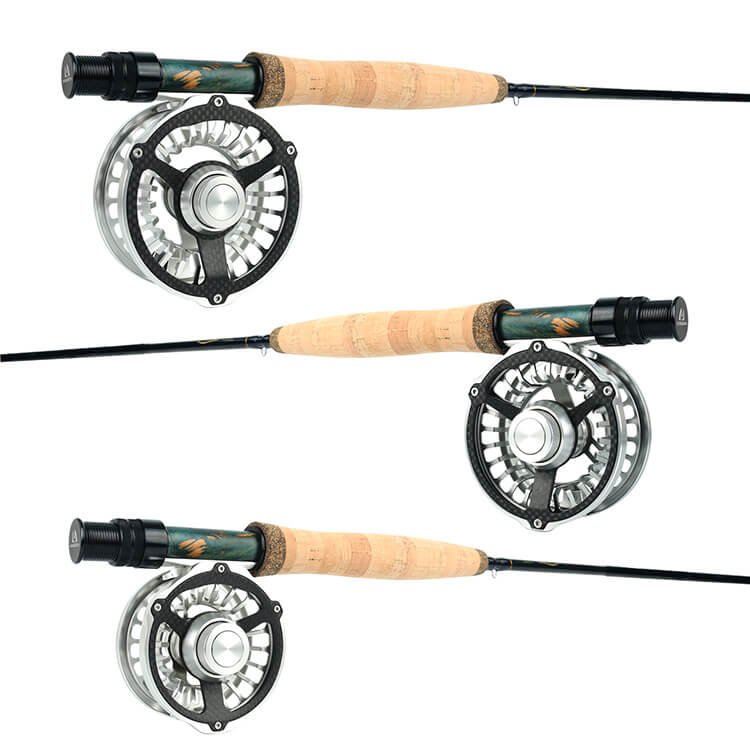
Fly fishing is not just a sport; it’s an experience that connects you deeply with nature. Whether you’re a seasoned angler or a beginner eager to cast your first line, selecting the right fly fishing combo is essential for a successful fishing adventure. In this article, we’ll explore how to choose the best fly fishing combo, including key considerations and top recommendations.
A best fly fishing rod and reel combo typically includes a rod, reel, and line that are matched to work efficiently together.
A best fly fishing rod and reel combo is more than just a set of tools; it’s a harmonious blend of components designed to work seamlessly. The reel, often made from lightweight, durable materials like aluminum, holds the line and aids in smooth retrieval. The line, meticulously spooled and balanced, is crucial for casting and landing fish. Understanding how each part functions and interrelates is fundamental to appreciating the combo’s value.
Opting for a fly fishing combo offers several advantages beyond just simplicity. Additionally, combos are typically more cost-effective, providing quality gear at a fraction of the price of buying each piece separately. This affordability makes them an attractive option for beginners who want to start with reliable equipment without a hefty investment.
When selecting a fly fishing combo, consider your specific fishing needs and environment. Are you planning to fish in a small, intimate stream, or will you be casting into broad, sweeping rivers? Each setting may require a different rod length or line type.
Also, think about the fish species you aim to catch, as this will influence the rod’s weight and line strength. By assessing these factors, you can choose a combo that not only meets your immediate needs but also grows with your skill level.
Before purchasing a fly fishing combo, consider these crucial factors to ensure you make the right choice.
The length and weight of the rod are among the most important factors. Rod lengths typically range from 6 to 10 feet.
Shorter rods, generally 6 to 8 feet, are ideal for fishing in small streams and tight spaces where precision and maneuverability are essential. These rods are excellent for situations where overhead casts are restricted by foliage or other obstacles.
The weight of the rod should match the type of fish you’re targeting. Mid-range rods, in the 5-6 weight category, offer versatility for average-sized trout and bass, balancing power with finesse. Heavier rods, ranging from 7-9 weight, are designed for larger species like salmon and steelhead, providing the strength and backbone needed to handle powerful runs and jumps.
Rod action—how much the rod flexes under pressure—also plays a crucial role. Medium-action rods flex further down the blank, offering a balance between power and flexibility, suitable for a variety of fishing situations. Slow-action rods bend throughout their length, providing a gentle presentation and are best for small streams and delicate presentations.
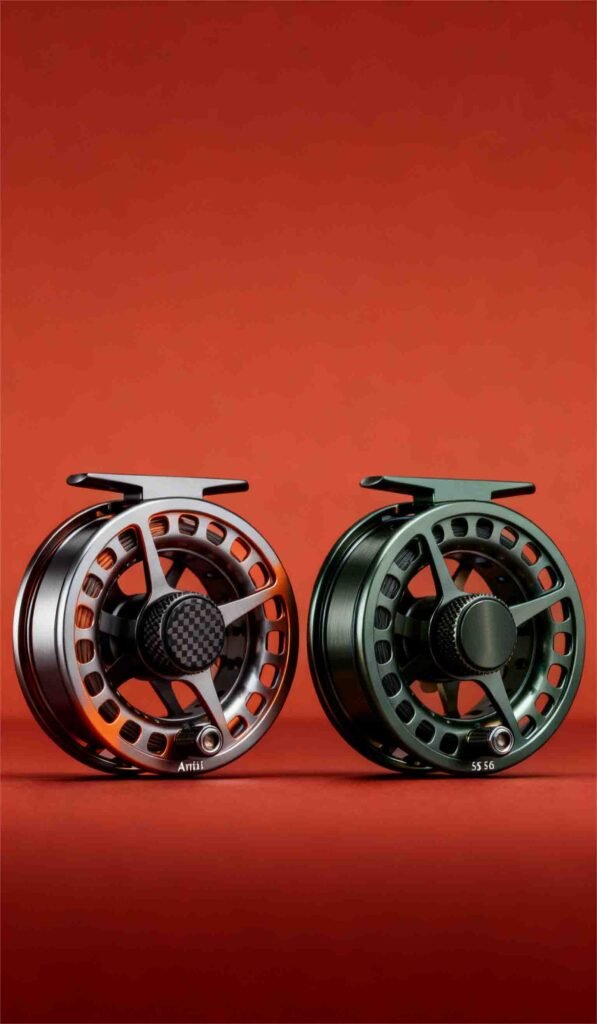
A good reel complements the rod and provides smooth line retrieval. Look for a reel with a solid drag system, which is crucial when fighting larger fish.
The drag system in a reel regulates the resistance a fish feels when pulling the line. A high-quality drag system is essential for controlling the fight, especially with larger fish that make powerful runs. Reels with adjustable drag settings allow you to fine-tune the resistance, ensuring you have the right amount of control without risking line breakage.
Reels are typically made from materials like aluminum or graphite, chosen for their balance of strength and weight. . Graphite reels, while lighter, offer excellent performance for freshwater fishing, providing a good balance between durability and ease of use.
Choosing the right reel size is critical for ensuring it matches your rod and line. The reel should have adequate line capacity to hold the appropriate amount and type of fly line and backing. Larger reels can handle heavier lines and more backing, which is important for targeting bigger fish that may require long runs during the fight.
Ensure the line weight matches the rod and reel for optimal performance. Most combos will come pre-spooled with a line that’s suitable for the setup, but it’s still wise to verify this.
Fly lines are generally designed for specific fishing conditions, such as floating, sinking, or weight-forward lines. Floating lines are the most versatile, suitable for a variety of conditions and the easiest for beginners to handle. Sinking lines are used to reach deeper water levels and are essential for fishing in lakes or deep rivers. Weight-forward lines aid in casting heavier flies and are particularly useful in windy conditions or when casting longer distances.
The right line can make a significant difference in your fishing success. Consider the water type and species you’re targeting. For example, a floating line is ideal for surface presentations in calm streams, whereas a sinking line is necessary for reaching fish in deeper, faster-moving waters. Matching the line to the fishing environment ensures better control and presentation, increasing your chances of a successful catch.
Regularly check the condition of your fly line for signs of wear and tear, such as cracks or abrasions, which can affect performance. Keeping the line clean and free from dirt and debris will maintain its buoyancy and casting efficiency. A well-maintained line ensures smooth casting and retrieval, providing a more enjoyable fishing experience.
The materials used in the rod and reel affect durability and performance. Graphite rods are popular for their lightweight and sensitivity, while fiberglass rods offer flexibility and strength.
Graphite rods are favored for their responsiveness and lightweight nature, making them ideal for long days of fishing where casting fatigue can be an issue. They provide excellent sensitivity, allowing anglers to detect even the slightest nibble. Fiberglass rods, on the other hand, offer a softer action and are more forgiving, making them perfect for beginners or for fishing in situations where a gentle presentation is key.
Saltwater can quickly degrade metal components, so choosing a reel made from anodized aluminum or stainless steel can significantly extend its lifespan. The build quality of the reel, including sealed drag systems and precision machining, also contributes to its overall durability and performance.
Balancing the weight and strength of your equipment is essential for comfort and efficiency. A well-balanced rod and reel combo reduces fatigue and enhances casting accuracy. Ensure that the materials used in both the rod and reel provide the necessary strength without adding unnecessary weight, allowing for a more enjoyable and productive fishing experience.
Fly fishing setup come in a wide price range. Entry-level combos are perfect for beginners and are usually more affordable.
Entry-level fly fishing combos are an excellent choice for beginners who want to explore the sport without a significant financial commitment. These combos typically include everything needed to start fishing and are designed for ease of use. While they may lack some advanced features, they provide a solid foundation for learning the basics and gaining experience.
As you gain experience, you may wish to invest in mid-range combos that offer enhanced features and performance. These combos often include higher-quality materials and more advanced components, providing better casting accuracy and durability. Mid-range options are perfect for anglers looking to expand their skills and tackle a wider variety of fishing situations.
For those deeply invested in fly fishing, high-end combos offer the pinnacle of performance and craftsmanship. These combos feature premium materials, precision engineering, and advanced technology, providing unparalleled casting performance and durability. While they represent a significant investment, high-end combos are ideal for serious anglers who demand the best in their equipment.
Based on the above factors, here are some highly recommended fly fishing combos for different needs and budgets.
Choose best fly fishing combo
Redington Crosswater Combo: This combo is ideal for those new to fly fishing. It offers a medium-fast action rod, a durable Crosswater reel, and pre-spooled line.
The Redington Crosswater Combo is designed with beginners in mind, offering a medium-fast action rod that provides a balance of power and sensitivity. The Crosswater reel is built to withstand regular use, featuring a durable construction that ensures longevity. The pre-spooled line is perfectly matched to the rod and reel, allowing new anglers to focus on learning the art of casting without worrying about setup.
This combo is particularly praised for its ease of use, making it perfect for those just starting. The medium-fast action rod allows for a variety of casting techniques, accommodating different styles and preferences as beginners develop their skills. The combo’s forgiving nature helps new anglers build confidence and improve their technique with each outing.
Affordability is a key feature of the Redington Crosswater Combo, making it accessible to those new to the sport. Despite its budget-friendly price, the combo does not compromise on quality, offering reliable performance that allows beginners to enjoy their time on the water and focus on honing their skills.
Orvis Clearwater Combo: Known for its exceptional value, the Orvis Clearwater Combo is versatile enough for various fishing conditions.
The Orvis Clearwater Combo stands out for its versatility, designed to handle a wide range of fishing environments. It features a high-quality rod with a moderate action, allowing for both delicate presentations and powerful casts. This versatility makes it suitable for everything from small streams to larger rivers and lakes, providing anglers with the flexibility to adapt to different fishing scenarios.
Offering exceptional value, the Clearwater Combo includes a premium reel that pairs perfectly with the rod. The reel’s smooth drag system and durable construction ensure reliable performance across various conditions. The included line is well-suited for many types of fish, further enhancing the combo’s adaptability and making it a favorite among intermediate and seasoned anglers alike.
The Clearwater Combo is an excellent choice for intermediate anglers looking to expand their capabilities. Its balanced design and high-quality components provide the performance needed to tackle more challenging fishing situations. Whether you’re targeting trout in a mountain stream or bass in a lake, this combo offers the reliability and versatility needed to succeed.
Sage Foundation Outfit: For those ready to take their fly fishing to the next level, the Sage Foundation Outfit offers a fast-action rod for precise casting.
The Sage Foundation Outfit is designed for advanced anglers seeking precision and performance. Its fast-action rod allows for accurate casting, even in challenging conditions such as strong winds or when using larger flies. The rod’s responsiveness and power make it ideal for targeting larger species and mastering complex casting techniques, providing experienced anglers with the tools needed to excel.
Accompanying the rod is a robust reel with a smooth drag system, essential for handling powerful fish and long runs. The reel’s construction is designed to withstand the rigors of advanced fishing, offering durability and reliability in demanding environments. This combination of rod and reel makes the Sage Foundation Outfit a top choice for serious anglers who require top-tier performance.
The Sage Foundation Outfit is built to handle challenging fishing environments, from fast-flowing rivers to expansive lakes. Its high-quality materials and engineering ensure that it can withstand the pressures of advanced fishing, providing the confidence needed to pursue ambitious fishing goals. For those ready to elevate their fly fishing game, this combo represents a significant step forward in capability and performance.