Welcome To HavenseeK Fishing Tackle

Saltwater Lures: The Definitive Guide to Best Saltwater Lures & Topwater Bass Fishing Lures
Our best saltwater lures stand out as top-tier topwater bass fishing lures, engineered to thrive in the toughest saltwater environments. Crafted with corrosion-resistant stainless steel hooks and durable ABS plastic bodies, these saltwater lures resist rust and damage from salt exposure, ensuring long-lasting performance on every trip. The lifelike design features 3D holographic eyes, realistic scale patterns, and a dynamic shape that mimics the natural movement of baitfish—creating irresistible popping and splashing action on the water’s surface.
Saltwater Lures: The Definitive Guide to Best Saltwater Lures & Topwater Bass Fishing Lures
Saltwater fishing demands specialized gear, and saltwater lures stand at the forefront of successful coastal angling. From crashing waves to calm bays, the best saltwater lures combine durability, realism, and species-specific action to entice everything from redfish to trophy striped bass. Among these, topwater bass fishing lures hold a special place—designed to trigger explosive surface strikes from bass in brackish and saltwater environments, turning quiet mornings into unforgettable battles.
Perfect for targeting bass, redfish, snook, and tarpon in coastal waters, inshore flats, or shallow bays, these topwater bass fishing lures are easy to cast and retrieve, even for anglers of varying skill levels. Whether you’re chasing trophy bass at dawn or battling aggressive saltwater species at high tide, these best saltwater lures offer exceptional stability, consistent action, and a high strike rate that sets them apart from standard lures. They’re built to handle rough currents and heavy use, making them a reliable choice for professional anglers and avid enthusiasts alike who demand quality and results from their saltwater fishing gear.
Why Saltwater Demands Unique Lures
Saltwater’s corrosive properties, strong currents, and diverse prey species make it vastly different from freshwater. The best saltwater lures are built with marine-grade materials: 316 stainless steel components resist rust, UV-stabilized plastics withstand sunlight degradation, and reinforced bodies endure strikes from toothy predators like barracuda. Unlike freshwater lures, saltwater models often feature larger sizes and bolder actions to cut through waves and attract fish in vast, open waters—critical for species that cover miles in search of food.
Anatomy of the Best Saltwater Lures
Not all saltwater lures are created equal—superior models share key features that separate them from generic options. The best saltwater lures start with a corrosion-resistant frame: hooks, split rings, and line ties made from 316 stainless steel (more resistant to salt than 304 grades) ensure longevity, even with daily exposure to seawater. These components withstand the abrasive effect of salt crystals, which quickly degrade lesser metals, leading to bent hooks or snapped rings mid-fight.
Material choice extends to the lure body. High-quality saltwater lures use impact-modified ABS plastic or polyurethane, both of which resist cracking when slammed into rocks or bitten by powerful fish like tuna or snook. These materials also hold paint better—critical for maintaining realistic colors in harsh UV light. Many top models feature multi-layered paint jobs with holographic accents or prism finishes, which mimic the iridescence of saltwater baitfish like mullet or sardines.
Action is another defining trait. The best saltwater lures produce consistent, species-specific movement: deep-diving crankbaits for bottom-dwelling grouper have a tight, wobbling action to navigate reefs without snagging, while topwater poppers for redfish create a “bloop” and splash that mimics a fleeing crab. Weight distribution is equally important—saltwater lures often have internal weights that shift during casting, allowing longer throws to reach schooling fish far from shore. This is especially valuable when targeting fast-moving species like Spanish mackerel, which rarely come close to the beach.
Hard Baits for Saltwater
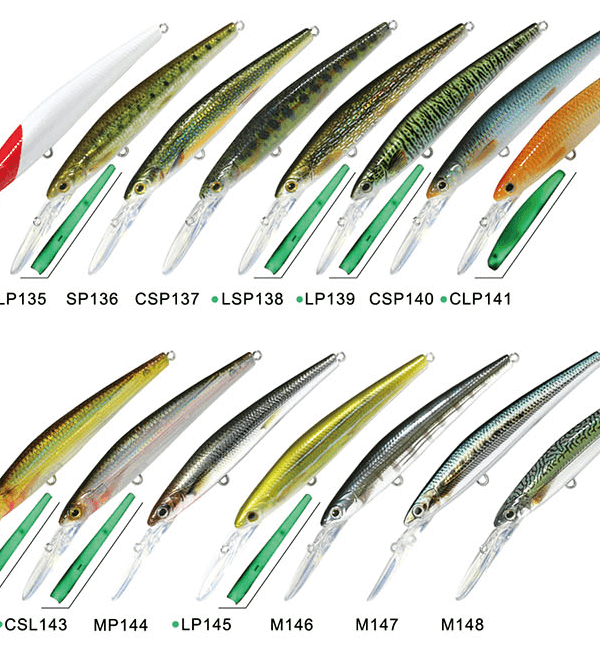
Ideal for open water and trolling, these saltwater lures feature rigid bodies with bills or lips that control depth. Models like the “Deep Sea Runner” dive to 30+ feet, making them perfect for targeting king mackerel and wahoo in offshore waters. Their fixed action ensures consistent performance even in strong currents.
Soft Plastics for Saltwater
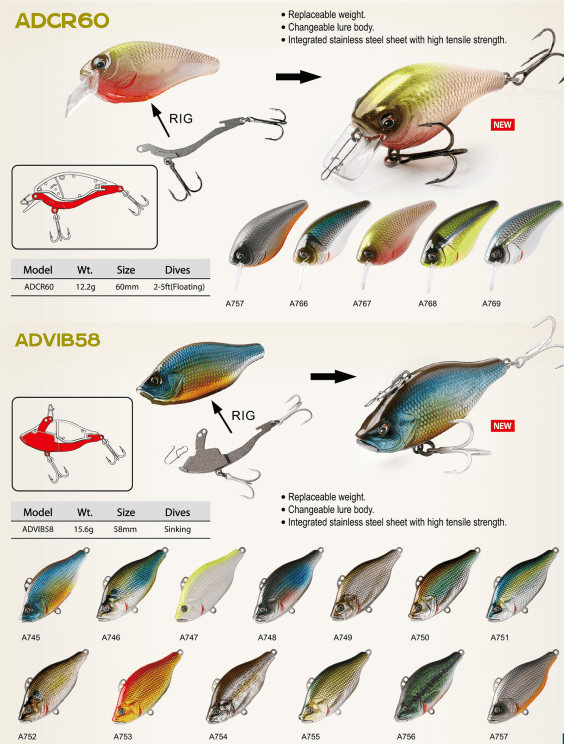
Made from salt-resistant rubber, these lures excel in shallow bays and flats. Designed to mimic shrimp, squid, or small fish, they’re rigged on weighted hooks to reach the seabed where flounder and redfish feed. Their flexibility creates lifelike movement in even the gentlest currents.
Metal Jigs for Saltwater
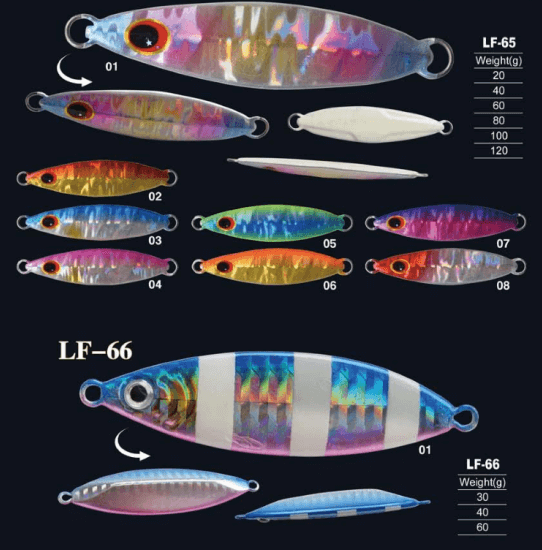
Heavy (1-4oz) and streamlined, these saltwater lures are built for vertical jigging over reefs or drop-offs. Their flash and erratic fall trigger strikes from predatory fish like amberjack and cobia. The best models have a balanced design that ensures a natural “flutter” on the descent.
Topwater Bass Fishing Lures: Mastering Surface Strikes
Topwater bass fishing lures are engineered to turn coastal bass—whether striped, spotted, or black—into aggressive predators. These lures work in brackish estuaries, salt marshes, and even nearshore ocean waters where bass hunt for baitfish, crabs, and shrimp. Unlike freshwater topwater lures, saltwater versions are built tougher: thicker bodies resist damage from salt and bass’ sharp teeth, while larger sizes (4-6 inches) match the bigger prey found in marine environments.
The magic of topwater bass fishing lures lies in their ability to create surface disturbance. Three primary types dominate: poppers, walkers, and prop baits. Poppers have a concave face that traps water and expels it with a loud “pop” when jerked, mimicking a struggling baitfish—ideal for calm mornings in estuaries. Walkers, with a slender body and no lip, zigzag (“walk the dog”) across the surface when retrieved with steady rod twitches, imitating a fleeing shrimp or small fish—perfect for windy days when choppy water hides subtle movements.
Prop baits feature rotating blades that churn the surface, creating both sound and vibration—effective in murky water or low light. The key to success with topwater bass fishing lures is timing: bass strike most aggressively during dawn, dusk, and overcast days when they’re less wary. Cast near structure—docks, oyster bars, or marsh grass edges—and let the lure sit for 3-5 seconds before starting the retrieve. This pause gives bass time to locate the lure, increasing strike chances.
Retrieve techniques vary by lure type: poppers require short, sharp jerks followed by pauses; walkers need a steady, rhythmic rod tip movement to maintain their zigzag path; prop baits work best with a slow, steady retrieve to keep the blades spinning. In strong currents, speed up slightly to ensure the lure stays on the surface—bass in moving water are used to faster prey and will ignore lures that drift too slowly.
Matching Saltwater Lures to Target Species
Success with saltwater lures depends on matching the lure to the fish’s diet, habitat, and behavior. Coastal waters teem with diverse species, each requiring a specific approach. Below’s a guide to selecting the best saltwater lures for common marine game fish:
| Species | Habitat | Best Saltwater Lures | Retrieve Technique |
|---|---|---|---|
| Redfish (Red Drum) | Shallow flats, marshes, oyster bars | Topwater poppers (3-4″), soft plastic shrimp, gold spoons | Slow, with pauses; let lures drift with current over flats |
| Striped Bass | Estuaries, nearshore reefs, river mouths | Topwater walkers, deep-diving crankbaits, metal jigs | Erratic; fast retrieves with sudden stops to mimic injured fish |
| Snook | Docks, mangroves, bridge pilings | Soft plastic jerkbaits, floating minnows, topwater plugs | Slow, with twitches; work lures tight to structure |
| King Mackerel | Offshore reefs, schooling near surface | Fast-moving trolling lures, silver spoons, wire-rigged plugs | Very fast; 6-8 knots for trolling to match their speed |
| Flounder | Sandy bottoms, near grass beds | Weighted soft plastics (shrimp/crab patterns), bucktail jigs | Slow drag along bottom; bounce lightly to stir sediment |
For inshore species like redfish and flounder, focus on natural colors: browns, olives, and silvers that blend with muddy or grassy bottoms. Offshore predators like king mackerel and wahoo are drawn to flashy, high-visibility lures in chartreuse, pink, or silver—colors that stand out in open water. When targeting bass in saltwater, topwater bass fishing lures in mullet or menhaden patterns work best, as these are staples in their diet.
Maintenance & Storage for Saltwater Lures
Saltwater’s corrosive nature makes maintenance critical for preserving saltwater lures. Even the best saltwater lures will degrade quickly without proper care. Start by rinsing lures in fresh water immediately after use—soak them for 10-15 minutes to dissolve salt crystals, then scrub gently with a soft brush to remove sand, algae, or fish slime. Pay special attention to hook eyes and split rings, where salt can accumulate and cause corrosion.
After cleaning, inspect all components: sharpen hooks with a fine file if they’re dull, and replace any that are bent or rusted. For hard lures, check for cracks in the body—small gaps can be sealed with marine-grade epoxy to prevent water intrusion, which ruins buoyancy and action. Soft plastic saltwater lures should be stored separately from hard baits to avoid chemical reactions that can cause them to melt or stick together.
Storage solutions matter too. Use tackle boxes with corrosion-resistant dividers, and consider adding silica gel packets to absorb moisture. For long-term storage (e.g., off-season), apply a thin coat of corrosion inhibitor to metal components—this creates a protective barrier against humidity. Avoid leaving saltwater lures in direct sunlight, as UV rays can fade paint and weaken plastic over time.
Topwater bass fishing lures require extra care due to their moving parts (e.g., propellers, hinges). After cleaning, apply a drop of freshwater-compatible lubricant to hinges to keep them moving freely. Ensure the lure’s buoyancy is intact—press it gently in a bucket of water; if it sinks or lists to one side, there may be a hidden crack that needs repair.
Advanced Tactics for Saltwater Lures Success
Mastering saltwater lures requires more than just selecting the right model—it demands understanding how tides, currents, and weather influence fish behavior. Tidal changes are especially critical: during incoming tides, fish move into shallow flats to feed on prey swept in by the current, making topwater bass fishing lures and shallow-running plugs effective. Outgoing tides concentrate baitfish in channels, so switch to deeper-diving saltwater lures or jigs to target fish waiting in these bottlenecks.
Currents dictate retrieve speed. In strong currents, speed up to ensure the lure maintains its intended action—slow retrieves can cause hard lures to spin or soft plastics to drag lifelessly. Conversely, in slack water, slow down: fish are less active and will ignore fast-moving lures. Use the current to your advantage by casting upstream and letting the lure drift naturally—this mimics how prey moves, making the presentation more realistic.
Weather patterns also play a role. Overcast days are ideal for topwater bass fishing lures, as bass feel safer feeding near the surface without bright sunlight exposing them to predators. Windy conditions stir up sediment, reducing water clarity—switch to noisy lures (poppers, prop baits) or those with bright colors to ensure fish can detect them. After storms, when water is murky, rely on saltwater lures with strong vibration, like lipless crankbaits or jigs with rattles.
- Match the hatch: Observe local baitfish—if you see schools of small mullet, use saltwater lures in similar size and color. Bass and other predators key in on abundant prey, so matching their natural food increases strikes.
- Use fluorocarbon leaders: Clear 20-30lb fluorocarbon leaders attached to your main line (braided or monofilament) make saltwater lures more invisible, critical in clear water where fish are line-shy.
- Experiment with depth: If initial casts don’t work, adjust your lure’s depth. Many saltwater fish feed at specific levels—use a depth finder to locate schools, then select hard lures with the appropriate diving bill to reach them.
- Time your casts: For topwater bass fishing lures, focus on the first hour after sunrise and last hour before sunset. Bass are most active then, and surface strikes are more frequent.