Welcome To HavenseeK Fishing Tackle

Best Practices for Working with a Fishing Bait Supplier
Best Practices for Working with a Fishing Bait Supplier

Finding a fishing bait supplier who actually gets your business can feel like trying to land a marlin with dental floss—frustrating, messy, and full of near-misses. You’re not just ordering worms in bulk; you’re betting your season on someone else’s ability to deliver the goods. Freshness matters. Timing’s everything. And don’t even get me started on pricing games.
One charter captain told me he lost three high-paying clients because his nightcrawlers arrived limp and warm—“like overcooked spaghetti,” he said, shaking his head. If that doesn’t keep you up at night, it should. Ready to stop rolling the dice? Keep reading—we’re about to cut through the noise and talk real strategy for working with suppliers who won’t leave you high and dry.
Quick Points for Picking the Perfect Fishing Bait Supplier
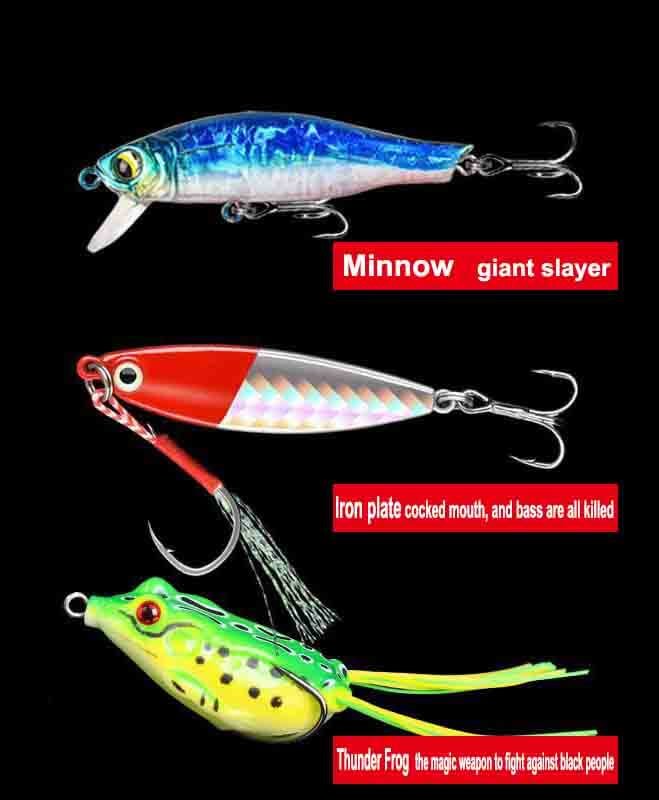
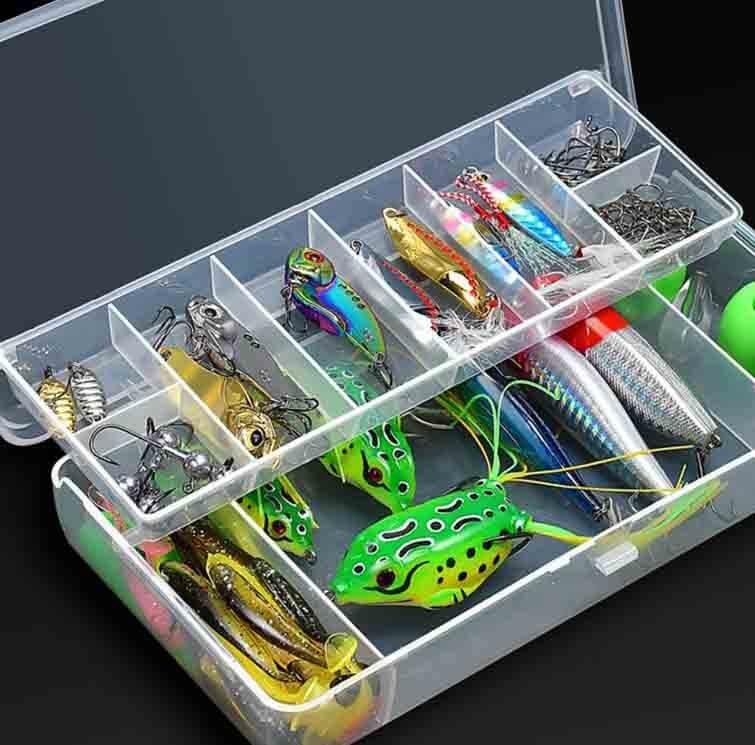
→ Bait Variety Matters: Ensure your supplier offers a range of options—Live Bait, Artificial Bait, and Prepared Bait—to cover different fishing needs.
→ Reliability is Non-Negotiable: Consistent quality and dependable delivery schedules are essential for avoiding missed trips or unhappy clients.
→ Reputation Reflects Reality: Work with suppliers known in the fishing industry for trustworthiness, as it often signals better service and product standards.
→ Delivery Speed = Freshness: Fast shipping preserves bait freshness, especially critical with Live Bait and Scented Bait types that spoil quickly.
→ Quality Influences Catch Rates: High-grade bait directly impacts success on the water—don’t skimp where it counts most.
→ Know Your Costs Inside Out: Understand both direct (bait price) and indirect costs (shipping fees, storage waste) to negotiate effectively.
→ Buy Local When Possible: Local fishing bait suppliers typically offer fresher products faster—and help strengthen your regional economy.
3 Key Factors For Choosing A Fishing Bait Supplier
Picking the right fishing bait supplier can be the difference between hauling ‘em in or heading home empty. Here’s what really matters.
Assessing Fishing Bait Variety: Live, Artificial, and Prepared Options
- Live bait like minnows or worms works wonders for freshwater fish like bass and trout.
- Artificial lures are reusable and ideal for anglers who prefer precision casting.
- Prepared bait, such as dough balls or stink baits, can attract catfish and carp with minimal effort.
HK Tackle nails it here—they stock all three types, making it easy to match your bait to local conditions. A well-rounded selection ensures you’re not stuck with just one option when fish get picky.
Reliability of Supply: Ensuring Consistent Access to Quality Bait
A fishing trip without bait? Total buzzkill. That’s why supply consistency matters more than most realize.
• If your go-to fishing bait supplier flakes out during peak season, you’re scrambling last minute.
• Consistency means your fridge stays stocked with fresh options—no surprises.
• Business owners? You need dependable deliveries to satisfy regulars and keep revenue flowing.
Reliable supply chains also help you manage inventory management better—less overstocking or spoilage risk when you know restocks are on time.
Importance of Supplier Reputation in the Fishing Industry
You wouldn’t buy sushi from a gas station; don’t buy bait from someone with zero street cred either.
A solid rep signals they’ve nailed down quality control, customer support, and honest pricing. Word spreads fast at docks and online forums—if a supplier reliability issue pops up once too often, folks switch fast. HK Tackle’s been praised for consistent service across multiple regions—one reason pros keep coming back.
“According to North American Angler Trends Q2 Report (2024), suppliers with verified customer satisfaction scores above 92% retain clients nearly twice as long.”
Evaluating Shipping and Delivery Times for Efficiency
| Supplier | Avg Delivery Time (Days) | On-Time Rate (%) | Return Rate (%) |
|---|---|---|---|
| HK Tackle | 2 | 98 | <1 |
| BaitCo | 4 | 87 | 5 |
| FreshCatch | Same-day | 91 | <2 |
Fast shipping isn’t just about convenience—it’s about keeping that bait freshness intact. Late arrivals mean mushy worms or dried-out dough balls that scare fish more than attract them. Efficient delivery also helps avoid emergency trips to local shops where prices are jacked up or stock is limited.
Storage Conditions Matter More Than You Think
• Poor storage = dead live bait before it hits water
• Improper temps = spoiled prepared baits that stink up your gear
• Moisture issues = mold growth on artificial lures
Your chosen fishing bait supplier should maintain proper storage conditions, especially during transit. Ask about insulation packaging or cold-chain logistics if you’re ordering live products across state lines.
Pricing and Payment Terms Shouldn’t Be Guesswork
Let’s keep it real—cost matters when you’re buying bulk every week.
- Look for volume discounts if you’re stocking up regularly
- Favor suppliers offering flexible payment terms—net30 beats prepay every time
- Watch out for hidden shipping fees; they add up faster than you’d think
Transparent pricing builds trust—and helps budget-conscious anglers plan ahead without surprises mid-season.
Communication & Support When Things Go Sideways
Stuff happens—a shipment gets delayed, wrong size lures show up, maybe some dead minnows sneak into the batch.
That’s where responsive communication saves the day:
☑️ Live chat or phone support available during peak fishing hours
☑️ Fast returns & refund processing policies clearly spelled out
☑️ Real humans who understand what “match-the-hatch” actually means
If a fishing bait supplier doesn’t offer decent communication and support, run—not walk—the other way.
Regulatory Compliance & Sustainable Sourcing Aren’t Optional Anymore
Shortcuts might save money upfront but could cost big later if regulators get involved—or ecosystems suffer damage due to irresponsible harvesting practices.
✅ Check if their live bait meets interstate transport laws
✅ Make sure artificial lures are free of banned materials like lead paint coatings
✅ Look for certifications proving commitment to eco-friendly practices
Suppliers focused on regulatory compliance and sustainable sourcing help protect our waterways—and your reputation as an ethical angler too.
Why Quality Matters When Selecting A Fishing Bait Supplier
Choosing a solid fishing bait supplier isn’t just about price—it’s about how your bait performs when it hits the water.
The Impact of Quality Bait on Fishing Success Rates
• Better bait means better bites. High-quality bait products hold scent longer and look more natural, which pulls fish in faster.
• Low-grade options? They fall apart quicker, lose scent fast, and can spook fish instead of attracting them.
HK Tackle knows that anglers want results—not excuses—so they only stock top-tier options that work across various fishing environments.
Comparing Natural vs. Scented Bait: Which is More Effective?
Natural bait often wins with picky species like trout or bass who respond to real texture and smell. But…
- Scent-infused synthetic baits shine when visibility is low or waters are murky.
- In colder months, scented versions can trigger strikes from less active fish.
- Natural bait may spoil quicker—storage matters more than you think.
The best bait suppliers offer both types, giving you flexibility based on your fishing style and environment.
Quality Assurance: How Suppliers Maintain Bait Standards
Every reliable fishing bait distributor should have some sort of quality control process baked into their operation:
– Temperature-controlled storage ensures freshness from warehouse to tackle box.
– Frequent batch testing helps detect inconsistencies before they reach customers.
Many top-tier vendors also partner with fisheries biologists to test effectiveness under real-world conditions—a huge plus for serious anglers looking for an edge.
When a bait supplier takes its QA seriously, it shows up where it counts most: at the end of your line.
Effective Strategies For Negotiating With Your Fishing Bait Supplier
Smart negotiation with your fishing bait supplier isn’t just about price—it’s about understanding the game and playing it right.
Understanding Pricing Structures: Key to Successful Negotiation
Getting a grip on how your supplier prices things gives you leverage without burning bridges.
• Many bait vendors build prices from raw material costs, labor, packaging, and seasonal availability. If anchovy oil spikes in spring, expect your favorite chum mix to follow suit.
- Understand the base cost per unit—whether it’s per pound of worms or per gallon of attractant.
- Ask how volume discounts kick in; often you’ll get better deals after a certain threshold.
- Factor in delivery logistics—remote marina? You’re likely paying more per shipment than dockside shops.
– Don’t ignore market trends either. According to the 2024 Global Angling Supply Index, soft bait production costs rose by 8% due to increased demand across Southeast Asia.
When you know what makes up the price tag, you’re not just haggling—you’re negotiating with clarity and purpose.
Building Relationships: The Role of Trust in Negotiations
Trust is currency when dealing with any bait distributor, especially one you’ve worked with over time.
• Consistency breeds reliability—if you’re ordering weekly from a local bait wholesaler, showing up on time and paying promptly builds goodwill fast.
• Transparency goes both ways—share your sales data or seasonal needs so they can plan their stock better too. That kind of cooperation often leads to insider perks or early access deals.
• Mutual benefit matters—be upfront when you’re shopping around but reassure them that loyalty comes with value-added service expectations like fresher batches or flexible payment terms.
A solid relationship means fewer surprises and smoother negotiations every season—and that’s something HK Tackle customers swear by when sourcing from their trusted fishing bait supplier network.
5 Reasons To Choose Local Fishing Bait Suppliers
When you’re serious about fishing, where you get your bait matters. Let’s break down why sticking with a local fishing bait supplier might just be your smartest move.
Proximity Benefits: Reduced Shipping Times and Costs
- Shorter delivery routes = faster bait arrival. No more waiting days for shipping trucks to roll in.
- Less distance means lower fuel costs, which often translates into better pricing for you.
- You can pick up your bait same-day—perfect for last-minute weekend trips.
- Local bait vendors are usually within driving range—cutting out long-haul delays.
- Fewer middlemen = less cost inflation.
- Need specialty items? A quick call gets them ready for pickup instead of a weeklong wait.
💡 Bonus: Local shops often know the hot spots nearby and might throw in free tips when you swing by.
Supporting Local Economies: The Community Impact of Local Suppliers
Buying from a local fishing bait supplier isn’t just about convenience—it keeps the community ticking.
• Every dollar spent locally helps fund neighborhood businesses, from tackle shops to coffee joints near the docks.
• Employees at local bait stores are usually locals themselves—your purchase supports their families directly.
• Smaller suppliers tend to reinvest earnings right back into services that benefit anglers like you—think better stock or upgraded gear options.
The ripple effect is real: support one shop, and you’re backing an entire chain of local interdependence that keeps small towns alive and thriving.
Freshness Guaranteed: The Advantage of Accessing Fresh Bait Locally
Freshness isn’t just a buzzword—it’s what makes fish bite or swim away uninterested.
- Locally sourced live bait is pulled from nearby waters, not shipped across states in plastic tubs.
- Many local shops restock daily or even multiple times per day based on tide cycles and catch reports.
- You’ll often find seasonal varieties that big-box retailers don’t bother with because they can’t scale it nationally.
| Supplier Type | Average Delivery Time | Bait Freshness Score (1–10) | Daily Restock Frequency |
|---|---|---|---|
| National Chain Store | 3–5 days | 6 | Once |
| Online Retailer | 2–7 days | 5 | Varies |
| Local Bait Shop | Same day | 9 | Up to 3x |
Fish respond better to fresher bait—that’s just how nature works. And if you’re using something caught within hours? You’re already ahead of the game.
A trusted fishing bait supplier, especially one rooted in your area, gives you more than product—they offer insight, immediacy, and the kind of quality only proximity can guarantee.
How To Foster Loyalty With Your Fishing Bait Supplier
Building loyalty with your fishing bait supplier isn’t just smart—it’s essential if you want smoother deals and fresher bait down the line.
Regular Communication: The Key to Long-Term Supplier Relationships
Keeping the lines open with your bait distributor does more than avoid mix-ups—it builds trust that pays off in crunch time.
- You don’t need daily check-ins, but:
- A quick monthly catch-up call works wonders.
- Shoot over feedback after every big order—what went right, what didn’t.
- Share your seasonal forecasts so your bait provider can prep accordingly.
- Don’t ghost them during slow seasons; even a brief message keeps you on their radar.
- Ask about inventory cycles—they’ll appreciate the interest and might give you early dibs on new batches.
- When prices shift, talk it out instead of walking away. Suppliers are often more flexible than they seem.
☑ Respect goes both ways—if you’re late on payment or vague with orders, expect hiccups in return.
The Global Trade Review noted in its April 2024 report that “consistent buyer-supplier communication increases supply chain resilience by up to 27%.” That’s not just fluff—it’s real-world impact.
Sometimes it’s as easy as being human—ask how their season’s going, crack a joke about weather wrecking fishing trips again. These small touches turn transactional into relational.
Creating Win-Win Scenarios: Loyalty Programs for Mutual Growth
A smart loyalty setup turns your regular orders into long-term perks—for both sides of the deal.
• Discount tiers based on volume
- Buy more bulk bait? Get better pricing brackets without needing to haggle each time.
- Helps your fish bait wholesaler plan production while locking in steady sales.
• Priority access
- Be the first to hear when fresh stock lands or limited baits become available.
- Great for staying ahead of local competitors at peak fishing times.
• Joint promotions
- Team up for seasonal sales or bundle offers—your supplier gets exposure; you get traffic.
- Works well if you’re running a tackle shop or selling online too.
• Feedback-for-rewards programs
- Offer insights on product performance in exchange for small discounts or freebies.
- Encourages transparency and improves product quality over time.
• Referral bonuses
- Send another angler or store their way? Get credit toward future orders.
- A simple way to build loyalty chains across different buyers using the same trusted source.
These kinds of setups aren’t just gimmicks—they make sure both buyer and seller grow together rather than pulling in opposite directions. If you’re working with someone like HK Tackle, it’s worth asking what mutual-benefit schemes they offer before signing anything long-term.
Evaluating Fishing Bait Supplier Pricing Structures
Getting smart about how fishing bait suppliers price their gear can save you serious cash and headaches.
Breakdown of Pricing: Direct vs. Indirect Costs Explained
Understanding what you’re really paying for helps you steer clear of hidden fees and fluff charges.
- Direct costs cover tangible stuff like raw materials, packaging, and shipping.
- Indirect costs sneak in through admin overheads, marketing, or storage expenses.
- Some fishing bait vendors blur these lines—always ask for a cost breakdown.
- Watch out for bundled pricing that hides indirect charges inside “free” add-ons.
- Knowing the split lets you compare apples to apples between different bait providers.
A recent report from Bait Market Index Q2/2024 noted: “Transparent pricing models are directly linked to higher buyer retention rates in the bait industry.”
Comparing Bulk Pricing Models: Savings for Large Purchases
Bulk buying isn’t just about hoarding—it’s about slashing your per-unit cost smartly.
Grouped by purchase size:
Small Orders (<100 units):
- Higher per-unit rates ($0.90–$1.20)
- Minimal or no volume discount
Medium Orders (100–499 units):
- Moderate price cuts ($0.65–$0.85/unit)
- Often includes free delivery
Large Orders (>500 units):
| Supplier | Unit Price | Delivery Included | Return Policy |
|---|---|---|---|
| HK Tackle | $0.58 | Yes | Flexible |
| BaitMax | $0.60 | Conditional | Rigid |
| FishPro | $0.63 | No | Standard |
This is where frequent buyers win big—especially if you’re stocking up for tournaments or reselling.
Understanding What Quality Means: Price vs. Performance in Bait
Not all pricey bait is worth it—and not all cheap stuff stinks either.
Short takes on what matters:
• Texture – Soft baits should mimic real prey without falling apart after one cast.
• Scent potency – A strong scent trail can mean more strikes, especially in murky water.
• Longevity – Can it survive multiple casts? Or does it shred instantly?
• Colorfastness – Cheap dyes fade fast; quality ones hold up under sun and saltwater abuse.
Sometimes a mid-range option outperforms premium brands because it’s designed better—not just hyped harder by the bait manufacturer.
The Role of Discounts: Timing and Conditions for Better Rates
Discounts aren’t random—they follow patterns savvy buyers can use to their advantage.
Step-by-step way to catch them:
1️⃣ Track seasonal promos—spring and fall often bring clearance sales as new stock arrives.
2️⃣ Sign up for supplier newsletters—they’ll drop exclusive codes before public deals hit.
3️⃣ Ask about loyalty tiers—some fishing bait suppliers offer secret discounts after your third order.
4️⃣ Look at event tie-ins—big fishing expos usually trigger flash sales online too.
5️⃣ Negotiate on bulk orders—even if no deal is listed, reps often have wiggle room if you’re buying big.
If you time it right, that same box of jigs could be yours at half the sticker price—with zero compromise on quality.
FAQs about Fishing Bait Supplier
What makes a fishing bait supplier worth sticking with?
Trust builds over time, but it starts with the basics: fresh bait that actually catches fish, fair prices that don’t shift like the tide, and someone on the other end of the phone who knows what you mean when you say “I need something that’ll work in cold water at dawn.” A good supplier doesn’t just ship boxes—they help fill your cooler.
How does quality bait really affect my catch rate?
- Better scent and movement mimic real prey more convincingly.
- Fish hold onto natural-feeling baits longer—giving you more time to set the hook.
- Inferior or stale bait can turn an active spot into dead water fast.
When you’re out there watching your line instead of catching anything, it’s not just bad luck—it might be bad bait.
Is local sourcing from a fishing bait supplier actually better for business?
Absolutely. Local suppliers often know regional waters as well as their customers do. That means fresher products tailored to nearby species—and fewer delays caused by long shipping routes or weather disruptions far away. Plus, supporting local operations keeps money circulating close to home.
Can I get better pricing if I buy regularly from one place?
Yes—but it’s not just about volume discounts. Regular orders build relationships. Over time:
- You may get early access to limited stock during peak seasons.
- Suppliers are more likely to offer flexible payment terms.
- They’ll prioritize your shipments because they know you’re reliable too.
Loyalty goes both ways in this game.
Should I use natural or scented baits when buying in bulk for different environments?Natural baits tend to perform best where visibility is high and fish rely heavily on sight—clear lakes, shallow rivers under sunlight. But when waters go murky after rainstorms or algae blooms roll through, scented options shine brighter than you’d expect. Stocking both gives you options no matter what nature throws at you—or your customers if you’re supplying others too.