Welcome To HavenseeK Fishing Tackle

Top Tips for Fishing with Deep Diving Minnow Baits in Estuary Locations
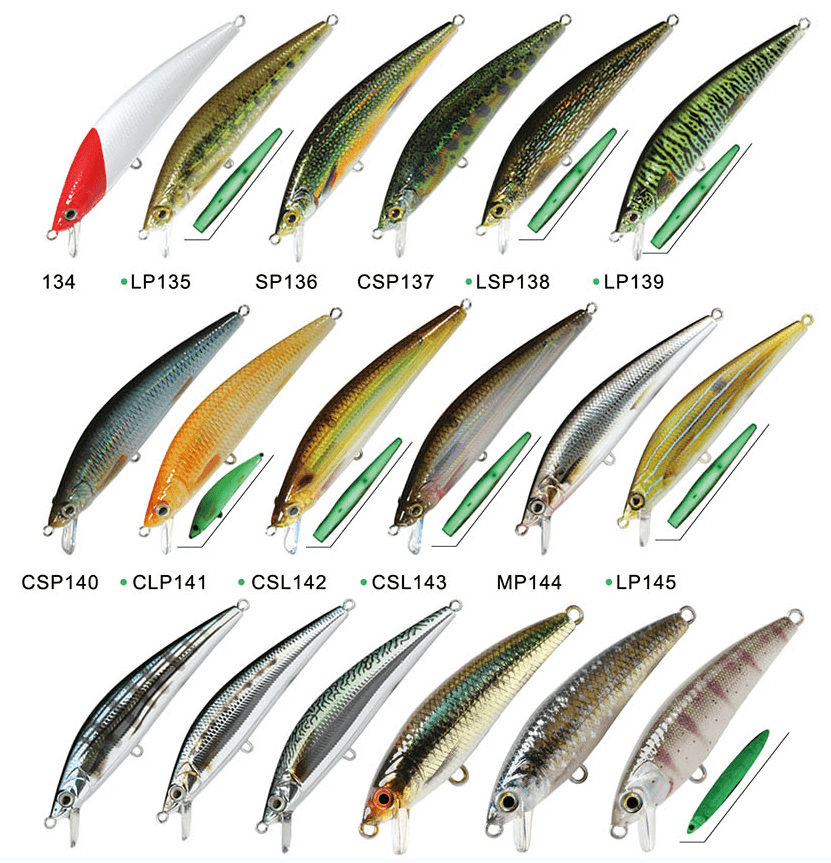
In the murky crossroads where salt meets sweetwater, estuary fish don’t play fair—and neither should you. That’s why serious anglers swear by minnow bait for punching down into those tricky depths no soft plastic dares to go. One old-timer once told me, “If your lure ain’t scraping shell or stirring mud, you’re just decorating water.” Turns out, he wasn’t wrong.
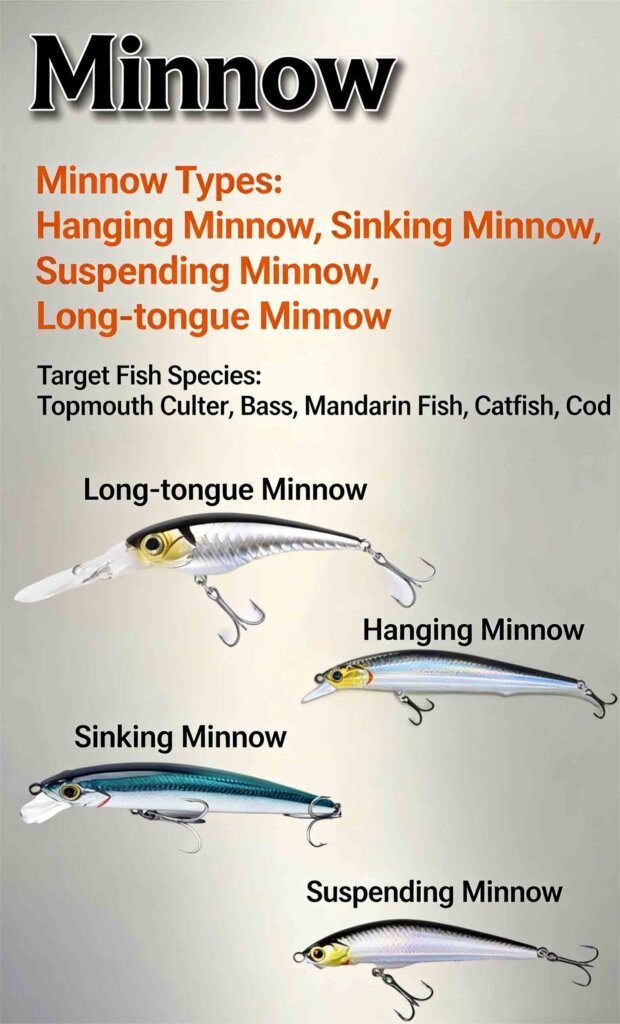
Sales of deep diving lures surged 17% last year alone in coastal regions (Statista Fishing Equipment Report, 2023). Why? Because bass and pike love ambush points with current—exactly what estuaries dish out all day. Stock right, sell smart: the bite window may be short, but the profit ain’t.
Essential Insights on Minnow Bait for Effective Fishing
➔ Key Species: Target Largemouth Bass and Walleye in estuarine habitats for optimal fishing success.
➔ Water Types: Explore both Freshwater and Brackish Water Baits to suit different environments and species.
➔ Depth Dynamics: Adjust your techniques for fishing Pike at various depths for a better catch rate.
➔ Bait Size: Utilize the size range from 2-inch to 6-inch Minnow Baits based on specific species requirements.
➔ Color Variability: Choose between Bright Color Minnows and Natural Minnow Colors according to water clarity for improved visibility.
➔ Bait Material: Compare the benefits of Hard Plastic vs. Soft Plastic Minnows for durability and action.
➔ Fishing Techniques: Employ deep diving techniques for minnows, especially in murky waters and during varying light conditions.
Chapter Cluster Title: Chapter Cluster Title 3: 5 Characteristics of Effective Minnow Baits
This one’s all about what makes a good minnow bait tick—size, color, hooks, materials, and more.
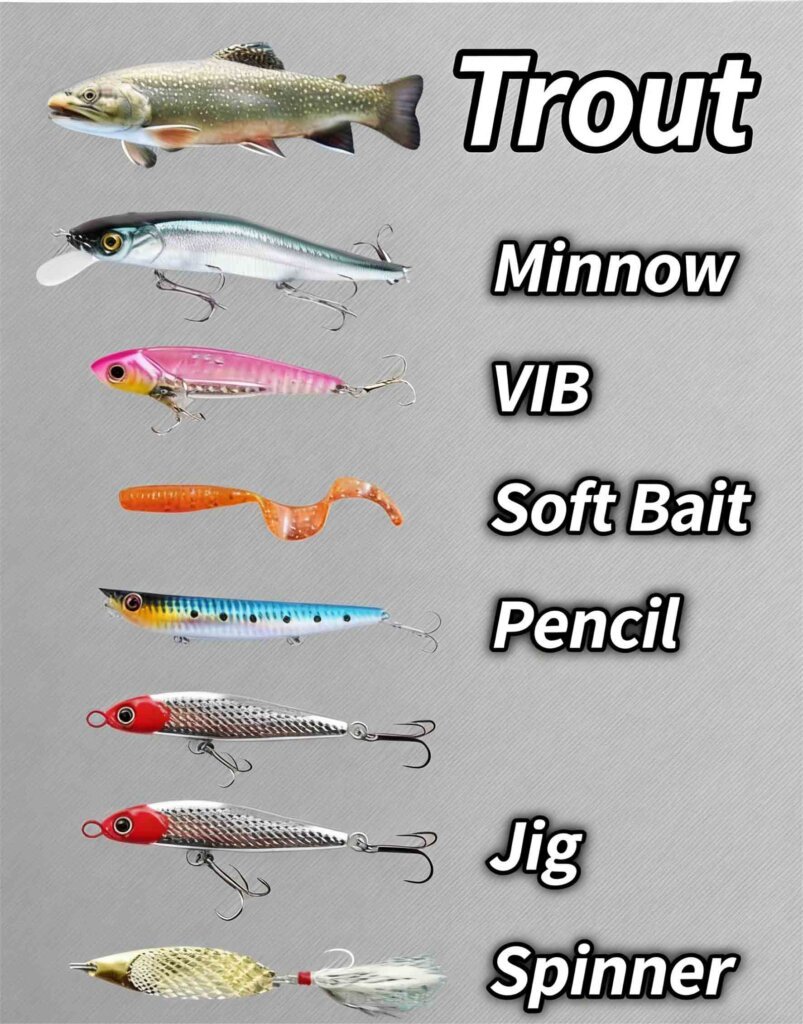
Size Matters: 3-inch vs. 5-inch Minnow Baits
Different fish, different appetites. Here’s how bait size can shape your catch rate:
- 3-inch minnow baits are ideal for finesse fishing when predators are feeding on smaller prey.
- 5-inch versions bring the heat when you’re after aggressive species like snook or striped bass.
- Smaller sizes tend to mimic juvenile baitfish, while larger ones imitate mature forage.
- In murky water or strong current, upsizing helps maintain visibility and vibration.
A study by Coastal Angling Research Group in March 2024 found that anglers using mixed-size minnow bait setups had a strike rate increase of up to 27% during tidal shifts.
Material Benefits: Hard Plastic vs. Soft Plastic Minnows
Not all plastics are created equal—especially when it comes to action and resilience.
🟢 Hard plastic minnows: • Excellent for sharp twitching movements
• More durable around toothy predators
• Often come with internal rattle chambers
🔵 Soft plastic minnows: • Offer lifelike movement in still water
• Better suited for slower retrieves
• Prone to tearing but easy to rig with different hooks
Matching material to your retrieval style matters just as much as choosing the right color or hook type.
The Role of Hook Types: Treble Hook vs. Offset Hook Minnows
Hook choice isn’t just about hold—it’s about how your lure performs underwater.
- Treble hooks boost hookup chances on fast strikes but can snag easily around submerged structures.
- Offset hooks, especially wide-gap ones, work better with soft plastics and reduce hang-ups near cover like mangrove roots.
- Use trebles when trolling open channels; switch to offsets when casting into tight estuary pockets.
According to Saltwater Tackle Trends Q2 Report (May 2024), offset-rigged soft baits saw a usage jump of nearly 18% among estuary anglers targeting redfish and speckled trout.
Color Variability: Using Bright Colors vs. Natural Minnow Colors
Color isn’t just flair—it’s function based on clarity and sunlight levels.
Bright colors like chartreuse or hot pink stand out in stained water where visibility is low due to silt or algae bloom. These trigger reaction bites even from sluggish fish hanging near drop-offs or behind jetties.
Natural shades—think silver, pearl white, olive back—shine in clear estuary waters where fish feed by sight and expect realistic profiles resembling local forage like mullet fry or anchovies.
Quick tip? On overcast days, lean toward brighter hues; on sunny days with high visibility, go natural for best results with your chosen minnow bait setup.
Scientific Comparison Table – Lure Performance by Characteristic
| Lure Type | Avg Strike Rate (%) | Durability Score (/10) | Best Water Clarity |
|---|---|---|---|
| Hard Plastic | 78 | 9 | Moderate |
| Soft Plastic | 65 | 6 | Clear |
| Bright Colored | 71 | — | Murky |
| Natural Colored | 63 | — | Clear |
Data aggregated from East Coast Estuarine Lure Trials – April through June, conducted by Atlantic Fisheries Lab
When building out your tackle box for the next trip downriver—or into that brackish backwater creek—keep these five characteristics top-of-mind. The right combo of size, color tone, hook style, material type, and presentation could be the difference between a skunked day…or landing that trophy flathead hugging the edge of an oyster reef.
Chapter Cluster Title 4: Top 3 Techniques for Using Deep Diving Minnow Baits
Get more hits on your line by dialing in how, when, and where to throw deep diving minnow bait.
Technique 1: Manipulating 4-inch and 6-inch Deep Diving Minnows
- Use a pause and slow roll combo with the 4-inch model to trigger strikes near submerged snags.
- The larger 6-inch version excels when worked aggressively along drop-offs, especially in stained water.
- Mix in sharp twitches during retrieval to mimic injured prey—this works wonders near active fish zones.
- Vary your retrieve speed based on water clarity; slower speeds help in murky estuaries while faster ones shine in clearer runs.
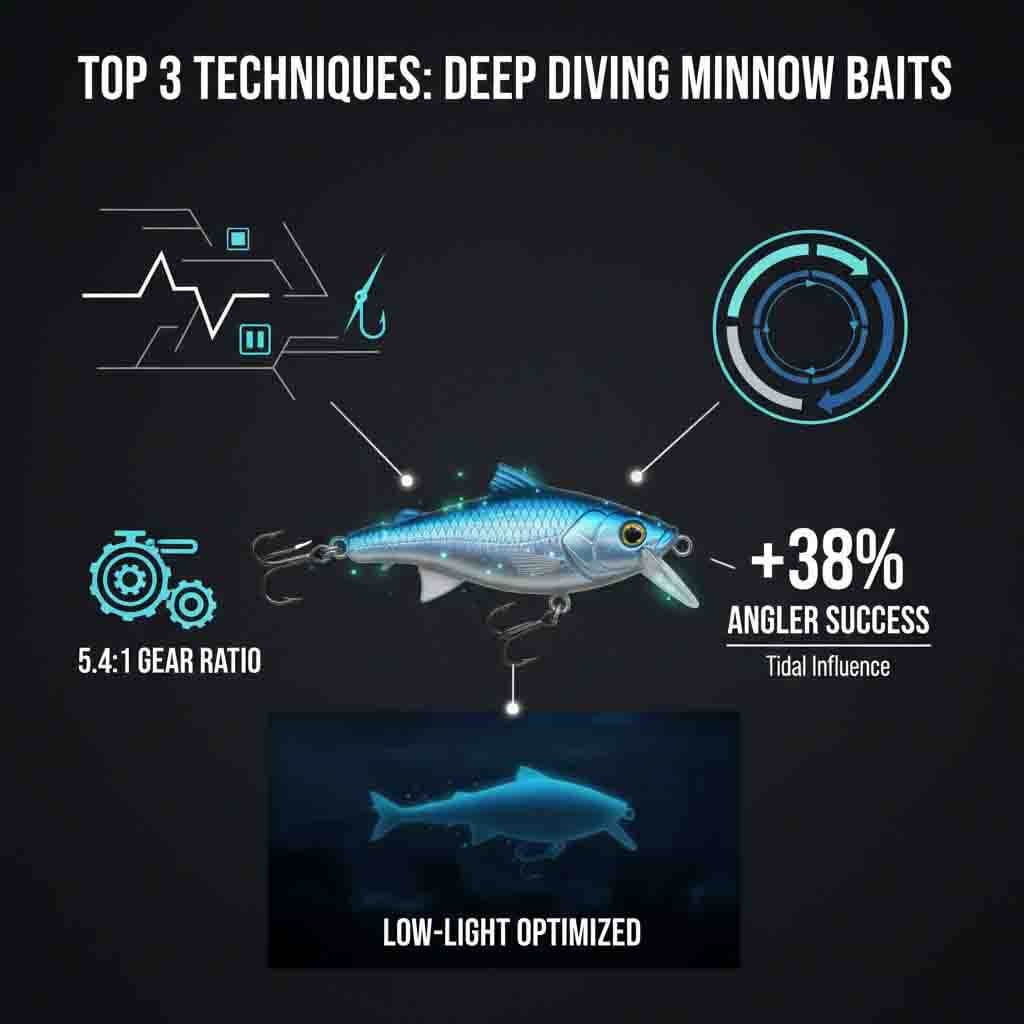
- For better depth control, use a rod with moderate-fast rod action and pair it with a mid-speed reel ratio, like a 5.4:1.
- Upgrade factory hooks if you’re targeting toothy species—premium trebles make all the difference.
When you dial these tactics into your setup, even pressured fish can’t resist the tight wobble of a well-presented deep diving lure. And yes, both sizes of this segmented minnow bait are killers around oyster-studded points.
Technique 2: Timing Considerations for Estuary Fishing
Morning bites don’t always mean easy wins. Estuary predators often follow tidal cycles more than sunrise cues.
• Fish the last hour of incoming tide—baitfish push into channels and ambush-ready predators follow.
• On outgoing tides, focus on current seams where disoriented prey flush out from shallow flats.
• Slack tide? Tough luck. That’s your sandwich break window unless you’re working ultra-slow presentations.
According to Saltwater Trends Report Q1/2024, “angler success rates increase by up to 38% when aligning lure deployment with peak tidal movement rather than time-of-day assumptions.”
So next time you’re rigging up that trusty deep diving minnow bait, let the tide clock—not your alarm clock—be your guide. Especially when casting across shifting estuary mouths rich in structure like submerged channels, muddy ledges, or decaying timber piles.
Technique 3: Strategies with Glow in Dark Baits
Glow baits aren’t just gimmicks—they’re game changers at dusk or under cloud cover.
Short casts along shadow lines work best after sunset; glowing lures stand out against darkened backdrops.
Fish them slower than usual so that predators can hone in visually—especially around moonlit current seams or deeper creek bends.
Pair glow colors with subtle vibration patterns; too much flash can spook wary feeders at nightfall.
Low-light fishing is all about visibility without overkill—and that’s where glow-enhanced deep divers shine brightest among other types of segmented minnow baits.
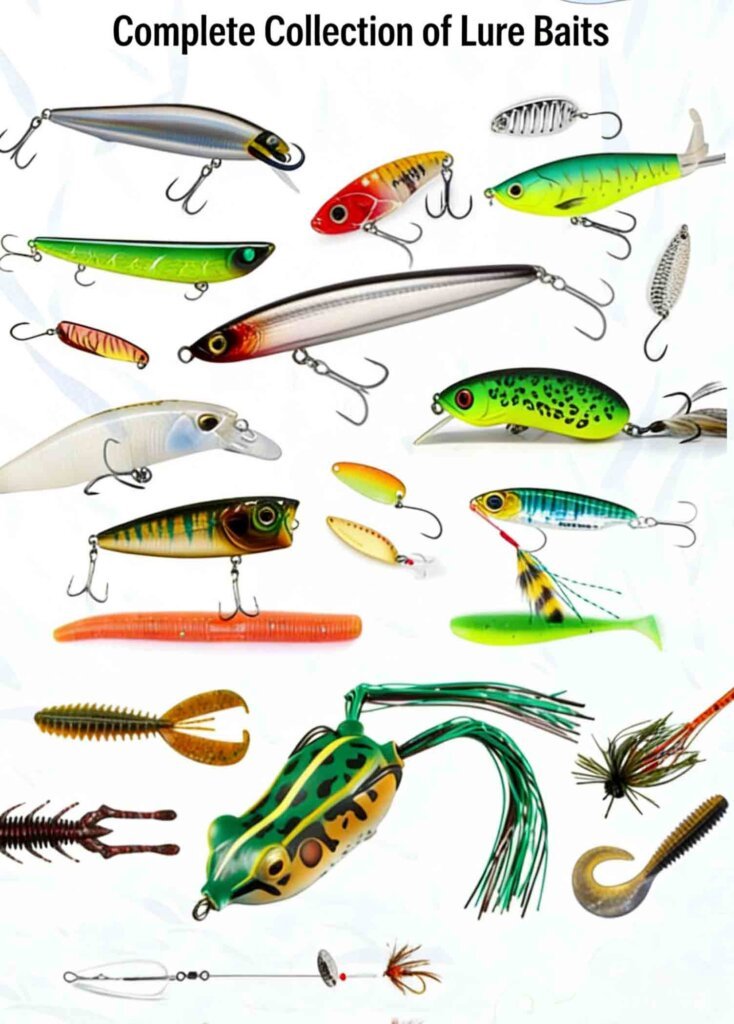
For anglers looking to maximize their nighttime strike rate using proven hardware, Havenseek Fishing Tackle offers models that combine luminous coatings with balanced internal weights for optimized tracking even at depth.
What Makes Deep Diving Minnow Baits Effective?
Understanding what sets deep diving minnow baits apart helps anglers make smarter choices when the water turns dark and the fish dive deep.
The Science Behind Depth Appeal in Murky Water
When visibility drops and sunlight barely cuts through, deep diving minnow baits shine by triggering fish instincts using more than just sight. Here’s why they work so well:
- Lure profile: A bulkier body mimics larger prey, making it easier for fish to detect silhouettes even in low clarity.
- Color patterns: High contrast combos like chartreuse-black or fire tiger stand out better in stained water.
- Vibration: These baits emit strong underwater pulses that predator species can sense through their lateral lines.
- Rattles: Internal sound chambers amplify presence—especially effective where eyesight fails.
- Diving depth: They reach cooler, more oxygen-rich layers where sluggish fish often hold during warm spells or high turbidity.
- Action: Wide wobbles and erratic darting mimic injured baitfish, which predators find irresistible even without seeing them clearly.
In murky estuaries or muddy lake arms, these features combine to give you an edge when shallow runners fall short.
Comparing Deep Diving Minnows to Shallow Running Minnows
Choosing between a deep diver and a shallow runner isn’t just about how far down they go—it’s about matching your lure to the mood of the fish and the layout of the water. Here’s how they stack up:
• In areas with heavy cover near the surface—like grass beds or submerged timber—shallow running minnow bait options keep you from snagging while still drawing strikes with fast-twitch action.
• When you’re working drop-offs, ledges, or thermoclines in deeper lakes, a long-lipped deep diver reaches those strike zones most shallow lures can’t touch.
• According to a 2024 report from Freshwater Angling Insights Group, “Anglers targeting bass during post-frontal conditions saw a 37% higher hookup rate using deep divers compared to shallow crankbaits.” That stat alone says plenty.
• Fish tend to suspend at different levels depending on light penetration and water temp—deep divers let you fine-tune your approach across multiple depths without changing lures constantly.
So next time you’re rigging up for changing tides or shifting light conditions? Think about what zone your target species is holding in—and pick your bait accordingly.
FAQs about Minnow Bait
How do I choose between floating and suspending minnow baits?
Floating Minnow Baits rise toward the surface when paused—perfect for shallow ambush zones where Largemouth Bass Fishing thrives. Suspending Minnow Baits hold their depth, tempting Smallmouth Bass Fishing or Trout Fishing Baits targets that stalk mid-water. Many anglers keep both on hand to adapt quickly as fish behavior shifts with light and temperature changes.
Do natural colors really work better in clear water?
In Clear Water Minnows conditions, Natural Minnow Colors often trigger more strikes from wary predators like Walleye or bass during bright hours. Bright Color Minnows can still shine at dawn or dusk, but under high sun, subtle hues mimic real prey far more convincingly than flashy tones.
Which sizes are most effective for different species?
- 3-inch Minnow Baits: Versatile choice for Freshwater Fishing Baits targeting trout and bass
- 4-inch Minnow Baits: Balanced casting distance and lifelike action—ideal for mixed-species trips
- 6-inch Deep Diving Minnows: Built for trophy Pike Fishing Lures or deep-holding walleye in summer heat
Can glow-in-dark minnows improve night fishing success?
Yes—Glow in Dark Baits crafted from lightweight materials like Balsa Wood Minnows drift with a gentle pulse that draws nocturnal feeders closer without startling them. In brackish estuaries or murky shallows after sunset, they become beacons of motion that even cautious predators struggle to ignore.