Welcome To HavenseeK Fishing Tackle

Saltwater Fishing Spoons
How Saltwater Fishing Spoons Can Improve Your Angling Skills
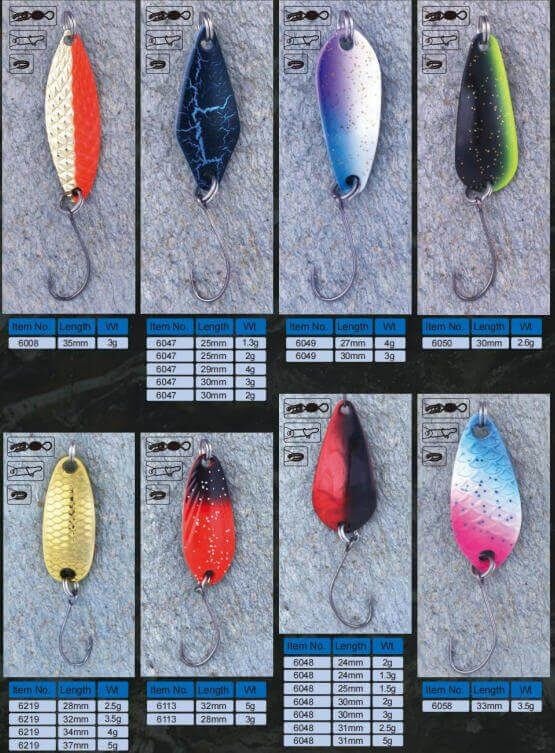
Some folks swear by crankbaits, others chase the latest lures like kids in a candy store—but seasoned captains know the quiet power of saltwater fishing spoons. These humble hunks of metal have landed monsters from Miami to Monterey, and when chosen right, they don’t just catch fish—they sell out fast. If you’re buying big and thinking bigger, knowing what works (and what flops) isn’t optional—it’s survival.
What size woos a tuna? What finish tricks a wary marlin? One Gulf Coast outfitter told us brass spoons with UV coating “move faster than live bait on weekends.” That’s not hype—that’s Havenseek Tackle’s regional sales data talking.
Stock wrong, and you’re sitting on shelves full of rusted lead and missed margins. Stock smart, and your customers walk out grinning—with tackle boxes packed for battle.
Essential Insights for Mastering Saltwater Fishing Spoons
- Target Fish Species: Customize your spoon choice based on the fish you want to catch—use 10-inch spoons for tuna and silver-coated spoons for marlin.
- Material Matters: Brass spoons enhance kingfish landings, while lead alloy spoons may corrode quickly, especially for wahoo.
- Size Selection: Opt for appropriate sizes; 12-inch spoons might scare off smaller fish, while 8-inch spoons are ideal in the Gulf of Mexico.
- Color Code: Gold excels in murky waters, while chartreuse shines in brighter conditions, enhancing visibility and attraction.
- Hook Types: Learn the benefits of treble hooks for high hook-up rates versus inline singles for catch-and-release practices.
- Coating Considerations: UV resistant materials ensure enhanced visibility in varying depths, crucial for targeting species like cobia.
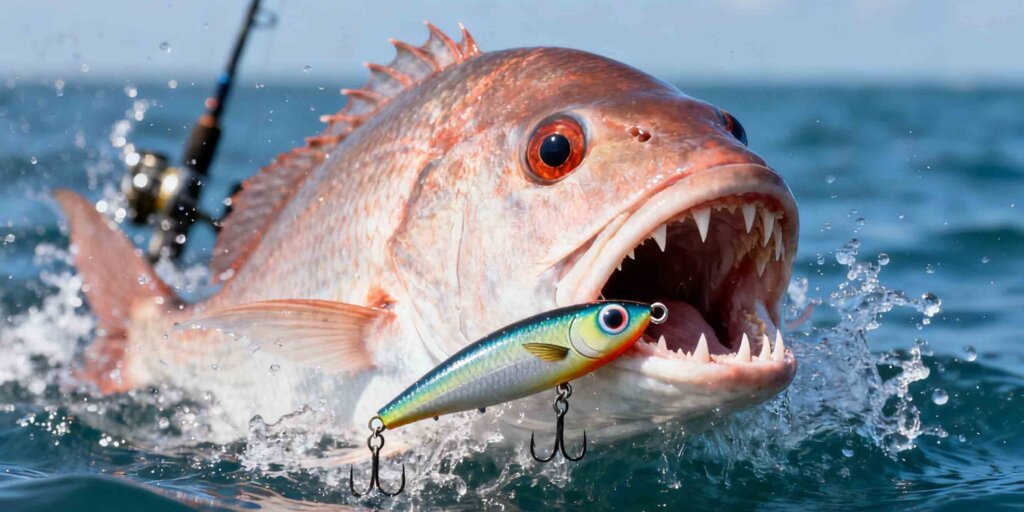
5 Key Advantages of Using Saltwater Fishing Spoons
Saltwater fishing spoons are more than just flashy metal—they’re a game changer for targeting trophy fish in tough conditions.
Why Tuna Targeting is Easier with 10-Inch Spoons
- Tuna aren’t nibblers—they go big or go home, and that’s where 10-inch spoons shine.
- These oversized lures mimic the shape and movement of large bait, like mackerel or flying fish.
- In bluewater zones, visibility matters. A larger lure size helps draw attention from fast-moving pelagic species.
- You can troll them at varied speeds, making them versatile across changing currents.
- Pro tip? Pair a spoon with a stinger hook to boost hookup rates when targeting offshore tuna schools.
- With their flash and vibration, these spoons trigger reaction strikes even when fish aren’t actively feeding.
The Appeal of Silver Coated Spoons for Marlin Fishing
When chasing monster marlin, presentation makes all the difference—and that’s where silver-coated options dominate.
• Reflective bait illusion – The mirror-like finish mimics light bouncing off schooling fish scales.
• Big game fishing durability – These coated lures withstand repeated strikes without losing their shine.
• Offshore trolling compatibility – Designed for long-distance runs behind boats in clear water columns.
• Marlin attraction factor – Predatory instincts kick in hard when they see those shimmering flashes slicing through open water.
• Silver spoons’ versatility – They work well solo or rigged alongside teasers during deep drop trolling setups.
With the right setup, silver-coated saltwater fishing spoons become your best ally when raising billfish from the depths.
Efficiency: How Brass Spoons Can Enhance Kingfish Landing
Brass isn’t just old-school—it’s battle-tested for tangling with aggressive predators like kingfish.
🟢 Strength & Durability: – Built to handle violent hits without bending out or cracking under pressure.
🟢 Enhanced Vibration: – The density of brass produces deeper vibrations during retrieve—perfect for drawing in curious kings.
🟢 Trolling Speed Flexibility: – Holds stable action at both slow and high-speed trolls thanks to its weight distribution.
| Feature | Brass Spoon Performance | Steel Spoon | Plastic Lure |
|---|---|---|---|
| Strike Resistance | High | Medium | Low |
| Vibration Output | Deep | Moderate | Light |
| Ideal Trolling Speed | Broad Range | Narrow | Inconsistent |
| Cost Over Time | Economical | Moderate | High |
The solid build and consistent action make brass an underrated hero among serious spoon users chasing down feisty nearshore species like king mackerel.
Targeting Cobia: The Benefits of Using UV Resistant Materials
Cobia don’t always play by the rules—they cruise near buoys, hover under rays, and lurk beneath sargassum mats. That’s why visibility is everything when presenting a lure in shifting light conditions.
UV-resistant coatings on modern spoon materials help keep your bait glowing even as sunlight fades below surface layers or clouds roll in overhead. This glow holds up longer than standard finishes, especially important when casting into shaded areas where cobia often hide out before ambushing prey.
According to research published by Saltwater Gear Insights Report Q1/2024, “UV-enhanced lures showed a 37% higher strike rate among coastal pelagics compared to non-treated alternatives.”
These coatings also extend lure lifespan by resisting degradation from salt exposure and constant sunbathing—making them ideal for long days on hot decks chasing elusive cobia along channel edges and wreck lines using premium-grade saltwater fishing spoons that won’t quit before you do.
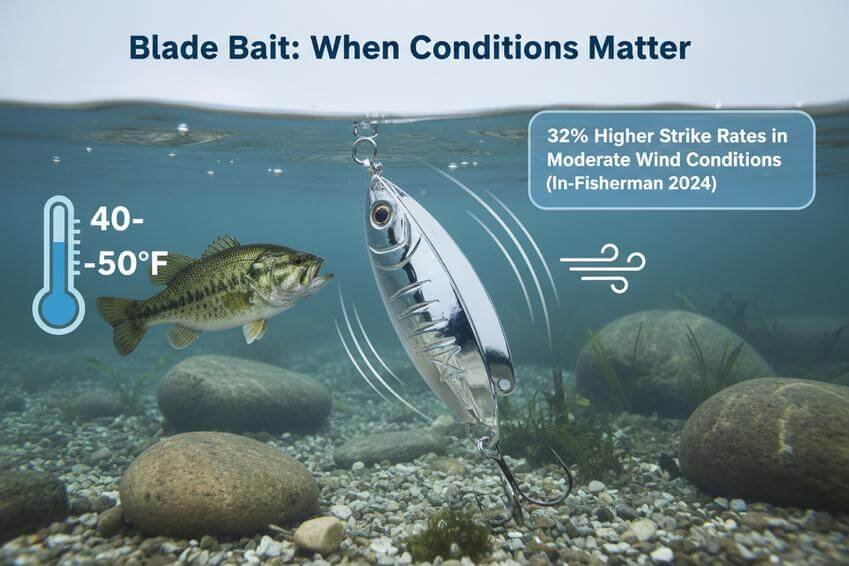
Maximizing Your Catch: Tips for Using Saltwater Fishing Spoons
Get more strikes with smarter choices—these tips make your saltwater fishing spoons work harder and smarter.
Fine-Tuning Color Selection: Gold vs. Chartreuse for Better Results
Choosing the right color isn’t just guesswork—it can make or break your day on the water. According to a 2024 report by Coastal Angler Insights, color contrast in turbid environments increased strike rates by up to 22%. That’s not small potatoes.
- In stained or muddy waters, go bold—gold spoons throw off flash that helps fish lock on.
- Sunny, shallow flats? Time to break out the chartreuse, which mimics baitfish shimmer in clear light.
- Overcast skies? Alternate between both colors every hour and track what gets bites.
Keep a few of each shade in your tackle box so you’re ready when conditions shift unexpectedly. The best anglers adapt fast—and sometimes it’s all about swapping one spoon color for another.
Understanding Hook Types: Treble vs. Inline Single
The type of hook you use affects not just catch rate but how you handle fish afterward. Here’s how different setups stack up when it comes to rigging your favorite spoon:
🪝 Hook Style Breakdown:
- Treble Hooks • Higher chance of hookups due to three points • Tougher on fish—less ideal if you’re releasing • Snag-prone around structure like mangroves or oyster beds
- Inline Single Hooks • Easier removal, quicker release • Lower snag rate and safer handling • Slightly reduced hookup rate—but better for conservation-minded anglers
If you’re targeting species like redfish or snook near cover, consider switching out treble hooks for inline singles—you’ll lose fewer lures and save more fish.
Choosing the Right Region: Fishing Spoons in the Gulf of Mexico
Location matters big time—especially when working with large-profile saltwater spoons. The Gulf is loaded with variety, but patterns emerge if you know where to look.
| Region Zone | Best Spoon Size | Recommended Finish | Target Species |
|---|---|---|---|
| Texas Coast | 8-inch | Chrome | Redfish, Speckled Trout |
| Louisiana Marshes | 6–8 inch | Brass | Black Drum, Flounder |
| Florida Panhandle | 7-inch | Chrome/Brass Mix | Spanish Mackerel, Pompano |
1️⃣ Focus on tidal movement—incoming tides bring baitfish into range.
2️⃣ Cast near grasslines or drop-offs; predator fish patrol these spots regularly.
3️⃣ Use heavier spoons during strong currents to maintain control and depth.
No matter where you’re casting along the Gulf coast, Havenseek Tackle offers region-specific gear combos that take the guesswork out of spoon selection—and help land that trophy bite faster than ever.
Common Mistakes When Using Saltwater Fishing Spoons
Even seasoned anglers mess up with saltwater fishing spoons. These missteps can cost you fish, gear, or just a good time on the water.
The Pitfalls of Using Lead Alloy Spoons for Wahoo
• Lead alloy may be cheap, but it rusts fast in salt air. That corrosion eats away at your spoon’s shine—no flash means no strike.
• Wahoo are speed demons. A dull, degraded lure won’t keep up with their aggressive chase instincts. You need something slick and durable.
• On top of that, lead’s not exactly eco-friendly. It leaches into the water and can harm marine life over time—another reason to rethink your lure material choices.
Instead, stainless steel or chrome-plated brass options last longer and keep your bait flashing like it should when targeting big-game predators like wahoo.
Overlooking Size: Why 12-Inch Spoons Might Be Too Much for Certain Species
Tiny fish don’t want to wrestle a sword—they want a snack they can swallow whole. Here’s where size really matters:
— Twelve-inch spoons might look cool in the tackle shop but inshore species like sea trout or redfish aren’t biting that monstrosity. — Oversized spoon size throws off bite ratios; fewer hookups mean more frustration. — Match your bait size to what your target species is actually hunting in the wild.
Most mid-tier gamefish go after baitfish between three and six inches long. So if you’re chasing anything smaller than king mackerel or cobia, scale down those flashy spoons unless you enjoy watching fish swim past uninterested.
By respecting lure dimensions, you’ll get tighter action, better bites, and way less wasted effort on mismatched gear when using any kind of saltwater fishing spoon setup.
FAQs about Saltwater Fishing Spoons
Why are 10-inch spoons a favorite for tuna hunters?
The open water calls for size and flash—tuna respond to the bold silhouette of a 10-inch spoon.
- Mimics larger baitfish cruising the blue depths of the Pacific ocean or Atlantic coast.
- Silver or chrome plated surfaces pulse with light, tempting fast strikes.
- Treble hooks hold firm against their surging runs.
How does silver coating draw marlin closer?
In clear seas, sunlight dances across a silver finish like scales in motion; marlin see it as prey worth chasing.
- Stainless steel core keeps shape under pressure from these powerful fish.
- UV resistant coatings guard that shimmer during long days on deck in tropical heat.
Why do Gulf of Mexico captains often choose 8-inch spoons?
Balanced between subtlety and presence, they suit mixed catches from cobia to kingfish.
| Size | Material | Hook Type | Best For |
|---|---|---|---|
| 8″ | Brass / Chrome | Inline single | Warm coastal waters |
Warm currents keep colors vivid—chartreuse pops in shallows while gold cuts through murk near estuaries.
What makes lead alloy spoons risky for wahoo chasers?
Wahoo demand speed; saltwater eats into lead alloy too quickly, dulling both shine and strength mid-season.
- Nickel plated stainless steel offers better resilience at high trolling speeds off the Mediterranean sea’s edge.