Welcome To HavenseeK Fishing Tackle


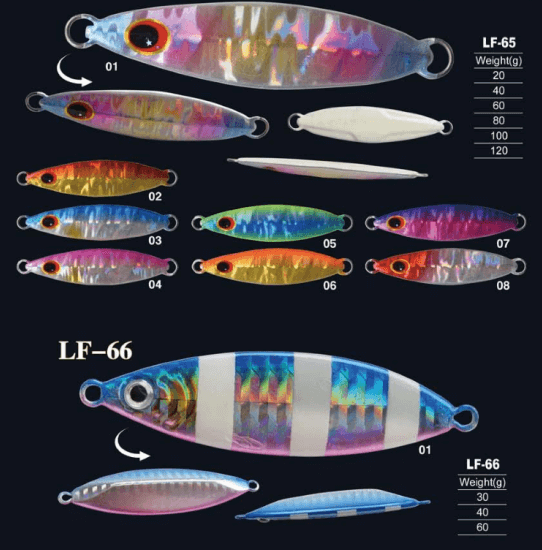
Slow-Sink Suspending Blade Bait: Best Saltwater Bait for Mid-Water Strikes
Engineered for precision depth control, this slow-sink suspending blade bait is the best saltwater bait and game-changing saltwater fishing bait, designed to linger in mid-water strike zones where predators feed. Unlike fast-sinking baits that rush past target depths, its low-density core and streamlined profile allow for a gradual, controlled sink, then suspend motionless when retrieval pauses—mimicking injured baitfish that can’t swim away. The thin, flexible blade produces subtle yet persistent vibration during the sink and retrieve, drawing curious predators from nearby. Crafted with marine-grade aluminum and rust-proof hardware, it resists saltwater corrosion and stands up to sharp teeth.
Blade Bait & Saltwater Angling: Choosing Effective Bait for Coastal Success
Saltwater fishing demands bait that can handle harsh conditions. One standout option is the blade bait, built for durability and performance.
Anglers often seek the best options to target species like redfish, snapper, and mackerel. This guide breaks down what works and why.
What Makes a Bait Reliable in Saltwater
Saltwater environments are tough on gear. Bait must resist corrosion, stand up to toothy fish, and mimic natural prey.
It also needs to perform in varying conditions—from calm flats to choppy offshore waters.
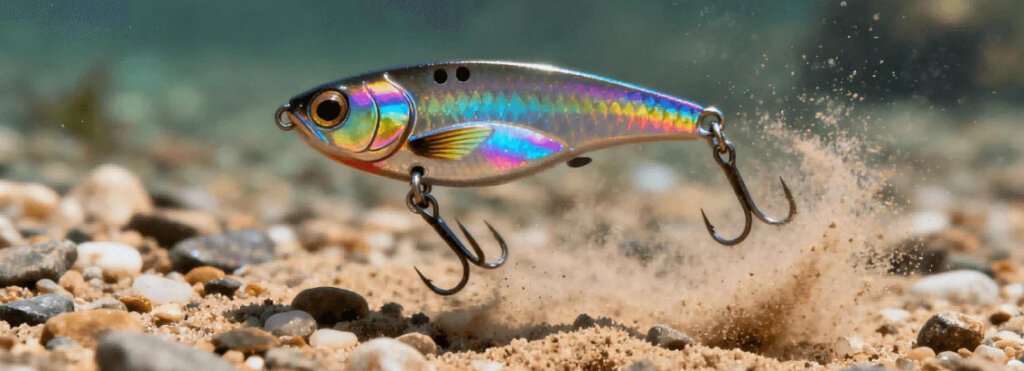
The bait’s unique weight balance ensures it stays horizontal in the water, maintaining natural presentation whether you’re jigging gently or holding it steady. Ideal for targeting species like amberjack, cobia, and striped bass that hunt in mid-water columns, this blade bait lets you precisely target specific depths without guesswork. The UV-enhanced color patterns remain visible even in low light, and the sharp treble hooks guarantee quick penetration when a fish strikes. For anglers who want to control their presentation and maximize time in the strike zone, this is the best saltwater bait for consistent mid-water catches.
Blade Bait: Design for Saltwater Performance
Key Features That Work for Coastal Anglers
Blade bait is a metal lure with a thin, curved blade attached to a weighted head. It’s simple in design but powerful in action.
The blade vibrates intensely when moved, sending signals that fish detect through their lateral lines.
Material Choices
Stainless steel blades resist rust and salt damage.
Titanium versions are lighter but equally durable.
Lead or tungsten weights ensure proper sinking.
Shape & Size
Blades saltwater fishing bait come in tight or wide curves—each creates different vibrations.
Sizes range from 2 to 4 inches, matching common prey.
Compact profile minimizes snagging on rocks or weeds.
The design allows for multiple fishing styles. It can be jigged, cast, or trolled, making it versatile across habitats.
Its durability means it can withstand repeated strikes from aggressive saltwater species.
How to Fish with Blade Bait
Success with this lure comes down to simple, controlled movements.
Vertical Jigging for Deep Fish
1. Drop the lure to the bottom near reefs or wrecks.
2. Lift your rod 2-3 feet with a sharp motion.
3. Let the bait fall freely—this flutters the blade.
4. Pause 2 seconds at the bottom before repeating.
Cast & Retrieve for Inshore Species
1. Cast parallel to shore or along grass edges.
2. Reel slowly for 3-4 cranks.
3. Pause for 1 second to let the bait “hover.”
4. Repeat the cycle to mimic injured prey.
This technique works well for species like redfish and speckled trout. The vibrations cut through shallow water, drawing fish from cover.
For faster-moving fish like mackerel, speed up the retrieve to create more intense vibration.

Types of Bait for Saltwater Fishing
Beyond Blade Bait: Effective Options
Saltwater anglers have several reliable bait types to choose from. Each works best in specific scenarios.
Soft Plastic Baits
Mimic shrimp, squid, or small fish.
Flexible design creates natural movement.
Ideal for inshore flats and shallow waters.
Pair with weighted hooks to reach target depth.
Hard Body Lures
Rigid plastic or wood construction.
Feature diving bills or surface-riding designs.
Great for trolling or casting offshore.
Resist damage from toothy predators.
Live or Cut Bait
Natural scent and movement attract fish.
Use shrimp, mullet, or squid for best results.
Effective for bottom fishing or stationary setups.
Requires proper storage to stay fresh.
Each type has pros and cons. Soft plastics are affordable but tear easily. Hard baits are durable but less flexible in action.
Live bait often produces the most strikes but requires more care to keep alive during trips.
Choosing the Right Bait for Your Target
Different species have distinct feeding habits. Matching bait to these habits increases success.
Bottom-Dwelling Species
Snapper, grouper, and flounder feed on the seabed.
Use weighted baits or cut bait that sinks quickly.
Vertical jigging with blade bait works well here.
Natural colors like brown or gray mimic bottom prey.
Mid-Water or Surface Feeders
Mackerel, tuna, and bonito hunt in open water.
Use fast-moving lures or trolled baits.
Bright colors or reflective surfaces stand out.
Blade bait retrieved quickly is a top choice.
Inshore species like redfish and snook are adaptable. They’ll strike soft plastics, blade bait, or live shrimp.
Pay attention to local prey. If you see schools of small baitfish, use matching lures to increase your chances.
Factors That Define the Best Bait
What to Look for When Selecting Bait
The best options share key traits that make them effective in saltwater. These factors apply to all bait types.
Durability: Must withstand salt, rocks, and fish bites. Blade bait excels here with its metal construction.
Action: Movement that mimics natural prey. This can be vibration, wobble, or fluttering.
Visibility: Stands out in clear or murky water. Bright colors work in murk; natural hues in clear conditions.
Versatility: Works across multiple fishing styles or habitats. Reduces the need to carry excessive gear.
Size: Matches the prey your target species feeds on. Too large or small and fish will ignore it.
These factors vary by location. What works in Florida flats may not perform as well in Northern Atlantic waters.
Local tackle shops are great resources. They can recommend bait that’s proven effective in the area.
Seasonal and Environmental Adjustments
Adapting Bait to Conditions
Saltwater conditions change with seasons, tides, and weather. Adjusting your bait choice ensures consistent results.
Seasonal Changes
Spring: Fish move to shallow water to spawn. Use smaller bait with slow action.
Summer: Warm water increases activity. Fast-moving lures or bright-colored options work best.
Fall: Fish feed aggressively to fatten up. Larger bait or more intense vibration is effective.
Winter: Cold water slows metabolism. Use subtle action and natural colors.
Environmental Factors
Water Clarity: Murky water needs vibration or bright colors. Clear water requires natural hues.
Currents: Strong currents need heavier bait to stay in place. Light bait drifts too quickly.
Wind: Windy conditions create choppy water. Use bait with more vibration to cut through turbulence.
Tides also play a role. Incoming tides bring fresh prey into shallow areas. Use smaller, slower-moving bait here.
Outgoing tides concentrate fish in channels. Switch to faster-moving or heavier bait to target these areas.
Bait Maintenance and Care
Keeping Your Bait in Top Condition
Proper care extends the life of your bait and ensures it performs well on every trip.
Cleaning After Use
Rinse all bait thoroughly with fresh water. Salt residue causes corrosion and damage.
Use a soft brush to remove sand, algae, or fish slime.
Dry bait completely before storing to prevent mold or rust.
Storage Tips
Store metal lures like blade bait in a dry tackle box with dividers.
Keep soft plastics in airtight containers to avoid melting or sticking.
Hang hard baits to prevent bending or warping of diving bills.
Add silica gel packets to tackle boxes to absorb moisture.
Regular Inspections
Check hooks for sharpness before each trip. Dull hooks lead to lost fish.
Replace rusted or bent hardware on metal lures.
Inspect soft plastics for tears or degradation. Discard damaged bait.
Touch up paint on hard baits if it’s chipped or faded.
Taking these steps ensures your bait is ready to perform when you hit the water.
Well-maintained bait not only lasts longer but also maintains its action and effectiveness.
Troubleshooting Common Bait Issues
Solving Problems Anglers Face
Even with the right bait, issues can arise. Here’s how to fix common problems.
No Strikes: Try changing bait size or color. Slow down or speed up your retrieve. Move to a different location.
Snagging: Use bait with a more compact profile. Avoid casting directly into thick weeds or rock piles. Retrieve with a steady motion to avoid dragging bait into cover.
Line Twist: Use a swivel with bait that spins or vibrates. Check for knots or tangles before casting. Replace line if it’s worn or twisted.
Fish Stealing Bait:
Use smaller hooks or switch to a faster retrieve. Add scent to soft plastics to encourage longer holds.
Experimentation is key. If one bait isn’t working, don’t hesitate to switch to another type.
Keeping a variety of options in your tackle box lets you adapt to changing conditions quickly.