Welcome To HavenseeK Fishing Tackle

How to Source the Best Ice Fishing Reels: A Procurement Deep Dive
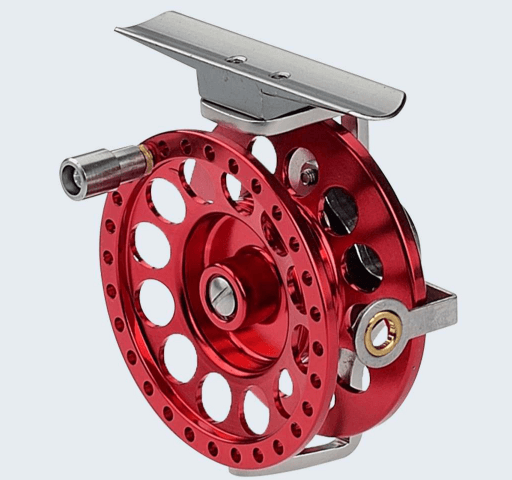
Written by Marcus Thorne – With over 18 years as Head of Sourcing and Product Development at Havenseek Tackle, I’ve directly overseen the manufacturing and quality assurance of more than 500,000 ice fishing reels. My team and I work with factories daily to turn raw materials into reliable tools for anglers and profitable products for our global B2B partners.
Table of Contents
- Why This Guide Is Different (And Worth Your Time)
- The Anatomy of Excellence: What Really Makes a Best Ice Fishing Reels?
- Beyond the Spec Sheet: Key Components Under a Factory Microscope
- The Buyer’s Blueprint: Matching Reels to Market & Customer Profile
- A Pragmatic Sourcing Comparison for 2025/2026
- Conclusion & Final Sourcing Advice
- FAQ: Sourcing & Using the Best Ice Fishing Reels
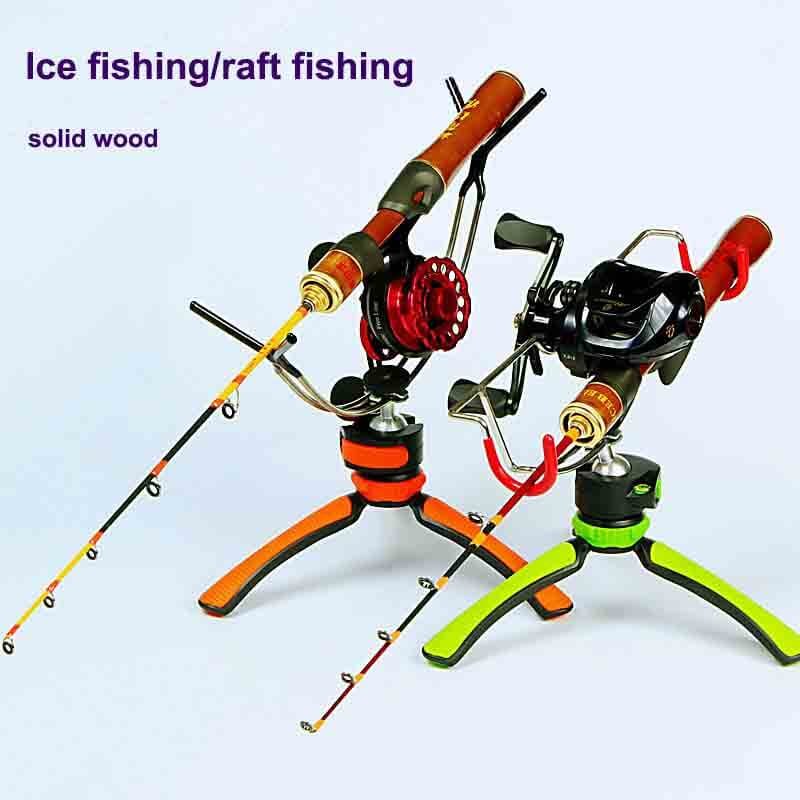
Why This Guide Is Different (And Worth Your Time)
Let’s be honest. You’ve read the lists. “Top 5 Best Ice Fishing Reels of 2025!” They’re everywhere. But as a shop owner, a distributor, or a serious angler making bulk purchases, you’re left with more questions than answers. Why does one best ice fishing reels cost $20 and another $200? What are you actually paying for beyond the brand name? Most content is written from a reviewer’s or a consumer’s point of view, focusing on features at the point of sale.
This guide flips the script. I’m writing from the other side of the factory floor. For nearly two decades at Havenseek Tackle, my job hasn’t been to sell you a reel; it’s been to build the right reel, to specify its every component, and to ensure it survives brutal winters so that our partners—anglers and businesses like yours—don’t get let down. Sourcing the best ice fishing reels isn’t about finding the single top product; it’s about finding the optimal match for your specific market, customer base, and budget. It’s about understanding the cost drivers, the engineering compromises, and the quality markers that separate a seasonal best-seller from a warranty nightmare.
By the end of this deep dive, you’ll be able to read a spec sheet like a pro, ask factories the right questions, and build a product lineup that maximizes your margins and customer satisfaction. This isn’t just another review; it’s a procurement masterclass. That’s why it’s worth your next 15 minutes.
The Anatomy of Excellence: What Really Makes a Best Ice Fishing Reels
To source effectively, you must first understand what you’re sourcing. The “best” ice fishing reel is a symphony of materials and design choices, each with cost and performance implications.
Core Design Philosophy: The Lightweight vs. Durability Trade-Off
Every reel design starts with a fundamental question: prioritize featherweight finesse or bomb-proof durability? The answer dictates everything.
- Housing Materials: The Great Debate. You’ll see claims of “all-metal” versus “composite.”
- High-Strength Composites (e.g., CNC-machined graphite/glass-reinforced nylon): This is the secret of most high-end ice fishing spinning reels. Why? It’s lighter, provides excellent thermal insulation (your fingers thank you), and dampens vibration for a smoother feel. Modern engineering polymers are incredibly strong and allow for more complex, sealed designs at a lower cost than machining metal.
- Aluminum/Metal Housings: Often found on heavier-duty or older designs. They feel solid and are highly durable against impacts but are heavier, colder to the touch, and more expensive to machine. For a specialized best ice fishing reels for walleye where sensitivity is key, a well-designed composite is often superior.
- Internal Gears: The Heart of the Machine.
- Stainless Steel: The premium choice for best ice fishing reels. It offers superior strength, corrosion resistance, and maintains smoothness in cold, wet environments. This is non-negotiable for reels targeting large pike or lake trout.
- Hardened Brass: A good, cost-effective compromise found in many mid-range models. It’s durable and machines well but is heavier and can corrode more easily than stainless if seals fail.
- Zinc-Aluminum Alloys: Used in budget models. They save significant cost but are the first point of failure under heavy load or consistent use.
- Spindle & Bearing Precision: Smoothness isn’t magic; it’s micron-level precision. A high-precision, polished stainless steel spindle running on multiple shielded or sealed bearings (even just 3+1 well-made ones) will feel better than a reel with 10+ cheap, unshielded bearings full of gritty grease. The tolerance against lateral play is critical when ice debris gets inside.
Cross-section diagram of a high-quality best ice fishing reels showing composite body, stainless steel main gear, sealed bearings, and cold-weather grease reservoirs.
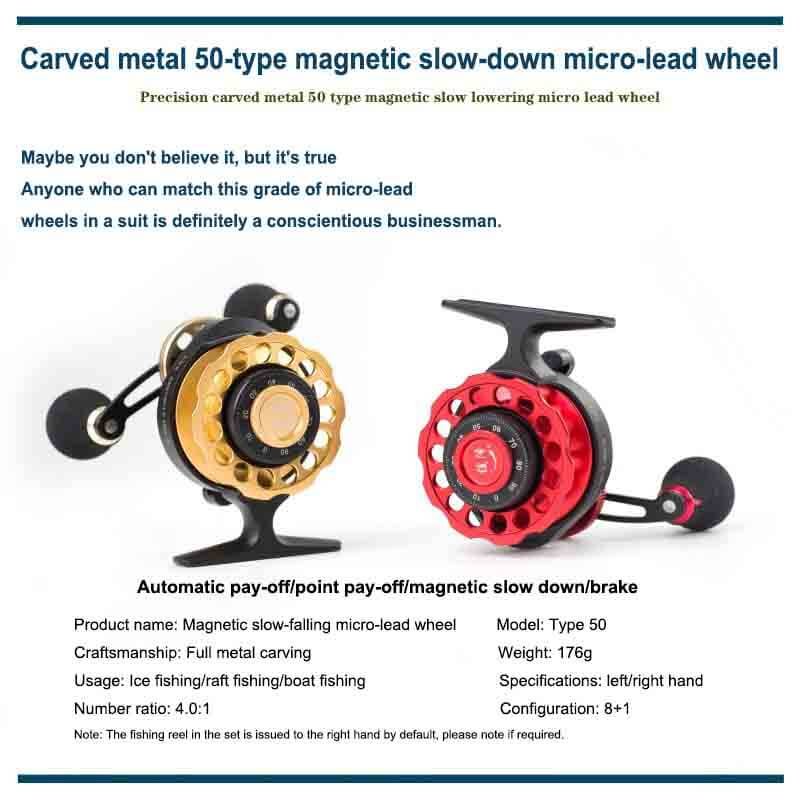
Cold-Weather Engineering: The Devil in the Details
This is where a true best ice fishing reels separates itself. It’s not about features you see; it’s about treatments you don’t.
- Grease & Oil Formulations: Standard reel lubricants turn to thick paste below freezing. Reels designed as the best for ice fishing use hydrophobic, lithium-based, or synthetic greases that maintain viscosity down to -20°F/-30°C or lower. This is the first question to ask a factory: “What is the low-temperature specification of your default lubricant?”
- Anti-Reverse Switch Sealing: This is the #1 failure point. A tiny bit of moisture here freezes, and the switch becomes useless. The solution is a high-quality, pliable O-ring or a silicone gasket around the switch shaft. Inspect this closely in samples.
- Spool Drainage Holes: Simple yet vital. Multiple small holes at the spool base allow meltwater to escape quickly, preventing an ice block from forming around your arbor. More and larger holes are generally better.
Beyond the Spec Sheet: Key Components Under a Factory Microscope
Let’s move from design to critical components. Understanding these will make your factory communications and quality checks infinitely more effective.
The Drag System: The Cost of Silence and Smoothness
A drag that chatters under pressure can cost you a trophy fish. The quality and material of the drag washers are paramount.
| Drag Washer Type | Typical Location | Performance & Feel | Cost & Use Case |
|---|---|---|---|
| Carbon Fiber | Multi-disc, stacked system | Excellent. Buttery smooth, highly consistent, dissipates heat well. Handles sudden runs perfectly. | High. Used in premium ice fishing spinning reels meant for large, powerful fish. |
| Multi-Material (e.g., felt/cork) | Single or multiple discs | Very Good to Good. Provides a smooth, reliable drag. The classic, proven choice for most mid-range reels. | Medium. The workhorse for general walleye, perch, and trout fishing. |
| Simple Felt/Washer | Single disc | Basic. Can be grabby or inconsistent, especially when cold or wet. Prone to wear. | Low. Found on entry-level models. A clear indicator of cost-cutting. |
Front vs. Rear Drag: From a sourcing perspective, front drag systems are generally more complex to assemble (more parts) but offer finer, more direct adjustment and are easier to fully seal against water ingress. Rear drags are simpler and can be more intuitive for beginners but may have more play in the adjustment mechanism.
Gear Ratio & Retrieval: Matching Specs to Real Ice Fishing
Don’t be seduced by high “speed” numbers like 6.2:1. In ice fishing, you’re working in a vertical column of water, not casting and retrieving long distances.
- The “Goldilocks” Ratio: For most ice fishing applications, a gear ratio between 4.1:1 and 5.2:1 is ideal. It provides enough speed to quickly take up slack but retains ample torque to handle a surging fish and the added resistance of a wet, heavy line.
- The High-Speed Myth: A super-high-speed reel (e.g., 6.0:1+) often sacrifices torque. It’s overkill for jigging and can make fighting a big fish more difficult, as you’ll be winding furiously with less mechanical advantage. It’s a solution looking for a problem in this niche.
Line Capacity: Understanding “Industry Standard” Labeling
Here’s a factory secret: the line capacity on the box is almost always wrong. Factories test with a specific, often thin, brand of monofilament under perfect, level-wind conditions.
- The Reality: With thicker premium ice line (like 4-6 lb fluorocarbon or braid) and imperfect spooling, you’ll typically achieve 70-80% of the stated capacity. This matters for species like lake trout where you may need 150+ yards of backing.
- Procurement Action: When evaluating samples or factory specs, ask for a detailed capacity chart. A reputable supplier can provide data for 2lb, 4lb, 6lb, and 8lb test lines. This shows professionalism and gives you real-world data for your product listings.
Side-by-side comparison of three different ice fishing reel spools filled with different line types (mono, fluoro, braid) to visually demonstrate capacity differences.
The Buyer’s Blueprint: Matching Reels to Market & Customer Profile
Now, let’s apply this knowledge to build your winning product lineup.
Market Segmentation: “Best” Means Different Things in Different Regions
- North American Great Lakes & Canada: The market is diverse. For walleye and perch, anglers prioritize lightweight, sensitive reels with smooth drags (4-8 lb line class). In the Lake Trout or Pike belt, durability, a sealed drag, and higher line capacity (10-20 lb class) are key for the best ice fishing reels. Fast hand-retrieve features are popular here.
- Scandinavia & Northern Europe: Fishing for pike, zander, and large perch through thicker ice is common. There’s a strong preference for robust, often larger-capacity reels with powerful drags. Ergonomic handles for use with gloved hands are a valued feature.
- Asia (e.g., Hokkaido, Korea): The focus is often on finesse fishing for smelt and smaller species. Ultra-lightweight, compact reels with extremely smooth actions are prized. Aesthetic design and brand prestige can carry more weight.
Building Your Product Matrix: The “Good-Better-Best” Strategy
Don’t source just one reel. Source a system. Here’s a proven framework:
- Entry-Level / Budget Tier (“The Reliable Workhorse”):
- Target Customer: First-time ice anglers, casual users, rental fleets, or as a combo package reel.
- Sourcing Specs: Focus on core durability. A composite body, sealed anti-reverse bearing (this is critical!), and a basic but functional multi-disc drag. Acceptable: brass gears, fewer bearings. Prioritize suppliers with a reputation for consistent quality control at high volume.
- Goal: Zero-defect reliability at the lowest possible cost. This is your volume driver.
- Mid-Range / Value Tier (“The Sweet Spot”):
- Target Customer: The serious enthusiast, the guide who needs backup gear, the angler who fishes 20+ days a season. This is your best ice fishing reels for the money category.
- Sourcing Specs: Full cold-weather package: proper cold-grade lubricant, sealed drag system, drainage holes, stainless steel main gear, and at least 3+1 sealed bearings. A comfortable, oversized handle is a must. The body should feel solid and well-finished.
- Goal: Deliver 90% of the performance of the flagship at 50-60% of the price. This builds brand loyalty and reputation.
- High-End / Flagship Tier (“The Showpiece”):
- Target Customer: The professional guide, the tournament angler, the brand loyalist seeking the best.
- Sourcing Specs: No compromises. All stainless steel or high-grade aluminum internal components, carbon fiber drag, ultra-precise machining for buttery smoothness, advanced sealing (e.g., double-lipped seals), and premium materials like cork or EVA knobs. Weight optimization is key.
- Goal: Establish your brand’s technical prowess. It may not be the biggest seller, but it validates the quality of your entire lineup.
Supplier “Soft Skills” Most Buyers Overlook
- Mold Longevity & Parts Commonality: Ask: “How many shots can this mold produce before degrading?” A robust mold means consistent parts for years. Do they use common screws, bearings, or drag washers across models? This simplifies your future repair part inventory.
- Low-Temperature Testing Protocol: Do they just put a reel in a freezer overnight, or do they have a controlled environmental chamber where they cycle temperatures and test function at -20°C? Ask for a summary of their testing procedure—it tells you everything.
- Packaging & Documentation: Can they provide ready-to-sell retail packaging? Do they include multi-language manuals? Poor packaging can destroy a good product’s perceived value before it even hits the shelf.
A Pragmatic Sourcing Comparison for 2025/2026
Let’s put theory into practice with a hypothetical sourcing analysis. Note: The following are composite categories based on industry standards, not specific branded models.
Side-by-Side Sourcing Analysis
| Category | Model Focus | Key Sourcing Specs & Why They Matter | Target End-User | Est. FOB Price Range (Guide) | Havenseek’s Verdict for Buyers |
|---|---|---|---|---|---|
| Budget Sealed | Cost-Effective Reliability | Full sealed anti-reverse; Basic composite body; 1+1 bearings; Felt drag. Focus is on preventing freeze-ups at minimum cost. | First-timers, gift buyers, combo deals. | $8 – $15 | Solid for volume. Don’t expect smoothness, but it should work. Prioritize suppliers with strong QA on the sealing. |
| Mid-Range All-Rounder | The Performance Value King | Cold-grade grease; Sealed drag; Stainless steel main gear; 3+1 sealed bearings; Good spool drainage. | The serious weekend angler, your core inventory. | $16 – $35 | The sourcing sweet spot. This is where you find the best ice fishing reels for most customers. Scrutinize the drag feel and handle ergonomics. |
| High-End Performance | Ultra-Smooth & Durable | All-stainless internals; Carbon fiber drag washers; High-modulus composite body; Double-sealed shafts; Precision machining. | Guides, tournament anglers, discerning enthusiasts. | $36 – $70+ | Builds brand reputation. The margin is better, but volumes are lower. Ensure the “premium feel” is immediately obvious to justify the price. |
Deep Dive: Three Model Categories for Your Catalog
1. The Economic Sealed Spinner: This is a best ice fishing reels only in the context of absolute budget constraints. Your sourcing goal is to avoid the truly bad. Insist on a physically sealed anti-reverse bearing—this is the hill to die on. The drag will be jerky, the retrieve won’t be silky, but it must not freeze solid after a day on the ice. Partner with a factory that specializes in high-volume, consistent production of simple goods.
2. The Mid-Range Multi-Species Performer: This category is your bread and butter. When sourcing, you must test the sample personally. Does the drag engage and disengage crisply? Does it sound smooth under load? Does the handle wobble? This reel should feel confident in hand. The factory should be able to articulate their cold-weather specs and have a track record of supplying other reputable brands (ask for references).
3. The Flagship Ultra-Light: Here, you’re paying for engineering and feel. The weight must be shockingly low. The retrieve must be flawless—no grinding, no ticking, just a silent, fluid spin. Sourcing this requires a factory with advanced CNC capabilities and a passion for detail. They will be more expensive and have higher minimum order quantities (MOQs), but the product will elevate your entire brand.
A clean, styled product shot of three different tier ice fishing reels (Budget, Mid-Range, High-End) on a frozen lake background with a fishing hole.
Conclusion & Final Sourcing Advice
Sourcing the best ice fishing reels is a strategic exercise in matching engineering to economics. The “best” reel for your business is not the one with the most features or the highest price; it’s the one that most precisely solves your target customer’s problems at a price point they accept and a margin that sustains your growth.
Remember: Knowledge is your leverage. Walk into a factory meeting speaking the language of cold-grade grease, stainless steel pinion gears, and spool drainage. Ask for their low-temperature test reports. Request tear-down samples of their competitors’ reels. This shifts the relationship from buyer-vendor to expert-partner.
Ultimately, your success hinges on the quality and reliability of the products you bring to market. A well-sourced reel earns customer trust, generates repeat business, and builds your brand’s legacy on the ice.
Ready to Translate This Knowledge into a Tailored Product Lineup?
At Havenseek Tackle, we don’t just sell reels; we partner with you to develop and source the optimal products for your market. Request a free, no-obligation sourcing consultation and prototype sample match to your specific needs. Let’s discuss your target price points, volume, and regional requirements to build your winning ice fishing program.Get Your Free Sourcing Consultation & Sample Match
FAQ: Sourcing & Using the Best Ice Fishing Reels
What is the single most important feature in a good ice fishing reel?
A reliable, sealed anti-reverse mechanism. If moisture gets in and freezes, the reel becomes useless. All other features are secondary to this basic function in a freezing environment.
Are more bearings always better in an ice fishing reel?
No, quality trumps quantity. Three well-shielded, properly greased bearings are far superior to ten unshielded, cheap bearings that will freeze or corrode. Look for “sealed” or “shielded” bearings in the spec list.
What should I prioritize when sourcing reels for a retail shop in a very cold climate?
Focus on the full cold-weather package: verified low-temperature grease, effective spool drainage holes, and robust sealing around all moving parts (drag knob, anti-reverse switch, handle shaft). The factory’s testing protocol for extreme cold is your key due diligence.
Front drag or rear drag for ice fishing?
For sourcing, front drag systems are generally preferable. They are easier to fully seal against water ingress, offer more precise adjustment, and are the standard on most mid-to-high-end ice reels. Rear drags are simpler and cheaper to manufacture but can be more vulnerable.
How can I verify a factory’s quality claims without visiting in person?
1. Request pre-production samples for rigorous testing (freeze them, get them wet, use them hard).
2. Ask for detailed tear-down photos or videos of their reel vs. a competitor’s.
3. Require a certificate of compliance for their lubricant’s low-temperature specs.
4. Ask for references from other long-term buyers in your region.
What’s a realistic minimum order quantity (MOQ) for a custom ice fishing reel?
For a custom color or logo on an existing model, MOQs can be as low as 500-1,000 pieces. For a fully custom design with new tooling, expect 5,000-10,000 pieces minimum per model/size to make it viable for the factory.
Is a metal body always better than a composite body?
Not necessarily. High-quality composites are lighter, provide better thermal insulation for your hands, dampen vibration, and allow for more cost-effective, complex sealed designs. Metal is heavier, colder, and more expensive but offers supreme impact strength. For most ice fishing, advanced composites are the superior choice.
How important is gear ratio in ice fishing?
Important, but often misunderstood. A moderate ratio (4.1:1 to 5.2:1) is ideal for 90% of ice fishing. It provides the perfect balance of retrieval speed and cranking power. Ultra-high-speed reels (6.0:1+) sacrifice torque and are often a marketing gimmick for this vertical application.
What are the hidden costs when sourcing from a new factory?
Beyond unit cost, consider: Tooling amortization fees, sample costs, international shipping for samples, potential import duties, the cost of multiple quality inspections, and the financial risk of delayed or substandard shipments. Always factor in a contingency for quality-related issues.
Can I use a summer spinning reel for ice fishing?
You can, but you shouldn’t for regular use. Summer reels use standard grease that stiffens, lack proper sealing, and their larger line capacities and lower gear ratios are inefficient for ice fishing. They will fail faster and perform worse than a purpose-built ice fishing spinning reel.
References & Further Reading:
1. “The Materials Science of Modern Fishing Reels” – Sport Fishing Tech Review
https://www.sportfishingmag.com/editorial/sport-fishing-technology-materials/
2. “Global Cold-Weather Gear Market Analysis: Trends in Outdoor Sports” – Outdoor Industry Association
https://outdoorindustry.org/resource/2025-outdoor-participation-trends-report/
3. “Understanding Drag Systems: From Washers to Wet Fish” – In-Fisherman
https://www.in-fisherman.com/editorial/understanding-fishing-reel-drag-systems/160520