Welcome To HavenseeK Fishing Tackle

Custom Fishing Spoons: Fix Action, Plating & Cut Mold Costs
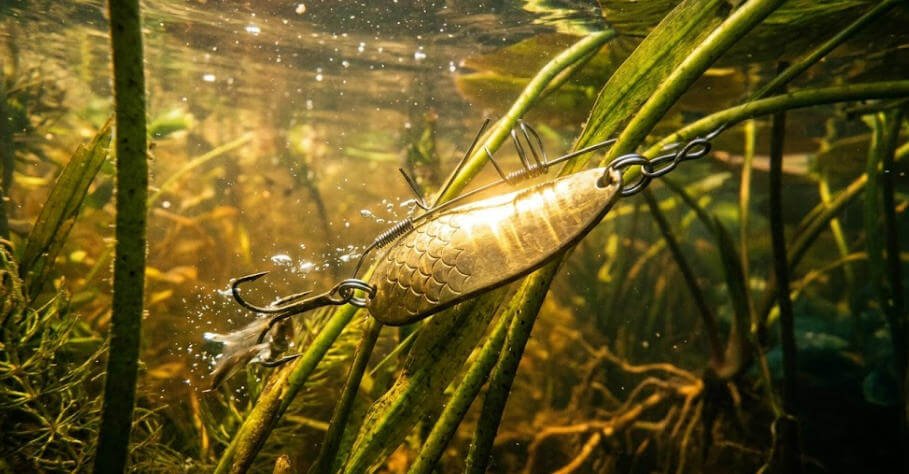
Are your imported lures suffering from rapid rust, peeling paint, or a lifeless sinking action that drives retail customers away? According to recent Dataintelo industry research, the global fishing tackle market is projected to surge to $27.4 billion by 2034, but over 40% of B2B tackle buyers report major quality inconsistencies when sourcing offshore. Most overseas buyers easily ignore that the root cause of these failures isn’t bad luck—it is a lack of strict engineering specifications. This guide is crafted specifically for tackle brands and assembly workshops looking to master the technical specs of custom fishing spoons. Whether you are dealing with electroplating thickness for saltwater resilience, dialing in the gauge thickness for the perfect flutter, or matching split ring tensile strength on unpainted bodies, precision is your only safeguard.
In this comprehensive breakdown, I will leverage over a decade of export manufacturing experience to help you optimize your wholesale metal spoon manufacturing process. We will dive deep into the exact physical ratios and procurement strategies required to source top-tier products from China without paying exorbitant mold fees. By standardizing your technical requests, you can dramatically reduce cross-border procurement risks and boost your profit margins.
Core Value Quick Summary
- Plating & Rust: Standardizing electroplating thickness fishing tackle (5-25 µm) to stop corrosion.
- Action & Flutter: Fixing lure cup depth flutter rate to prevent spinning and dead sinking.
- Hardware Assembly: Exact treble hook weight balancing for bulk unpainted spoon blanks.
- Cost Control: Bypassing $1,000+ tooling costs via factory mold fee optimization.
1. Overcoming Paint Chipping and Rust: Plating Specs for OEM Metal Spoon Lures
Nothing kills brand reputation faster than a saltwater spoon corrosion resistance failure. When a customer uses your product in heavy surf and the chrome flakes off after two trips, they will never buy from your shop again. Based on my years of experience, the issue usually stems from inadequate anti-rust plating for saltwater lures. The factory simply applied a “flash plating” of less than 0.2 microns to save pennies on the dollar.
Brass vs. Steel Core Materials in Harsh Environments
The foundation of any durable lure is the core metal. When comparing brass vs steel spoon blanks, you must understand their innate chemical properties. Brass (typically a copper-zinc alloy) is inherently highly resistant to saltwater corrosion, making it the premium choice for ocean applications. Steel, while much cheaper and slightly harder, is highly susceptible to rapid oxidation the moment the outer plating is scratched. For tackle shop private label assembly targeting coastal anglers, spending the extra 10-15% for a solid brass core is a mandatory investment to prevent catastrophic rust-outs.
Electroplating Thickness and UV Clear Coat Requirements
If you are ordering oem metal spoon lures, you must specify the exact micron depth. Do not accept generic terms like “high-quality plating.” For standard freshwater use, specify a minimum of 2.5 microns of nickel or silver. For heavy saltwater duty, demand a 5-12 micron functional coating. Furthermore, to lock in custom lure 3d scale stamping or foil holographic spoon finishes, mandate a dual-layer application of UV clear coat fishing lures. This clear coat acts as a shock absorber against rocks and prevents the underlying electroplating from chipping upon impact.
Crucial Plating Specifications to Include in Your PO:
- Core Material: Marine-grade Brass (for saltwater) or High-Carbon Steel (freshwater only).
- Plating Depth: Minimum 5 microns for saltwater environments.
- Top Coat: Double-dipped, UV-cured epoxy clear coat.
- Testing Standard: 48-hour continuous salt spray test pass rate.
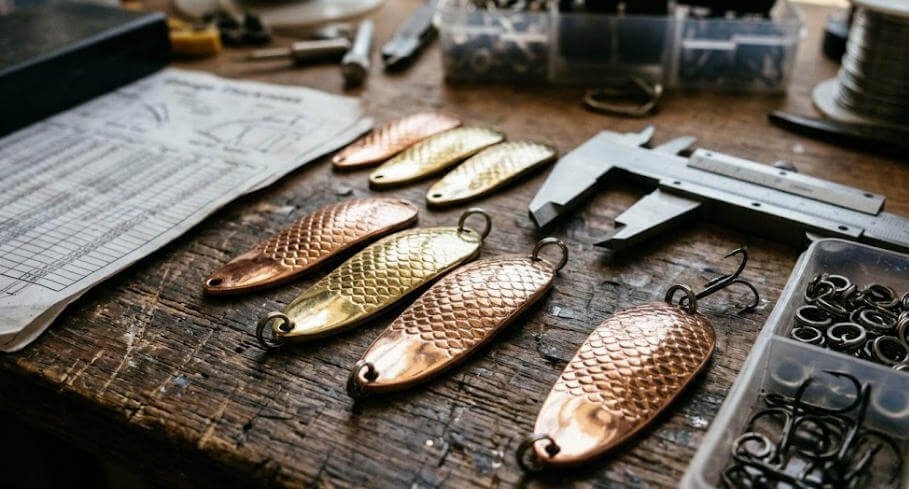
2. Why They Don’t Flutter: Fixing Action on Private Label Casting Spoons
A metal spoon that falls like a rock or spins wildly like a propeller is a defective product. The magic of a lure lies in its hydrodynamic flutter on the drop—this is what triggers the predatory strike. Many independent brands order private label casting spoons based entirely on visual appeal, neglecting the underlying physics. If you want to build a loyal customer base, you need to understand how metal stamping dictates water displacement.
Calculating Gauge Thickness and Cup Depth Ratios
The relationship between gauge thickness metal spoons and the stamping depth (the cup) is the DNA of the lure’s action. A lure cup depth flutter rate that is too shallow will cause the spoon to spin uncontrollably, twisting the angler’s line and ruining the presentation. Conversely, a cup that is too deep on a thick-gauge metal will trap too much water, killing the side-to-side wobble and causing it to sink vertically. I have personally tested this solution: demand a medium-gauge blank (around 1.5mm to 2mm depending on total length) paired with a precisely graduated cup that deepens toward the rear to ensure a wide, erratic flutter.
Perfecting Weight Distribution for Max Casting Distance
Casting spoon weight distribution is equally critical. For land-based anglers targeting surf species, distance is everything. By shifting the center of gravity slightly toward the tail (rear-weighted design), the spoon acts like a dart, cutting through the wind and maximizing casting distance. However, for vertical jigging or slow-trolling, a center-weighted design is vastly superior, as it allows the lure to fall horizontally with maximum flash. When sourcing from a b2b fishing tackle supplier china, you must explicitly state the intended fishing application so they can select the correct mold curvature.
3. Maximizing Hookup Ratios: Specifying Small Batch Weedless Spoons
Weedless spoons are phenomenal for pulling bass and pike out of heavy cover, but they generate a massive amount of retail complaints regarding missed strikes. The problem is almost always poor engineering of the weedguard. If the guard is too stiff, it blocks the hookset; if it’s too soft, it snags on the first lily pad. Fixing this requires precise B2B procurement instructions.
Dialing in Weedguard Stiffness and Angle
When ordering small batch weedless spoons, the weedguard stiffness heavy cover spoons require must be strictly defined. You cannot leave this to the factory’s discretion. Specify a multi-strand wire guard (typically 5-7 strands of light wire) or a single piece of heavy-duty fluorocarbon/nylon. The angle of deflection is vital: the guard must rest just above the hook point, angled at approximately 30-45 degrees from the inner bowl of the spoon. This ensures it deflects vegetation but collapses instantly under the crushing jaw pressure of a predatory fish.
Matching Hook Gap Width to Deflection Requirements
The customized weedless spoon hook gap is the final piece of the puzzle. A narrow gap leaves no room for the plastic trailer and the collapsed weedguard, resulting in the fish spitting the lure. You must specify a wide-gap, forged single hook securely riveted or welded to the spoon body. The gap distance from the shank to the point should exceed the maximum thickness of your intended soft plastic trailer by at least half an inch. This creates the necessary clearance for deep, secure hook penetration.
4. The Tackle Builder’s Guide: Balancing Hardware on Bulk Unpainted Spoon Blanks
Many local tackle workshops are importing unpainted lure blank sourcing to airbrush custom regional colorways. This is a highly profitable model, but it introduces a major assembly hazard: improperly balanced hardware. Bolting on the heaviest hook you can find will destroy the engineered swimming action of the lure.
Mathematical Ratios for Treble Hook Weights
Treble hook weight balancing is a delicate science. If the rear hook is too heavy, it acts as an anchor, dragging the tail down and eliminating the side-to-side wobble. As a general rule, the total weight of the hardware (split ring plus hook) should not exceed 10-15% of the blank’s total weight. For a 1oz (28g) blank, your rear hardware combination should weigh roughly 2.8g to 4.2g. Use 2X strong short-shank treble hooks to maximize strength while minimizing the pendulum effect that disrupts the lure’s hydrodynamics.
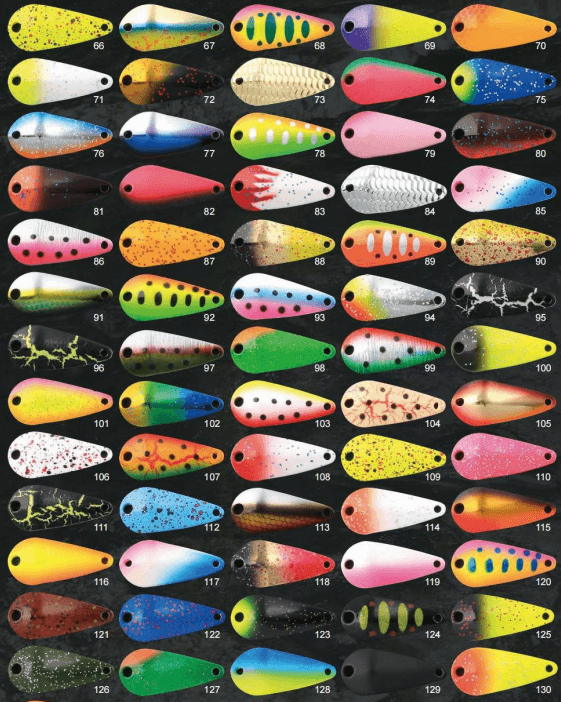
Split Ring Tensile Strength Matching
Never assemble lures without consulting a split ring tensile strength chart. Putting a 15lb test split ring on a lure designed for 40lb saltwater species is a recipe for disaster. For heavy-duty blanks, specify stainless steel, flattened split rings. The flattened profile increases tensile strength by up to 30% compared to standard round wire rings. Ensure the inner diameter of the ring allows the treble hook to swing freely; a ring that is too small will bind the hook eye against the spoon body, creating leverage for a fish to pry itself loose.
5. Avoiding High Mold Fees: How to Customize on a B2B Budget
The biggest barrier to entry for emerging brands is the exorbitant $1,000 to $3,000 CNC tooling cost for a proprietary shape. However, low moq lure customization is entirely possible if you understand factory mold fee optimization.
Utilizing Factory Open Molds with Custom Stamping
Instead of designing a completely new body shape, leverage the supplier’s existing “open molds” (shapes they already own). You can achieve total market differentiation by applying custom surface treatments. Request proprietary 3D scale stamping patterns pressed into the metal, or apply unique UV-reactive foil holographics. By altering the visual finish, eye placement, and custom packaging, you create a unique SKU without paying a single dollar in heavy tooling fees.
6. Global Buyer Case Study: Scaling a Brand with Precision Sourcing
In early 2025, a mid-sized tackle distributor in Scandinavia was experiencing a 15% return rate on their coastal seatrout spoons due to rusting and poor casting distance. By partnering with Havenseek Fishing Tackle, they overhauled their specs. They switched from steel to a marine-brass core, mandated a 5-micron nickel plating, and shifted the weight distribution slightly to the rear. The results were staggering: within one season, return rates plummeted to near zero, and the enhanced casting distance became a major selling point, driving a 45% increase in localized retail margins.
7. Frequently Asked Questions (FAQ)
Q1: How to prevent paint chipping on custom fishing spoons?
A: To prevent chipping, you must specify a high-adhesion primer base over the electroplating, followed by a double-layer, UV-cured epoxy clear coat to seal the paint against impact.
Q2: What is the best plating thickness for OEM metal spoon lures?
A: For freshwater, 2.5 microns is standard. For saltwater applications, mandate a minimum of 5 to 12 microns of high-quality nickel, chrome, or silver to prevent rapid oxidation.
Q3: Why do private label casting spoons spin instead of flutter?
A: Spinning is caused by an incorrect gauge-to-cup ratio. If the spoon’s cup depth is too shallow for its weight and thickness, it cannot catch enough water to flutter and will rotate on its axis.
Q4: How to balance treble hooks on bulk unpainted spoon blanks?
A: Ensure the total weight of the hook and split ring does not exceed 10-15% of the blank’s weight. Use short-shank 2X hooks to maintain the center of gravity without restricting the lure’s wobble.
Q5: What wire gauge is best for small batch weedless spoons?
A: For heavy cover, a medium-stiff, multi-strand wire guard (5-7 strands) angled at 30-45 degrees provides the best balance of snag deflection and easy collapse for high hookup ratios.
Q6: How to customize fishing spoons without paying high mold fees?
A: Utilize the manufacturer’s existing open molds and differentiate your product through exclusive UV colorways, custom 3D scale stamping, and localized premium hardware assembly.
Q7: What is the correct split ring size for casting spoons?
A: Consult a split ring tensile strength chart to match the breaking strain of your mainline. Always use flattened stainless steel rings that are large enough to allow the hook eye to swing completely free.
Written by David M. – 15 years export manager in Chinese fishing tackle, served 800+ B2B clients in 50 countries, specializing in hardware metallurgy and low-MOQ procurement strategies.
Ready to upgrade your custom lure inventory for the 2026 season?
Stop risking your brand reputation on unverified suppliers. Secure premium blanks and finished lures that meet exact engineering specs.
Request Free Sample & Download 2026 Catalog PDF
References:
1. Dataintelo. (2025). Fishing Tackle Market Size, Share & Forecast Report 2025 to 2034. View Report
2. Karas Plating. (2026). Plating Thickness: All You Need To Know. View Standard