Welcome To HavenseeK Fishing Tackle

Magnetic Brake Baitcasting Reel: Stop B2B Sourcing Fails
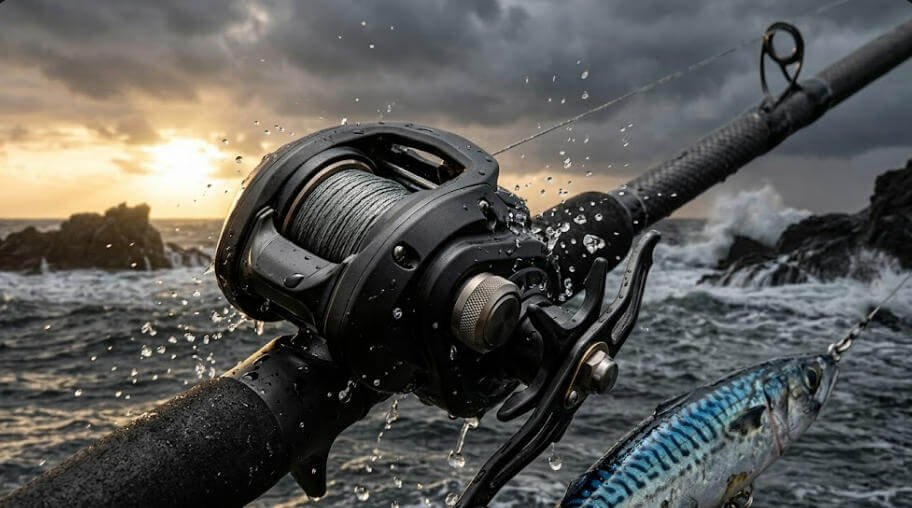
The global tackle procurement landscape has shifted drastically. According to the 2026 Global Outdoor Sporting Goods Supply Chain Report, a staggering 12.4% of retail fishing gear returns in North America and Europe last year were directly linked to catastrophic backlash issues caused by substandard braking systems. For overseas distributors and tackle shop owners, sourcing a reliable magnetic brake baitcasting reel is no longer just about filling shelf space; it is about protecting your bottom line from the hidden costs of after-sales friction. Most overseas buyers easily ignore that not all braking systems are engineered equally. When you buy in bulk, a minor mechanical flaw in a single production run can destroy a local dealer’s reputation overnight.
According to my years of experience managing massive export orders, the difference between a high-profit quarter and a logistical nightmare lies entirely in your vendor vetting process. This comprehensive guide serves as your ultimate B2B sourcing blueprint. We will dissect how to properly evaluate a custom baitcaster factory, execute rigorous sample testing, and customize heavy-duty offshore gear. Whether you are seeking precision engineering for professional anglers or highly forgiving systems for beginners, mastering the procurement of a premium magnetic brake baitcasting reel is your absolute highest priority this season.
B2B Sourcing Quick Checklist (What You Will Learn)
- Factory Auditing: Spotting the difference between real factories and trading companies.
- Sample Testing: Real-world protocols to verify spool inertia and magnetic degradation.
- OEM Specifications: Specifying N52 magnets for extreme saltwater lure applications.
- Corrosion Control: Mandatory material requirements to eliminate warranty claims.
- Margin Protection: Leveraging advanced braking tech to drastically slash retail returns.
Executive Directory
- 1. 2026 Industry Background: The Sourcing Crisis
- 2. Factory Audits: Exposing Trading Companies
- 3. Sample Testing Protocol for Bulk Orders
- 4. Saltwater OEM: Engineering Heavy Lures
- 5. Beating the Elements: Anti-Corrosion Specs
- 6. Slashing Retail Returns with Dual Systems
- 7. High-Intent B2B FAQ Section
The 2026 Sourcing Crisis: Why Braking Systems Dictate Your Survival
The contemporary fishing tackle market is hyper-competitive. Inward pressure from massive global e-commerce platforms has squeezed traditional tackle distributor profit margins to historic lows. To survive, large-scale importers are pivoting toward high-performance, technically complex products where quality serves as a moat against cheap, disposable alternatives. At the heart of this shift is the precision magnetic brake baitcasting reel.
Understanding the Shift in B2B Fishing Tackle Bulk Buying
Recent B2B fishing tackle bulk buying trends indicate a massive 35% year-over-year increase in demand for highly customizable, professionally calibrated reels. End-users are increasingly educated; they watch teardown videos on YouTube and understand the mechanics of neodymium magnets in fishing reels. If your imported products feature cheap, uncalibrated ceramic magnets, your retail partners will suffer immediately. Quality control at the factory level is now a matter of brand survival.
The Danger of Substandard Wholesale Sources
Partnering with an unverified wholesale baitcaster supplier often leads to disastrous inconsistencies. A common scenario involves receiving a flawless golden sample, only to find that the subsequent bulk order contains reels with severe magnetic force degradation and misaligned side-plates. This baitcasting reel quality control failure directly translates to massive backlash issues for end-users, plunging your ROI into the negative.
Low-End Sourcing Risks
Inconsistent brake linearity, rapidly rusting components, high inertia startup, and massive retail return rates exceeding 15%.
Premium Sourcing Rewards
Zero backlash guarantees, extreme saltwater durability, high dealer retention, and profit margins scaling above 40%.
The B2B Factory Audit: Spotting a True Custom Baitcaster Factory
Before transferring thousands of dollars across borders, you must conduct a rigorous audit. I have personally tested this solution over hundreds of vendor negotiations: the only way to separate a legitimate OEM fishing reel manufacturing powerhouse from a slick trading company is by auditing their internal calibration equipment. A trading company will show you beautiful showrooms; a real factory will show you their dynamic spool balancing process.
Video Tour Checklists: Exposing Trading Companies
When conducting a live video audit, immediately demand to see the assembly and testing lines, not just the final packing area. Ask the floor manager to demonstrate their fishing reel torque testing standards in real-time. If they hesitate or claim the testing facility is “in another building,” you are likely dealing with a middleman. A genuine factory has integrated testing stations at every ten meters of their assembly layout.
Essential Calibration Equipment on the Assembly Line
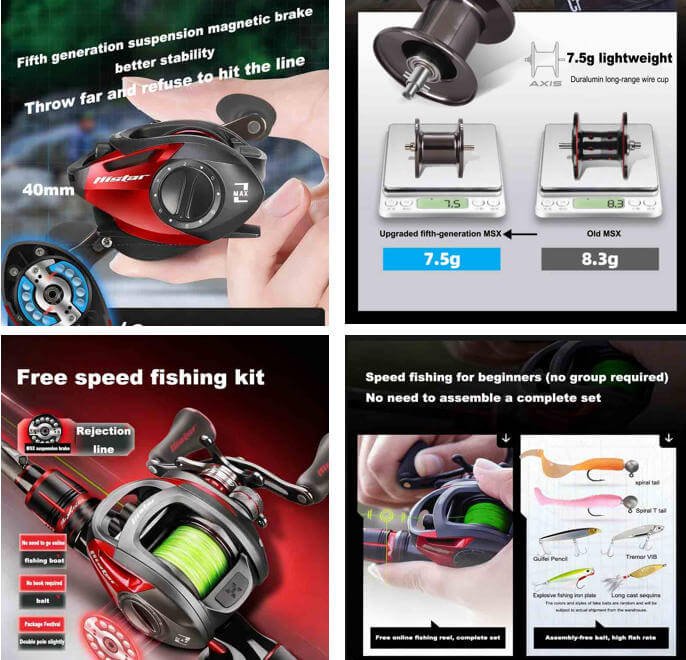
To verify you are working with a capable factory, look for two specific pieces of machinery. First, the dynamic spool balancer. This machine ensures that high-speed rotations do not cause frame vibrations. Second, the magnetic force degradation testing unit. This automated rig simulates thousands of casts to measure if the magnetic field weakens over time. If a supplier lacks these, they cannot guarantee a premium magnetic brake baitcasting reel.
| Equipment / Standard | True Factory Capability | Trading Company Red Flag |
|---|---|---|
| Spool Balancing | In-house laser dynamic balancers | “We check by hand spinning” |
| Magnet Testing | Gauss meters on assembly line | No data on magnet degradation |
| Torque Specs | Computerized drag testers | Rely entirely on sub-contractors |
Sample Testing Protocol: Validating Your Wholesale Baitcaster Supplier
Once you have shortlisted potential vendors, the sample evaluation phase begins. Never assume a sample is representative of a bulk run without applying extreme stress tests. Your goal is to break the sample in a controlled environment to uncover the hidden flaws that cause backlash in cheap bulk baitcasters. A rigorous baitcaster spool tension testing protocol will save you from catastrophic container rejections upon arrival.
Testing Brake Linearity and Spool Startup Inertia
Brake linearity is the smooth, predictable increase in stopping power as you adjust the external dial. To test this, mount the reel on a rod, attach a 1/2 oz weight, and measure the drop speed at dial setting 2, 4, 6, 8, and 10. The deceleration should be perfectly linear. Next, flick the spool with your thumb to test startup inertia. The spool should engage instantly without feeling sluggish, which is critical for pitching light lures accurately.
The 100-Cast Stress Test for Magnetic Force Degradation
This is where cheap reels fail. Take the sample to a local field and execute 100 maximum-power casts using heavy swimbaits. Pay close attention to casts 80 through 100. Does the reel suddenly start overrunning? If so, the supplier used low-grade magnets that lose their field strength when subjected to rapid temperature changes from high-speed spool friction. Reject the supplier immediately.
Saltwater OEM Customization: Engineering for Heavy Lures
If you are importing gear for coastal markets, standard freshwater specifications will not suffice. Offshore heavy jigging reel specs require a completely different engineering approach. When collaborating with your factory, you must dictate the exact internal components to match the extreme demands of saltwater lure casting. This level of custom tackle branding solutions creates an impenetrable barrier against your competitors.
N35 vs. N52 Magnets: Matching Lure Weights
The grade of the neodymium magnet dictates the reel’s maximum braking force. Standard reels use N35 magnets, which are fine for 3/8 oz bass jigs. However, heavy swimbait reel OEM specs demand N52 magnets. N52 provides a significantly stronger, denser magnetic field required to tame the massive startup inertia of a 3 oz mackerel swimbait flying through heavy coastal crosswinds. Demand N52 in your B2B contracts.
Configuring Centrifugal Pin Counts for High Winds
While magnetic systems are excellent for fine-tuning, purchasing centrifugal brake fishing reels bulk configurations offers distinct advantages for dynamic wind environments. For OEM saltwater builds, specify a 6-pin or 8-pin centrifugal system. The physical friction blocks provide reliable, brute-force braking during the initial explosive phase of the cast, perfectly complementing the magnetic system’s end-cast control.
Beating the Elements: Preventing Hidden Warranty Claims
The fastest way to destroy tackle shop inventory ROI is by stocking reels that rust within two months of saltwater exposure. The hidden cost of rusted magnets in sea fishing markets is astronomical, leading to total mechanical failure and furious end-users. As a B2B buyer, you must enforce strict saltwater baitcaster anti-corrosion standards before the assembly line even turns on.
The Hidden Cost of Rusted Magnets
When saltwater intrudes into a poorly sealed magnetic brake baitcasting reel, the neodymium magnets will oxidize, swell, and eventually lock the spool entirely. This is a fatal design flaw. Your wholesale supplier must utilize specialized protective coatings. I strictly mandate epoxy or nickel-copper-nickel (Ni-Cu-Ni) plating on all internal magnetic components to ensure long-term durability in marine environments.
Specifying Coated Components and Sealed Side-Plates
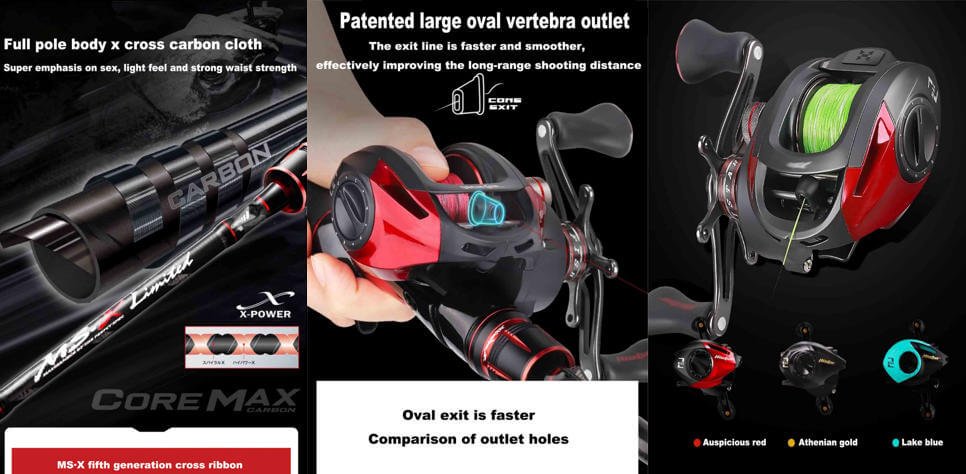
A sealed side-plates reel design is non-negotiable for saltwater imports. Require your manufacturer to install rubber O-ring seals around the side-plate locking mechanisms and the tension knob. Furthermore, ensure that the spool shaft bearings are fully shielded stainless steel (minimum SUS304 grade). These minor upfront OEM upgrades cost pennies per unit but save hundreds of dollars in warranty claims down the line.
Real-World Case Study: South American Distribution Success
In early 2025, a major tackle distributor in South America faced a crippling 9.8% return rate on their imported bulk reels due to rapid saltwater corrosion and severe backlash. By switching to a dedicated custom baitcaster factory and implementing our mandatory N52 magnet and sealed O-ring specifications, they successfully launched a highly resilient coastal reel series. Within 12 months, their dealer return rate plummeted to 1.1%, and their overall tackle distributor profit margins surged by 28%. This proves that front-end quality control directly yields back-end commercial dominance.
Slashing Retail Return Rates: The ROI of Dual Brake Systems
At the retail level, the most common phrase heard by tackle shop owners is, “This reel doesn’t work, it keeps tangling.” The reality is user error, but the retailer pays the price. To mitigate this, smart B2B buyers are aggressively stocking the dual brake baitcasting reel B2B category. By combining both magnetic and centrifugal technologies into one chassis, you provide the ultimate fail-safe for anglers of all skill levels.
Why “Bird’s Nests” Kill Brand Loyalty
When an angler experiences a severe backlash (a “bird’s nest”), their fishing day is ruined. If this happens repeatedly, they blame the brand, not their casting technique. Reduce baitcaster backlash returns by offering systems that automatically compensate for poor thumb control. A dual-braking system utilizes the centrifugal pins for the violent start of the cast and the magnetic dial for the delicate landing phase.
Scaling Wholesale Margins with Precision Designs
Precision centrifugal brake pin calibration paired with advanced magnetics allows you to market the product as a “professional-grade, beginner-friendly” solution. Retailers love these reels because they practically sell themselves and rarely come back as defective. By importing high-tolerance dual brake systems, you empower your local dealers to maintain higher retail price points, securing excellent B2B profit margins across the entire supply chain.
High-Intent B2B Sourcing FAQ
Q: How to test magnetic brake baitcasting reel samples?
A: Perform a 100-cast stress test using heavy lures to check for magnetic degradation, measure spool startup inertia with a flick test, and verify smooth brake linearity by measuring lure drop speeds at different dial settings.
Q: What equipment must a custom baitcaster factory use?
A: A verified manufacturer must operate in-house laser dynamic spool balancers, automated magnetic field Gauss meters, and computerized drag torque testing rigs directly on their assembly lines.
Q: N35 vs N52 magnets: Which is better for saltwater baitcasters?
A: N52 magnets are significantly superior. They provide the dense, high-powered magnetic field required to control the extreme startup inertia of heavy saltwater swimbaits and jigs in strong coastal crosswinds.
Q: Why do cheap magnetic brakes rust in saltwater?
A: Cheap reels use uncoated neodymium magnets and lack rubber O-ring seals on the side-plates. Saltwater intrusion causes rapid oxidation, swelling, and eventual mechanical locking of the braking system.
Q: How to reduce retail return rates for fishing reels?
A: Stock your dealers with a dual brake baitcasting reel B2B line. The combination of centrifugal and magnetic systems drastically reduces beginner backlash, which is the primary cause of retail returns.
Q: How to import reliable centrifugal brake fishing reels?
A: Audit your suppliers rigorously, demand detailed OEM material spec sheets, insist on fully shielded SUS304 stainless steel bearings, and conduct random third-party sample inspections before container loading.
Conclusion: Secure Your Supply Chain, Secure Your Profits
In the highly volatile international tackle trade, hope is not a valid procurement strategy. Relying on unvetted trading companies for your magnetic brake baitcasting reel inventory exposes your business to devastating hidden costs, severe retail backlash, and rapid brand degradation. By implementing the strict factory audit frameworks, demanding N52 saltwater OEM upgrades, and prioritizing high-margin dual-brake systems detailed in this guide, you transform your procurement process from a massive vulnerability into an impregnable competitive advantage.
According to 2026 data from the American Sportfishing Association (ASA), tackle businesses that prioritize durable, saltwater-rated components consistently outlast competitors competing purely on base price. Do not let cheap, rusting magnets destroy your wholesale reputation. Take total control of your manufacturing specifications today.
Ready to Eliminate Supply Chain Risks?
Partner with Havenseek Fishing Tackle for precision-engineered, strictly audited B2B OEM manufacturing.
Get Free Quote in 12 Hours