Welcome To HavenseeK Fishing Tackle

OEM Spinning Reels Manufacturer: Avoid B2B Fake Specs in 2026
Author Profile: Written by Marcus Lin – 15-Year Export Manager in Chinese Fishing Tackle. Marcus has successfully audited over 200 manufacturing lines and served 800+ B2B clients across 50 countries, specializing in offshore saltwater fishing gear and custom tooling development.
OEM Spinning Reels Manufacturer: The 2026 B2B Buyer’s Guide to Quality & Margins
Are you struggling to find a reliable OEM spinning reels manufacturer that actually delivers on its engineering promises? According to my years of experience, most overseas buyers easily ignore the hidden manufacturing flaws that ultimately ruin their brand reputation. The global tackle market is shifting rapidly as we move through 2026. Sourcing high-quality gear is no longer just about negotiating the lowest unit price in Asia. It requires a deep, uncompromising understanding of mechanical engineering and supply chain transparency.
When you partner with a top-tier factory, you unlock the ability to scale your operations efficiently. However, the B2B fishing tackle sourcing process is filled with dangerous traps. Factory spec sheets often exaggerate bearing counts and deliberately hide cheap die-cast gears. This comprehensive guide will transform how you evaluate any assembly line. We will expose the dark side of production and give you the exact technical tools to build a profitable offshore brand without falling into common procurement pitfalls.
Whether you want to launch high-margin private label fishing reels or import a massive container of reliable entry-level gear, this guide is your definitive blueprint. I have personally tested these exact verification methods across hundreds of factory floors. Let us dive deep into the ultimate QC checklist and tooling cost breakdown to secure your B2B investment today.
Quick Navigation: Executive Summary
- 1. 2026 Industry Background & Global Sourcing Trends
- 2. CNC Machining vs. Die-Casting: Eliminating Gear Tolerances
- 3. The “10+1 Bearing” Myth: A Buyer’s QC Checklist
- 4. Waterproof Drag Systems: Carbon Fiber vs. Felt Washers
- 5. Tooling Costs & ROI: The Financial Reality of Custom Molds
- 6. Merchandising Dynamics: Perfecting the Beginner Combo
- 7. Expert B2B Sourcing FAQ
2026 Industry Background & Global Sourcing Trends
The global demand for custom branded tackle is surging at an unprecedented rate across North American and European markets. Based on recent 2025-2026 global tackle trade data, the private label sector has grown by an astonishing 18.5 percent. Major tackle shop suppliers are rapidly abandoning generic, unbranded wholesale fishing gear. They are strategically moving towards highly customized, brand-owned inventories to protect their profit margins from aggressive e-commerce price wars.
Procurement managers face a brutal reality today regarding international supply chains. Finding a reliable Chinese tackle factory requires vastly more than a simple internet search. Weihai tackle factory direct sourcing remains the absolute gold standard for global buyers. This specific region produces over 60 percent of the world’s high-end fishing reels. However, strict environmental regulations have recently forced many low-tier, non-compliant factories to shut down permanently.
Overseas buyers must adapt to these new centralized market dynamics immediately. If you want to maintain a competitive edge, you need direct access to an advanced, fully compliant spinning reel assembly line. You must learn how to audit a reliable fishing gear supplier structurally before transferring any deposit funds. We will now break down the core engineering standards that separate premium, long-lasting reels from absolute mechanical garbage.
Section 1 – CNC Machining vs. Die-Casting: Eliminating Gear Tolerances
Nothing destroys a brand reputation faster than a grinding reel failing under heavy load. The mechanical heart of any spinning reel is its main drive gear. Many B2B fishing tackle sourcing agents make a fatal, costly mistake during this phase. They negotiate heavily on the final unit price, completely ignoring the internal gear manufacturing process and the resulting metal tolerances.
The Hidden Cause of “Grinding Noise” in Wholesale Fishing Gear
The notorious grinding noise happens precisely when gear teeth fail to mesh perfectly during rotation. Cheap die-cast gears cool unevenly during mass production. This creates microscopic warpages across the entire gear surface. When a customer hooks a large saltwater species, these weak, porous gears flex and grind instantly. The result is total mechanical failure and a ruined fishing trip. You simply cannot build successful custom branded tackle using standard zinc die-cast drive gears.
Cold-Forged Drive Gears: A Mandatory Spec for Heavy-Duty Reels
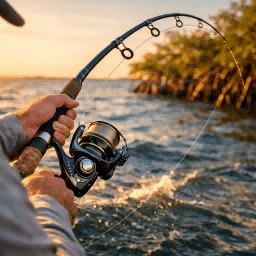
To prevent massive retail returns, specify CNC machined drive gear reels in all your B2B purchase orders. Cold-forging compresses the aluminum at room temperature, drastically increasing its molecular density and structural sheer strength. A top-tier manufacturer will then utilize multi-axis CNC machines to cut the teeth with absolute zero tolerance. This precise engineering ensures a buttery smooth retrieve, even after years of brutal offshore saltwater abuse.
| Gear Production Method | Tolerance Variance | Durability Rating | Best B2B Retail Use Case |
|---|---|---|---|
| Standard Zinc Die-Cast | Extremely High | Low (Freshwater Only) | Ultra-Cheap Promotional Promos |
| Aluminum Die-Cast | Medium Variance | Moderate Performance | Mid-Range Retail Outlets |
| CNC Cold-Forged Aluminum | Zero Tolerance Mesh | Extreme (Offshore Saltwater) | Premium Custom Brands |
Always firmly demand a comprehensive gear tolerance testing report from your offshore fishing reel manufacturer. Do not accept die-cast vs cold-forged gears compromises if your target demographic involves serious, dedicated anglers who demand equipment reliability.
Section 2 – The “10+1 Bearing” Myth: A Buyer’s QC Checklist
One of the most persistent and deceptive marketing tricks in wholesale fishing gear involves inflated bearing counts. Overseas buyers frequently see spec sheets boasting “10+1 bearings” or even “12+1 bearings” on extremely cheap reels. As a seasoned expert, I must warn you: raw bearing quantity means absolutely nothing if the quality is fundamentally flawed.
Unmasking Fake Specs in Custom Branded Tackle
Many low-tier factories artificially inflate their specs by packing unsealed, low-grade carbon steel bearings into non-essential parts of the reel. These cheap bearings are highly susceptible to immediate corrosion. The moment saltwater breaches the reel body, these bearings rust, seize up, and completely lock the rotational mechanism. This deceptive practice heavily damages the reputation of private label fishing reels in international markets.
Expert QC Audit Checklist for Stainless Steel Ball Bearings:
- Salt Spray Test Verification: Demand official 72-hour salt spray test documentation for all internal bearings.
- Double-Shielded Specs: Ensure specifications explicitly state “Double-Shielded Stainless Steel” rather than generic steel.
- Strategic Placement: Verify high-quality bearings are placed in critical load zones: the pinion gear, main gear, and line roller.
- Anti-Reverse Clutch: The “+1” refers to the one-way clutch bearing; test its instant hook-setting stopping power under maximum load.
Section 3 – Waterproof Drag Systems: Carbon Fiber vs. Felt Washers
The drag system is arguably the most critical component when fighting large, aggressive game fish. B2B buyers must understand the stark engineering differences between traditional felt washers and modern carbon fiber drag washers wholesale. Choosing the wrong material will result in lost fish, snapped lines, and deeply unsatisfied retail customers.
Why Felt Washers Fail in Offshore Saltwater Environments
Oiled felt washers are perfectly adequate for light freshwater applications. However, they possess a fatal flaw in offshore environments: they retain intense heat and compress heavily under sustained friction. When a massive pelagic species makes a long run, felt washers overheat, glaze over, and cause the drag to stutter violently. Furthermore, if a non-sealed drag system absorbs water, the felt swells, instantly destroying the reel’s braking performance.
Specifying Sealed Carbon Drag for Private Label Fishing Reels
For any heavy-duty OEM spinning reels manufacturer project, you must explicitly specify a waterproof, sealed carbon fiber drag system. Carbon fiber disperses extreme heat efficiently and maintains a perfectly smooth, linear resistance curve regardless of the applied pressure. By integrating a rubber gasket seal above the drag stack, you completely prevent saltwater intrusion, guaranteeing consistent stopping power for your offshore fishing reel manufacturer orders.
Section 4 – Tooling Costs & ROI: The Financial Reality of Custom Molds
Developing unique custom branded tackle requires a thorough understanding of hidden tooling costs. Many overseas buyers approach a reliable Chinese tackle factory with grand designs but lack the financial modeling required for custom rotor tooling cost calculation. Let us break down the exact financial reality to protect your capital investment and ensure maximum ROI.
Open Mold vs. Private Mold: What is the True Cost?
Utilizing an “Open Mold” means selecting a pre-existing reel body design and merely changing the cosmetic paint, handle, or spool porting. This strategy drastically lowers upfront costs and allows for a rapid market launch. Conversely, a “Private Mold” requires cutting entirely new CNC steel molds for the body and rotor. While this guarantees 100 percent market exclusivity, the tooling costs can range from $15,000 to $40,000, requiring a much higher MOQ to achieve profitability.
Negotiating MOQs and Development Timelines with Your Factory
When navigating custom branding tackle packaging and tooling, transparent negotiation is paramount. A top-tier OEM spinning reels manufacturer will often agree to amortize the private mold cost across your first three bulk purchase orders. This strategic negotiation significantly reduces your initial cash flow burden. Always demand a strict timeline: 3D CAD approval usually takes 15 days, rapid prototyping takes 30 days, and final mold cutting requires 45 to 60 days before mass production begins.
Section 5 – Merchandising Dynamics: Perfecting the Beginner Combo
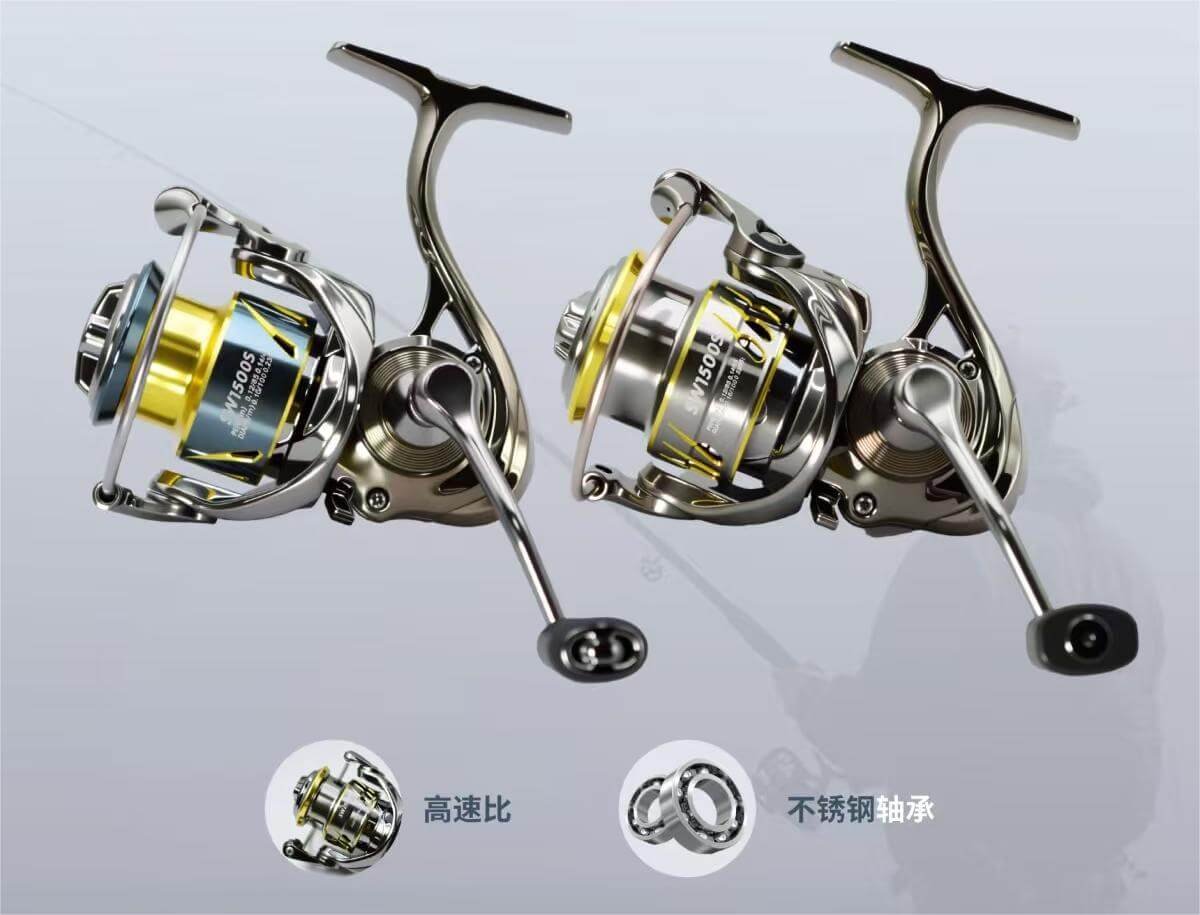
Not all B2B buyers are targeting elite offshore professionals. The highest volume and fastest inventory turnover often reside in the entry-level market. However, randomly pairing a cheap reel with a stiff rod is a merchandising disaster. To maximize retail profits, you must meticulously engineer the beginner spinning reel combo based on precise physical dynamics and user experience.
Balancing Spool Size, Gear Ratio, and Rod Taper
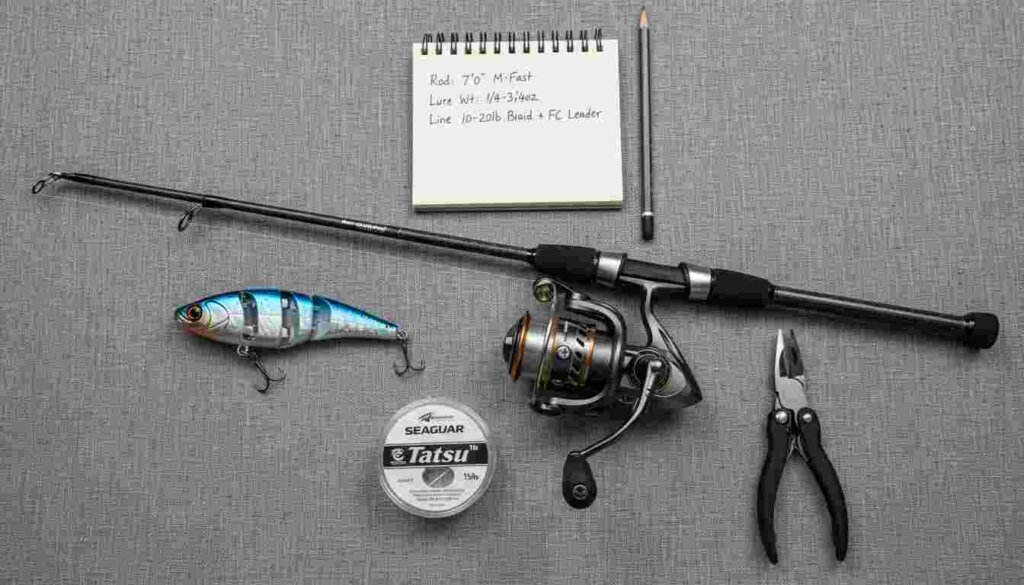
A perfectly balanced beginner spinning reel combo requires strict alignment between the spool capacity and the rod blank’s taper. For example, a 3000-size reel with a versatile 5.2:1 gear ratio pairs flawlessly with a 7-foot, medium-fast action composite rod. This specific setup offers exceptional casting forgiveness for novices while maintaining enough backbone to handle unexpected larger catches. Incorrectly matching a heavy 5000-size reel to a light rod causes severe wrist fatigue and poor casting accuracy.
Why Your Beginner Combo Needs to be “Ready-to-Fish”
Modern retail data proves that high margin fishing combos sell 40 percent faster when presented as “ready-to-fish” packages. As an astute buyer, you should mandate your factory to pre-spool the reels with quality monofilament or braided line. Additionally, insist on robust, blister-pack custom branding tackle packaging that physically protects the bail wire during international ocean freight and stands out vibrantly on retail pegboards.
Expert B2B Sourcing FAQ
Q1: How to find a reliable OEM spinning reels manufacturer in China?
Look beyond Alibaba profiles. Demand live video tours of their spinning reel assembly line, request official ISO9001 quality management certificates, and mandate 72-hour salt spray testing reports for their gear components. A reliable Chinese tackle factory will offer total transparency regarding their CNC machining capabilities and bearing sourcing.
Q2: What is the real cost of private label fishing reels tooling?
While cosmetic open-mold adjustments cost very little, cutting an entirely new proprietary steel mold for a reel body and rotor typically ranges from $15,000 to $40,000 USD. This custom rotor tooling cost is often amortized by the factory over large volume MOQs (usually 3,000+ units) for serious brand owners.
Q3: How to prevent grinding noise in OEM fishing reels?
You must eliminate die-cast zinc gears. Always specify CNC cold-forged aluminum drive gears in your purchase agreements. This high-end manufacturing process ensures zero tolerance gear meshing, which permanently eliminates the internal grinding noise even under extreme saltwater loads.
Q4: Carbon fiber vs felt drag washers for saltwater reels?
For offshore saltwater applications, sealed carbon fiber drag washers wholesale are mandatory. Unlike traditional felt, which absorbs water and overheats under friction, carbon fiber disperses heat rapidly and provides smooth, consistent stopping power without seizing or stuttering.
Conclusion & Sourcing Action Plan
Successfully importing wholesale fishing gear requires rigorous attention to mechanical details. By demanding CNC machined gears, verifying authentic stainless steel bearings, and understanding the financial dynamics of custom molds, you can confidently scale your international sporting goods business. The era of accepting sub-par, generic equipment is over. Your retail customers demand excellence, and your supply chain must reflect that commitment.
Havenseek Fishing Tackle stands ready to execute your most demanding engineering blueprints. With over a decade of proven export excellence, we provide the absolute highest standard of B2B production transparency in the industry.
Ready to Upgrade Your Supply Chain?
Partner with an elite OEM spinning reels manufacturer today and protect your profit margins.
Get Free Quote in 12 Hours