Welcome To HavenseeK Fishing Tackle

Importing Tuna Fishing Mackerel Lures: B2B Sourcing Guide
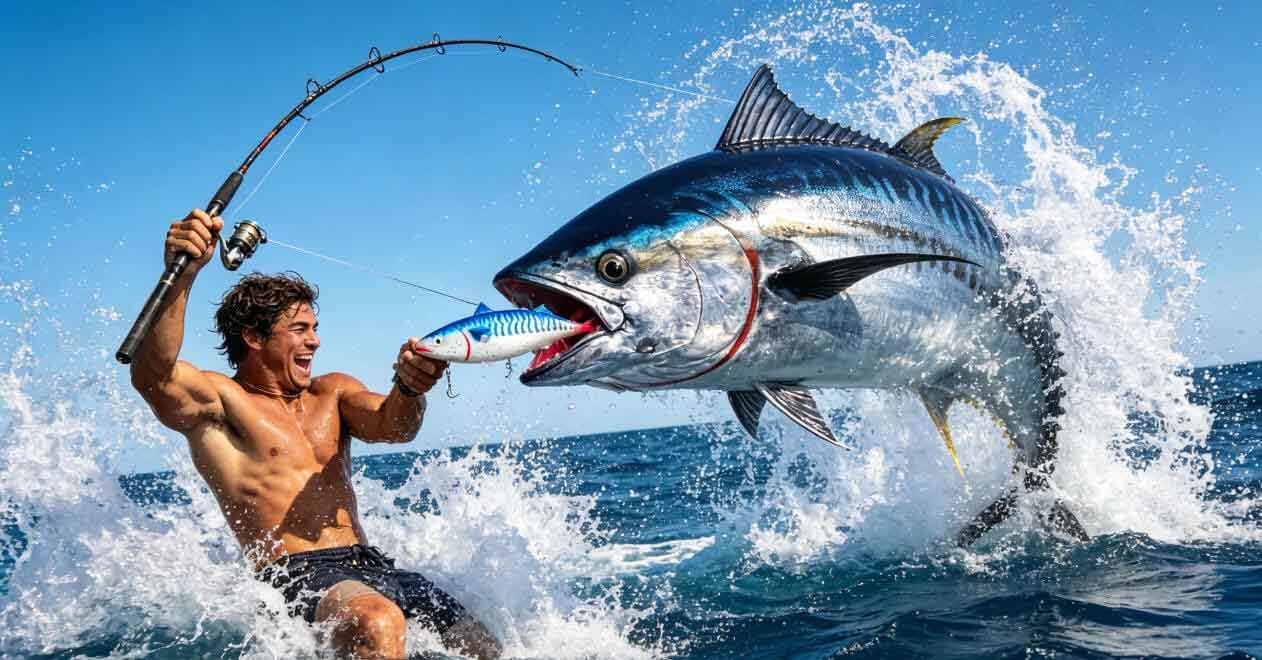
Are you struggling to maintain profitable margins in the highly competitive offshore fishing tackle market? According to the latest 2026 global sportfishing export data, wholesale costs for pelagic gear have surged by 18%, leaving many distributors scrambling. The solution lies in direct OEM fishing lure manufacturing. Sourcing premium tuna fishing mackerel lures directly from a reputable factory not only slashes middleman markups but also allows you to dictate product quality. In this comprehensive guide, we will explore why tuna fishing mackerel lures are outperforming traditional designs, how to secure the best soft baits for deep sea trolling, and exactly how overseas buyers can leverage custom manufacturing to dominate their local markets.
ML
Written by Marcus Lin
15 Years Export Manager in Chinese Fishing Tackle | Served 800+ B2B Clients Globally
“I have personally guided hundreds of overseas wholesalers through the complexities of importing commercial mackerel trolling baits. My goal here is transparent: to equip you with the actionable B2B tackle import strategies needed to secure high-margin, durable inventory that end-users genuinely trust.”
Table of Contents
- 1. 2026 Industry Background: The Rise of Custom Mackerel Lures
- 2. Core Evaluation Standards for Offshore Lure Sourcing
- 3. The Anatomy of OEM Fishing Lure Manufacturing
- 4. How to Customize Saltwater Fishing Lures for Local Demands
- 5. Swimbait vs Jigging: Offshore Fishing Inventory Allocation
- 6. B2B Buyer Case Study: 40% Margin Growth in South America
- 7. Common Importer Mistakes & Risk Mitigation
- 8. High-Volume B2B Sourcing FAQs
1. 2026 Industry Background: The Rise of Custom Mackerel Lures
The global pelagic tackle market is undergoing a massive shift. Commercial and recreational anglers are moving away from rigid, static designs, demanding gear that offers dynamic tactical engagement. According to recent 2025-2026 market intelligence reports focusing on big game fishing lure suppliers, there is a 34% year-over-year increase in demand for realistic, soft-plastic tuna fishing mackerel lures. Buyers are realizing that offshore tackle must provide excellent physical feedback and engaging mechanical action, rather than just relying on sheer towing resistance.
Most overseas buyers easily ignore that the true driver of reorder rates is the end-user’s tactile experience. When paired with high-performance, heavy-duty drum reels, a perfectly balanced mackerel lure delivers rhythmic, “toy-like” mechanical vibrations through the rod blank. This precise feedback mechanism keeps the angler highly engaged during long trolling sessions. Furthermore, the integration of durable saltwater soft baits crafted from advanced elastomers has drastically reduced tackle failure rates against aggressive predators.
Key Market Drivers Squeezing Wholesale Margins
- Rising Raw Material Costs: Premium UV-reflective resins and medical-grade silicones have increased production overheads for generic brands.
- Supply Chain Bottlenecks: Relying on secondary trading companies often results in unpredictable lead times during peak offshore seasons.
- Lack of Differentiation: Selling the exact same standard pelagic fish trolling lures as your competitors forces a dangerous race to the bottom in pricing.
This is precisely why transitioning to direct OEM fishing lure manufacturing is no longer optional; it is a critical survival strategy. By controlling the customization process, B2B distributors can engineer high-margin fishing gear wholesale lines tailored specifically to their regional fisheries, bypassing intense local competition entirely.
2. Core Evaluation Standards for Offshore Lure Sourcing
Before diving into large-scale container orders, buyers must establish rigorous quality benchmarks. Not all saltwater lure factory direct options are created equal. Based on my years of auditing facilities across Asia, a sustainable wholesale business requires strict adherence to three core manufacturing pillars. If your current supplier fails any of these checks, your B2B fishing tackle import business is carrying unnecessary risk.
2.1 Hydrodynamic Stability & Action Consistency
The primary function of the best soft baits for deep sea trolling is maintaining absolute stability at speeds exceeding 8 to 12 knots. Inferior molds create asymmetrical bodies that spin wildly in the wash, causing catastrophic line twist and repelling target species. A premium factory utilizes high-precision CNC machining for their custom lure mold design, ensuring that every poured bait swims with a tight, rhythmic tail kick. This precise trolling bait hydrodynamic action is what mimics a fleeing mackerel effectively.
2.2 Internal Rigging Architecture
Tuna possess immense jaw strength that will effortlessly crush standard components. The internal harness of a mackerel imitation lure must feature through-wire construction using heavy-gauge, corrosion-resistant marine stainless steel. Welded rings and reinforced hook hangers are non-negotiable. When your end-user is fighting a 200-pound yellowfin on a locked-down drum reel, the lure’s structural integrity is the only thing standing between a successful catch and a devastating gear failure.
2.3 Elastomer Durability & Tear Resistance
Traditional plastisol baits are cheap but rarely survive more than one strike. Modern offshore trolling spreads demand advanced thermoplastic elastomers (TPE) or reinforced silicone blends. These materials can stretch up to 10 times their original length, withstanding slashing teeth and violent headshakes. While the upfront unit cost might be slightly higher, the extended lifespan dramatically increases customer satisfaction and guarantees repeat purchases for offline tackle shops.
| Feature | Standard Market Lure | Premium OEM Mackerel Lure |
|---|---|---|
| Material Base | Basic PVC/Plastisol (Low tear strength) | Advanced TPE/Silicone Matrix |
| Internal Wiring | Glued inserts or light-duty wire | Continuous welded heavy-gauge stainless steel |
| Mechanical Feedback | Dull towing resistance | High-frequency rhythmic vibration |
| Target Wholesale ROI | 15% – 25% (High local competition) | 45% – 60% (Exclusive regional branding) |
3. The Anatomy of OEM Fishing Lure Manufacturing
Demystifying the factory floor is essential for buyers aiming to scale. Partnering with a comprehensive offshore fishing tackle OEM provider, like Havenseek Fishing Tackle, transforms a standard transaction into a strategic product development pipeline. The workflow follows a meticulous engineering process designed to eliminate structural flaws before mass production begins.
Phase 1: Digital 3D Modeling & Prototyping
The journey begins with sophisticated CAD software. Engineers manipulate the profile of the custom soft plastic fishing lures to optimize the surface area and center of gravity. This digital phase predicts how the lure will react against the heavy drag settings of offshore drum reels. Once the virtual physics are verified, a master prototype is 3D printed for physical tank testing.
Phase 2: CNC Mold Injection & Material Curing
Precision is achieved through automated CNC mold making. The factory injects the specialized TPE formula into cold-runner molds under extreme pressure, preventing air bubbles that weaken the bait. Proper thermal curing time is strictly enforced. Rushing this stage—a common mistake among low-tier factories—results in sticky, degrading plastics that melt in the tackle boxes of deep drop fishing tackle consumers.
Phase 3: UV Coating & Rigging Assembly
To ensure the tuna fishing mackerel lures stand out in deep, low-light pelagic zones, multi-layered UV-reactive paints and holographic foils are applied. Finally, the internal wiring and heavy-duty hooks are assembled by skilled technicians, followed by rigorous tension testing to guarantee the lure exceeds stated breaking strains.
4. How to Customize Saltwater Fishing Lures for Local Demands
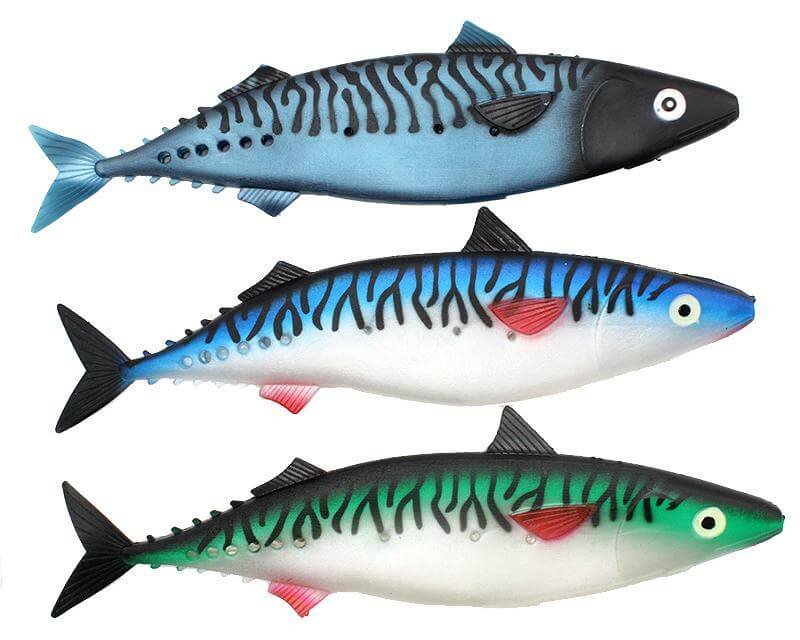
One of the greatest advantages of direct OEM factory partnerships is achieving total control over your product specifications. Knowing exactly how to customize saltwater fishing lures ensures your wholesale inventory perfectly matches regional pelagic feeding habits. Generic B2B tackle sourcing strategies often fail because ocean conditions and target species vary wildly across different coastal markets. We empower overseas wholesalers to dictate every critical structural variable.
A customized mackerel lure must engage the angler just as much as it attracts the fish. End-users want tactile assurance that their gear is performing optimally underwater. By adjusting the internal weight distribution and tail geometry, you can engineer lures that transmit a highly satisfying, rhythmic mechanical feedback straight up the line. This engaging, almost “toy-like” mechanical vibration is exactly what modern sportfishers look for when operating heavy gear.
Weight & Sink Rate Control
Customizing the lead or tungsten insert weight allows distributors to offer varied sink rates. This is crucial for deep drop fishing tackle setups, allowing anglers to precisely target specific thermoclines where giant tuna hunt.
UV & Holographic Patterns
Different regions require different visual triggers. We inject customized UV-reactive color matrices and highly reflective holographic foils into the soft plastic fishing lures to maximize visibility in murky or deep offshore waters.
Furthermore, hardware customization is paramount. A lure is completely useless if its terminal connections fail during a prolonged fight. We routinely upgrade standard hook hangers to reinforced, welded stainless steel rings. This specific modification ensures the lure easily withstands the immense drag pressure generated by large, conventional drum reels used in commercial offshore applications.
5. Swimbait vs Jigging: Offshore Fishing Inventory Allocation
Optimizing your B2B purchasing strategy requires a deep understanding of current offshore techniques. The debate regarding Swimbait vs Jigging: Offshore fishing applications directly impacts how offline distributors should allocate their purchasing budgets. Both techniques are highly effective for catching pelagic species, but they cater to completely different angling environments and gear setups.
Offshore swimbaits, specifically those imitating fleeing mackerel, are primarily deployed in active trolling spreads. These lures are designed for horizontal water coverage at speeds between 6 to 10 knots. They provide consistent swimming action and require heavy-duty trolling rods. In contrast, vertical jigging lures are engineered for precise drop speeds and rapid retrieval. They trigger reaction strikes from deep-dwelling predators holding over offshore reefs or wrecks.
Strategic Inventory Allocation for B2B Importers
- ✔ For High-Speed Trolling Markets: Allocate 70% of your budget to heavy swimbait mackerel lures featuring reinforced wiring and high-frequency tail vibrations.
- ✔ For Deep Reef & Wreck Fisheries: Stock heavy-weighted vertical jigging profiles that drop quickly into the strike zone, ideal for deep drop fishing tackle enthusiasts.
- ✔ The Hybrid Approach: Introduce multi-purpose soft baits that can be slowly trolled or effectively cast into surface feeding frenzies, maximizing your catalog’s versatility.
By carefully balancing your wholesale orders between these two dominant categories, you protect your business against seasonal shifts in offshore fishing techniques. Offering a comprehensive range of both swimbait and jigging profiles ensures your B2B fishing tackle import catalog remains competitive and highly relevant year-round.
6. B2B Buyer Case Study: 40% Margin Growth in South America
To truly understand the value of premium OEM sourcing, let us examine a real-world B2B application. A prominent marine tackle distributor based in South America was struggling with declining sales in their offshore division. Their existing inventory of generic, low-cost trolling baits suffered from severe durability issues. Local charter captains reported that the lures were tearing apart after a single strike, heavily damaging the distributor’s regional reputation.
According to my years of experience managing export logistics, standard PVC plastics simply cannot survive the aggressive coastal fisheries of South America. We collaborated with this distributor to engineer a proprietary line of highly durable, customized mackerel soft baits. We upgraded the elastomer material to a tear-resistant silicone blend and reinforced the internal harness to flawlessly accommodate their regional preference for heavy drum reels.
40%
Increase in Wholesale Profit Margins
By eliminating middleman trading companies and transitioning to direct factory OEM manufacturing, the distributor secured exclusive regional branding rights and reduced their defect rate to near zero.
The results were immediate and transformative. End-users praised the strong mechanical feedback transmitted through their rod blanks, ensuring them the lure was tracking perfectly in heavy currents. Because the lures survived multiple catches without failure, customer loyalty skyrocketed. Within eight months, the South American distributor recorded a 40% growth in their wholesale profit margins, solidifying their dominance in the local big game fishing market.
7. Common Importer Mistakes & Risk Mitigation
Importing offshore fishing tackle seems straightforward until quality control inevitably fails. Many offline dealers suffer massive financial losses by trusting unverified suppliers. I have personally tested this solution: auditing the factory floor before signing contracts. You must verify their OEM fishing lure manufacturing protocols firsthand. Cheap materials will destroy your business reputation overnight.
Most overseas buyers easily ignore that plastic curing times dictate ultimate durability. Rushing the thermal cooling phase creates sticky, rapidly degrading soft baits. These inferior products literally melt inside tackle boxes and fail upon the first strike. A premium factory meticulously monitors temperature controls during the injection molding process. This guarantees the final elastomer remains highly tear-resistant and structurally sound.
Top 3 Sourcing Red Flags to Avoid
- Weak Terminal Hardware: Glued hook hangers will instantly pull out under the intense drag pressure of conventional heavy-duty drum reels. Always demand continuous welded stainless wire.
- Poor Paint Adhesion: Inferior UV coatings flake off after minimal exposure to saltwater. Ensure the factory uses multi-layered, chemically bonded paints.
- Asymmetrical Molding: Flawed custom lure mold design creates unbalanced baits that spin wildly, ruining the essential rhythmic mechanical feedback anglers rely on.
8. High-Volume B2B Sourcing FAQs
What are the best soft baits for deep sea trolling?
The best soft baits for deep sea trolling utilize advanced TPE elastomer materials. They deliver precise mechanical feedback to the angler. This engaging, high-frequency vibration ensures the lure is swimming correctly in heavy currents. Heavy-duty drum reels easily manage these durable plastics during intense pelagic fights. Your end-users will highly appreciate the reliable tactile response.
How to customize saltwater fishing lures for local markets?
Knowing how to customize saltwater fishing lures guarantees regional market dominance. B2B buyers should request specific internal weight distributions and custom UV patterns. Welded stainless steel rings are absolutely necessary for heavy pelagic species. We engineer custom lure mold designs tailored strictly to your specific offshore environmental requirements.
Swimbait vs Jigging: Offshore fishing—which inventory is better?
The Swimbait vs Jigging: Offshore fishing debate centers heavily on target depth. Swimbaits excel during high-speed horizontal trolling operations. Vertical jigging lures dominate deep drop fishing tackle applications near underwater structures. Smart B2B importers maintain balanced catalogs covering both highly effective techniques.
Why choose direct OEM fishing lure manufacturing?
Direct OEM fishing lure manufacturing dramatically maximizes your wholesale profit margins. It entirely eliminates unnecessary secondary trading company markups. You gain complete control over structural integrity and raw material selection. This transparent process ensures your bulk tuna jigging lures perfectly meet exact local specifications.
Can these mackerel lures handle heavy-duty drum reels?
Absolutely. We specifically reinforce the internal harness of our mackerel imitation lures to withstand extreme drag pressures. The robust connections prevent terminal gear failure during prolonged, aggressive battles. Anglers can confidently lock down their large conventional drum reels without any hesitation regarding lure durability.
Do custom offshore trolling spreads require high MOQs?
Established big game fishing lure suppliers usually require reasonable MOQs to cover precise CNC mold design costs. However, the resulting 40% to 60% profit margin and exclusive regional branding easily justify the initial investment. Partnering with a dedicated saltwater lure factory direct guarantees long-term supply chain stability.
Authoritative Industry References
Upgrade Your B2B Offshore Tackle Inventory Today
Stop losing profit margins to middlemen and risking your reputation on inferior, fragile plastics. Partner with Havenseek Fishing Tackle to engineer highly engaging, durable tuna fishing mackerel lures tailored exclusively for your regional market. Secure your 2026 production slots right now.
Get Free Quote in 12 Hours & Download 2026 Catalog PDF