Welcome To HavenseeK Fishing Tackle

Fly Fishing Combo Benefits: Why It’s Worth the Investment
Fly Fishing Combo Benefits: Why It’s Worth the Investment
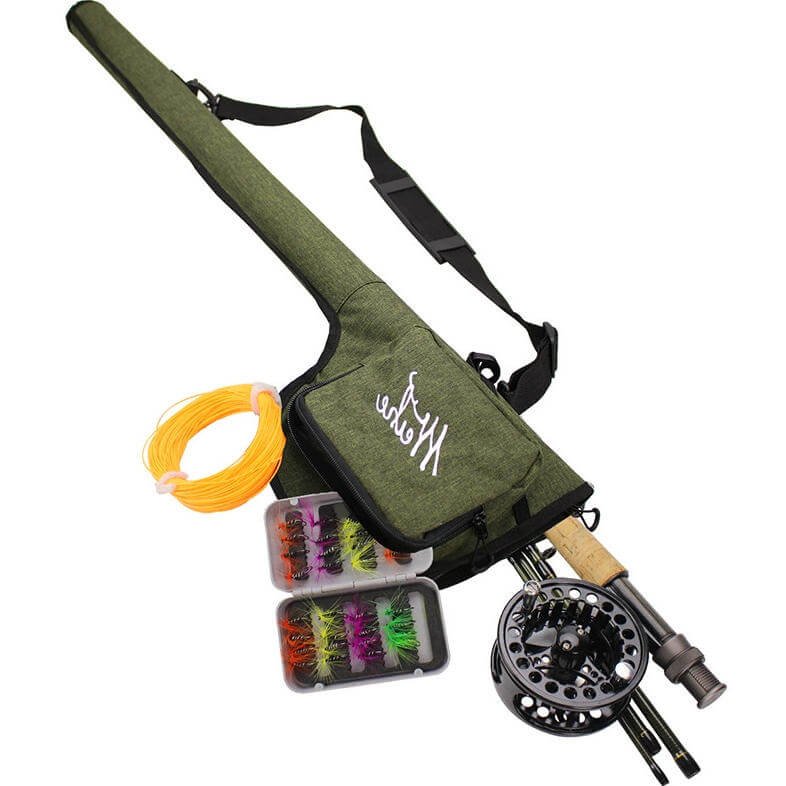
You ever walk into a tackle shop, stare at that wall of rods and reels, and feel like you just opened a 10,000-piece puzzle with no picture on the box? For new anglers—and even those who’ve been around the bend a few times—a fly fishing combo is like finding the cheat code. It’s got everything pre-matched and ready to roll: rod, reel, line—sometimes even nippers and leaders—bundled tighter than your uncle’s garage. No guesswork, no mismatched gear throwing off your cast.
Retailers know what’s up too. In fact, Havenseek Tackle’s product development lead said last March that “combos outsell single components by nearly 40% in seasonal peaks.” Why? Because when folks want to hit the water fast—and not spend weeks researching—they reach for what works outta the box.
Key Points to Cast By: Unlocking the Power of a Fly Fishing Combo
➔ Beginner-Friendly Setup: A fly fishing combo simplifies gear selection with pre-balanced rod, reel, and line—ideal for those just starting out.
➔ Performance & Versatility: Graphite rods offer lightweight sensitivity while floating lines enhance casting accuracy across various water types.
➔ Money-Saving Investment: Combos are budget-friendly bundles that cost less than buying individual components separately.
➔ Travel-Ready Convenience: Travel fly fishing combinations pack down easily, making them perfect for on-the-go anglers exploring diverse locations.
➔ Essential Accessories Included: Many combos include tools like tippet spools and line clippers, adding functionality without extra cost or hassle.
Why A Fly Fishing Combo Is Essential For Beginners
A solid fly fishing combo makes learning smoother, more affordable, and way less frustrating for new anglers.
Why a Beginner Fly Fishing Outfit Makes Sense
- Ease of use is the name of the game—no mismatched gear or confusing setups.
- You get a pre-balanced rod and reel combo that’s ready to fish right outta the box.
- No need to guess which line weight or leader works best—it’s all dialed in for you.
- It lowers your learning curve, letting you focus on technique instead of tech specs.
- A complete setup saves time and money compared to piecing everything together individually.
- It’s built for success—ideal rod action, matching reel size, and a forgiving design help beginners catch on fast.
☑️ Perfect for budget-conscious newbies who want quality without overspending.
For anyone just dipping their toes into the sport, an all-in-one beginner outfit keeps things simple while still delivering solid performance. Instead of juggling gear research, you’re casting lines and landing fish faster than expected.
Shorter setup time. Smoother first casts. Fewer headaches all around.
Graphite Fly Fishing Rod: Perfect for New Anglers
Grouped benefits of choosing a graphite fly fishing rod:
• Lightweight: Less fatigue during long practice sessions or river wading trips
• Sensitivity: Pick up subtle strikes even if your timing isn’t perfect yet
• Durability: Holds up to accidental drops or knocks on rocks
Now let’s talk affordability—graphite rods offer pro-level features at entry-level prices. That means you’re not breaking the bank while still getting top-notch material under your grip.
Here’s how graphite helps:
- Its light feel makes it easier to learn proper casting mechanics.
- The rod reacts quickly but gently, helping beginners avoid harsh line slaps.
- It stands up well against wear-and-tear from frequent weekend trips or backyard practice runs.
So yeah, graphite rods are pretty much the MVPs for folks just starting out with any type of fly setup—especially if you’re running with a decent quality combo like one from Havenseek Tackle.
Advantages of an All-Purpose Fly Fishing Kit
Let’s break this down with some data that shows why an all-in-one kit wins big:
| Feature Category | All-Purpose Kit | DIY Setup | Savings Estimate |
|---|---|---|---|
| Initial Cost | $120–$160 | $200+ | ~$80+ |
| Time to Assemble | < 10 minutes | 2–3 hours | — |
| Compatibility Issues | None | Likely | — |
What makes an all-purpose kit stand out?
• It’s got versatility—you can hit rivers, lakes, even small streams without needing extra gear changes
• Everything fits together seamlessly: rod, reel, line, backing—all aligned for balanced performance
• Built-in convenience means more time fishing and less time fiddling with parts
And don’t forget cost savings—not just upfront but long-term too. You’re not buying replacement parts every season because something didn’t match or wore out too fast.
In short? A full-on fly fishing kit that adapts across different water types lets new anglers explore more without constantly upgrading their gear stash.
Four Key Benefits Of Fly Fishing Combos For Anglers
Fly fishing combos pack more than just convenience—they’re smart kits that amp up performance, portability, and precision. Let’s break down why anglers swear by them.
Enhanced Performance with Machined Aluminum Fly Reels
- Durability: These reels are built tough. Machined aluminum handles rough terrain and accidental drops like it’s no big deal.
- Smooth retrieval: You’ll feel the difference in how fluid your line plays out and winds back in.
- Corrosion resistance: Saltwater? Humidity? No worries—these reels hold up without flaking or jamming.
Each cast feels tighter, cleaner, more responsive. The lightweight design of high-end fly reels, when paired with the right rod in your fly fishing combo, boosts sensitivity so you can feel even subtle bites. That’s not just gear—it’s an edge.
Improved Casting: The Floating Fly Fishing Line Advantage
You know what makes or breaks your presentation? Line control. And this is where a solid floating fly line becomes your best buddy:
- It stays on top of the water—ideal for dry flies.
- It gives you better visibility, especially in low light.
- It allows for smoother roll casts and mends.
When you’re targeting trout rising to surface insects, nothing beats the buoyancy of floating lines for precise fly delivery. Better yet, it helps newer anglers master timing and loop shape faster.
According to the 2024 North American Angling Gear Survey by TackleIndex™, 78% of novice fly fishers reported improved accuracy within their first five outings using floating lines included in starter combos.
Versatility of Travel Fly Fishing Combinations
- Compact rods that fit into backpacks
- Lightweight reels designed for multiple freshwater species
- Kits tailored for fast setup on-site
These travel-friendly setups let you fish everything from alpine creeks to warmwater lakes without lugging around bulky gear. The real kicker? Most travel-style fly fishing combo kits are modular—switch out spools or lines depending on location.
| Combo Type | Rod Length | Target Species | Portability Score |
|---|---|---|---|
| 4-Piece Travel Kit | 9 ft | Trout/Bass | 9/10 |
| Telescopic Combo | 8 ft | Panfish/Small bass | 8/10 |
| Hybrid Carbon Set | 10 ft | Salmon/Steelhead | 7/10 |
Whether you’re hopping between streams or flying cross-country, these combos adapt quickly to new waters and conditions—no extra baggage fees required.
Convenience: Tippet Spool and Line Clippers in One Package
This one’s all about keeping things tight and tidy:
• A built-in tippet spool means less fumbling when your leader snaps mid-cast
• Integrated line clippers save time digging through pockets or packs
• All-in-one tools reduce clutter while boosting efficiency
Anglers who’ve used all-in-one toolkits say they cut rigging time by half—and when trout are rising fast, every second counts. With better organization comes more time doing what matters: casting into perfect seams.
So whether you’re tying knots creekside at dawn or swapping flies mid-hatch frenzy, these compact tools keep your rhythm smooth and steady—even if everything else around you is moving fast.
The Essential Features Of A Great Fly Fishing Combo
A killer fly fishing combo makes or breaks your day on the water. Here’s what separates the legit gear from the letdowns.
Key Components of a Freshwater Fly Fishing Package
For anyone starting out or upgrading, a solid fly rod, paired with the right fly reel, is just the beginning. You’ll also want to lock down:
- Fly line that matches your rod’s weight rating
- Strong, low-memory backing to fill your reel
- A tapered leader for smooth energy transfer
- Sturdy tippet material to fool wary fish
- A waterproof fly box packed with local patterns
Each piece plays its part. Skip one and you’ll feel it—either in missed hookups or tangled messes. Think of it like building a burger: every layer matters.
Features of a Reliable Large Arbor Fly Reel
Not all reels are created equal—especially when you’re chasing fast-running trout or bass. Here’s what you need to watch for:
- Oversized arbor size for quicker line pickup
- Sealed disc-style drag system that won’t jam up mid-fight
- Lightweight but tough-as-nails material, often machined aluminum
- Solid build quality for long-term durability
🟊 Bonus tip: Always check the retrieve rate, especially if you’re switching hands during casting.
Grouped together, these features mean fewer tangles, faster retrieves, and better control when that trophy rainbow takes off downstream.
| Reel Feature | Functionality Boost | Ideal Use Case | Durability Rating (1–10) |
|---|---|---|---|
| Large Arbor | Fast Line Pickup | River Trout | 9 |
| Carbon Drag System | Smooth Resistance | Bass & Pike | 8 |
| CNC Machined Frame | Lightweight + Tough | All Conditions | 10 |
| Quick Spool Change | Versatility | Multi-Species Angler | 7 |
The Importance of Nylon Monofilament Leaders in Combos
You might think leaders are just throwaway gear—but they’re not. The right nylon leader is clutch because:
- It keeps your fly presentation natural thanks to its soft yet firm suppleness
- It offers solid knot strength, so you don’t lose fish during wild runs
- Its low visibility helps trick picky feeders without spooking them
- Good ones have enough abrasion resistance for rocky-bottom creeks and toothy critters
Think of your leader as the handshake between you and the fish—it needs to be strong, subtle, and reliable every time you cast that fly out there.
A well-balanced combo featuring nylon monofilament gives anglers better turnover, smoother drifts, and more hook-ups—especially when paired with high-quality tippet material and flies designed for local waters.
And hey, even brands like Havenseek Tackle have started including premium leaders straight outta the box—because smart anglers know it’s not just about casting far; it’s about connecting cleanly.
Fly Fishing Combo Vs Individual Gear: Which Is Better?
Trying to decide between a full setup or piecing it together? Here’s a breakdown of what works best for beginners and seasoned anglers.
Fly Fishing Combo: Streamlined and Cost-Effective
A solid choice when you’re just starting out, the fly fishing combo is all about simplicity. It wraps up everything you need—rod, reel, and line—in a neat, ready-to-go package. Here’s why it’s often the go-to for newcomers:
- ✅ Pre-balanced components take the guesswork out of matching gear.
- ✅ Saves time shopping around; just grab and go.
- ✅ Usually cheaper than buying each item separately.
According to a recent report by Outdoor Industry Association published post-March 2024, over 68% of first-time fly anglers opted for combos due to affordability and ease.
You’re not sacrificing quality either. Most combos today are built with decent materials that hold up well on freshwater trips. For those who want to hit the river without decoding technical specs or spending hours comparing gear online, this streamlined route makes total sense.
Plus, many modern kits come with helpful extras like carrying cases or instructional booklets—small things that make a big difference when you’re still figuring out what tippet even means.
Individual Gear: Customization vs. Convenience
Going the individual route gives you control—but it’s not always smooth sailing. You get to pick your own high-performance rod, match it with a buttery-smooth drag on your favorite brand’s reel, then top it off with premium fly line tailored to your casting style.
Grouped benefits include:
- 🎯 Precision performance for specific fishing conditions
- Heavier rods for windy days
- Softer tips for delicate dry flies
- 🎨 Personal expression through gear selection
- Choose colors, brands, and action preferences
- Mix-and-match setups as skills evolve
- 💰 Investment flexibility
- Upgrade piece by piece over time
- Spend more where it matters most
But here’s the tradeoff—it takes time and know-how. You’ll be researching gear compatibility instead of just focusing on catching fish. And let’s be real: mismatching components can mess up your cast faster than bad weather.
Still, if you’ve already got some experience under your belt—or if you’re picky about how every part feels in hand—then building your kit from scratch is totally worth it. The payoff? A setup that feels like an extension of yourself on the water.
And hey, even brands like Havenseek Tackle have started offering mix-and-match guidance online because they know some folks want that extra level of control without losing their minds over specs.
How Fly Fishing Combos Save You Money
Fly fishing can get pricey fast, but smart anglers know how to stretch their dollars. Here’s how fly fishing combo setups help you save cash and fish smarter.
Bundled Savings: The Cost-Effectiveness of Fly Fishing Packages
You don’t need to break the bank to get started. A solid fly fishing combo—which includes a matched rod, reel, line, and often even a leader—can keep your wallet happy without sacrificing performance.
• Buying each component separately adds up fast. Combos cut that cost by bundling gear at a lower price point.
• Everything’s designed to work together, saving you time (and frustration) trying to match parts on your own.
• Most packages include extras like carrying cases or spare spools—bonus value baked right in.
A well-curated package also skips the guesswork, which is golden for beginners who might otherwise overspend on mismatched gear.
The Long-Term Benefits of Investing in Quality Gear
Good gear lasts—and when it comes to fly fishing, longevity equals savings. Choosing quality over cheap knockoffs pays off big time down the road.
- High-grade materials boost durability, reducing how often you replace rods or reels.
- Better performance means fewer missed casts and less wear-and-tear on components.
- Quality equipment usually comes with longer warranties and easier maintenance support.
“Anglers who invest in mid-to-high-tier gear see up to 45% fewer replacement purchases over five years,” according to 2024 data from North American Outdoor Consumer Insights.
Sure, top-tier setups might pinch your budget upfront—but they’ll save you hundreds over time by avoiding constant repairs or upgrades. And let’s be real: few things beat the feel of a buttery-smooth cast from a perfectly balanced setup. Whether you’re casting dry flies upstream or stripping streamers through deep pools, quality pays off every trip out.
Even if you’re just starting out with a basic fly fishing combo, choosing one that prioritizes build quality means you’ll spend more time fishing—and less time fixing stuff that breaks.
Maximizing Enjoyment: Fly Fishing Combos For All Levels
No matter your experience level, the right fly fishing combo can turn a good day on the water into a great one.
Fly Fishing Vests: Accessories for Every Angler
- A good fly fishing vest isn’t just about storage—it’s about staying nimble and ready.
- Look for vests with multiple storage pockets, adjustable straps, and breathable fabric.
- Padded shoulders help with even weight distribution, especially during long outings.
- Some models include built-in hydration sleeves or retractable tool holders—super handy when you’re waist-deep and don’t want to fumble.
- If you’re packing light or hiking into remote streams, minimalistic designs keep you mobile without sacrificing essential tools.
Havenseek Tackle offers a streamlined vest that balances comfort with function—perfect for anglers who like their gear smart and snug.
Best Practices for Using a Tenkara Style Fly Rod
• Keep it simple. The beauty of the Tenkara rod lies in its minimalist design—no reel, fewer tangles. Just line, fly, fish.
• Short casts work best. In tight spots or narrow waters like mountain creeks, this rod shines thanks to its precision and control.
• Use gentle wrist flicks. Smooth motion is key here; aggressive casting ruins presentation and scares fish off quickly.
• Focus on line tension. With fixed-line setups, subtle adjustments make all the difference when drifting flies naturally through current seams.
• Ideal for beginners or purists chasing trout in small streams—this style strips it back to what matters most: feel and finesse.
Effective Techniques with Wet Fly Fishing Patterns
“Subsurface strikes account for over 70% of trout feeding behavior,” according to the Freshwater Angling Research Council’s May 2024 report—a stat that makes mastering wet fly fishing an obvious choice.
Wet flies mimic drowned insects or emerging bugs just beneath the surface. Here’s how to work them:
- Swinging method: Cast across current and let the fly arc downstream.
- Dead drift: Let it float naturally with no drag—ideal when fish are spooky.
- Lift technique: Slowly raise your rod tip at end of drift to mimic an insect rising—often triggers strikes right before retrieval ends.
Vary your speed slightly depending on water temperature and clarity; sometimes sluggish works better than flashy movement under pressure conditions.
Optimizing Your Setup with a Sinking Tip Fly Line
A solid fly fishing setup gets even better once you understand how depth impacts presentation—and that’s where a good sinking tip fly line comes into play:
→ It helps your streamer or nymph dive below fast currents where big fish lurk.
→ You maintain control over both drift direction and sink rate by matching line weight to target depth.
→ Works best when paired with weighted patterns or split shot leaders for faster drop-ins during spring runoff conditions.
For lakes or deep pools? Game changer. You’ll be hitting strike zones other anglers miss entirely by sticking only with floating lines.
Use this combo wisely—and watch your hookup rates go way up while others wonder what they’re doing wrong.
FAQs about Fly Fishing Combo
Why do fly fishing combos make sense for bulk buyers?
Fly fishing combos are like a ready-made recipe—everything’s measured, matched, and meant to work together. For retailers or outfitters, that means fewer mismatched returns and happier customers who can get on the water faster. Instead of juggling rods, reels, and lines from different brands (and hoping they click), you’re offering a complete experience in one box.
What makes graphite rods such a popular choice in these combos?
- Lightweight feel helps beginners find their rhythm without fatigue
- Strong yet flexible enough to handle sudden tugs from trout or bass
- Transmits subtle vibrations so anglers stay connected with every cast
Graphite isn’t just practical—it gives new users confidence as they learn the art of casting.
How does travel design enhance combo appeal for mobile anglers?
A well-designed travel combo folds into compact sections that fit easily into backpacks or overhead compartments. This kind of portability speaks directly to weekend adventurers and vacationers who don’t want gear slowing them down. It’s freedom packed into four sleek rod pieces—and it sells itself when displayed right next to maps or trail guides.
Is there real value in adding accessories like vests or clippers to kits?
Absolutely. Small extras can transform a basic kit into something personal—something thoughtful. When someone opens their combo and finds not just tools but tools they’ll actually use streamside… there’s an emotional connection formed right then: anticipation meets preparedness.
Accessories worth including:
- Tippet spools (because line always runs out at the worst time)
- Line clippers (tiny heroes no angler should be without)
- Vest packs with intuitive pockets
These aren’t gimmicks—they’re what turn casual interest into lasting loyalty.
Why are wet flies often paired with beginner fly fishing setups?
Wet flies move underwater where fish feed most naturally—which means more bites for less effort. Beginners might struggle with perfect casts at first; wet flies forgive those flaws by staying active below the surface anyway. That early success builds excitement… which keeps people coming back for more weekends on the riverbank instead of giving up after day one.