Welcome To HavenseeK Fishing Tackle

The Ultimate Guide to Jigging Fishing Lures: Techniques, Types, and Expert Angling Strategies
The Ultimate Guide to Jigging Fishing Lures: Techniques, Types, and Expert Angling Strategies
Among all modern artificial lures, jigging fishing lures remain one of the most productive and versatile choices for anglers around the world. Their ability to imitate distressed baitfish, their precision in depth control, and their effectiveness across both freshwater and saltwater environments make them essential tools for beginners and professionals alike. Whether you’re working a deep offshore reef, jigging along a coastal drop-off, or fishing freshwater lakes for predatory species, jigging lures provide unmatched adaptability and success.
Why Jigging Fishing Lures Are So Effective
The power of jigging fishing lures lies in their vertical movement and natural falling action. Unlike many lures that rely on horizontal retrieves, jigs excel in up-and-down presentations—creating moments of sudden drop, flutter, vibration, and irregular motion. These movements closely resemble weak or wounded prey, which triggers instinctive predatory strikes.
Predator fish such as tuna, snapper, amberjack, bass, walleye, and grouper are opportunistic. They target vulnerable prey—exactly what a well-presented jig represents. The combination of fast drops, fluttering motions, and quick upward lifts keeps the lure in the strike zone longer than many other lure styles.
Comprehensive Breakdown of Jigging Fishing Lures
Choosing the right jig depends on your fishing environment, target species, and preferred technique. Below is a deeper dive into the primary categories of jigging lures used today.
1. Metal Jigs
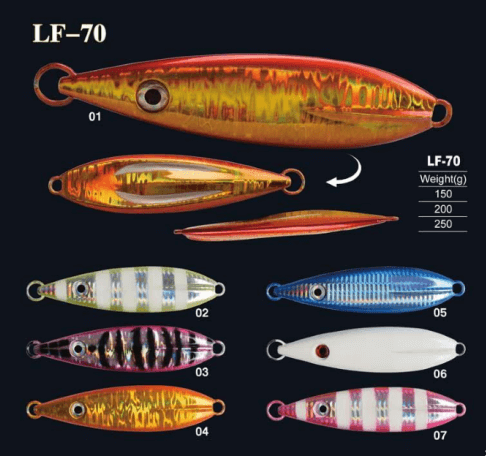
Metal jigs feature high-density construction, allowing them to sink quickly to deeper depths. They are ideal for offshore structures and open-water pelagic species. Many metal jigs include holographic finishes, reflective foils, UV coatings, and realistic patterns that flash during the descent. Their fast penetration through the water column makes them effective in currents and deepwater environments.
2. Slow Pitch Jigs
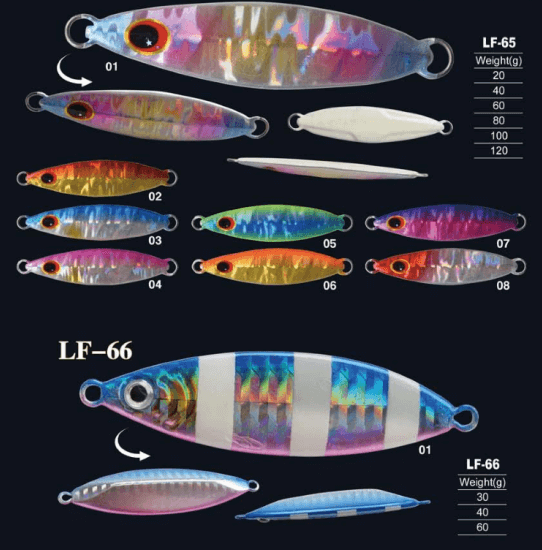
Slow pitch jigging has revolutionized the saltwater fishing world over the past decade. These jigs are typically center-balanced, designed to hang momentarily between rod lifts and flutter horizontally during the fall. The extended hang time keeps the lure visible to bottom-dwelling predators such as grouper, seabass, snapper, and cod. Compared to speed jigging, slow pitch requires less physical effort while still producing impressive strike rates.
3. Vertical Speed Jigs
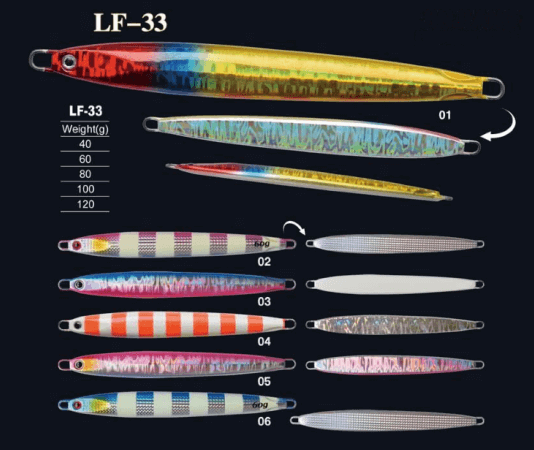
Speed jigs are designed for fast, aggressive presentations. Their sleek, elongated bodies decrease resistance, allowing them to move rapidly even in deep water. Anglers targeting amberjack, kingfish, yellowfin tuna, dogtooth tuna, and similar high-speed predators rely heavily on vertical speed jigging. Fish that respond to reaction strikes are particularly susceptible to these high-energy presentations.
4. Soft Plastic Jigs
Soft plastics offer lifelike movement and versatility. These lures are highly effective for freshwater species like bass, pike, walleye, and lake trout, but they also perform well in saltwater for redfish, flounder, snook, and halibut. The soft texture encourages fish to hold the bait longer, increasing hooking potential. Soft plastics can be rigged with round jig heads, swimbait jig heads, or weedless hooks depending on conditions.
5. Bucktail Jigs
Bucktail jigs are among the oldest jigging lures still widely used today. The natural deer hair creates a subtle, pulsing motion that maintains shape underwater. Bucktail jigs are popular in surf fishing, inshore jigging, and bottom fishing. Their simple yet realistic action makes them effective for species like striped bass, bluefish, snook, redfish, and tarpon.
Mastering Jigging Techniques for Better Results
Knowing how to work your jigging fishing lures is just as important as selecting the right one. Mastering the following techniques will greatly increase your success rate.
1. Vertical Jigging
This classic technique involves dropping the lure to the desired depth and working it upward with rhythmic rod lifts. The upward motion imitates a desperate baitfish attempting to escape, while the downward fall signals vulnerability. Vertical jigging shines in deep water, around structures, and when targeting species suspended in mid-water columns.
2. Slow Pitch Jigging
The slow pitch method requires precise timing and gentle rod action. The goal is to make the jig flutter horizontally, remaining in the strike zone for extended periods. This technique is perfect for days when fish are less aggressive or feeding near structure. Success depends on maintaining a slow, consistent rhythm rather than speed.
3. Knife Jig Speed Jigging
Speed jigging uses fast, continuous rod pumping combined with rapid reel cranking. The lure flashes, darts, and accelerates through the column, drawing reaction strikes. The method is physically demanding but highly effective. Fish often strike on the upward lift, so maintaining a tight line is critical.
4. Bottom Bouncing
When targeting bottom species, letting your jig touch structure can provoke interest from fish holding tight to reefs or rocks. Bottom bouncing mimics crustaceans or baitfish struggling along the seabed. Soft plastic jigs and bucktail jigs work exceptionally well here, making them ideal for freshwater and inshore saltwater use.
Choosing the Best Jigging Fishing Lures for Your Trip
Selecting the right jig is influenced by multiple environmental factors. Understanding how these elements affect lure performance will dramatically increase your success.
Water Depth
In deep offshore waters, jigs between 100g and 300g are necessary to reach the strike zone quickly. In shallow lakes, rivers, or coastal waters, weights between 10g and 60g are usually sufficient.
Current Strength
Strong currents require heavier, more streamlined jigs, while slow-moving waters allow for lighter, wider-profile jigs that flutter more naturally.
Clarity and Visibility
Color selection becomes critical in different visibility conditions:
- Clear water: natural silver, sardine, anchovy patterns
- Stained water: chartreuse, gold, copper
- Deep water: UV glow, pink/silver, blue/purple reflective jigs
Target Species
Certain jigs excel with certain species:
- Tuna, amberjack, kingfish: vertical speed jigs
- Snapper, grouper, cod: slow pitch jigs
- Bass, walleye, pike: soft plastic jigs
- Striped bass, bluefish, flounder: bucktail jigs
Where Jigging Lures Perform Best
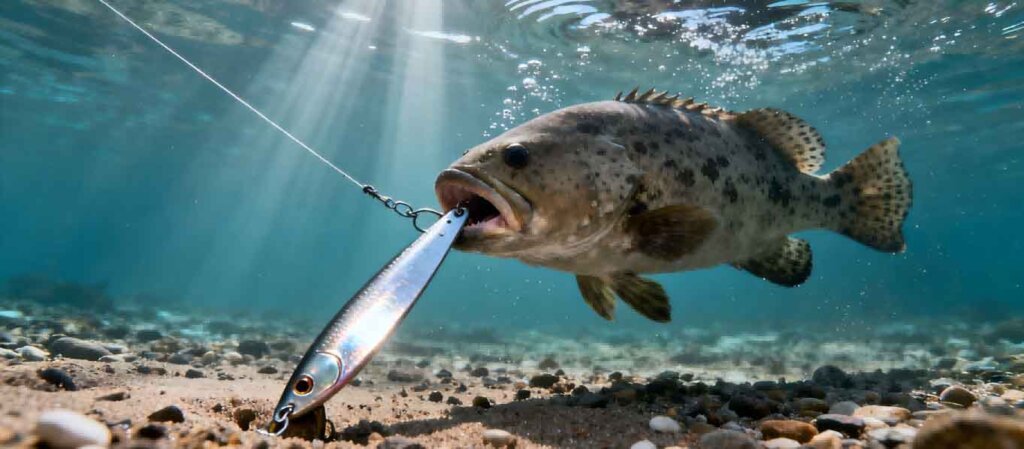
Jigs are highly effective in areas where predatory fish hunt for baitfish. Productive spots include:
- Offshore reefs and drop-offs
- Artificial reefs and shipwrecks
- Canyons and deep offshore trenches
- Freshwater lake ledges and suspended holes
- Piers, bridges, and vertical structures
- Surf zone troughs and sandbars
The vertical nature of jigging allows anglers to probe depths that other lures cannot reach efficiently.
Professional Tips for Jigging Success
1. Watch the Line During the Fall
Many fish strike as the jig sinks. Any unexpected twitch, slack, or sudden stop could indicate a bite. React quickly for a solid hookset.
2. Use Proper Gear
Jigging rods are designed differently from regular spinning rods. They feature strong backbones for lifting power and parabolic bends for shock absorption. Pairing your jigs with the correct rod and reel ensures optimal performance.
3. Upgrade Hardware for Saltwater
Large saltwater species can easily bend inferior hooks or split rings. Always check and upgrade hardware when necessary.
4. Experiment With Speed
Sometimes fish want fast, erratic movements; other times they prefer slow, subtle action. Changing rhythm can trigger more bites.
5. Use Smaller Jigs When Fish Are Finicky
Downsizing jig size often increases strikes when fish are pressured or feeding on smaller prey.
Common Mistakes Anglers Make with Jigging Fishing Lures
Even experienced anglers make errors that reduce effectiveness. Here are the most frequent mistakes:
1. Using the Wrong Jig Weight
A jig too light won’t reach the bottom, while a jig too heavy loses its natural action. Adjust according to current and depth.
2. Ignoring Sonar or Fish Finder Data
Jigging works best when you know where fish are located. Modern electronics dramatically improve catch rates.
3. Not Staying Vertical
Drifting too fast pulls the jig away from the intended presentation angle. Use a drift sock or adjust boat position when necessary.
4. Overworking the Jig
Not all jigging requires high intensity. Sometimes the best bites come from subtle, slow movements.
Why Jigging Fishing Lures Should Be Part of Every Angler’s Setup
Jigging fishing lures deliver results across species, environments, and fishing styles. Their versatility, depth control, and ability to imitate natural prey make them valuable for both recreational and commercial fishing. As fishing technology continues to improve, jigging remains a timeless and reliable method that rewards skill, strategy, and persistence.
Whether targeting trophy saltwater game fish or freshwater predators, jigs provide unmatched performance. Mastering their use will significantly improve catch rates and create more successful, enjoyable fishing adventures.