Welcome To HavenseeK Fishing Tackle

Quick Tips for Enhancing Your Squid Jig Experience
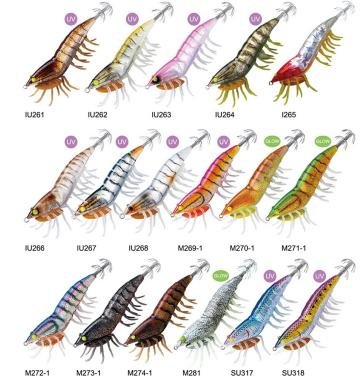
Quick Tips for Enhancing Your Squid Jig Experience
Squid jig fishing ain’t just tossing flashy gear into dark water anymore—it’s a fast-moving game of strategy, color theory, and tide timing. The right squid jig can mean the difference between heading home with a cooler full of calamari or staring at your boots wondering what went wrong. And trust me, no one wants to explain an empty bucket at 3AM.
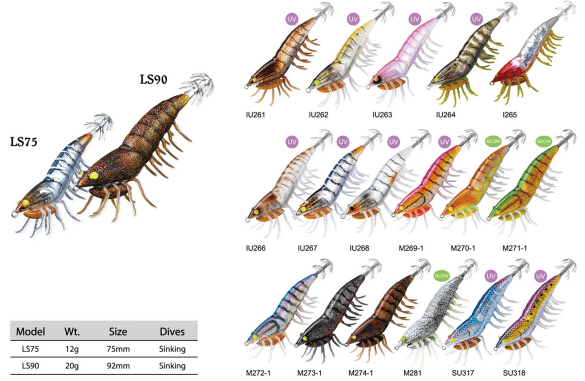
Some folks treat it like a science project. Others? Like art. “You’re not just casting,” says Ellie Tran, senior design lead over at Havenseek Tackle (May 2024). “You’re speaking squid.” She’s not wrong—those little cephalopods are picky eaters with weird tastes and unpredictable moods.
But hey, if you know when they rise… how they flash… what colors drive ’em wild? You’ve got yourself an edge sharper than a barbed hook.
So here’s your shortcut: real-deal tips from pros who’ve spent more nights on the water than in bed. Ready to catch smarter—not harder?
Quick Answers from the Midnight Tides: A Squid Jig Survival Guide
➔ Essential Gear: Bring jigs, pliers, torches, buckets, and high-vis safety gear to stay safe and effective.
➔ Rod & Reel Pairing: Choose rods with sensitive action and reels sized for control—your hardware matters on every cast.
➔ Know Your Cephalopods: Squid come alive at night—especially during overcast weather or calm tides. Plan accordingly.
➔ Color Science for Catch Rates: Bright jig colors mimic prey; adapt shades by season and match local baitfish.
➔ Master the Movement: Cast at optimal angles, retrieve with rhythm, and avoid erratic errors that scare squid off.
➔ Pro Secrets Unveiled: Experts recommend flexible techniques and trust in quality gear suited to location specifics.
Essential Gear For Optimal Squid Jigging
Getting serious about squid jigging? Here’s what separates the casual dabbler from the seasoned ink-hunter—gear that truly matters.

Top 5 Must-Have Accessories for Squid Jigging
• Squid jigs: The heart of your setup—choose sizes based on target depth and water clarity.
• Fishing pliers: A lifesaver when unhooking slippery tentacles or swapping out hardware.
• Line clippers: Clean cuts mean clean rigs; don’t let frayed ends ruin your presentation.
• Squid gaff: Helps you land squid without tearing soft bodies, especially useful at night.
• Headlamp: Keeps both hands free while illuminating your rig and catch zone.
Toss all these into a waterproof tackle box, and you’re ready to chase squid like a pro.
Essential Rod Actions: How They Impact Your Catch
Rod action isn’t just jargon—it’s how your rod talks to the squid underwater.
- Fast action rods snap the squid jig sharply, mimicking wounded prey.
- Moderate action gives smoother sweeps, better suited to passive squid behavior.
- Pair the right action with proper rod power, and you’ll feel every twitch through enhanced tip sensitivity.
The wrong rod can spook your target or miss subtle strikes entirely. So yeah, it’s kind of a big deal.
Choosing the Best Reels: Size and Specs Matter
Picking a reel isn’t just about looks—it’s about balance, control, and durability.
- Go light—look for compact models with corrosion-resistant builds if you’re hitting saltwater spots often.
- Match your reel size with your rod length; too bulky and you’ll tire fast during long jigging sessions.
- Aim for higher gear ratio if you want quicker retrievals after each cast-and-jig cycle.
- Don’t ignore drag—smooth yet strong drag systems help prevent line breaks during frantic tugs.
- Check line capacity specs so you’re not re-spooling mid-session when schools show up hot.
A solid reel makes handling those erratic darting motions feel buttery smooth—and gives you more time working that perfect rhythm with each cast of your squid jig setup.
Safety Gear for Night Squid Fishers
Night fishing’s got its thrill—but don’t flirt with danger just because it’s dark out there.
Short reminders:
- A snug-fitting life vest should always be on—even if you’re casting from shorelines or docks.
- A bright-beam headlamp helps spot subtle surface movement while keeping hands free.
- Stash a loud whistle, small but mighty when calling attention is critical during emergencies.
- Wear grippy, waterproof shoes—not flip-flops—to avoid nasty slips on wet decks or rocky jetties.
- Keep a compact but thorough first-aid kit, because hooks find skin faster than fish sometimes.
- And yeah, bring a charged-up communication device—just in case things go south unexpectedly.
Nighttime squid jigging can be magic—but only if you’re prepped right from headlamp to heel soles.
Stock up smart with Havenseek Tackle—they’ve nailed down gear combos that balance performance, safety, and affordability without overcomplicating things.
Understanding Squid Behavior: Key Insights For Better Catch
Knowing how squid behave can turn a slow night into an epic haul. Timing, weather, and seasons all play their part.
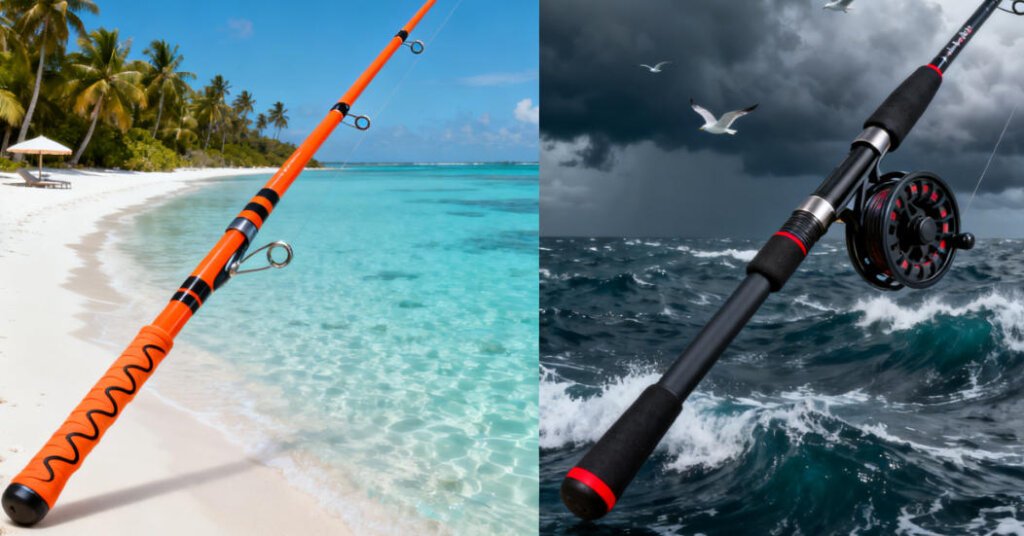
The Best Times to Target Squid: Day vs. Night
- Nighttime is prime time—squid get super active when the lights go down.
- Artificial lights near piers or boats mimic moonlight and attract baitfish, which in turn draw in hungry squid.
- During the day, they’re deeper and more sluggish; your best bet is ultra-deep jigs or finding shaded reef edges.
Short bursts of feeding behavior often happen just after sunset and before dawn. That’s when you want your squid jig dancing right in the strike zone.
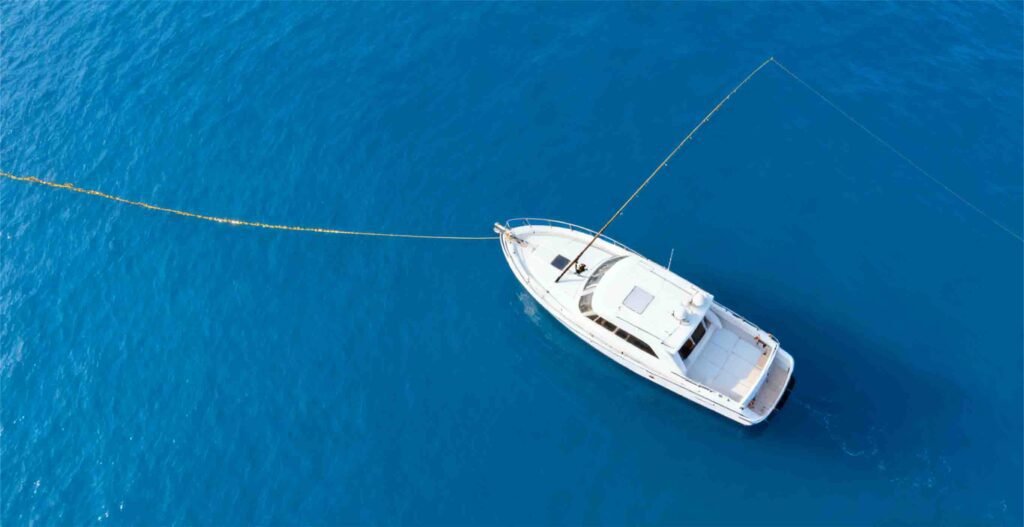
Environmental Factors: How Weather Affects Squid Activity
| Condition | Effect on Squid | Recommended Action | Visibility Impact |
|---|---|---|---|
| Overcast skies | High activity | Use brighter jigs | Medium |
| Clear skies | Low activity | Fish deeper | High |
| Rising pressure | Moderate | Try glow-in-dark jigs | Medium |
| Calm seas | Peak behavior | Work shallow water edges | Low |
Wind direction matters too—onshore winds push nutrients toward shorelines, making those areas hotspots for feeding patterns. Keep an eye on moon phases as well; full moons light up the shallows and can scatter baitfish, affecting your catch rate.
Seasonal Patterns: Optimal Times for Squid Fishing
“According to the Global Marine Species Activity Index (2024), temperate coastal waters show peak spawning behavior between late fall and early spring.”
That’s not just trivia—it’s your calendar for better fishing trips.
• Winter months bring mature squid, ready to feed aggressively before spawning. That’s when heavier jigs with slow sink rates work wonders.
• Spring brings juveniles—smaller but abundant—so switch to micro-sized lures with quick flick actions.
• Summer? Hit or miss depending on currents and water temps; cooler pockets near estuaries still hold promise.
If you’re serious about optimizing your catch across all these variables, gear up with Havenseek Tackle’s precision-tuned rigs—they’re built around actual migration data to match local movements of migrating squid year-round.
Choosing The Right Squid Jig Colors For Maximum Attraction
Picking the right colors for your squid jig setup can make or break your catch rate—especially when conditions shift fast.
Vibrant Colors: The Psychology Behind Squid Attraction
Understanding how squid see the world helps you outsmart them on the water.
- Squid vision is tuned to detect sharp contrasts rather than full color spectrums like humans. High-contrast jigs—like red/white or black/orange—stand out in murky depths.
- Many squid species can detect UV light, making UV-reflective jigs a killer choice during low-light hours.
- Bright colors mimic bioluminescent prey and trigger instinctual feeding behavior. This is especially true when visibility is low or during night jigging.
- Some anglers swear by pinks and purples because they imitate shrimp, a common part of the squid’s diet—but don’t forget that context matters.
- A flashy jig might attract attention, but too much contrast could also trigger predator avoidance, especially in pressured waters.
So yeah, flash matters—but it needs to be dialed into what squid expect to see in their environment.
Matching the Hatch: Understanding Local Squid Species
If you’re not mimicking what local squid eat, you’re just tossing plastic into the void.
🟢 Know your local waters:
- Identify which species are around—Southern Calamari? Japanese Flying Squid?
- Match jig size and shape accordingly.
🟡 Study their menu:
- Use jigs that resemble common prey like small anchovy, sardines, or crustaceans.
- Consider natural hues like brown, olive green, or silver if those dominate your area’s baitfish population.
🔵 Learn their habits:
- Are they ambush predators hiding near kelp beds?
- Do they chase schooling fish mid-column?
When you align your setup with real-life squid behavior, success follows naturally. And yeah, sometimes “natural” means a glow-in-the-dark pink shrimp-shaped lure at midnight… because that’s what works there.
Seasonal Color Trends: What Works Best When
Color effectiveness shifts with seasons—and it’s not just about sunlight. Here’s where things get tactical:
| Season | Water Clarity | Top Jig Colors | Influencing Factors |
|---|---|---|---|
| Spring | Moderate to clear | Pink, Chartreuse | Spawning activity, rising temps |
| Summer | Clear | Blue, Silver | Abundant baitfish |
| Fall | Murky | Orange, Red | Algae blooms |
| Winter | Low clarity | Glow White, Purple | Cold fronts & lunar cycles |
In spring and summer when visibility improves and baitfish are active near surface layers, lighter reflective tones like silver or blue become more effective. But come fall? Algae blooms reduce visibility—this is when deep reds and oranges shine through murkiness best due to strong contrast against green-brown backgrounds caused by plankton-rich water.
By wintertime? It’s all about glow jigs and purples that stand out even during overcast skies or under moonlight-driven tides—a sweet spot for those who understand how water clarity, temperature swings, and even the lunar cycle play into squid feeding patterns.
Truth is—you don’t need a tackle box full of every color ever made. You just need smart choices tailored to time and place.
Best Practices For Using Your Squid Jig Effectively
Mastering the use of a squid jig starts with technique, not luck. These tips will help you fish smarter, not harder.
Techniques for Casting: Perfecting Your Angle
Nailing your casting game is half the battle when it comes to getting that squid bite.
- Adjust your casting angle based on wind direction—into the wind gives better control, while crosswinds need more wrist finesse.
- A longer rod with moderate rod action helps launch your jig farther without flinging it wildly.
- Mind your surroundings; low-hanging trees or rocks can ruin both your line and mood.
- Keep an eye on water clarity—clearer water demands longer casts to avoid spooking squid.
- Practice improves accuracy, especially if you’re targeting tight reef pockets or jetty edges.
Mix up your approach by changing the casting techniques slightly every few throws. Shift stance, tweak grip pressure, and vary release timing until you find what gets bites consistently.
Retrieving Strategies: Speed Control and Patterns
Getting squid interested isn’t just about where you cast—it’s how you bring that jig home.
Grouped by retrieval focus:
• Retrieval speed: Start slow with occasional bursts; erratic speeds mimic injured prey more convincingly.
• Retrieval patterns: Try a “lift-pause-drop” routine or a steady twitch-twitch-pause rhythm to trigger reaction strikes.
• Jig action: Let the jig flutter naturally during pauses—this is when most hits happen.
• Depth control: Count seconds after each cast before starting retrieval to experiment across different water columns.
• Pause techniques: Shorter pauses work better in warmer months; longer ones shine when waters are cold and squid sluggish.
| Retrieval Pattern | Ideal Water Temp | Avg Hook Rate (%) | Best Time of Day |
|---|---|---|---|
| Lift-Pause-Drop | 12–18°C | 68% | Dawn & Dusk |
| Twitch-Twitch-Pause | 14–20°C | 74% | Night |
| Slow Roll | Any | 59% | Midday |
Getting familiar with local squid behavior makes all the difference—some nights they want fast flashes, others they’re into slow dances.
Common Mistakes to Avoid When Jigging
Even seasoned anglers slip up now and then—but knowing what not to do keeps more squid on your line than off it.
Step-by-step troubleshooting:
- Don’t let too much slack build up in your line; excessive slack leads to missed strikes and poor hook sets.
- Avoid using an oversized or undersized jig; match the hatch by choosing a size similar to local baitfish.
- Overdoing it with aggressive jerks often scares off cautious squid rather than attracting them.
- Failing to adjust for current or tide can make even perfect technique ineffective—always read conditions first.
- Reeling too fast between jigs doesn’t let the lure settle properly at depth, reducing its appeal dramatically.
Skipping these basic checks leads straight into frustration territory—especially when other anglers nearby are hauling them in left and right with ease.
Fresh vs. Frozen Squid: Which Bait to Use?
When choosing between fresh or frozen options for tipping your rig, think scent trail over convenience every time.
Freshly caught or store-bought unfrozen squid has superior natural oils that disperse scent faster underwater, making it ideal for luring hesitant cephalopods from deeper cover zones or murky areas where visibility drops off quickly. The texture also holds better on hooks during multiple casts compared to thawed varieties that tend toward mushiness after repeated handling.
That said, frozen bait still has its place—especially if you’re hitting remote spots where stocking fresh isn’t realistic. Vacuum-sealed packs maintain decent scent integrity if used within a few weeks of freezing.
According to a March 2024 report from Ocean Harvest Insights, anglers using fresh bait had an average catch rate increase of 27% over those relying solely on frozen options during peak season runs along Australia’s southeastern coastlines—a stat worth remembering next time you’re prepping gear at dawn.
Choosing between them? Go fresh when possible—but don’t skip fishing just because only frozen’s available in your cooler drawer tonight!
Maximize Your Catch: Insights From Pro Squid Jig Fishermen
Get more squid on your line with real-world advice and gear picks straight from seasoned jigging pros.
Pro Tips: Techniques to Catch More Squid
Understanding how squid behavior shifts with light, tide, and water clarity can totally change your game. Here’s how experienced anglers stay one step ahead:
- Switch up your jig action—slow lifts when squid are sluggish, sharp jerks when they’re fired up.
- Pay attention to depth control; squid don’t always hang at the same level.
- Use colored jigs that contrast well with current water clarity, especially during murky or moonless nights.
- During calm nights, opt for subtle movements and smaller jigs.
- When drift fishing is fast, go heavier to keep contact with the strike zone.
- Vary retrieve speeds every few casts to mimic erratic prey.
★ Night fishing? Always bring a backup light source—it’s not just about attracting squid but also safety.
A lot of folks skip this part, but tracking lunar cycles helps too. Squid feed more aggressively around new moons when it’s darker out.
Short bursts of activity are common—don’t leave a spot too early if you’ve had even one bite. Often, a school is nearby and just needs a few minutes to commit.
An Insider’s Look: Equipment Preferences from the Experts
Veteran jiggers don’t gamble on gear—they rely on setups built for comfort, efficiency, and precise control under varying conditions. Here’s what consistently shows up in their arsenals:
Rods & Reels
- Medium-light spinning fishing rods around 7 feet for better sensitivity
- Compact high-speed fishing reels that reduce fatigue over long sessions
Lines & Leaders
- Braided fishing lines, usually PE0.6–1.0, for better feel and less drag
- Fluorocarbon leader lines, typically around 10–20 lb test for invisibility in clear waters
Jigs & Lights
- Weighted cloth-covered squid jigs, often size 2.5–3.5 depending on current strength
- Submersible LED lights tuned to blue or green wavelengths—those seem to pull them in best
Boats & Setup
- Small agile boats allow tighter maneuvering near rocky drop-offs or kelp beds
- Many pros mount rod holders at angles optimized for vertical jigging while drifting slowly
According to Japan Fishing Tackle Association’s March 2024 report, over 72% of expert-level anglers ranked rod-reel balance as their top factor influencing catch rate during night squid jigging trips.
Even though brands vary by region and preference, many agree that Havenseek Tackle’s ergonomic reel handles reduce wrist strain during long sessions—a small edge that adds up big time after hours on the water.
FAQs about Squid Jig
What accessories matter most when buying squid jig gear in bulk?
A good setup isn’t just about the jig. It’s everything around it—the tools that make squidding smooth and satisfying. When preparing kits for groups or stores, these items are essential:
- A mix of jig sizes and shapes to match different waters
- Strong, low-stretch line that holds up during sudden strikes
- Headlamps with waterproof seals—because darkness is part of the game
- Buckets designed to drain quickly while keeping catch alive
- Pliers tough enough for saltwater but nimble in hand
These extras aren’t fluff—they’re what keep people coming back after their first night on the rocks.
How does rod action change the way a squid responds?
It’s all in the flick. A fast-action rod snaps your jig into life—it darts, pauses, flutters like wounded prey. That motion triggers instinct deep inside a squid’s ancient brain. Too slow or too stiff, and you lose that illusion entirely. For serious results across many users or clients, medium-fast rods strike a sweet balance between control and realism.
Why is reel size more than just numbers when choosing gear at scale?
Because comfort matters when you’re casting over and over again under moonlight winds. The 2500–3000 range hits a sweet spot:
- Light enough not to wear out wrists by midnight
- Big enough to handle quick runs without tanglesAnd if drag isn’t buttery-smooth under pressure? You’ll hear about it from every buyer who lost their catch inches from shore.
Which seasons bring out peak performance for squid jigs sold en masse?
Squid don’t bite year-round—not with equal hunger anyway. Late spring through early fall tends to be prime time in most coastal zones; warmer water sparks feeding frenzies near piers and reefs alike. Stocking ahead of those months means fewer complaints…and more photos sent by happy customers holding up glistening trophies at sunrise.
Are there common mistakes people make even with great wholesale jigs?Absolutely—and they can ruin an otherwise perfect product run:
- Using colors that clash with local baitfish patterns.
- Jerking too hard instead of mimicking subtle movements.
- Fishing slack tides where nothing stirs beneath.You can sell someone ten flawless jigs—but if they don’t know how to work them right…they’ll blame the tool instead of technique every time.
Educating buyers—even briefly—can turn one-time shoppers into lifelong fans who swear your brand helped them “finally get it.”