Welcome To HavenseeK Fishing Tackle

fly rod setup and reel combo
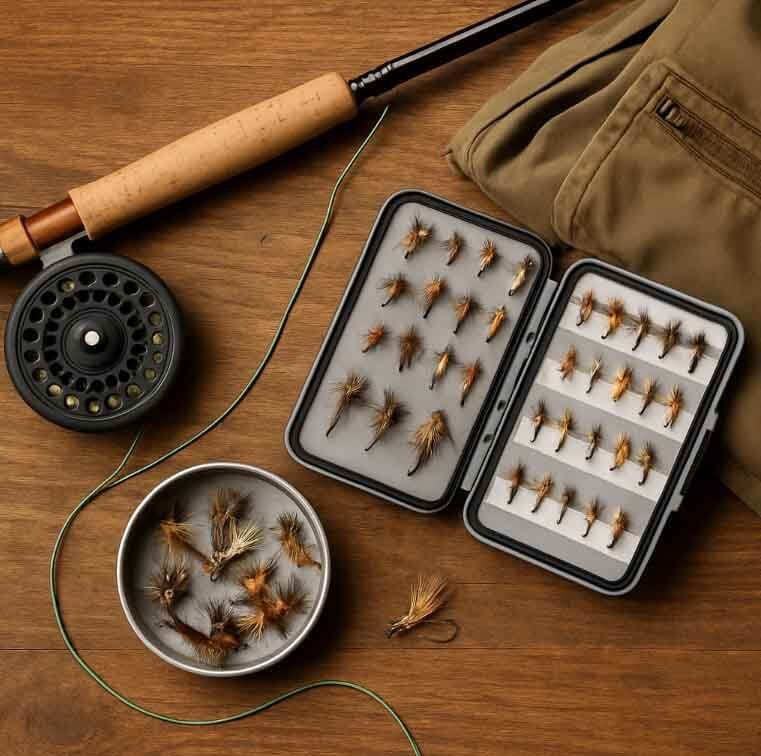
Fly fishing is a captivating and rewarding outdoor activity that has been enjoyed for centuries. It combines the art of casting, the thrill of the catch, and the tranquility of being in nature. To get started on your fly fishing adventure, selecting the right fly fishing rod and reel combo is essential. In this guide, we will look at the parts of a fly rod setup. We will discuss what to think about when buying a fly fishing combo. You will also find tips for using your equipment effectively.
Before you dive into the specifics of fly fishing rods and reels, it’s crucial to understand the basics of a fly fishing setup. A typical fly fishing setup includes a fly rod, a fly reel, fly line, backing, and leader. Each component plays a vital role in the overall performance of your fly fishing experience.
The Fly Rod Setup
Know more Fly Rod Setup
The fly rod is the heart of your fly fishing setup. It’s designed to cast lightweight flies with precision and finesse. Fly rods are usually longer and more flexible than regular fishing rods. This helps anglers cast delicate flies over longer distances. When choosing a fly rod, consider the following factors:
- Rod Length: Fly rods typically range from 7 to 10 feet in length. Shorter rods are ideal for small streams, while longer rods are better suited for larger rivers and open water.
- Rod Weight: The weight of the rod corresponds to the weight of the fly line it is designed to cast. Rod weights go from 1 to 14. Lower numbers work well for small fish and light presentations. Higher numbers are better for larger fish and heavier flies.
- Action: Fly rods come in different actions, such as slow, medium, and fast. Action refers to how much the rod bends during casting. Slow-action rods are more flexible and forgiving, while fast-action rods provide more power and precision.
The Fly Reel
The fly reel is an essential component of your fly fishing setup, as it holds the fly line and provides the drag system for fighting fish. When selecting a fly reel, consider the following:
- Size: The size of the reel should match the weight of the fly rod and the fly line. A well-balanced setup ensures optimal performance and ease of use.
- Drag System: The drag system controls the resistance on the line when a fish is pulling. Reels with smooth and adjustable drag systems offer better control over fighting fish.
Fly Line, Backing, and Leader
- Fly Line: The fly line is the most critical part of the fly fishing setup. It is specially made to add weight for casting. It comes in different types, like floating, sinking, or sink-tip. These types suit various fishing conditions.
- Backing: Backing is a thin, strong line attached to the reel before the fly line. It provides extra line capacity for when a fish makes long runs.
- Leader: The leader is a tapered monofilament or fluorocarbon line that connects the fly line to the fly. It is designed to be nearly invisible underwater and transfers energy from the fly line to the fly for accurate casting.
Choosing the Right Fly Fishing Combo
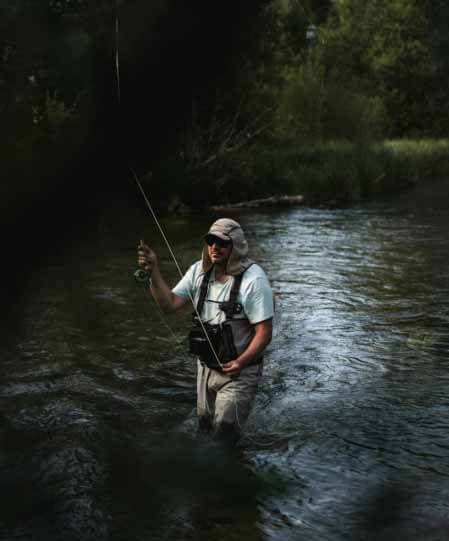
When selecting a fly fishing rod and reel combo, it’s important to consider your fishing environment, target species, and personal preferences. Here are some key factors to keep in mind:
Your Fishing Environment
- Small Streams and Creeks: For smaller bodies of water, use a lightweight fly rod (2-4 weight). A shorter length (7-8 feet) helps with precise casting in tight spaces.
- Larger Rivers and Lakes: For larger water bodies, opt for a medium to heavy fly rod (5-8 weight) with a longer length (9-10 feet) to handle longer casts and bigger fish.
- Saltwater Fishing: Saltwater fly fishing requires a robust setup. Choose a heavier fly rod (8-12 weight) with corrosion-resistant components to withstand the harsh saltwater environment.
Target Species
The type of fish you intend to catch will influence your choice of fly fishing combo. Lighter setups work well for small trout and panfish. Heavier combos are needed for larger fish like salmon, steelhead, or saltwater species.
Budget and Quality
Fly fishing combos are available in a wide range of prices. You can find budget-friendly options, but investing in a quality combo can improve your fishing experience. It will also give you better performance and durability.
Tips for Getting the Most Out of Your Fly Fishing Combo
Once you’ve selected your fly fishing rod and reel combo, here are some tips to help you make the most of your equipment:
Practice Casting
Fly casting is a skill that requires practice and patience. Spend time honing your casting technique to improve accuracy and distance. Consider taking a casting lesson or watching instructional videos to refine your skills.
Maintain Your fly rod setup
Proper maintenance of your fly fishing gear ensures longevity and optimal performance. Rinse your reel and rod with fresh water after each use, especially if you’ve been fishing in saltwater. Check and clean your fly line regularly to prevent wear and tear.
Explore Different Fly Patterns
Experiment with various fly patterns to match the insects and baitfish present in your fishing area. Understanding the local ecosystem and hatch patterns can significantly increase your chances of success.
Stay Informed and Connect with the Community
Stay up-to-date with the latest fly fishing techniques and trends by joining fly fishing forums, attending workshops, or subscribing to fly fishing magazines. Engaging with the fly fishing community can provide valuable insights and tips for improving your skills.
Conclusion
Choosing the right fly fishing rod and reel combo is crucial for a successful and enjoyable fly fishing experience. By understanding the components of a fly fishing setup and considering your fishing environment, target species, and budget, you can make an informed decision that meets your needs. With practice, maintenance, and a bit of exploration, your fly fishing combo will open up a world of adventure and relaxation on the water.