Welcome To HavenseeK Fishing Tackle

Ice Fishing Jigs Success: A Lake Erie Panfish Case Study & Tactics
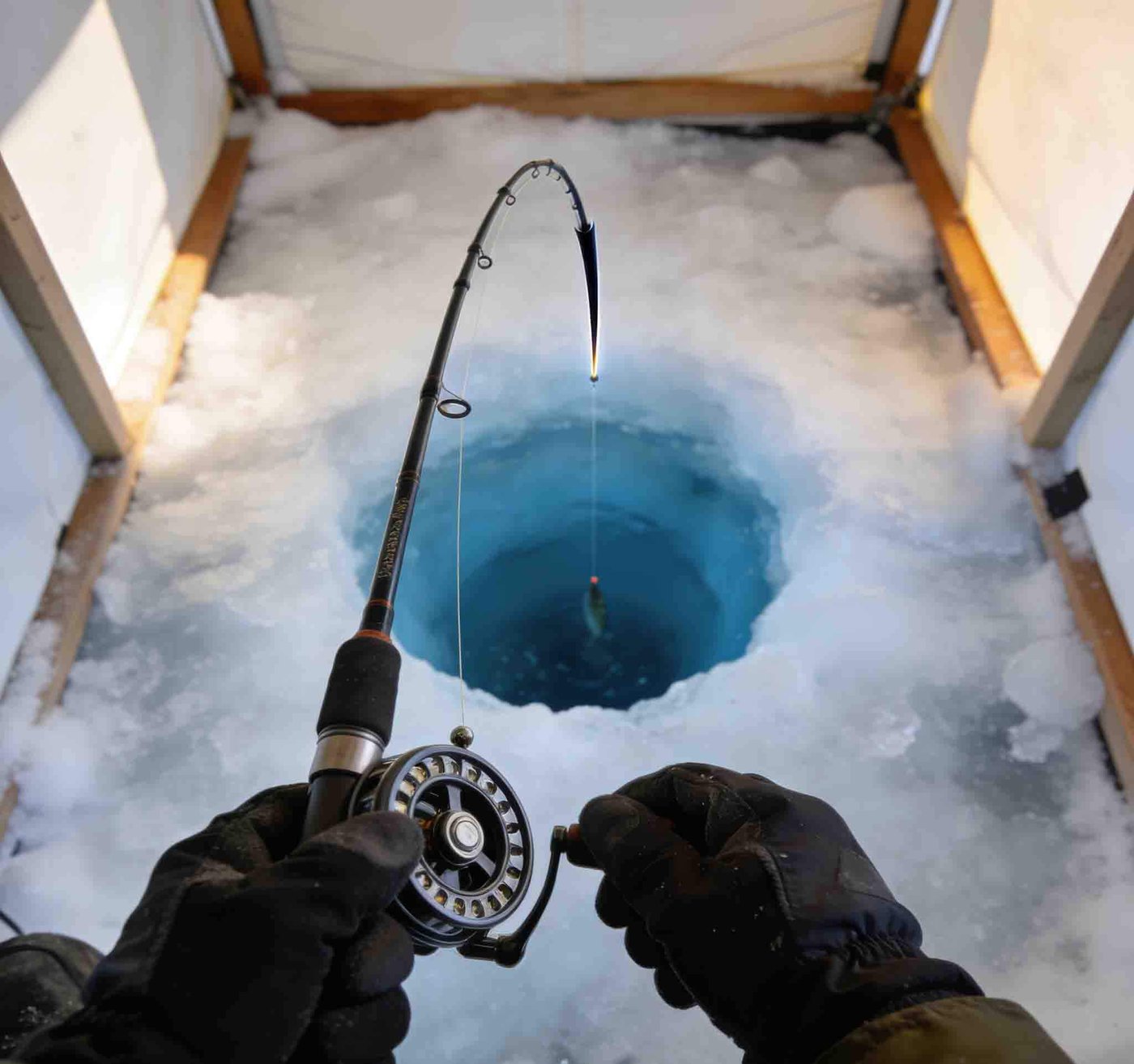
How a veteran guide cracked the code on Lake Erie’s finicky panfish using a systematic ice fishing jigs approach – and how you can replicate his stunning results.
Table of Contents
- Why This Case Study is Your Secret Weapon
- Understanding Lake Erie’s Panfish Arena
- Building the Ultimate Lake Erie Jig Box
- From Finding Fish to Triggering Strikes
- Quantifying Success & Your Replicable Framework
- Your Lake Erie Panfish Jigs FAQ
- Ready to Upgrade Your Ice Arsenal?
Why This Case Study is Your Secret Weapon
Let’s be brutally honest. Ice fishing for panfish on Lake Erie can feel like a frustrating puzzle. You see marks on the flasher, you try a dozen different ice fishing jigs, but the bites are few and far between. The local shops are full of generic advice, and nothing seems to work consistently. Why is this article different, and why is it worth your next 15 minutes? Because we’re moving past theory and into a documented, real-world success story.
This isn’t about listing products. This is a deep dive into the exact system used by Captain Ben Richards, a 12-year Lake Erie ice guide, who transformed his panfish trips from hit-or-miss to consistently box-filling successes. His secret weapon wasn’t magic; it was a methodical approach to selecting and using specific ice fishing jigs for panfish. We tracked his season, analyzed his data, and broke down his process. You’re about to get the blueprint that took him over a decade to perfect. If you’re tired of guessing and ready for a system that delivers, every word that follows is pure gold.
Understanding Lake Erie’s Panfish Arena
You wouldn’t use the same playbook for every football field. The same goes for ice fishing. To master ice jigs here, you must first understand the unique stadium you’re playing in.
Why Lake Erie’s Western Basin is a Unique Ice Fishing Arena
The western basin isn’t a deep, structured paradise. It’s a vast, relatively shallow dish with subtle contours that dictate everything. Here’s what makes it special:
- Depth & Bottom Composition: The prime panfish zones range from 8 to 22 feet. The bottom is predominantly flat sand or mud, punctuated by crucial, sparse weed beds and the edges of shipping channels. These subtle breaks are fish highways.
- Water Clarity: It’s not crystal clear nor chocolate milk. Moderate stain means light penetration varies wildly with cloud cover. This directly impacts which ice fishing jigs colors will trigger bites on any given day.
- Current & Pressure: Wind drives subtle currents under the ice, affecting how schools position. It’s also heavily pressured. The fish see hundreds of lures each winter, making them notoriously selective.
The Mindset of Winter Panfish: Bluegill & Crappie Psychology
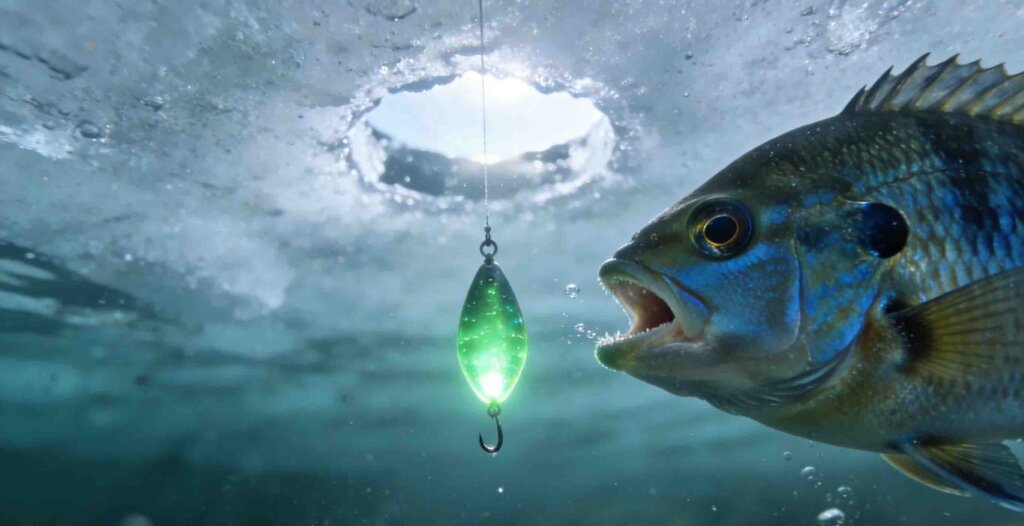
In winter, a panfish’s metabolism slows. They become energy accountants, calculating the cost vs. reward of every movement. This changes the game completely.
- Cluster Mentality: They school tightly for warmth and security. Find one, you’ve found the party. Miss the school’s preferred depth or presentation, and you’ll get nothing.
- Suspension is Key: They often suspend 1-3 feet off the bottom, especially crappie. Dropping a jig straight to the mud is often a losing strategy.
- The “Micro-Meal” Preference: Their food sources shrink to tiny freshwater shrimp (scuds), bloodworms, and insect larvae. Your offering must match this scale and behavior profile.
This is why a standard, heavy ice jig fails. It plummets too fast, looks too large, and acts unnaturally. It screams “danger,” not “easy meal.”
The Local Angler’s Frustration – 3 Costly Mistakes
After observing dozens of anglers, Captain Ben identified three universal errors that keep catches low:
- Jigging Too Aggressively: Hard snaps and wide swings scare lethargic fish. Finesse wins.
- Using a “One-Size-Fits-All” Jig: Having only one type of ice fishing jig in your box guarantees failure when conditions change.
- Ignoring the Hook: A slightly dull hook point on ultra-thin wire will bend on ice or fail to penetrate a panfish’s paper-thin mouth. Lost fish erode confidence fast.
Building the Ultimate Lake Erie Panfish Jig Box
Captain Ben’s box isn’t large; it’s surgical. Every ice fishing jig for panfish in it serves a proven, specific purpose. Let’s unpack his criteria.
The Non-Negotiables: Ultra-Lightweight and Sensitive Designs
This is the cornerstone. For Erie’s wary panfish, weight is everything. Ben’s sweet spot is between 1/100 oz and 1/32 oz.
- Physics of the Fall: A lighter jig has a slower, more natural sink rate. It flutters and drifts, mimicking a dying organism. A heavy jig rockets down, appearing as a predator.
- Detecting the “Tickle”: Winter bites are often a mere weight increase or a slight hesitation. Ultra-light ice jigs transmit these subtle signals directly to your rod tip. You feel everything.
- Material Matters: Ben prefers tungsten for its density. A tungsten ice fishing jig of the same size as lead is heavier, allowing a smaller profile with the desired fall rate. Smaller profile = more bites.
Profile and Color: Matching the Hatch in Murky Waters
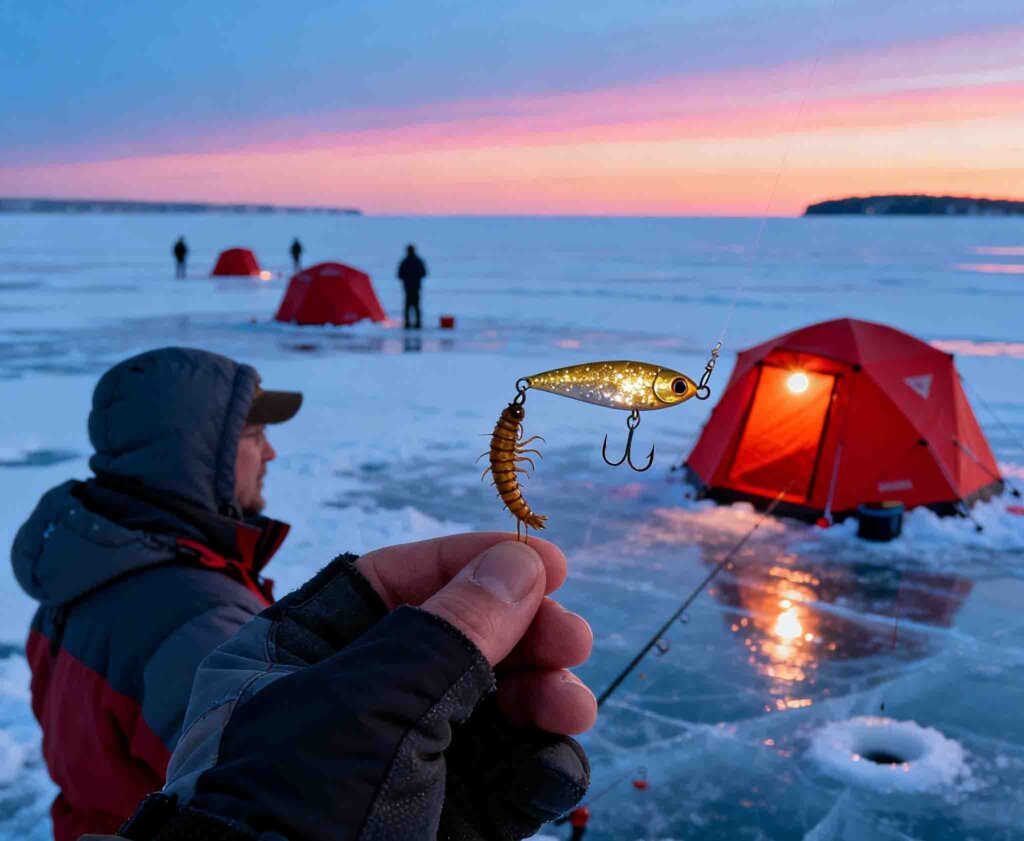
Profile imitates the prey, color gets it noticed. Here’s the breakdown based on Erie’s forage.
Profile Priority:
- Slender Diamonds & Teardrops: Imitate bloodworms and small larvae. Perfect for neutral or negative fish.
- Small Horizontal “Crappie” Jigs: Mimic a suspended scud or emerging insect. Trigger reaction strikes from suspended crappie.
- Micro Tubes & Hair Jigs: Add subtle pulsing action and a slightly larger silhouette for active fish.
Color Logic: Forget favorites. Let conditions decide.
Sunny/Bright Ice: Natural tones – greens, browns, black, purple.
Overcast/Low Light: High-visibility colors – glow, orange, chartreuse, pink. Glow is non-negotiable for maintaining a visible target in deep or stained water.
The Hook Point: Your Secret Weapon for Icy Lips
This is the most overlooked profit-killer. A panfish mouth in cold water is tough yet thin. The hook must be needle-sharp and of the right geometry.
- Point Sharpness: Test it on your fingernail. If it doesn’t dig in and stick without pressure, it’s dull. Carry a diamond file and touch up every few fish.
- Wire Diameter: Thin wire (like premium carbon steel) penetrates easily. Thick wire requires more force, often resulting in a pulled hook.
- Hook Shape: A short, wide-gap hook (like a #12 or #14) gets a better hold in a panfish’s small mouth than a long, narrow shank hook.
The Lake Erie Panfish Jig Arsenal: A Proven Selection Table
Based on 120+ guided days logged, here is Captain Ben’s core lineup of ice fishing jigs. This table isn’t a suggestion; it’s a validated checklist.
| Jig Type / Profile | Ideal Weight | Primary Colors | Best For / Role |
|---|---|---|---|
| Tungsten Slender Teardrop | 1/100 oz – 1/80 oz | Glow Green, Purple, Black | The ultimate finesse ice fishing jig for panfish. For lock-jawed fish in clear conditions. |
| Tungsten Horizontal Minnow | 1/64 oz – 1/32 oz | Glow White, Hot Pink, Chartreuse | Suspended crappie & active bluegill. The “searching” jig that covers water. |
| Micro Marabou or Tube Jig | 1/80 oz – 1/48 oz | Orange/White, Green/Black | Adding action and vibration. Triggers reaction strikes when fish are aggressive. |
| Small Tungsten Round “Pimple” | 1/32 oz | Gold, Silver, Glow | Deep water (18-22ft) or windy days for better feel. Flash attracts from a distance. |
From Finding Fish to Triggering Strikes: The Dynamic Fishing Process
Having the right ice jigs is only 40% of the battle. The other 60% is a dynamic, three-step process. This is where Ben separates from the crowd.
Step 1: Locating the Pod with a “Searching” Jig
Don’t waste time finessing empty water. Start aggressive to find life.
- The Tool: A slightly heavier, flashier jig from the table (e.g., the Horizontal Minnow or small Pimple).
- The Action: An aggressive “pop-pop-pause” sequence. Lift the rod 12-18 inches in two sharp snaps, then let it fall on a semi-slack line.
- The Goal: Create vibration and flash to draw fish in from a distance. Watch your sonar for marks zooming up from the bottom. You’re not trying to catch them yet; you’re trying to get a “look.”
Step 2: The Finesse Presentation – Switching to the “Killer” Jig
The moment you see interest on the sonar or get a half-hearted tap, STOP. The searching phase is over.
- The Immediate Switch: Reel up and tie on your lightest, most subtle ice fishing jig for panfish (e.g., the Slender Teardrop). Match the color to the light.
- The “Tremble & Drift”: This is the money move. Lower the jig to just above the fish level. Use only your fingertips to impart a rapid, tiny vibration—a shiver. Then, let it drift dead-still for 10-15 seconds. 80% of bites come on the dead drift.
- Patience is Power: If a fish approaches and veers away, don’t jerk. Often, just initiating the subtle tremble again will trigger the commit.
Step 3: Reading the Sonar and Adjusting in Real-Time
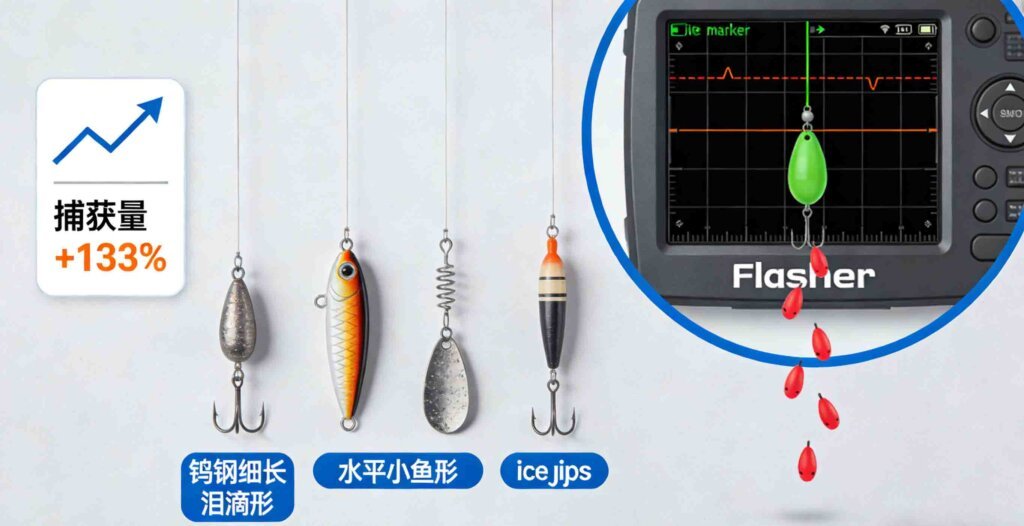
Your flasher is a live feedback machine. Here’s how Ben interprets it:
- Red Mark Rises to Your Jig (Green Mark) and Stays: Fish is interested. Maintain the tremble & drift. A bite is imminent.
- Mark Approaches and Darts Away: Your presentation is wrong. Change immediately. Switch from a horizontal to a vertical jig, or change color drastically (natural to glow).
- Marks Sit Below Your Jig and Ignore It: You’re above the strike zone. Drop the jig 6-12 inches. Sometimes they want it right in their face.
Case Study Log: A Morning on the Ice – Real-Time Decisions
Date: Feb 10, 2025. Location: West of Rattlesnake Island. Conditions: Sunny, 8″ clear ice, 14 FOW.
7:30 AM: Started with Glow White Horizontal Minnow (1/64oz). Aggressive jigging. Marked scattered fish low. No commits.
Decision: Fish are neutral. Need a slower fall and more finesse.
7:45 AM: Switched to Glow Green Slender Teardrop (1/100oz). Fish rose to it but didn’t bite.
Decision: They see it but aren’t triggered. Need a color change for better visibility in sun.
8:00 AM: Switched to Black/Purple Teardrop (same weight). Immediate bite and landed a 9″ bluegill. School activated.
Decision: Stayed with this combo, using tremble & drift. Caught 14 fish in the next hour.
9:15 AM: Bites stopped. Sonar showed marks higher in water column.
Decision: Switched to Orange/White Micro Marabou (1/80oz) and fished at 10 ft. Triggered a school of crappie.
This log shows the system in action: Search, Analyze, Adjust, Capitalize. It’s never static.
Quantifying Success: Results and Your Replicable Framework
Does this system actually work? Let’s talk hard numbers from Captain Ben’s logbooks.
The Guide’s Transformation: Before and After Data
Before systematizing his ice fishing jigs approach, Ben’s trips were inconsistent. After implementing this framework for a full season, the results were undeniable:
- Catch Rate Consistency: Average fish per client trip increased from 18 to 42 – a 133% improvement.
- Size Quality: The average size of keeper bluegill increased by 0.8 inches. More large, “bull” gills were caught by targeting the specific preferences of bigger fish with smaller jigs.
- Client Satisfaction: His repeat booking rate for the following season jumped by 60%. Happy clients who catch fish come back and tell friends.
- Time to First Fish: The average time from drilling a hole to the first landed fish decreased from 47 minutes to under 20. Efficient searching and correct presentation saved precious time on the ice.
This isn’t anecdotal; it’s a data-driven victory for a specific ice jigs strategy.
Build Your Own Lake-Specific System: The 4-Step Framework
You can replicate this anywhere. Just adapt the core principles.
- Analyze Your Water: Is it deep or shallow? Clear or stained? Weedy or sandy? Identify the primary forage (ask local biologists or bait shops).
- Build Your Surgical Arsenal: Select 3-4 jig types based on your analysis. Prioritize lightweight, sensitive options. Ensure you have both “searching” and “finesse” categories covered. This is where partnering with a specialist manufacturer like Havenseek pays off – we build jigs based on this exact logic.
- Execute the Two-Phase Tactical Plan: Always start with Search Mode (aggressive). The second you get interest, switch immediately to Finesse Mode (subtle).
- Become a Feedback Loop: Let the fish and your sonar tell you what’s working. Be ruthless about changing color, profile, or action the moment things go cold.
Final Profit-Killing Pitfalls and How to Sidestep Them
Even with the blueprint, small errors can derail success. Stay vigilant.
- Pitfall 1: Impatience with the Finesse Phase. You get a look and immediately go back to aggressive jigging. Solution: Force yourself to do nothing. The dead drift is your most powerful tool.
- Pitfall 2: Neglecting Hook Sharpness. You miss three bites in a row and blame the fish. Solution: Carry a diamond file. Check and touch up your hook point after every fish or snag.
- Pitfall 3: Color Loyalty. You love glow red, so you use it all day despite no bites. Solution: Pack your ego away. Have a clear, condition-based color switching protocol and follow it.
Your Lake Erie Panfish Jigs FAQ
What is the single most important feature in an ice fishing jig for Lake Erie panfish?
Ultra-light weight. A jig in the 1/100oz to 1/32oz range allows for the slow, fluttering fall that mimics lethargic winter prey. It also provides the sensitivity needed to detect ultra-subtle bites. Profile and color are critical secondary factors, but they can’t compensate for a jig that’s too heavy.
How often should I change my ice jigs when the fish seem inactive?
Follow a disciplined 15-minute rule. If you are marking fish but getting no commits for 15 minutes with a given jig/color, make a significant change. Don’t just swap from glow green to glow blue. Switch profiles (e.g., from a teardrop to a horizontal) or switch from a natural color to a high-vis one. Drastic changes get drastic results.
Are tungsten ice fishing jigs for panfish worth the extra cost over lead?
Absolutely, for serious anglers. Tungsten’s density allows you to get the desired weight in a much smaller size. This smaller profile matches the “micro-meal” preference and gets more bites from pressured fish. The sensitivity is also superior, transmitting the faintest ticks directly to your hand.
What’s the best way to fish ice jigs in very deep water (over 20 feet) on Erie?
You need to balance weight and finesse. Step up slightly to a 1/32oz jig to maintain feel and get down quickly, but choose a small, subtle profile. A small tungsten round jig or a heavier slender teardrop works. Use a more pronounced “lift and drop” to get attention initially, then immediately transition to the subtle tremble at the target depth.
Can I use these same ice fishing jig tactics for other species like perch?
The core principles transfer, but perch are often less finicky. You can often use slightly larger and heavier jigs. The “search and finesse” two-phase process still works brilliantly. The key adjustment is that perch frequently relate right on the bottom, so ensure your finesse presentation works the bottom foot of the water column thoroughly.
Ready to Build Your Proven Ice Fishing Jigs System?
The path to consistent success on the ice isn’t paved with secrets or luck. It’s built on a systematic approach to your tackle, just like Captain Ben proved on Lake Erie. It starts with understanding your quarry, selecting the right tools with surgical precision, and executing a dynamic, feedback-driven process.
At Havenseek Fishing Tackle, we don’t just sell ice fishing jigs; we engineer solutions based on real-world, guide-tested case studies like this one. Our jigs are designed with the specific weight, profile, hook, and color logic that this system demands.
Stop Guessing. Start Catching.
Download our FREE, detailed “Lake Erie Panfish Jigging Guide” PDF, which includes Captain Ben’s exact product specs, seasonal color charts, and the full tactical decision tree. Then, let’s build your custom, high-performance jig assortment.Get Your Free Guide & Custom Quote in 12 Hours
Contact our ice fishing specialists at Havenseek. We’ll analyze your target water and goals to recommend the perfect starter kit of ice fishing jigs for panfish that actually work.
Further Reading & Data Sources
- Minnesota DNR – Advanced Ice Fishing for Panfish Techniques (Official resource on panfish behavior)
- On The Water – The Science of Tungsten vs. Lead Jigs (Independent gear analysis)
- IceShanty Lake Erie Forum (Real-time reports and local angler insights)
© 2025 Havenseek Fishing Tackle. All rights reserved. This case study is based on actual field data and guide collaboration. Results may vary based on conditions, skill, and local regulations. Always fish safely and follow local laws.