Bem-vindo ao HavenseeK Equipamento de Pesca

Kayak vs SUP Pesca: Guia de Varejo B2B de Altas Margens de 2026
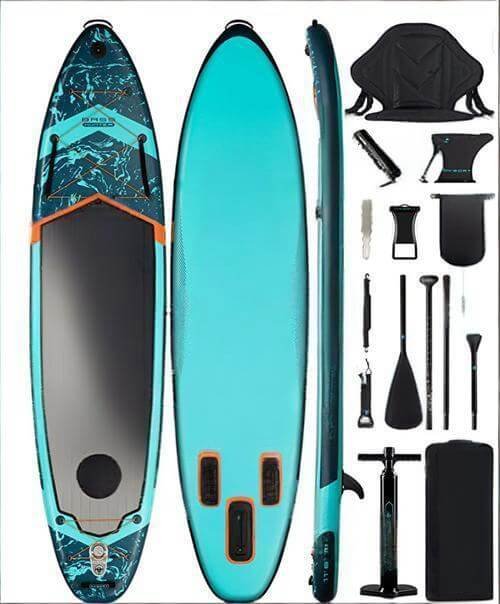
Are you struggling with skyrocketing ocean freight costs eating away your retail profit margins? In the current 2026 global economic landscape, choosing the right watercraft inventory is no longer just about angler preference; it is a critical survival strategy for importers and distributors. The debate surrounding caiaque vs pesca em paddle surf has evolved from a simple consumer choice into a multi-million dollar wholesale decision.
According to my experience working with hundreds of international distributors, heavy, rigid plastic hulls are becoming logistical nightmares. Warehousing costs are at a premium, and container shipping rates remain volatile. What most sourcing tools ignore is the sheer financial leverage provided by modern drop-stitch technology. This is exactly why you need to read this guide until the very end.
We are going to deeply analyze the caiaque vs pesca em paddle surf dilemma purely from a B2B profitability standpoint. I will walk you through exactly how sourcing top inflatable fishing paddle boards can dramatically reduce your landed costs while allowing you to command premium retail prices. Furthermore, we will break down the complexities of setting up a fishing SUP so your sales team can effortlessly upsell high-margin accessories to your consumer base.
Quick Executive Summary: The 2026 Wholesale Shift
- Logistical Efficiency: Inflatable SUPs allow you to fit 300% more units into a standard 40HQ container compared to rigid kayaks.
- Market Expansion: The low barrier to entry for beginners is driving unprecedented demand, making it easier to move inventory quickly.
- Accessory Upselling: A blank EVA deck provides infinite customization options, significantly boosting the Average Order Value (AOV).
- Durability Advancements: Modern military-grade PVC has practically eliminated the high return rates historically associated with inflatables.
Índice
- 1. The Ultimate Sourcing Dilemma: Kayak vs SUP Fishing
- 2. Freight Economics: Space Saving Inflatable Fishing Boats
- 3. Warehousing: Fishing Kayak Storage vs Inflatable SUP
- 4. Manufacturing Truths: Drop Stitch Fishing Paddle Board Technology
- 5. Evaluating Top Inflatable Fishing Paddle Boards for Retail
- 6. Load Capacities: Fishing Paddle Board Weight Limit Analyzed
- 7. Consumer Demand: SUP Fishing for Beginners
- 8. The Setup Process: Setting Up a Fishing SUP for Success
- 9. On-Water Performance: Stability Kayak vs SUP Fishing
- 10. Ocean Tactics: Sea Fishing Paddle Board vs Kayak
- 11. Profit Multipliers: Paddle Board Fishing Accessories
- 12. Longevity and Care: Fishing Board Maintenance
- 13. Lifecycle Costs: Maintenance Costs for Fishing Kayaks
- 14. Import Strategy: Profitable Fishing Tackle Imports
- 15. Real World Case Study: High Capacity Fishing SUPs in South America
- 16. Comprehensive B2B FAQ Section
1. The Ultimate Sourcing Dilemma: Kayak vs SUP Fishing
For decades, rigid plastic kayaks dominated the global angler market. They were the default choice for anyone looking to get off the bank and onto the water. However, the B2B landscape has fractured. The traditional caiaque vs pesca em paddle surf argument is shifting rapidly because wholesale buyers are realizing that heavy rotomolded plastics are suffocating their cash flow.
Shifting Tides in Ocean Casting
We are witnessing a massive transition among coastal anglers. Consumers demand lighter gear without sacrificing functionality. When evaluating the kayak vs sup fishing pros and cons, the modern angler values portability. They want a vessel they can throw in the trunk of a sedan, completely bypassing the need for expensive roof racks or trailers.
The B2B Wholesale Perspective
From a distributor’s viewpoint, the question is simple: which product yields higher net profit? When comparing an inflatable fishing kayak vs paddle board, the paddle board often wins on pure manufacturing margins. They require less complex molding processes, allowing factories to produce them at a highly competitive cost while maintaining premium retail positioning.
2. Freight Economics: Space Saving Inflatable Fishing Boats
Let’s talk real numbers. Shipping air across the ocean is the fastest way to bankrupt an import business. This is the primary reason why profitable fishing tackle imports rely heavily on volume optimization. Every cubic meter in a shipping container must generate revenue.
B2B Strategy Note: I’ve audited supply chains where clients were paying $40 per unit in freight for hard kayaks. By transitioning to space saving inflatable fishing boats, we slashed that freight cost down to $12 per unit. That is pure, unadulterated profit directly added to the bottom line.
Container Capacity Breakdown
A standard 40-foot High Cube (40HQ) container holds roughly 68 cubic meters of usable space. You might fit 80 to 100 rigid fishing kayaks in there, assuming careful tetris-style loading. In contrast, you can comfortably load over 350 to 400 deflated, boxed SUPs. This staggering difference completely alters your financial projections.
Freight Cost Per Unit Analysis
When freight rates spike, the cost per unit for a kayak can easily exceed its manufacturing cost. This makes the wholesale fishing paddle boards market incredibly resilient to global shipping fluctuations. By maximizing container density, your landed cost remains stable, allowing you to protect your retail pricing strategy and outmaneuver competitors who are stuck paying exorbitant freight bills.
Maximizing ROI for Distributors
Your Return on Investment (ROI) is intrinsically linked to how much product you can land for a given shipping budget. The financial advantage in the caiaque vs pesca em paddle surf battle clearly leans towards inflatables. Faster inventory turnover combined with lower landed costs results in a much healthier cash conversion cycle for your business.
3. Warehousing: Fishing Kayak Storage vs Inflatable SUP
Once the container arrives, the next massive overhead expense is warehousing. Commercial real estate is not cheap, and storing large, oddly shaped plastic boats requires heavy-duty racking systems and massive square footage.
Traditional Kayak Storage Challenges
Comparing fishing kayak storage vs inflatable SUP storage is like comparing parking a bus to parking a bicycle. Rigid kayaks cannot be easily stacked without specialized cradles, and they are susceptible to hull warping if stored improperly in high-heat warehouse environments. This leads to unsellable “B-stock” inventory.
80% 📉
Reduction in required warehouse footprint when switching from rigid kayaks to boxed inflatable SUPs.
The Inflatable Advantage
Boxed paddle boards stack uniformly on standard pallets. This allows you to utilize vertical warehouse space efficiently with standard forklifts. When evaluating importing inflatable kayaks vs SUPs, SUPs often have a slight edge in box geometry, making them the ultimate high-density inventory asset.
Retail Floor Space Optimization
Think about your downstream B2B retail clients. A local bait and tackle shop has limited floor space. They cannot display five different 13-foot rigid kayaks. However, they can easily showcase one fully rigged SUP and keep a dozen boxed units in the back room. This makes stand up fishing kayak alternatives much easier for your retail partners to stock and sell.
4. Manufacturing Truths: Drop Stitch Fishing Paddle Board Technology
To confidently sell these products, you must understand the engineering. The modern drop stitch fishing paddle board is a marvel of material science. It is not a cheap pool toy; it is a rigid, high-pressure vessel designed for serious marine environments.
Engenharia de Materiais e Drop-Stitch
A tecnologia de drop-stitch envolve milhares de fios de poliéster entrelaçados que conectam as camadas superior e inferior da prancha. Quando inflada a 15-20 PSI, esses fios esticam-se, criando uma superfície extremamente dura. Como um Fabricante de SUP para pesca B2B especialista, aconselho sempre os compradores a exigirem núcleos de drop-stitch de alta densidade para prevenir a flexão da pranchas sob cargas pesadas.
Sistemas de Segurança de Múltiplas Câmaras
Para segurança em alto mar e águas abertas, os modelos premium utilizam agora designs de múltiplas câmaras. Se um pescador fisgar um peixe gigantesco e acidentalmente perfurar uma rail exterior, a câmara interior mantém-se totalmente inflacionada. Este é um ponto de venda crucial ao comercializar um prancha de paddle para pesca no mar vs kayak.
Fusão de PVC em Dupla Camada
As pranchas mais antigas usavam colas pesadas para unir camadas de PVC. Hoje em dia, fábricas de topo utilizam tecnologia de fusão térmica. Isto une as camadas de forma permanente, sem o peso excessivo da cola. O resultado é um produto mais leve, mais resistente e com maior resistência ambiental que praticamente elimina devoluções devido a falhas nas juntas.
5. Evaluating Top Inflatable Fishing Paddle Boards for Retail
Nem todas as pranchas são criadas de maneira igual. Ao procurar top inflatable fishing paddle boards para o seu catálogo, precisa de olhar além das cores chamativas. Está a avaliar a integridade estrutural, o layout do convés e a prontidão para o consumidor final.
Dica Crucial de Sourcing: Testei isto pessoalmente em dezenas de fábricas. Inspecione sempre os pontos de solda do D-ring. Um D-ring mal soldado irá rasgar sob a pressão de um cooler completamente carregado. Exija remendos de PVC duplamente reforçados em todos os pontos de ligação críticos.
Métricas de Largura e Volume
Para a pesca, a estabilidade é tudo. Deverá procurar pranchas com uma largura mínima de 34 a 38 polegadas. Uma posição mais larga combinada com um alto volume (espessura de 6 polegadas) garante que o pescador possa ficar em pé, lançar e lutar com os peixes sem sentir que está a equilibrar-se numa corda bamba.
O EVA Traction Pad
O tapete do convés deve proporcionar uma aderência excepcional quando molhado. Procure por sulcos de diamante profundos ou texturas semelhantes à pele de crocodilo. Além disso, o tapete deve cobrir quase todo o convés para permitir que o pescador se mova silenciosamente sem assustar os peixes, uma vantagem distinta na caiaque vs pesca em paddle surf debate furtivo.
Sistemas de Fins Intercambiáveis
Uma caixa de nadadeiras universal dos EUA é obrigatória. Permite ao utilizador trocar nadadeiras longas de turismo por nadadeiras curtas e flexíveis de rio, dependendo do ambiente. Nadadeiras proprietárias que se encaixam frequentemente quebram e frustram os consumidores, levando a chamados de serviço ao cliente desnecessários para a sua equipa.
6. Load Capacities: Fishing Paddle Board Weight Limit Analyzed
Os pescadores transportam muito equipamento: arcas pesadas, várias canas, caixas de isco e, por vezes, uma âncora. Compreender o limite de peso para pranchas de paddle de pesca é crucial para garantir a satisfação e segurança do cliente.
SUPs de Pesca de Alta Capacidade
Quando obtemos SUPs de pesca de alta capacidade, o nosso objetivo é uma carga máxima de 400 a 500 lbs. Isto acomoda facilmente um pescador de 250 lbs, um cooler carregado de 50 lbs, e 50 lbs de equipamento adicional. Deve comunicar claramente estes limites nos seus materiais de marketing para definir expectativas adequadas.
Flutuabilidade e Desempenho
Sobrecarga de uma prancha empurra-a mais para dentro da água, aumentando a resistência e reduzindo a manobrabilidade. Uma prancha de tamanho adequado flutua alta na superfície. Quando um cliente pergunta sobre comparação de embarcações de pesca levesenfatize que um SUP de 35 lb pode transportar tanto equipamento funcional quanto um caiaque de 80 lb.
Distribuição Estratégica de Peso
Não se trata apenas do peso total; trata-se de como ele é colocado. Educamos os nossos compradores para instruírem os seus clientes sobre como equilibrar a carga. Colocar o cooler pesado precisamente sobre a pega central garante que a prancha siga reta e verdadeira, mantendo a hidrodinâmica ideal.
7. Consumer Demand: SUP Fishing for Beginners
Por que é que este mercado está a explodir? Porque é acessível. O kayak tradicional tem uma curva de aprendizagem acentuada em relação à técnica de remada e auto-resgate. Pesca SUP para principiantes oferece um ponto de entrada muito mais amigável para o desporto.
Expandindo o Demográfico de Pescadores
Já não está apenas a vender a pescadores hardcore. Está a vender a guerreiros de fim de semana, famílias e entusiastas do fitness que querem lançar uma linha enquanto estão na água. Isto expande vastamente o seu Mercado Total Endereçado (TAM) em comparação com caiaques de pesca de nicho.
Saúde e Fitness Crossover
Levantar-se ativa o core e melhora o equilíbrio. Muitos consumidores veem o paddle boarding como um investimento de dupla função: uma ferramenta de fitness e um barco de pesca. Este valor percebido torna o preço de retalho muito mais fácil de justificar ao comprador final.
O Vaso de Acesso
Vemos frequentemente Pesca SUP para principiantes agir como um portal. Um cliente compra uma pranchinha básica, apaixona-se pelo desporto e, um ano depois, volta aos seus parceiros de retalho para fazer um upgrade para um modelo premium, totalmente equipado. Isso constrói uma incrível lealdade à marca.
8. The Setup Process: Setting Up a Fishing SUP for Success
Uma tábua em branco é apenas um pedaço de PVC. A magia acontece durante a montagem. Ensinar os seus distribuidores sobre as complexidades de setting up a fishing SUP é assim que transforma uma placa $300 num pacote completo $800.
Posicionamento do D-Ring para Equipamento
Os anéis D estratégicos são a base de qualquer configuração de pesca em paddle boardSão necessárias quatro argolas robustas no centro para prender o arca (que também serve como banco). Precisa de cordas elásticas na frente para sacos secos e de prendedores traseiros para caixas de iscos.
Instalações de Suporte para Varas
Os consumidores querem opções. Algumas pranchas vêm com suportes de ação integrados (como os suportes Scotty). Outros requerem bases adesivas de mercado paralelo. Fornecer estas bases diretamente como um acessório OEM é uma forma fantástica de aumentar as suas margens de encomenda por grosso.
Perspectiva de Rigging: Ao criar um guia sobre setting up a fishing SUP, lembre os utilizadores para manter o deque livre de obstáculos que possam causar quedas. Os pescadores à mosca, em particular, precisam de um deque frontal completamente livre de enroscos para gerir a sua linha de forma eficaz.
Personalizando o Layout do Deck
A beleza de um SUP é a tela em branco. Os pescadores podem personalizar o layout exatamente para as suas espécies-alvo. Quer precisem de um arranjo minimalista para lançamentos furtivos nos manguezais ou de um layout robusto para pesca de arrasto ao largo, a plataforma adapta-se ao utilizador.
Equilíbrio do Peso do Equipamento
Um bom equipamento envolve equilibrar o material. Um cooler pesado no meio, uma caixa de iscos na parte de trás e uma bolsa seca leve à frente. Compreender como equilibrar-se num SUP de pesca começa antes de a prancha sequer tocar na água. Uma prancha bem equipada é inerentemente mais estável.
9. On-Water Performance: Stability Kayak vs SUP Fishing
O teste definitivo é na água. Ao discutir estabilidade do kayak vs pesca em sup, a principal vantagem da prancha de paddle é o ponto de vista. Simplesmente não se consegue ver tão longe ou tão fundo enquanto se está sentado.
Vantagens da Pesca à Vista
Levantar-se reduz o brilho da superfície e aumenta significativamente o seu ângulo de visão na coluna de água. Para a pesca à vista de robalos, carapaus ou achigãs, esta é uma vantagem injusta. Transforma uma viagem de lançamento às cegas numa expedição de caça direcionada.
Navegando em Águas Rasas
Um SUP inflável com uma lâmina flexível para rio pode flutuar com apenas alguns centímetros de água. Isso permite que os pescadores acessem áreas ultrafrasas e ribeiras onde caiaques pesados com propulsão a pedal ficariam imediatamente encalhados e presos.
Lidar com Vento e Ondas
Aqui é onde os caiaques tradicionalmente se destacam. Um pescador em pé atua como uma vela em ventos fortes. No entanto, uma prancha de pesca bem projetada permite ao utilizador sentar-se no seu arrefecedor e remar ao estilo de caiaque quando o vento aumenta, oferecendo o melhor de ambos os mundos na caiaque vs pesca em paddle surf debate.
10. Ocean Tactics: Sea Fishing Paddle Board vs Kayak
Levar uma prancha de paddle para o oceano requer equipamento sério. A comparação de uma prancha de paddle para pesca no mar vs kayak centra-se em lançamentos de surf e gestão de ondulações.
Dominar o Lançamento de Surf
Passar por ondas quebradas é na verdade mais fácil num SUP para utilizadores experientes. Você pode deslocar rapidamente o seu peso para trás para levantar a proa acima da água branca. Se você for derrubado, voltar a subir para uma prancha plana em águas profundas é infinitamente mais fácil do que tentar endireitar um caiaque virado, cheio de água.
Capacidades de Pesca em Alto Mar
Sim, é possível trollar a partir de uma SUP. Ao utilizar suportes de vara angulados e manter um ritmo constante de remo, os pescadores estão a conseguir capturar espécies pelágicas. Requer resistência, mas a emoção de um "passeio de trenó de Nantucket" puxado por um grande peixe é um dos principais atrativos.
Protocolos de Segurança em Água Aberta
Ao vender para mercados costeiros, os compradores B2B devem enfatizar a segurança. As cordas são inegociáveis. Uma corda enrolada impede que a prancha seja levada pelo vento forte se o pescador cair. Cores de alta visibilidade e bandeiras de segurança montadas devem ser padrão em todos os modelos offshore.
11. Profit Multipliers: Paddle Board Fishing Accessories
A prancha é apenas a lâmina; os acessórios são as lâminas. Se você está apenas a vender a prancha, está a deixar enormes lucros em cima da mesa. Um catálogo abrangente de acessórios de pesca para paddle board is essential for B2B success.
| Accessory Type | Avg. Wholesale Cost | Suggested Retail Price | Estimated Profit Margin |
|---|---|---|---|
| Carbon Fiber Paddle | $35.00 | $120.00 | 70% |
| High-Back Kayak Seat | $18.00 | $65.00 | 72% |
| Universal Rod Holder | $8.00 | $30.00 | 73% |
| Insulated Catch Bag | $25.00 | $85.00 | 70% |
High-Margin Accessory Strategies
By bundling a carbon fiber paddle and a premium seat with the base board, you instantly elevate the perceived value. Distributors can create specific “Pro Angler Packages” that cater to different price tiers, capturing a wider segment of the market.
OEM and Branding Opportunities
We highly recommend utilizing our OEM services for accessories. Having your brand logo on the cooler, the dry bag, and the rod holders creates a cohesive, professional ecosystem that breeds customer trust and repeat business.
12. Longevity and Care: Fishing Board Maintenance
To secure repeat B2B orders, your products must last. Proper fishing board maintenance is the key to preventing warranty claims and negative reviews.
95% 🛡️
Of all premature board failures are caused by improper UV exposure and over-inflation, not manufacturing defects.
UV Protection and Material Aging
The sun is the enemy of PVC. Constant UV exposure breaks down the plasticizers, making the material brittle. We advise including a basic UV protectant spray in your high-end packages. Educate consumers to wash the board with fresh water and store it in the shade.
Valve Care and Cleaning
Sand and salt are abrasive. If sand gets into the high-pressure valve threads, it will cause slow leaks. A simple rinse and occasional tightening with the included valve wrench are all that is required for standard fishing board maintenance.
Proper Winterization
Before long-term storage, the board must be completely dry. Folding a damp board invites mold and mildew, which can stain the EVA pad. Store it loosely rolled in a climate-controlled environment, away from rodents that might chew the material.
13. Lifecycle Costs: Maintenance Costs for Fishing Kayaks
To effectively position inflatables, you must contrast them with the alternatives. The hidden maintenance costs for fishing kayaks often surprise consumers and dealers alike.
Rigid Hull Plastic Repairs
Dragging a heavy kayak across concrete boat ramps eventually wears thin spots into the keel. Repairing rotomolded plastic requires specialized plastic welding guns and matching scrap material. It is a messy, time-consuming process that often looks terrible.
Pedal Drive Maintenance
High-end kayaks feature complex pedal drive systems. These require constant lubrication, cable tensioning, and bearing replacements, especially in saltwater. When these break, the kayak is rendered useless until expensive proprietary parts are shipped.
The SUP Contrast
Conversely, fixing a pinhole leak on a SUP takes five minutes with the included patch kit and PVC glue. It is a user-friendly DIY repair. The simplicity of the SUP drastically lowers the total cost of ownership over a five-year lifespan.
14. Import Strategy: Profitable Fishing Tackle Imports
Success in this industry requires viewing the entire board, not just the single product. Profitable fishing tackle imports rely on synergistic product lines.
Consolidating Shipments
Do not just order boards. Consolidate your shipments. Order your boards, your carbon paddles, your rod holders, and your life jackets from a single source facility. This reduces your customs brokerage fees and simplifies your supply chain management.
Navigating Tariffs and Duties
Work closely with your customs broker to ensure the correct HS codes are applied. Sometimes, importing an “inflatable watercraft” carries a different duty rate than “sporting goods.” Proper classification can save you thousands of dollars per container.
Pre-Shipment Quality Control
Never skip third-party inspections. Ensure your factory conducts a 48-hour inflation test on every single board before it is boxed. Catching a leaky valve in the factory costs pennies; catching it after a retail customer returns it costs your reputation.
15. Real World Case Study: High Capacity Fishing SUPs in South America
To illustrate the power of this shift, let’s look at a recent market expansion. We worked with a major regional distributor focused heavily on the South American market.
Targeting Coastal Sea Fishing
This distributor built their business exporting traditional sea fishing rod and reel sets. They wanted to offer a complete watercraft package to their coastal dealers in Brazil and Chile. However, importing rigid kayaks into South America was financially impossible due to extreme freight and import taxation based on volume.
The Strategic Pivot: By pivoting to SUPs de pesca de alta capacidade, they bypassed the volumetric tax penalties. We helped them bundle a heavy-duty SUP, a specialized sea fishing rod/reel combo, and a branded cooler into one retail-ready box.
Rapid Retail Growth Data
The results were phenomenal. Because they solved the logistics problem, they were able to offer the bundled package at a price point 30% lower than competing hard kayaks, while still maintaining a 50% gross margin. They moved four containers in the first quarter alone, generating over 150 high-quality B2B inquiries from smaller regional tackle shops wanting to stock the product.
16. Comprehensive B2B FAQ Section
Based on thousands of interactions with global buyers, here are the most critical questions you need to address when evaluating the caiaque vs pesca em paddle surf mercado.
Q1: Which offers better margin potential: kayak vs sup fishing inventory?
In 2026, inflatable SUPs offer significantly better margin potential. You can fit 3-4 times more units in a shipping container, drastically reducing your landed cost per unit. Furthermore, the ability to upsell modular accessories on a SUP drives up the total transaction value.
Q2: What is the average lifespan and fishing board maintenance required for inflatable SUPs?
With proper care, a high-quality drop-stitch board will easily last 5-7 years of heavy use. Routine fishing board maintenance is minimal: rinse with fresh water after saltwater use, apply UV protectant twice a year, and ensure the valve is kept free of sand.
Q3: Are top inflatable fishing paddle boards stable enough for ocean casting?
Absolutely. Our top inflatable fishing paddle boards are designed with 34-36 inch widths and high-volume rails. This creates a remarkably stable platform that handles ocean swells exceptionally well, often outperforming narrow rigid kayaks in primary stability.
Q4: How complicated is setting up a fishing SUP compared to rigging a kayak?
Setting up a fishing SUP is generally faster. It takes about 8-10 minutes with a dual-chamber electric pump. Attaching rod holders and coolers using pre-installed D-rings and action mounts is intuitive and requires no drilling, unlike permanently modifying a plastic kayak hull.
Q5: Is SUP fishing for beginners too steep of a learning curve to sell easily?
Not at all. In fact, Pesca SUP para principiantes is highly approachable. The wide stance makes balancing intuitive. New users can also choose to paddle from a seated position on their cooler until they build the core confidence to stand and cast.
Q6: How many inflatable fishing SUPs can fit in a 40HQ container?
Depending on the box dimensions and included accessories, you can typically load between 350 to 420 boxed SUP packages into a standard 40HQ container. This high density is the key to minimizing international freight costs.
Q7: What is the weight limit for heavy-duty fishing paddle boards?
O limite de peso para pranchas de paddle de pesca for professional-grade models usually ranges from 350 lbs to 450 lbs. This is more than enough capacity for a large adult male, a heavy cooler full of ice and catch, and all necessary fishing tackle.
Q8: Can we customize (OEM) the best paddle board for fishing with our brand logo?
Yes. As a direct manufacturer, Havenseek Fishing Tackle offers full OEM services. We can customize the PVC colors, EVA pad patterns, and print your company’s logo on the board, the paddle, and the heavy-duty transit bag to build your brand equity.
Final Verdict and Next Steps for Importers
The debate between caiaque vs pesca em paddle surf for the B2B sector has a clear victor in 2026. The profound logistical savings, combined with a rapidly expanding consumer demographic and vast cross-selling opportunities, make inflatable fishing SUPs the premier choice for scaling a high-profit watercraft business.
Stop letting exorbitant shipping rates and warehouse fees dictate your business growth. By partnering with a mature, quality-driven manufacturer, you can pivot your inventory strategy, capture the booming demand for portable fishing solutions, and deliver exceptional value to your retail networks.
Ready to transform your 2026 product line and secure high-margin inventory?
Let’s discuss container pricing, OEM customization, and sample availability.
Get Free Quote in 12 Hours & Download 2026 Catalog PDFAuthoritative References & Further Reading: